Photo: Wikipedia
Find The Best Places To Live
in Vail
PRO TIP! You can paste a Zillow or Redfin link to get info on that property.
What It's Like Living in Vail, CO
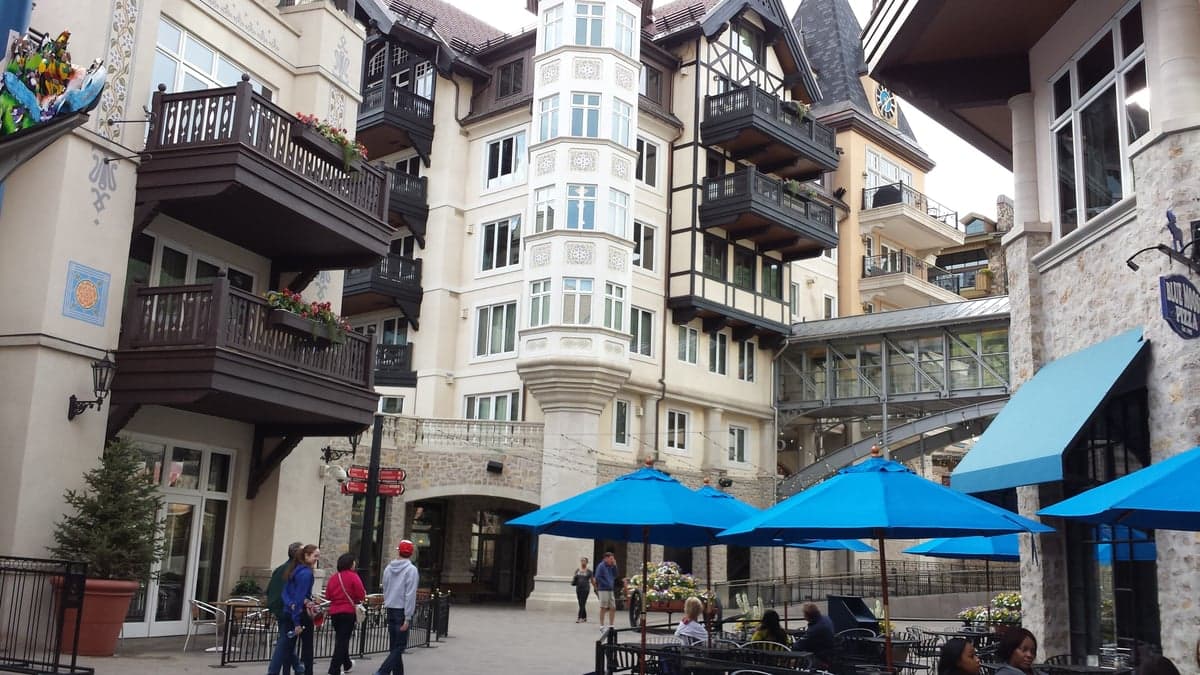
Vail, Colorado, is a place that wears its identity on its sleeve: a world-class ski resort town that also happens to be a year-round home for just under 5,000 people. The vibe is less "small mountain town" and more "polished alpine village" — think cobblestone streets, high-end boutiques, and a palpable sense that the outdoors are both a playground and a lifestyle. It’s a community where the median age is 49.5 and nearly 70% of adults hold a college degree, which shapes a daily rhythm that’s active, affluent, and surprisingly quiet outside of peak tourist seasons.
The Daily Rhythm: Work, Play, and the Tourist Tide
For locals, life in Vail revolves around the seasons. Winter is the busiest and most lucrative time, with the ski slopes (Vail Mountain, with over 5,300 skiable acres) drawing crowds from around the globe. A typical weekday for a resident might start with a quick commute — the average is just under 19 minutes — followed by work in hospitality, real estate, or remote professional services. Afternoons often include a quick ski run or a hike on the Gore Creek Trail before the evening rush. Summer shifts the pace: the Vail Farmers’ Market & Art Show on Sundays becomes a central gathering spot, and the Betty Ford Alpine Gardens offer a quiet escape. The town’s layout, with its pedestrian-only core in Lionshead and Vail Village, means many errands are done on foot, though parking can be a headache during peak weeks.
The kind of person who fits here is typically financially comfortable — the median household income is $103,705, and the median home value sits at $1,040,100. That cost of living index of 231 (more than double the national average) means most residents are either high-earning professionals, second-home owners, or long-timers who bought in decades ago. Families with children are present but less common; the school system (Eagle County Schools) is well-regarded but small, and the town’s social life leans heavily toward adults who value outdoor recreation over suburban amenities.
Sports, Festivals, and the Local Social Scene
Sports in Vail are less about high school rivalries and more about world-class events. The town hosts the Vail International Dance Festival and the Vail Jazz Festival, but the biggest draw is the Vail Snow Daze music festival in December, which brings national acts to the base of the mountain. For winter sports fans, the Vail Ski & Snowboard Club is a powerhouse, producing Olympic-level athletes. There’s no pro sports team, but the Vail Yeti (a minor-league hockey team) plays at the Dobson Ice Arena and draws a loyal local crowd. Summer brings the Vail Mountain Bike Series and the Vail Trail Running Series, both of which are community staples.
For nightlife, locals tend to avoid the tourist-heavy spots like the Red Lion (a classic après-ski bar) and instead gravitate toward The George for craft cocktails or Vendetta’s for a quieter wine bar. The Vail Brewing Company is a favorite for a casual beer after a hike. Dining is a mix of high-end (think Matsuhisa for sushi) and reliable staples like Blue Moose Pizza or Garlic Jim’s for a quick bite. The Vail Public Library is a surprisingly active community hub, hosting book clubs and lectures that draw a more intellectual crowd.
Pros and Cons of Living in Vail
What residents love:
- Unmatched outdoor access: Skiing, hiking, biking, and fishing are literally out your back door. The Gore Range and White River National Forest provide endless exploration.
- Strong community feel: Despite the tourist influx, locals form tight-knit circles. Events like the Vail Winterfest and the Vail Film Festival are organized by and for residents.
- High-quality amenities: The town invests heavily in public spaces — the Vail Recreation District runs top-tier ice rinks, tennis courts, and a golf course.
What frustrates long-timers:
- Cost of living: The housing market is brutal. Renting a one-bedroom apartment can easily exceed $2,500/month, and buying a home is out of reach for most without significant wealth.
- Tourist seasonality: Winter weekends and holidays bring gridlock on I-70, crowded slopes, and packed restaurants. Locals often plan their errands around the tourist schedule.
- Limited year-round job diversity: The economy is heavily tied to tourism and real estate. Professionals in fields like tech or healthcare often commute to Eagle or Edwards for work.
- Violent crime rate: At 319.6 per 100,000, it’s higher than the national average, though most incidents are property-related or tied to the transient population. Locals generally feel safe but lock their doors.
Cultural Quirks and Practical Realities
One of Vail’s quirks is its “Vail Time” — a relaxed approach to schedules that frustrates newcomers but charms long-timers. The town also has a strong environmental ethic: the Vail Sustainability Council pushes for renewable energy and waste reduction, and many locals bike or walk year-round. The weather is classic high-alpine: winters are cold but sunny (average January highs around 30°F), while summers are mild and dry (70s). The average commute of 18.96 minutes is a blessing, but that’s only if you live and work in town — many workers commute from cheaper towns like Avon or Minturn, adding 20-30 minutes each way.
For families, the Vail Mountain School (private) and Red Sandstone Elementary (public) are well-regarded, but the town’s small population (4,729) means limited extracurricular options compared to suburban areas. The Vail Recreation District runs youth sports leagues, but the real draw for kids is the outdoors — skiing, mountain biking, and camping are the default after-school activities. The Vail Public Library also hosts a strong children’s program.
Ultimately, Vail is a place for people who prioritize lifestyle over convenience. It’s not for everyone — the cost and seasonal chaos are real barriers — but for those who can afford it and embrace the rhythm, it offers a quality of life that’s hard to match. The key is knowing that you’re trading suburban ease for alpine adventure, and that trade-off is the whole point.

Similar small towns to Vail
* Values derived from national, state, county, city and local statistics and may differ in a specific area. Last updated: 2026-04-29T00:31:05.000Z
Narrative content on this page is AI-generated and may contain mistakes. Verify any details that matter before acting on them.
ReloMaps may earn a commission from affiliate links at no extra cost to you.

