Photo: Wikipedia
Quality of Life in Bryan, TX
A high quality of life with strong walkability, manageable living costs, healthy neighborhood signals, and solid amenity access.
What does Quality of Life tell us?
Quality of Life blends cost of living, nearby amenities, socioeconomic signals, and neighborhood character. City-level scores represent the whole municipality; individual neighborhoods can differ.
What does this tell us?
Quality of Life blends cost of living, nearby amenities, socioeconomic signals, and neighborhood character. City-level scores represent the whole municipality; individual neighborhoods can differ.
Cost of Living
11% below national average
The Real Cost of Living in Bryan, TX for 2026
| Tier | Individual | Family (4) |
|---|---|---|
| Survival | $18k | $35k |
| Comfortable | $41k | $60k |
| Luxury | $103k+ | $159k+ |
| Elite (Top 5%) | $123k+ | $191k+ |
95%
The Area Signal
A metric tracking the socioeconomic signals of the area.
Hobbies
Explore the areaGroceries
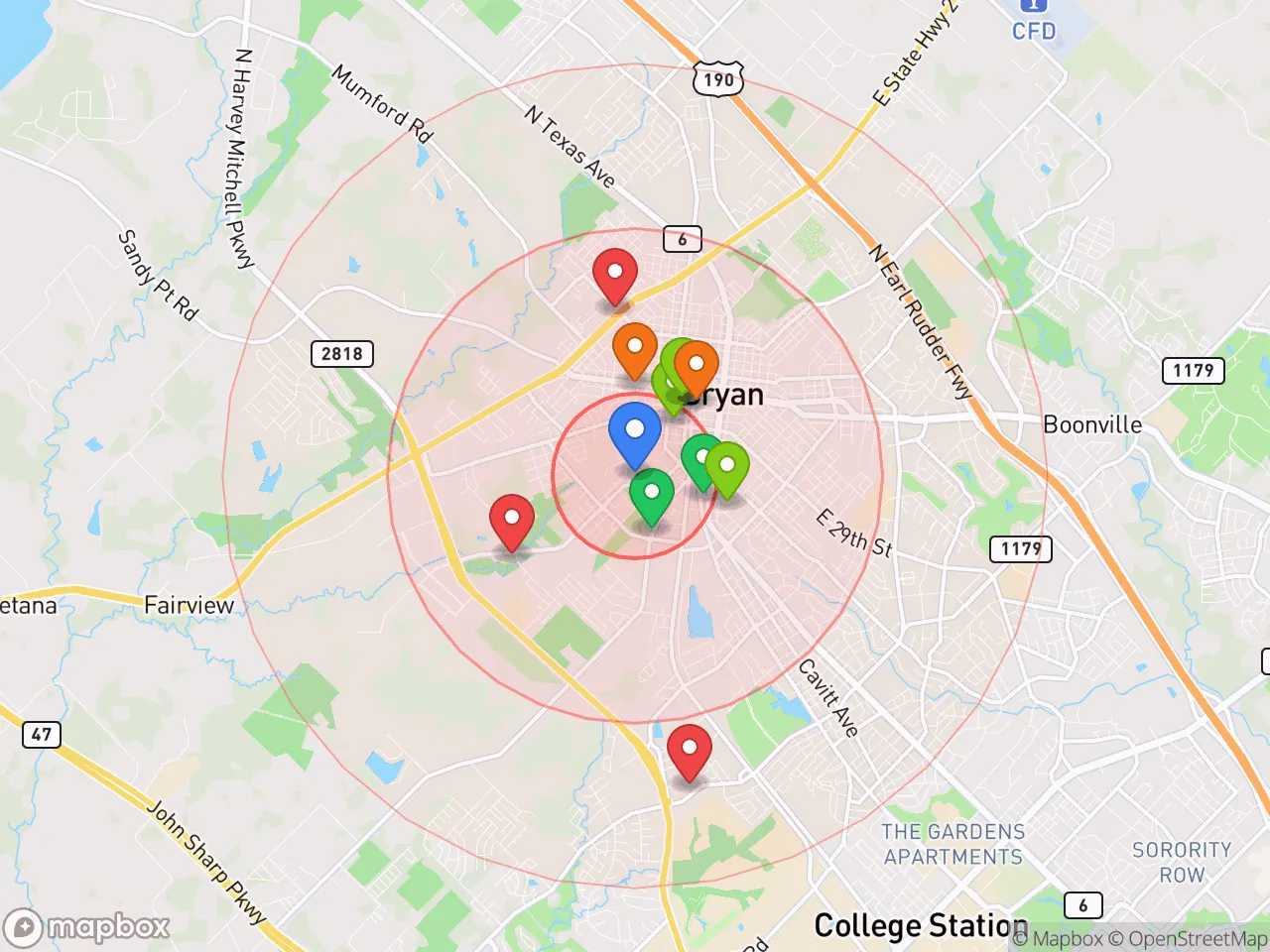
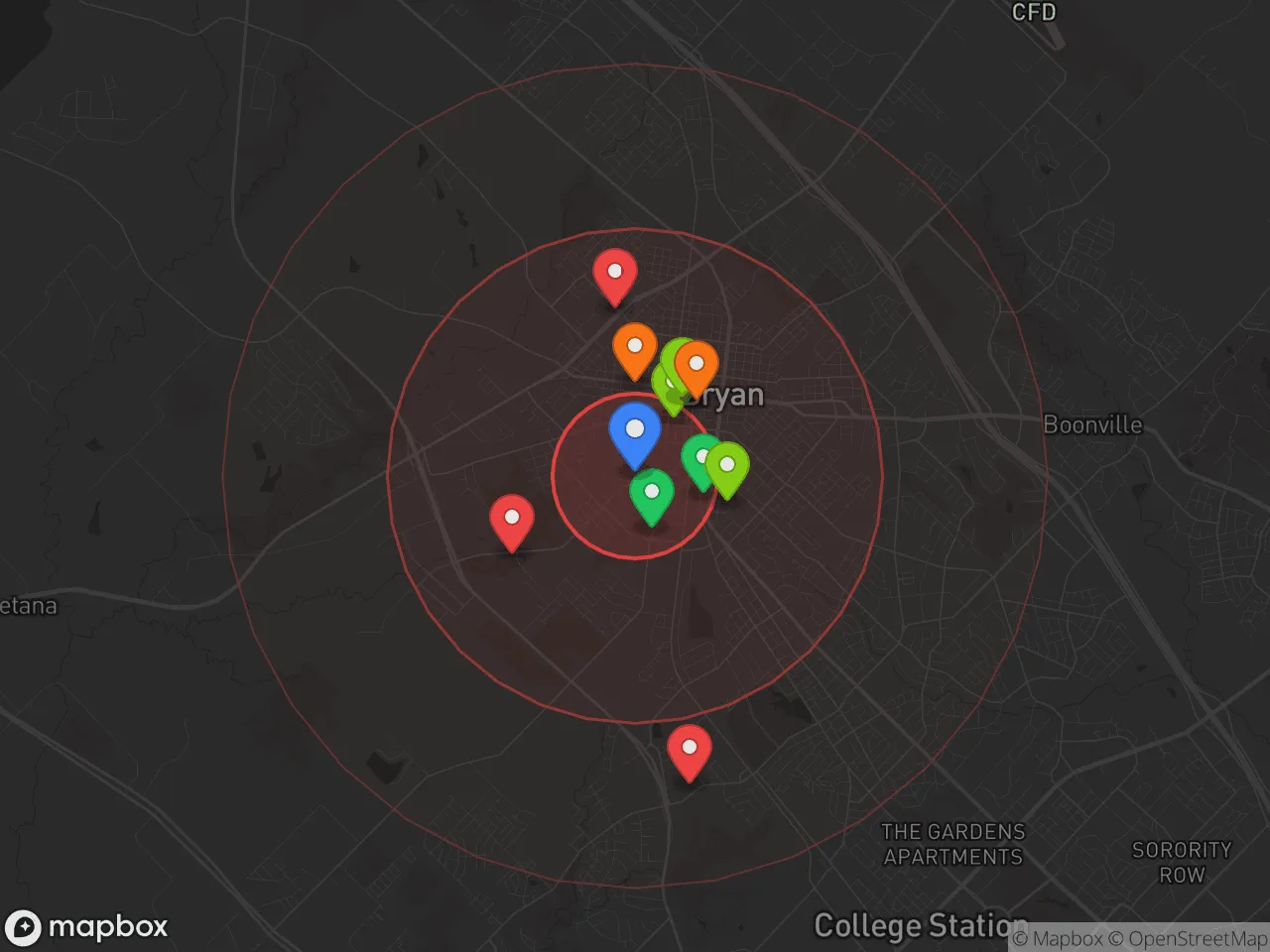
7 within 10 miles
Gas
20 within 10 miles
Hospital
5 within 20 miles
Airport
IAH — George Bush Intercontinental
Post Office
USPS — Snook, TX
Critical Amenities
Quality-of-Life Analysis
Bryan, Texas, offers a quality of life defined by its blend of small-town affordability and access to a major university economy, attracting a population that is both family-oriented and academically driven. With a cost of living index of 89 (well below the U.S. average of 100), the city draws a diverse mix of Texas A&M faculty, healthcare professionals, and young families seeking a lower financial burden than nearby College Station. The median household income hovers around $50,000, reflecting a community where many residents work in education, healthcare (Baylor Scott & White Medical Center is a top employer), and local government, creating a stable, middle-class environment.
How housing costs and affordability compare to College Station and the state average
Bryan’s housing market is a clear advantage for newcomers, with a median home value of $210,600—roughly 15-20% lower than in neighboring College Station, where the median exceeds $250,000. This price gap makes Bryan the more accessible entry point for first-time buyers and renters. The median rent of $1,150 per month is also notably cheaper than the College Station average of $1,350, easing the financial strain for students and young professionals. The average commute time of 18.7 minutes is significantly shorter than the national average of 26 minutes, meaning residents spend less time in traffic and more time at home or work. Property taxes in Brazos County are around 2.1% of assessed value, which is moderate for Texas, though homeowners should factor this into their monthly budget. Overall, Bryan offers a cost advantage of roughly 10-15% over College Station for comparable housing, making it a practical choice for those who work in the larger metro but want lower monthly expenses.
What daily life is like for families: schools, parks, and local amenities
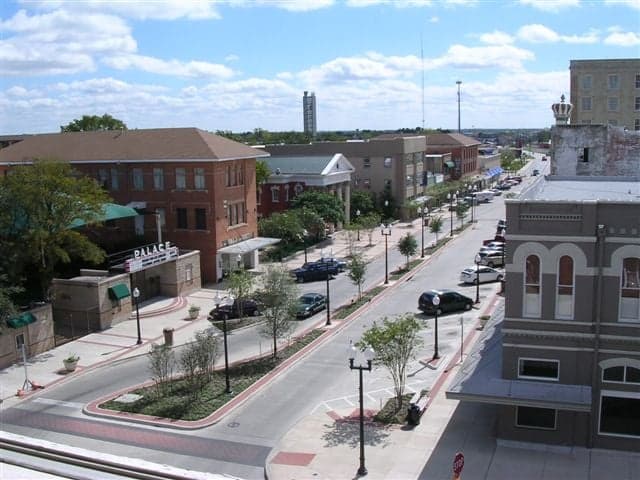
Daily life in Bryan centers on a slower, community-oriented rhythm, with strong public schools and ample outdoor recreation. The Bryan Independent School District (BISD) operates 22 campuses, with Bryan High School and Stephen F. Austin Middle School receiving consistent ratings above the state average for academic performance. For families, the city’s 30+ parks—including the 200-acre Lake Bryan park with swimming, fishing, and hiking trails—provide low-cost weekend activities. The downtown area, anchored by the historic Palace Theatre and a growing number of local eateries like Ronin Artisan Ramen and Harvest Kitchen, offers a walkable, small-city feel. Grocery costs are about 5% below the national average, and utility bills are typical for Central Texas. While nightlife is quieter than in College Station, the proximity to Texas A&M (a 10-minute drive) gives residents access to Division I sports, concerts, and cultural events without living in the student-heavy corridor. The city’s Brazos Valley Farmers Market (Saturdays year-round) and annual Bryan Farmers Market Festival reinforce a tight-knit, locally focused lifestyle.
Bryan is best suited for those who prioritize affordability and a slower pace over urban excitement. It works well for families seeking good schools and short commutes, for Texas A&M employees who want to live off the main student grid, and for retirees on fixed incomes who value lower housing costs. Professionals in healthcare or education will find the job market stable, while remote workers can leverage the low COL and fast internet (fiber available in most new subdivisions). The trade-off is limited high-end retail and dining—residents often drive to College Station for shopping at Post Oak Mall or upscale restaurants. For anyone who values a quiet, budget-friendly community with strong civic roots and easy access to a major university, Bryan delivers a solid, unpretentious quality of life.

Crime in Bryan, TX
Generally safer than 63% of comparable U.S. locations.
Violent CrimeViolent Crime Analysis
Property CrimeProperty Crime Analysis
Crime Analysis
Bryan, Texas, reports a violent crime rate of 342.3 incidents per 100,000 residents and a property crime rate of 1,780.9 per 100,000, placing it above national averages for both categories. While not among the most dangerous cities in Texas, these figures indicate that crime is a tangible concern for residents, particularly when compared to safer suburban communities in the region. The city’s proximity to the larger College Station metro area means it shares some of the same crime pressures, but with a notably higher property crime rate.
Crime in context
Bryan’s violent crime rate of 342.3 per 100,000 is roughly 10% higher than the national average of about 310 per 100,000, while its property crime rate of 1,780.9 per 100,000 significantly exceeds the national average of approximately 1,950 per 100,000. Compared to the state of Texas, which has a violent crime rate near 450 per 100,000, Bryan fares slightly better, but its property crime rate is still elevated relative to many smaller Texas cities. The city’s crime index is notably higher than in neighboring College Station, which benefits from a larger student population and a more robust police presence. As a city within a large metro area, Bryan is subject to the broader criminal justice policies of Brazos County, where progressive-leaning district attorneys have been known to emphasize diversion programs and reduced sentencing for non-violent offenders. This approach, while intended to reduce recidivism, can result in more criminals remaining on the streets, potentially increasing risks for law-abiding residents and victims of crime.
What residents experience
Residents most frequently encounter property crimes such as theft, burglary, and motor vehicle theft, which account for the bulk of reported incidents. Violent crimes, including assault and robbery, occur less often but are concentrated in specific areas, particularly near apartment complexes and commercial corridors along Texas Avenue and Highway 6. The city’s police department has implemented community policing initiatives and crime prevention programs, but response times can vary depending on the neighborhood. For families and individuals considering a move, the daily reality involves taking standard precautions: locking vehicles, securing homes, and avoiding poorly lit areas at night. The presence of a progressive justice system in Brazos County means that offenders arrested for property crimes may face lighter consequences, which can embolden repeat offenses and undermine public confidence in safety.
Neighborhood-level variation is significant in Bryan. Areas east of downtown, including the historic East Side and parts of the 77803 zip code, report higher crime densities, while newer developments in the southwest and near the Briarcrest corridor tend to be safer. Suburban-style neighborhoods like those around Lake Walk and the Traditions Golf Club experience lower crime rates, often comparable to College Station. Prospective residents should research specific blocks and consult local crime maps, as safety can shift dramatically within a mile. Overall, Bryan offers a mixed safety profile that requires careful neighborhood selection and an awareness of the broader criminal justice environment.
* Values derived from national, state, county, city and local statistics and may differ in a specific area. Last updated: 2026-05-12T15:26:32.000Z
Narrative content on this page is AI-generated and may contain mistakes. Verify any details that matter before acting on them.
ReloMaps may earn a commission from affiliate links at no extra cost to you.

