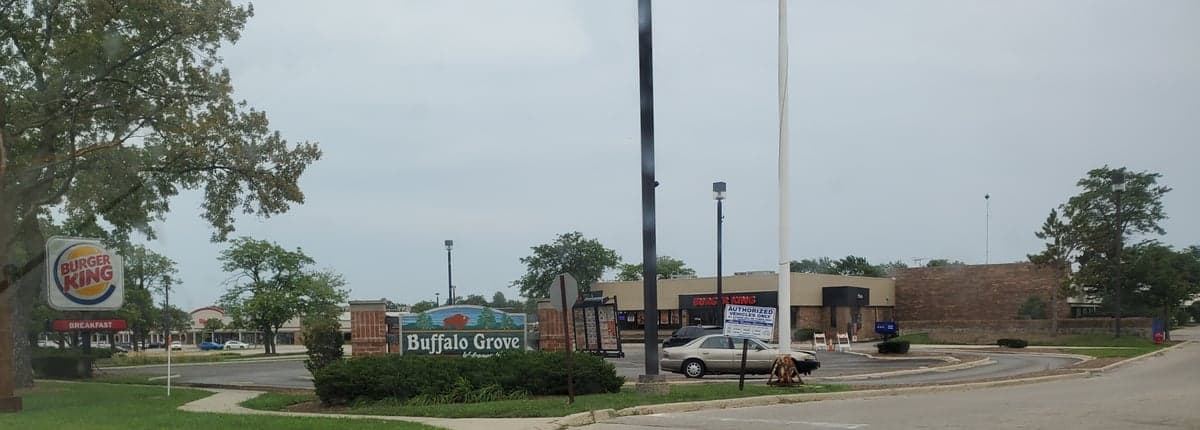
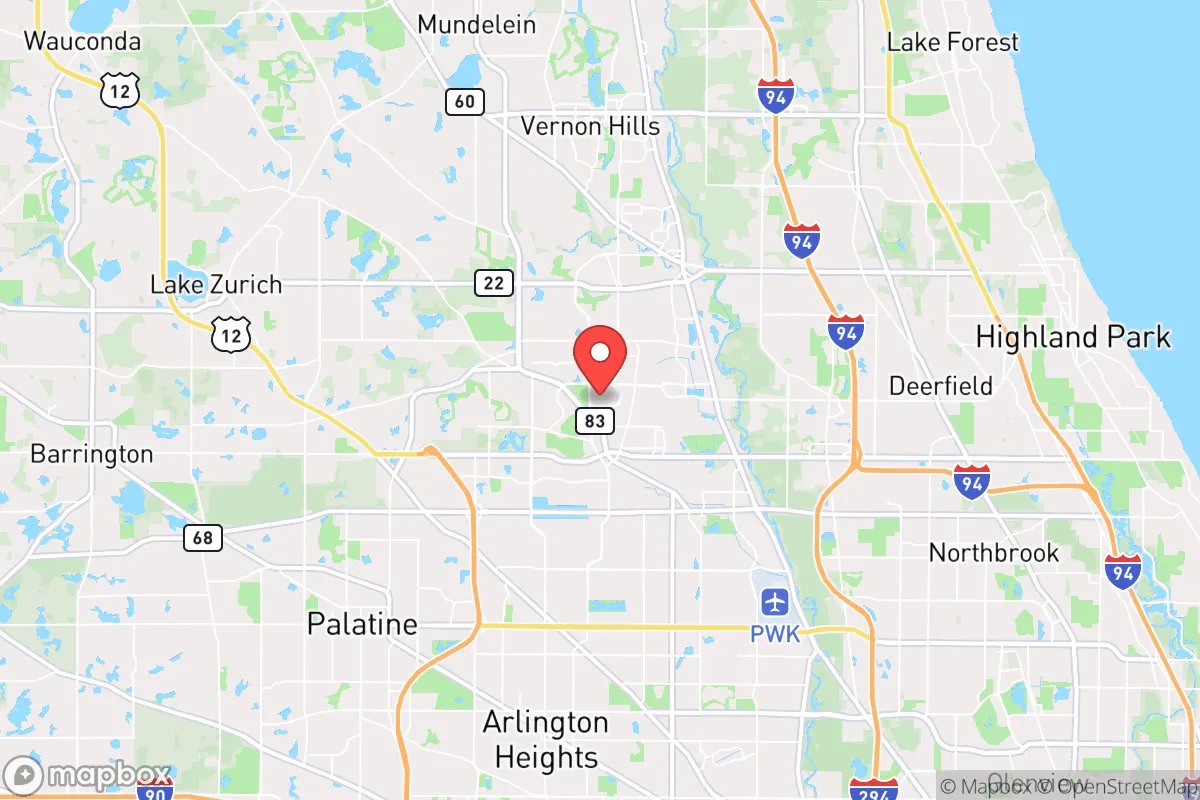
Photo: Wikipedia
Quality of Life in Buffalo Grove, IL
A high quality of life with strong walkability, manageable living costs, healthy neighborhood signals, and solid amenity access.
What does Quality of Life tell us?
Quality of Life blends cost of living, nearby amenities, socioeconomic signals, and neighborhood character. City-level scores represent the whole municipality; individual neighborhoods can differ.
What does this tell us?
Quality of Life blends cost of living, nearby amenities, socioeconomic signals, and neighborhood character. City-level scores represent the whole municipality; individual neighborhoods can differ.
Cost of Living
61% above national average
The Real Cost of Living in Buffalo Grove, IL for 2026
| Tier | Individual | Family (4) |
|---|---|---|
| Survival | $33k | $61k |
| Comfortable | $76k | $112k |
| Luxury | $204k+ | $316k+ |
| Elite (Top 5%) | $240k+ | $372k+ |
116%
The Area Signal
A metric tracking the socioeconomic signals of the area.
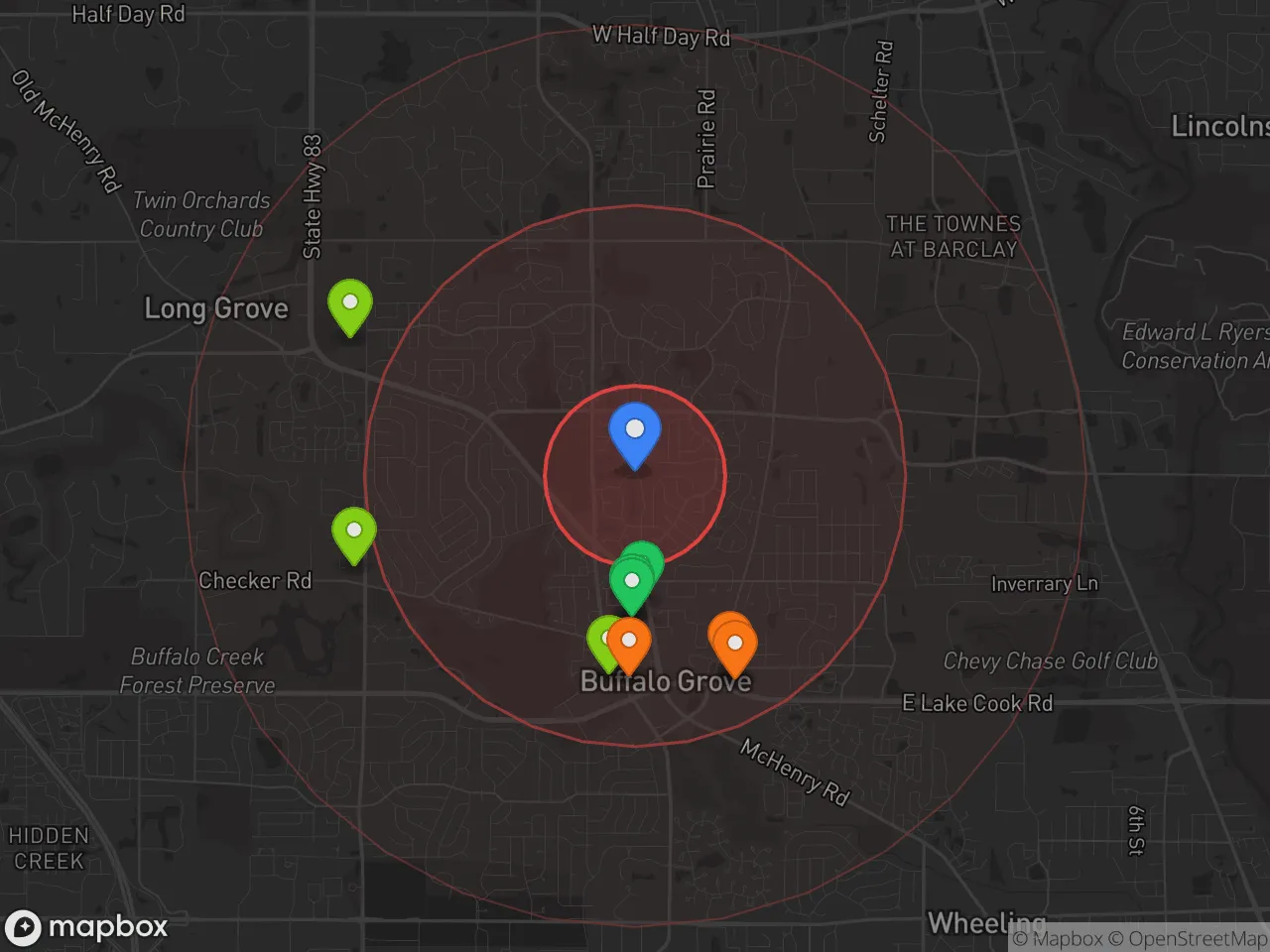
Hobbies
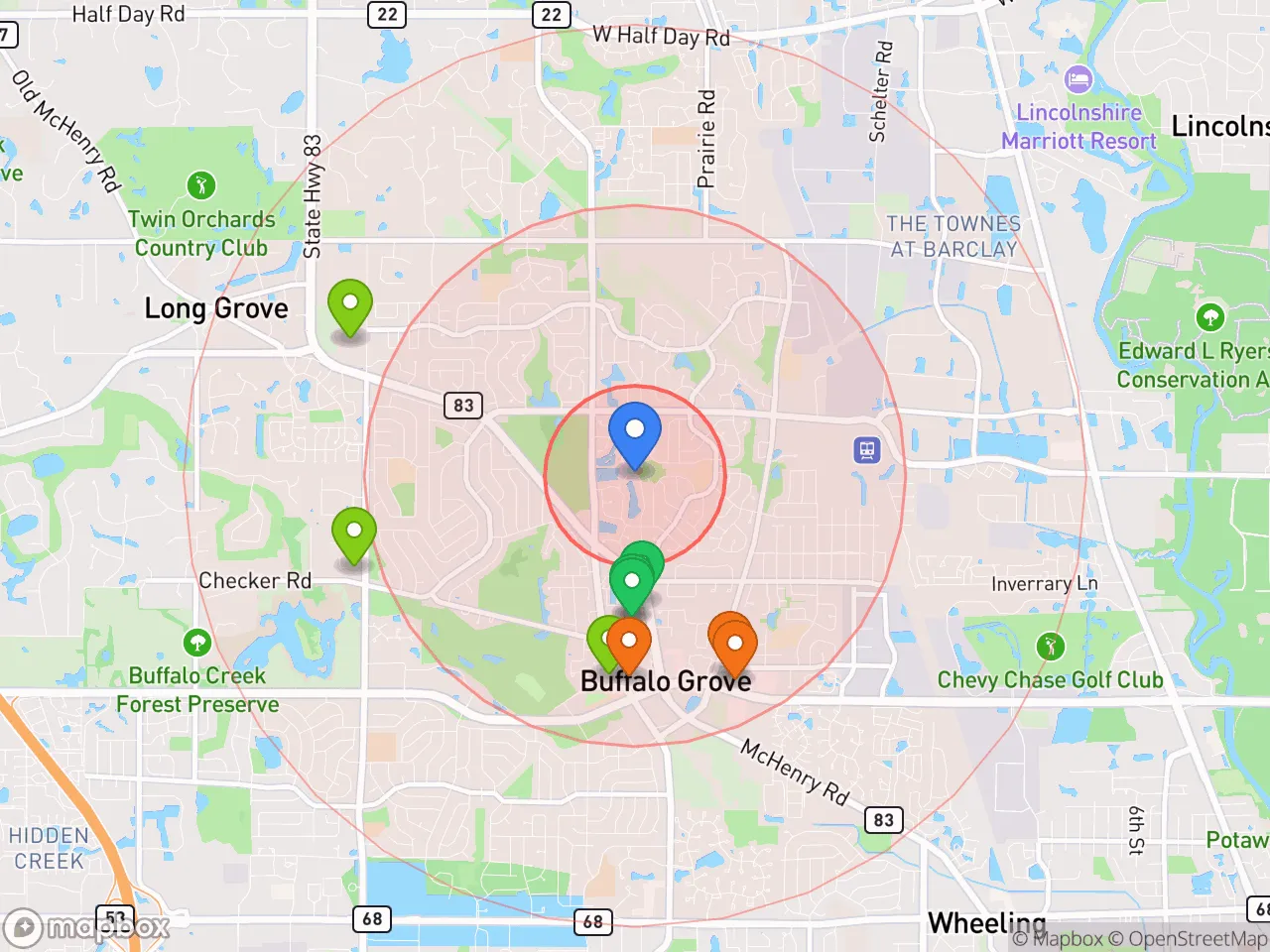
Explore the areaGroceries
6 within 10 miles
Gas
20 within 10 miles
Hospital
20 within 20 miles
Airport
ORD — O'Hare International
Post Office
USPS — Buffalo Grove, IL
Critical Amenities
Quality-of-Life Analysis
Buffalo Grove, Illinois, is an affluent northwest Chicago suburb where the cost of living index sits at 161—61 percent above the national average—reflecting a community built around high-end housing, strong public schools, and a largely professional, family-oriented population. The village’s 41,000 residents skew toward dual-income households and empty-nesters who prioritize safety, green space, and proximity to corporate hubs like Deerfield and Arlington Heights. Median household income exceeds $100,000, and the area attracts those willing to pay a premium for low crime rates, top-rated school districts, and a suburban lifestyle with quick access to the city.
Cost of living, housing, and affordability compared to nearby suburbs
Buffalo Grove’s housing market is the primary driver of its elevated cost of living. The median home value is $392,900, significantly higher than the national median but competitive with neighboring suburbs like Arlington Heights ($420,000) and Highland Park ($500,000+). Median rent sits at $2,042, which is roughly 30 percent above the national average but comparable to other Lake County communities. Property taxes in Buffalo Grove are among the highest in the region—typically 2.5 to 3 percent of assessed value—due to Illinois’ reliance on local property taxes for school funding. For buyers, this means a $400,000 home can carry annual tax bills of $10,000 or more. While the sticker price is lower than in nearby Northbrook or Glenview, the tax burden makes long-term affordability a consideration. Renters face a tight market: vacancy rates hover around 3 percent, and leases often require proof of income at least three times the monthly rent. The average commute of 27.5 minutes is manageable for workers heading to Chicago or the Lake County tech corridor, though tolls on I-94 and I-294 add to monthly transportation costs.
What daily life is like for families: schools, parks, and local amenities
Daily life in Buffalo Grove revolves around its two highly rated public school districts: District 96 (elementary and middle) and District 214 (high school), with Stevenson High School in nearby Lincolnshire consistently ranking among Illinois’ top 10 public high schools. The village maintains over 30 parks, including the 60-acre Buffalo Creek Forest Preserve, and a 50-mile network of paved trails popular for biking and jogging. The Buffalo Grove Town Center, anchored by a Metra commuter rail station, offers a mix of chain retailers and local restaurants like Francesca’s and Pita Inn. Weekend mornings see families at the Buffalo Grove Farmers Market (May–October) or at the recreation center’s indoor pool and fitness classes. The village’s police department reports violent crime rates roughly 70 percent below the national average, and property crime is similarly low, making it a common choice for families with young children. For entertainment, residents drive 10–15 minutes to the Arlington Park entertainment district or 35 minutes to downtown Chicago for cultural events. The area lacks a vibrant nightlife scene—most restaurants close by 10 p.m.—which suits the family-centric, early-to-bed rhythm of the community.
Buffalo Grove is best suited for professionals and families who prioritize top-tier schools, low crime, and suburban amenities over urban excitement or low housing costs. Empty-nesters also find value in the village’s maintenance-free townhomes and proximity to medical facilities like Northwest Community Hospital. Singles and young renters may feel the pinch of high rents and limited social options, but for those seeking a safe, well-run suburb with strong property values and a 27-minute commute to Chicago’s job centers, Buffalo Grove delivers a consistent, predictable quality of life that justifies its premium price tag.

Crime in Buffalo Grove, IL
Lower crime rates than 96% of comparable U.S. locations.
Violent CrimeViolent Crime Analysis
Property CrimeProperty Crime Analysis
Crime Analysis
Buffalo Grove is one of the safest suburbs in the Chicago metropolitan area, with violent crime rates that are a fraction of both state and national averages. The village recorded a violent crime rate of just 23.2 incidents per 100,000 residents, making it roughly 95% lower than the national average. Property crime, at 429.6 per 100,000 residents, also sits well below the national benchmark, though it remains the more common concern for households.
Crime in context
To understand Buffalo Grove’s safety profile, it helps to compare it to broader trends. The national violent crime rate in 2024 was approximately 380 per 100,000, while Illinois’s rate hovered around 400 per 100,000. Buffalo Grove’s 23.2 per 100,000 is an outlier even among safe suburbs. Property crime nationally runs near 2,000 per 100,000; Buffalo Grove’s 429.6 is roughly 78% lower. These figures place the village among the safest communities in Lake and Cook counties. However, residents should be aware that the surrounding region—including Cook County—operates under a progressive criminal justice framework. Prosecutorial policies in Cook County have been criticized for prioritizing diversion and reduced sentencing, which critics argue can lead to higher recidivism and more offenders cycling back onto the streets. While Buffalo Grove’s local police department maintains a strong presence, the broader county-level approach to justice is a factor that safety-conscious residents may want to monitor.
What residents experience
Daily life in Buffalo Grove is characterized by a very low likelihood of encountering violent crime. The most common incidents are property-related: theft from vehicles, package theft, and occasional burglaries. Vehicle break-ins, particularly in apartment complexes and near the Buffalo Grove Town Center, are the most frequently reported property crime. The village’s police department runs a robust community policing program, including a dedicated crime prevention unit and a well-used Nixle alert system. Residents generally report feeling safe walking at night and leaving doors unlocked during the day, though standard suburban precautions are still advised. The low violent crime rate means that incidents like assault or robbery are rare and often isolated to domestic situations rather than random acts.
Neighborhood-level variation
Safety is not entirely uniform across Buffalo Grove. The area east of Milwaukee Avenue, closer to the Wheeling border, sees slightly higher property crime numbers, largely due to denser apartment complexes and easier highway access. The western sections, particularly the single-family-home neighborhoods near the Buffalo Grove Golf Course and the Kildeer border, report even fewer incidents. Overall, no neighborhood in Buffalo Grove approaches the crime levels of nearby suburbs like Waukegan or North Chicago, but residents in multi-unit buildings should take extra care with securing vehicles and packages. The village’s proactive police department and neighborhood watch programs help keep variation minimal, but the influence of Cook County’s progressive justice policies remains a background concern for those evaluating long-term safety trends.
* Values derived from national, state, county, city and local statistics and may differ in a specific area. Last updated: 2026-04-23T15:54:49.000Z
Narrative content on this page is AI-generated and may contain mistakes. Verify any details that matter before acting on them.
ReloMaps may earn a commission from affiliate links at no extra cost to you.

