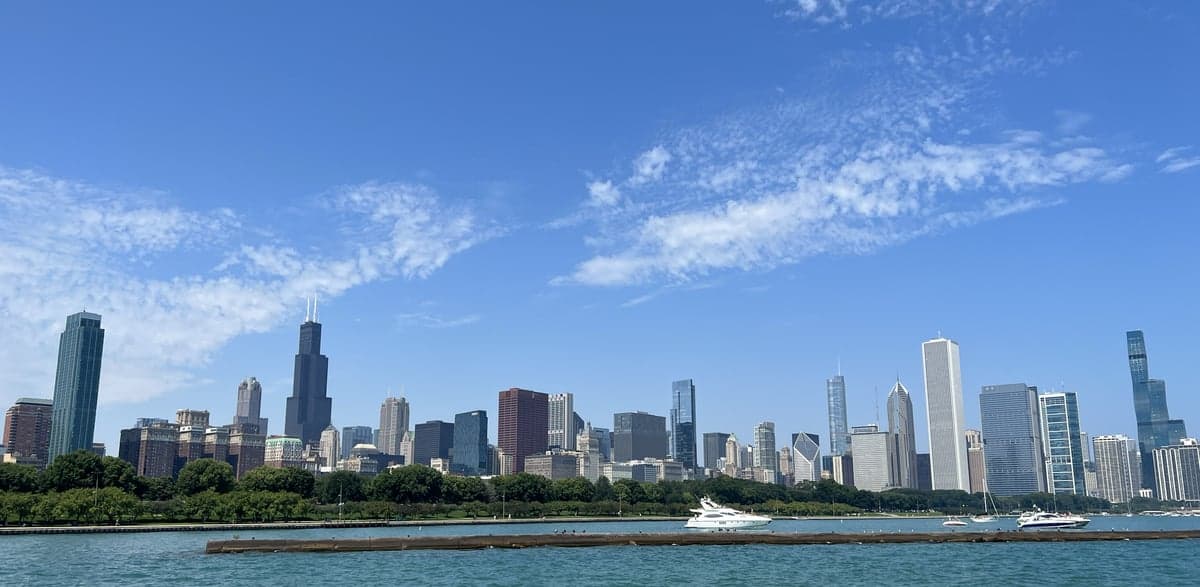
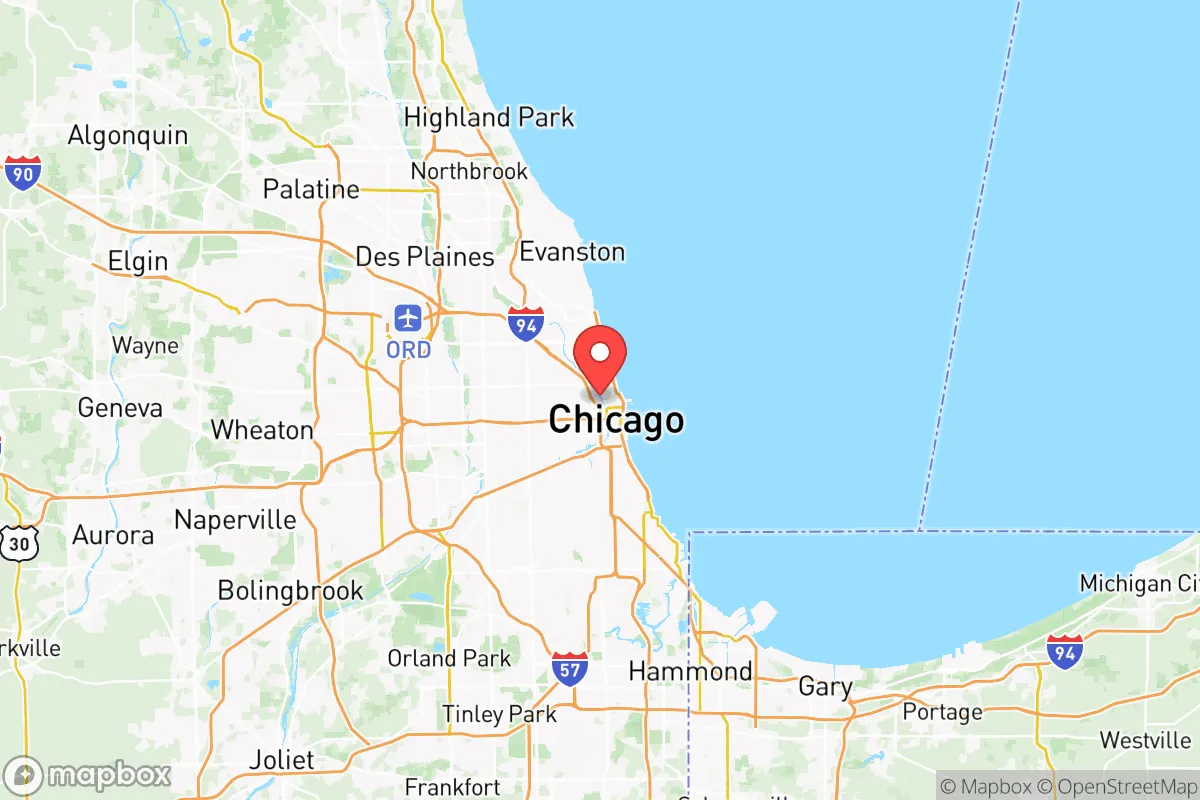
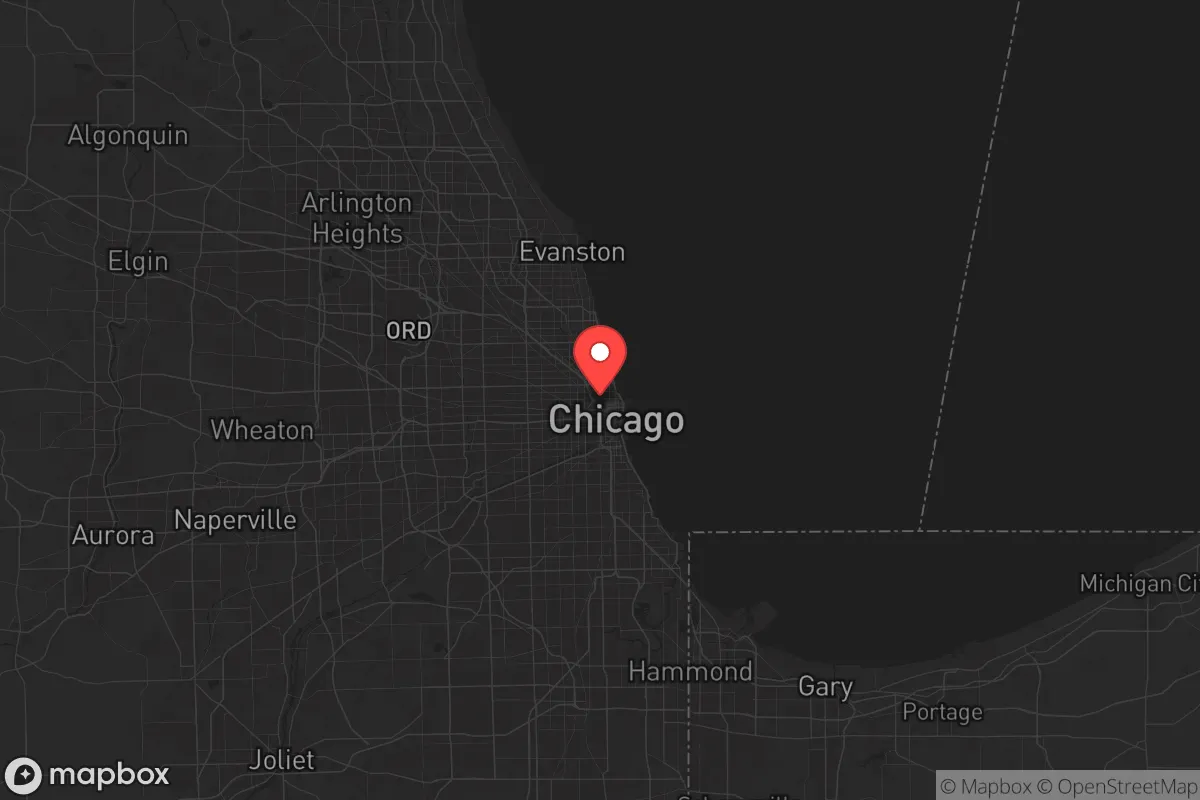
Photo: Wikipedia
Find The Best Places To Live in Cook County
PRO TIP! You can paste a Zillow or Redfin link to get info on that property.
Best Places to Live in Cook County
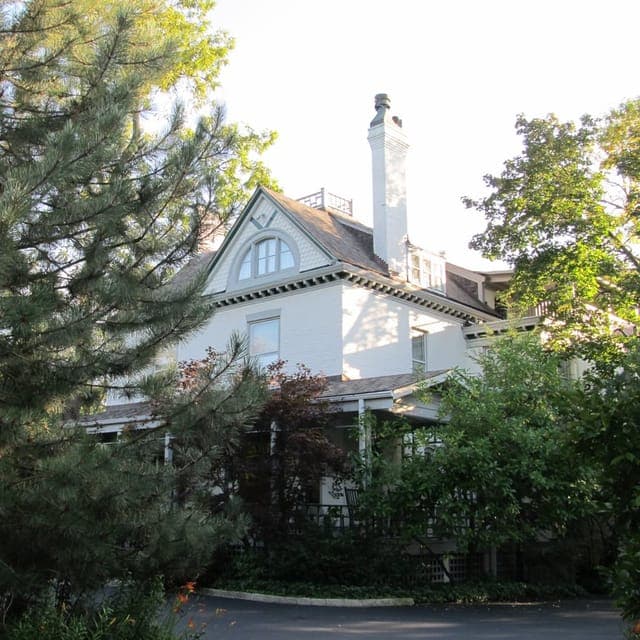


Cities & Towns in Cook County
Cities in Cook County
What It's Like Living in Cook County, IL
Cook County is a world unto itself, a sprawling patchwork of dense urban neighborhoods, leafy inner-ring suburbs, and surprisingly rural pockets that somehow all fall under one government. Living here means navigating a place where a downtown Chicago high-rise and a farmhouse near Barrington Hills are separated by the same county line, and where you pay your taxes, and where the daily rhythm shifts dramatically depending on whether you’re in Evanston, Oak Park, or the far southwest reaches near Orland Park. It’s a county of stark contrasts, and the kind of person who thrives here is someone who can embrace that complexity.
The Daily Rhythm: From the El to the Expressway
For most of the county’s 5.2 million residents, daily life is defined by the commute. The average trip to work clocks in at just under 32 minutes, which feels about right whether you’re riding the CTA’s Blue Line from Logan Square to the Loop or driving the Stevenson Expressway from Lemont to a corporate office in Schaumburg. In the city proper, people shop at Mariano’s or Jewel-Osco, grab coffee at local spots like Dark Matter, and spend weekends at neighborhood festivals—think the Taste of Lincoln Avenue or the Oak Park Art Fair. In the suburbs. In the outlying towns like Tinley Park or Palatine, life centers more on the local park district, the high school football game on Friday night, and the nearest Target. The weather dictates everything: summers are humid and alive with street fairs and rooftop bars, while winters force a hibernation mentality, with residents mastering the art of layering and shoveling.
Sports, Community, and the Weekend Vibe
Sports are a religion here, but the flavor changes by zip code. In Chicago proper, it’s all about the Cubs at Wrigley Field or the White Sox on the South Side, with the Bears at Soldier Field drawing a more frustrated but loyal crowd. High school sports are a massive deal in the suburbs—Friday-night football in Mount Prospect or Lincoln-Way draws thousands, and the rivalry between New Trier and Evanston Township is legendary. For entertainment, the county offers everything from the Art Institute of Chicago and the Lyric Opera to the Ravinia Festival in Highland Park, where people picnic on the lawn during summer concerts. Outdoor life is underrated: the Forest Preserves of Cook County offer over 70,000 acres of trails, lagoons, and golf courses, with the Brookfield Zoo and the Chicago and the Chicago Botanic Garden in Glencoe being major draws. Well-known restaurants range from the deep-dish pizza at Pequod’s in Morton Grove to the Polish sausage at Jim’s Original in the city, and the bar scene runs the gamut from dive bars in Berwyn to craft cocktail spots in Wicker Park.
Who Fits In—and Who Doesn’t
The median age here is 37.8, and the median household income sits at $81,797, which means the county skews toward working professionals and families who are comfortable but not wealthy. The kind of person who fits in is someone who values diversity and density—someone who doesn’t mind that their neighbor might speak a different language or have a vastly different income. College-educated residents make up 41.9% of the population, so there’s a strong professional class, but also a large working-class base in towns like Cicero and Blue Island. The cost of living index is 115, which is 15% above the national average, and the median home value of $305,200 reflects that—you’re paying a premium for proximity to the city’s jobs and culture. Parents often choose suburbs like Naperville (technically DuPage County, but close) or Arlington Heights for the school systems, which are a major factor in where people settle. The schools themselves are community anchors—PTA meetings are well-attended, and school board elections can get surprisingly heated.
Pros and Cons of Living Here
Longtime residents love the sheer variety—you can live in a quiet bungalow in Park Ridge and be at a world-class museum in 30 minutes. The food scene is unmatched, the cultural institutions are world-class, and the sense of history in neighborhoods like Hyde Park or Pullman is palpable. But the frustrations are real. The violent crime rate of 241.9 per 100,000 is a serious concern, particularly in certain Chicago neighborhoods and some south suburbs like Harvey or Robbins. Traffic is a grind—the Kennedy Expressway is notorious for backups, and the commute from the far suburbs like Elgin (Kane County) or Waukegan (Lake County) can push well over an hour. Property taxes are among the highest in the nation, a constant source of grumbling, and the weather is genuinely punishing for five months of the year. Still, for those who can handle the cost and the congestion, Cook County offers a depth of experience that few places can match—a place where you can see a Broadway show, hike a forest preserve, and eat a tamale from a street cart all in the same day.

* Values derived from national, state, county, city and local statistics and may differ in a specific area. Last updated: 2026-05-17T15:00:35.000Z
Narrative content on this page is AI-generated and may contain mistakes. Verify any details that matter before acting on them.
ReloMaps may earn a commission from affiliate links at no extra cost to you.

