 Popular
Photo: Wikipedia
Find The Best Places To Live
in Oakland
PRO TIP! You can paste a Zillow or Redfin link to get info on that property.
What It's Like Living in Oakland, CA
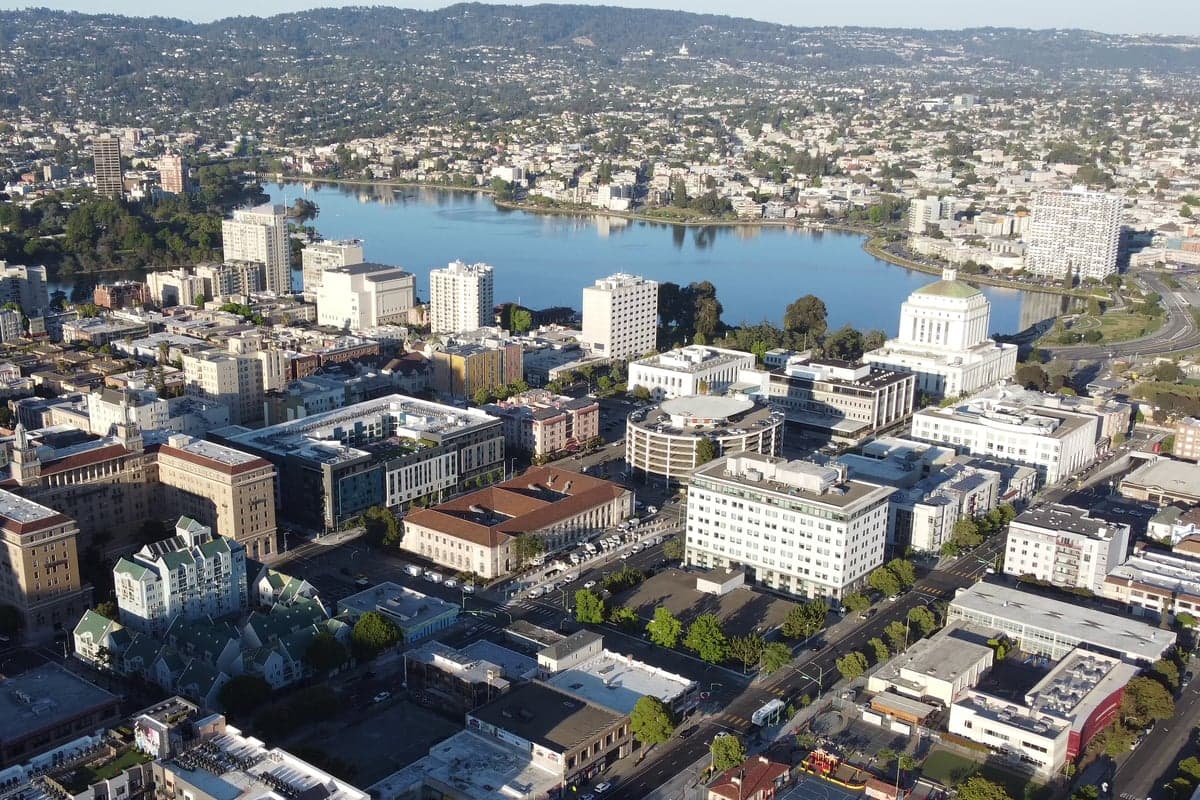
Oakland is the kind of place that doesn’t try to impress you with polish; it impresses you with its raw energy, its stubborn diversity, and the fact that you can watch a fog roll over the Bay from a taco truck parking lot while a punk band plays in the warehouse next door. It’s the third-largest city in the Bay Area, with roughly 438,000 people, and it feels less like a suburb of San Francisco and more like its scrappier, more interesting cousin who actually cooks dinner instead of just making reservations. Living here means accepting that the city’s identity is a constant negotiation between its deep-rooted Black and Latino communities, its waves of artists and tech workers, and the very real challenges of urban life in a place where the cost of living index sits at 230—more than double the national average.
The Daily Rhythm: Fog, Farmers Markets, and the 30-Minute Commute That Can Feel Like an Hour
Most mornings in Oakland start with a layer of marine fog that burns off by late morning, giving way to a climate that rarely dips below 50°F or climbs above 75°F. People here don’t really “go out to breakfast” the way they do in other cities—they grab a burrito at a corner market or a pastry from a bakery in the Grand Lake neighborhood. The median age is 37.6, which means you’re surrounded by a mix of young professionals, families who’ve been here for generations, and empty-nesters who bought in when it was still affordable. Weekends often revolve around the Grand Lake Farmers Market on Saturdays, where you’ll see everyone from yoga instructors to bikers in leather jackets buying stone fruit and arguing about the best olive oil. Shopping is a mix of big-box stores near the Coliseum and independent shops on Piedmont Avenue or in the Temescal district. The average commute is about 30 minutes, but that number hides the reality that a drive to San Francisco can take 45 minutes on a good day or two hours if there’s a Giants game and a protest on the Bay Bridge.
Sports, Music, and the Places That Define a Weekend
Oakland is a sports town that has been through it. The Oakland Athletics still play at the Coliseum, though the team’s future in the city is uncertain, and the Golden State Warriors left for San Francisco in 2019, which still stings for locals who remember the “We Believe” era. The Oakland Roots, a professional soccer team, have stepped into that void with a genuinely community-driven vibe—their matches at the Coliseum or Laney College feel like block parties. High school football is a big deal here, especially at schools like McClymonds and Bishop O’Dowd, where Friday night games draw hundreds of families. For music, the Fox Theater on Telegraph Avenue is the crown jewel—a restored 1928 movie palace that books everyone from indie rock to hip-hop legends. First Fridays along Telegraph are a monthly street festival with food trucks, art vendors, and live music that can feel like the whole city is out. Parks like Lake Merritt (a 3.4-mile loop around a tidal lagoon) and Redwood Regional Park (a 20-minute drive into the hills with actual redwoods) are where people go to breathe. The food scene is genuinely world-class: Shakewell for Mediterranean, Belly for Singaporean street food, and Homeroom for mac and cheese that draws lines down the block.
Who Fits In, and Who Doesn’t
Oakland works best for people who are comfortable with a certain level of grit and unpredictability. The median household income is $97,369, which sounds decent until you realize the median home value is $924,700—so most renters are paying $2,500 to $3,500 for a one-bedroom. The kind of person who thrives here is someone who values authenticity over convenience: a single artist who doesn’t mind street parking, a parent who wants their kid in a diverse public school (47.9% of adults have a college degree, but the city is economically mixed), or a young professional who works in tech but doesn’t want to live in a sterile high-rise. The city has a strong activist tradition—you’ll see protest flyers taped to lampposts and community meetings that actually change things. What frustrates longtime residents is the violent crime rate of 328.5 per 100,000, which is higher than the national average and means you learn which blocks to avoid after dark. Property crime—car break-ins, package theft—is a constant annoyance. The schools are a mixed bag: some are excellent (think Hillcrest or Chabot Elementary), but the district has struggled with funding and enrollment, so many parents either go private or move to the suburbs by middle school. The cultural quirks are real: people here call San Francisco “The City,” they take their sourdough seriously, and they will absolutely judge you if you call it “Frisco.” The seasonal rhythm is gentle—no snow, no real heat waves—but the summer “earthquake weather” jokes are a local tradition, and everyone has a go-bag ready.

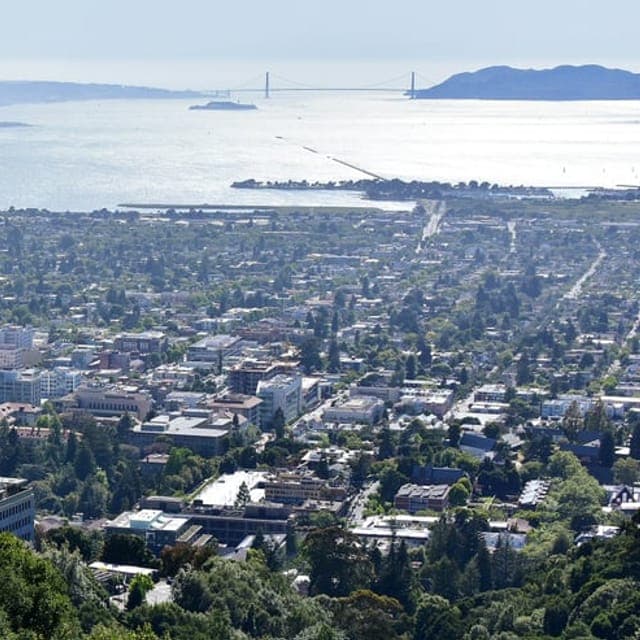
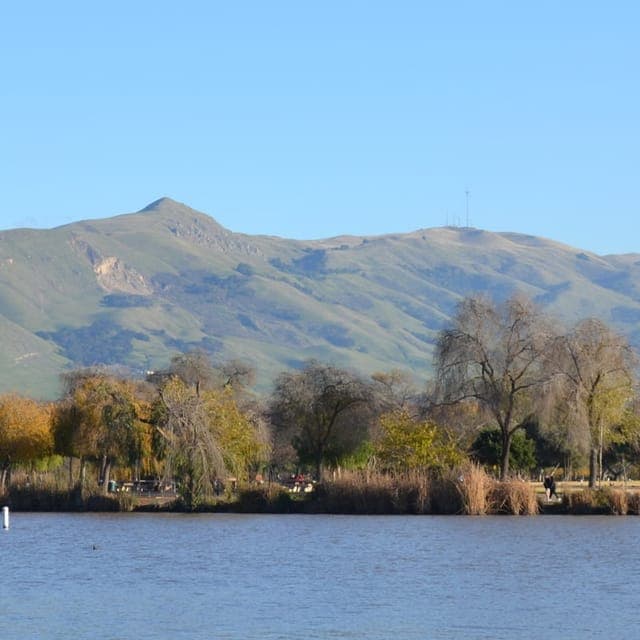
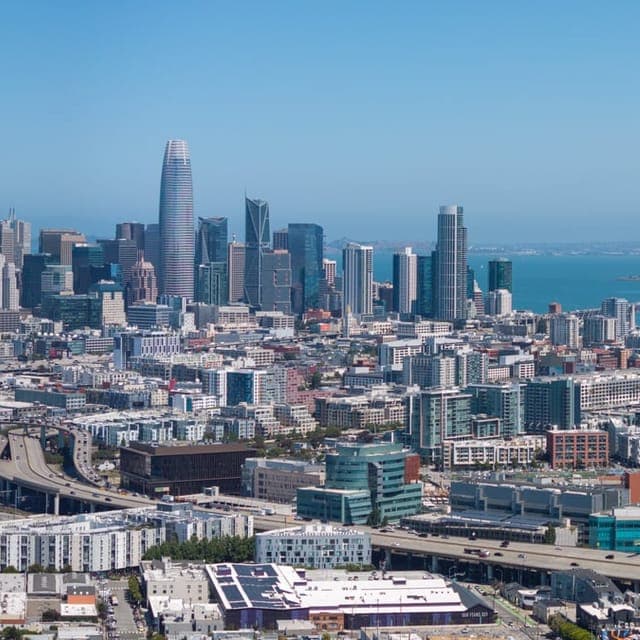
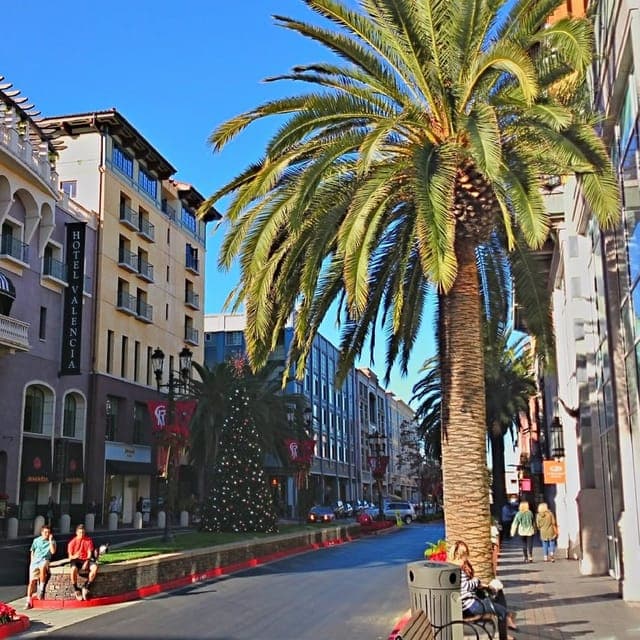
Similar mid-size cities to Oakland
* Values derived from national, state, county, city and local statistics and may differ in a specific area. Last updated: 2026-04-24T13:15:54.000Z
Narrative content on this page is AI-generated and may contain mistakes. Verify any details that matter before acting on them.
ReloMaps may earn a commission from affiliate links at no extra cost to you.

