Photo: Wikipedia
Quality of Life in Monterey County
A livable area that tracks near national norms for affordability, walkability, and neighborhood health.
What does Quality of Life tell us?
Quality of Life measures an area by evaluating factors like cost of living, nearby amenities, country club access, airport proximity, socioeconomic signals and neighborhood character. For large states, this is a general average — quality of life can vary dramatically between metro areas, suburbs, and rural communities within the same state.
What does this tell us?
Quality of Life measures an area by evaluating factors like cost of living, nearby amenities, country club access, airport proximity, socioeconomic signals and neighborhood character. For large states, this is a general average — quality of life can vary dramatically between metro areas, suburbs, and rural communities within the same state.
Cost of Living
106% above national average
53%
The Real Cost of Living in Monterey County for 2026
| Tier | Individual | Family (4) |
|---|---|---|
| Survival | $32k | $60k |
| Comfortable | $121k | $178k |
| Luxury | $171k+ | $265k+ |
| Elite (Top 5%) | $209k+ | $323k+ |
Quality-of-Life Analysis
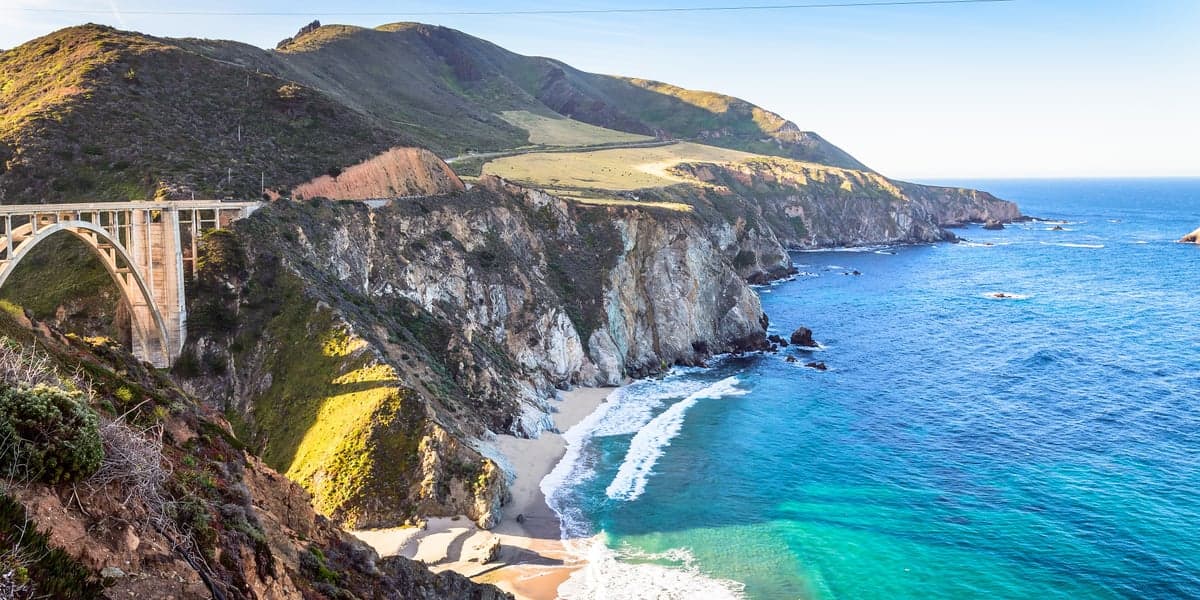
Monterey County offers a striking quality-of-life spectrum that spans the affluent coastal enclaves of the Monterey Peninsula to the agricultural inland valleys of Salinas and the rural backroads of Big Sur. The county draws everyone from tech-adjacent remote workers and retiree luxury buyers in Carmel-by-the-Sea to farmworker families and commuters in Soledad or Greenfield. With the county's cost-of-living index at 206 (more than double the U.S. average) and a median home value of $723,100, lifestyle options vary dramatically depending on whether a resident chooses the scenic coast or the more affordable inland corridor.
Largest town(s) & population centers
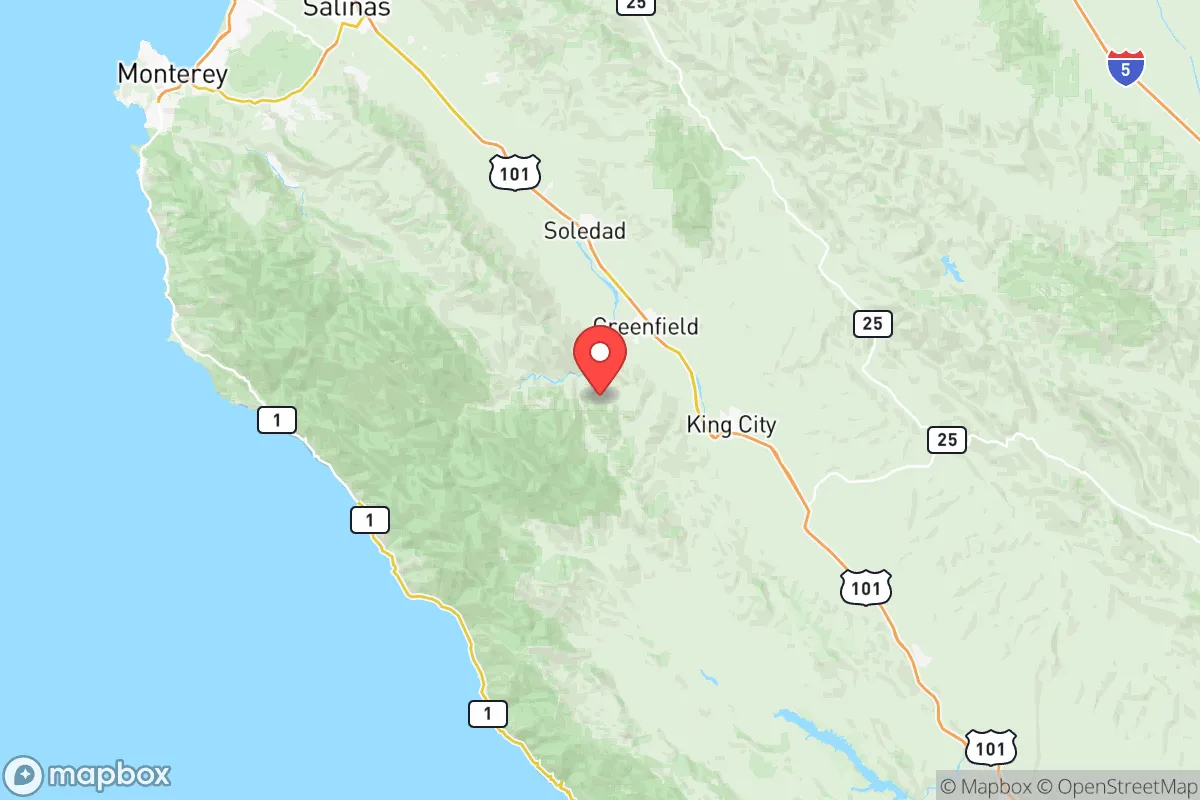
Salinas, the county seat and largest city (pop. ~155,000), anchors the inland economy with agriculture, government services, and Hartnell College. Daily life in Salinas is working-class and family-oriented, with a strong Latino cultural presence, accessible grocery and retail chains, and moderate commute times. Along the coast, Monterey (pop. ~28,000) is a tourism and marine science hub home to the Monterey Bay Aquarium, the Naval Postgraduate School, and Cannery Row. Life here is walkable in parts but expensive, with many residents working in hospitality, education, or remote jobs. Seaside and Marina (combined pop. ~52,000) lie on the former Fort Ord lands, offering more moderately priced housing stock and new subdivisions, plus quick access to Highway 1. Nearby Pacific Grove (pop. ~15,000) appeals to retirees and families who want a quiet, Victorian-era setting with butterflies and waterfront parks. Carmel-by-the-Sea (pop. ~3,200) is an ultra-upscale village known for its white-sand beach, art galleries, and strict zoning that bans chain restaurants — daily life here is slow-paced and expensive, focused on tourism and second-home ownership.
Smaller towns & rural pockets
Inland from the coast, the Salinas Valley yields a chain of small agricultural towns. Greenfield (pop. ~20,000), Soledad (pop. ~26,000), and Gonzales (pop. ~8,500) are dense, family-sized communities where many residents work in the region's $4-billion berry and lettuce industry. These towns have limited commercial amenities but offer lower rents and home prices than the coast. King City (pop. ~14,000), farther south in southern Monterey County, serves as a mini hub for South County residents, with a hospital and junior college. On the scenic side, Carmel Valley Village is a rural-urban mix of equestrian properties, vineyards, and a small commercial strip — popular with families who want acreage. Big Sur is a famously rugged unincorporated stretch of Highway 1 with fewer than 2,000 year-round residents, where daily life revolves around fire risk, infrastructure challenges, and spectacular isolation. Castroville, nicknamed the Artichoke Center of the World, is a small unincorporated community that feels like a working farm town wedged between Salinas and the coast.
Cost & lifestyle range
The cost spread across Monterey County is exceptionally wide. At the high end, Carmel-by-the-Sea and Pebble Beach command median home prices well above $2 million, with rental averages far above the county's median rent of $1,995. At the lower end, Greenfield and Soledad offer median home values near $500,000–$550,000, and per-square-foot costs roughly half of what they are on the Peninsula. The average commute county-wide is 25 minutes, but that figure jumps to 35–45 minutes for workers traveling from Soledad or King City into Salinas or Monterey for employment. Lifestyle also diverges sharply: a coastal resident pays a premium for beach access, mild temperatures, and high-end dining, while an inland resident gets more space, a slower pace, and closer proximity to farmland, but fewer entertainment and medical facilities.
Monterey County is best suited for people who value geographic diversity and are willing to trade off either money or convenience. Remote workers with coastal budgets, agricultural professionals, retirees seeking mild weather, and families who prioritize square footage over urban nightlife can all find a compatible niche, provided they accept the county's high baseline cost of living and the real differences between life on the Peninsula and life in the Valley.

Crime in Monterey County
WARNING: The crime statistics are unreliable for this jurisdiction. Local authorities have either not reported or under reported their data to the FBI. This could be due to bad intentions, incompetence or technical issues. Regardless, we suggest skepticism.
Higher crime rates than 72% of comparable U.S. locations.
Violent CrimeViolent Crime Analysis
Property CrimeProperty Crime Analysis
Crime Analysis
Monterey County presents a mixed safety picture: while its iconic coastal communities like Carmel-by-the-Sea and Pacific Grove rank among the safest in California, the agricultural hub of Salinas and inland cities such as King City and Greenfield drive the county’s crime totals well above national averages. With a violent crime rate of 434 per 100,000 residents and a property crime rate of 1,816.3 per 100,000, potential movers face significantly different risks depending on which part of the county they choose.
Crime in context
Monterey County’s violent crime rate (434 per 100K) sits slightly below California’s statewide average of approximately 447 per 100K but well above the national average of 380 per 100K. Property crime in the county (1,816.3 per 100K) falls below the California average of roughly 2,320 per 100K and also below the national average of 1,954 per 100K. This means the county is safer from property theft than much of the rest of California, but personal safety—from robbery, assault, and homicide—is an above-average concern. The disparity largely stems from the concentration of violent incidents in Salinas, which accounts for roughly half of the county’s population but a disproportionate share of its violent index crimes.
What residents experience
Property crime—theft from vehicles, burglary, and larceny—is the most common safety issue across Monterey County. Tourists and residents in coastal towns like Monterey and Seaside frequently report vehicle break-ins at popular lots and scenic overlooks. Inland communities such as Salinas, Soledad, and Gonzales face a higher prevalence of gang-related violence and drug‑fueled theft. Progressive prosecutorial policies in the county’s justice system have drawn scrutiny: Monterey County’s District Attorney has adopted diversion programs and reduced prison commitments for non-violent property offenders, which, while intended to lower recidivism, can result in short sentences that some residents argue embolden repeat property criminals. Violent crime, though less frequent, spikes in Salinas, where the rate surpasses 600 per 100K—nearly double the county average. By contrast, the Proactive Policing Unit in Carmel consistently keeps both violent and property crime there below 150 per 100K.
Local law enforcement regularly cites a shortage of patrol officers in unincorporated areas and a high volume of property calls in Seaside and Marina. Neighborhood watch programs in Pacific Grove and Del Rey Oaks have been particularly effective, with residents reporting near-zero major crime in 2025. However, the overall county picture remains that a newcomer is statistically most likely to face property crime rather than violent crime, especially if they live in the northern half of the county near the Bay Area commuter corridor.
Neighborhood-level variation is stark. The safest pockets are Carmel-by-the-Sea, Pacific Grove, and the gated communities of Pebble Beach, where violent crime is virtually unheard of. The most challenging areas include East Salinas, parts of Seaside near Fort Ord’s former barracks, and agricultural towns like Greenfield, where gang activity drives up aggravated assault numbers. For renters or buyers targeting the central coast, choosing a city with a strong local police presence and a conservative municipal culture is the strongest predictor of safety, while areas with larger transient populations and progressive alternations to sentencing often see theft and low-level violence persist.
* Values derived from national, state, county, city and local statistics and may differ in a specific area. Last updated: 2026-06-01T14:04:16.000Z
Narrative content on this page is AI-generated and may contain mistakes. Verify any details that matter before acting on them.
ReloMaps may earn a commission from affiliate links at no extra cost to you.

