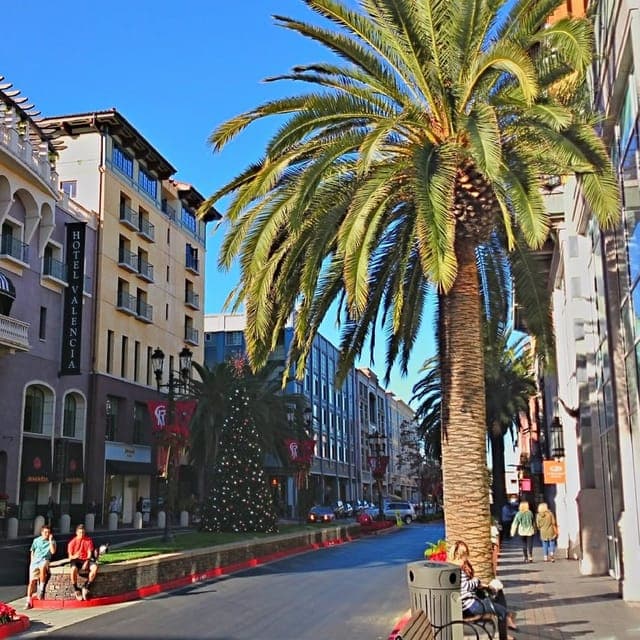
Photo: Wikipedia
Find The Best Places To Live in Santa Clara County
PRO TIP! You can paste a Zillow or Redfin link to get info on that property.
Best Places to Live in Santa Clara County
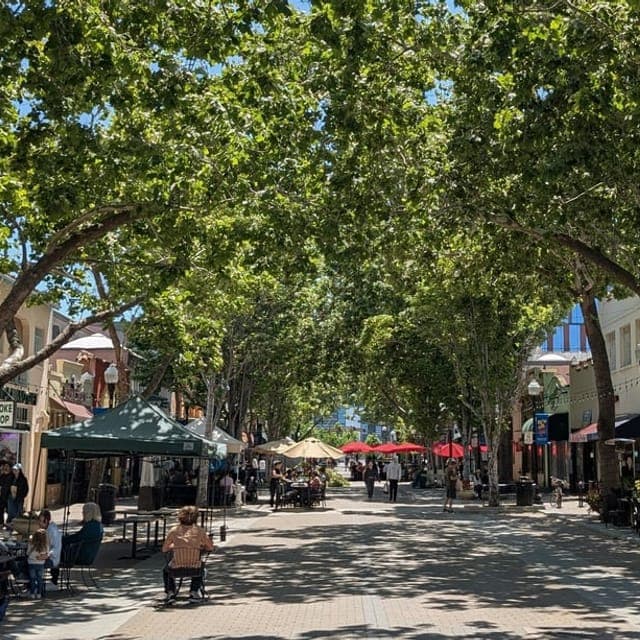
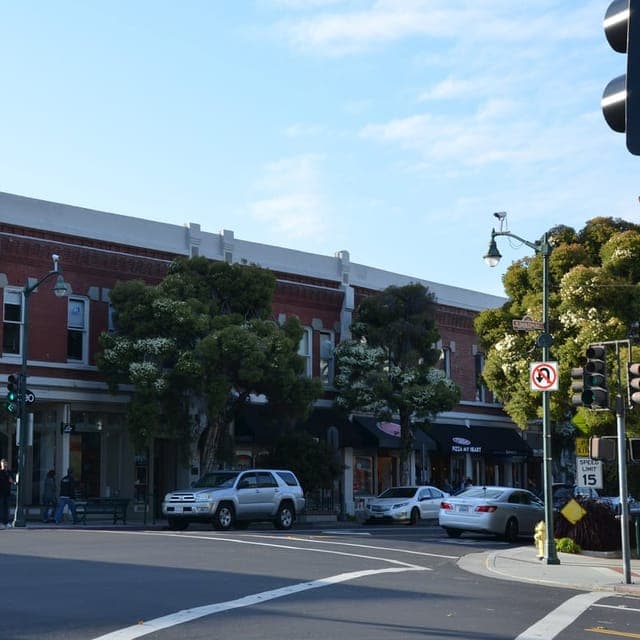
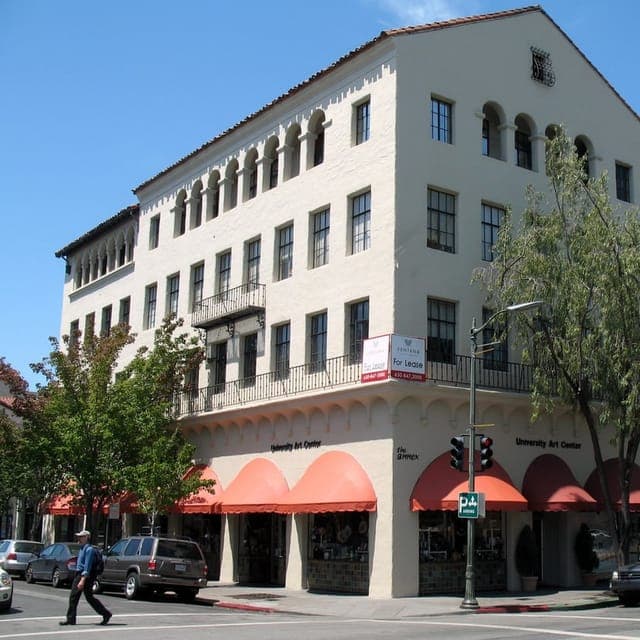
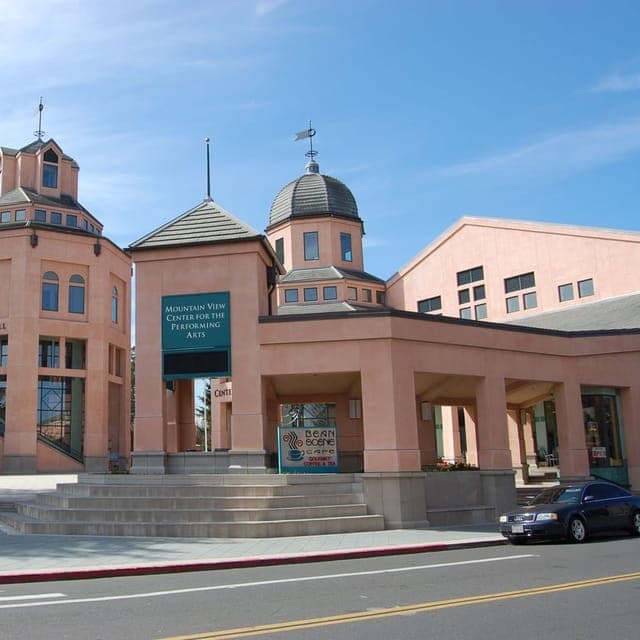
Cities & Towns in Santa Clara County
Cities in Santa Clara County
What It's Like Living in Santa Clara County, CA
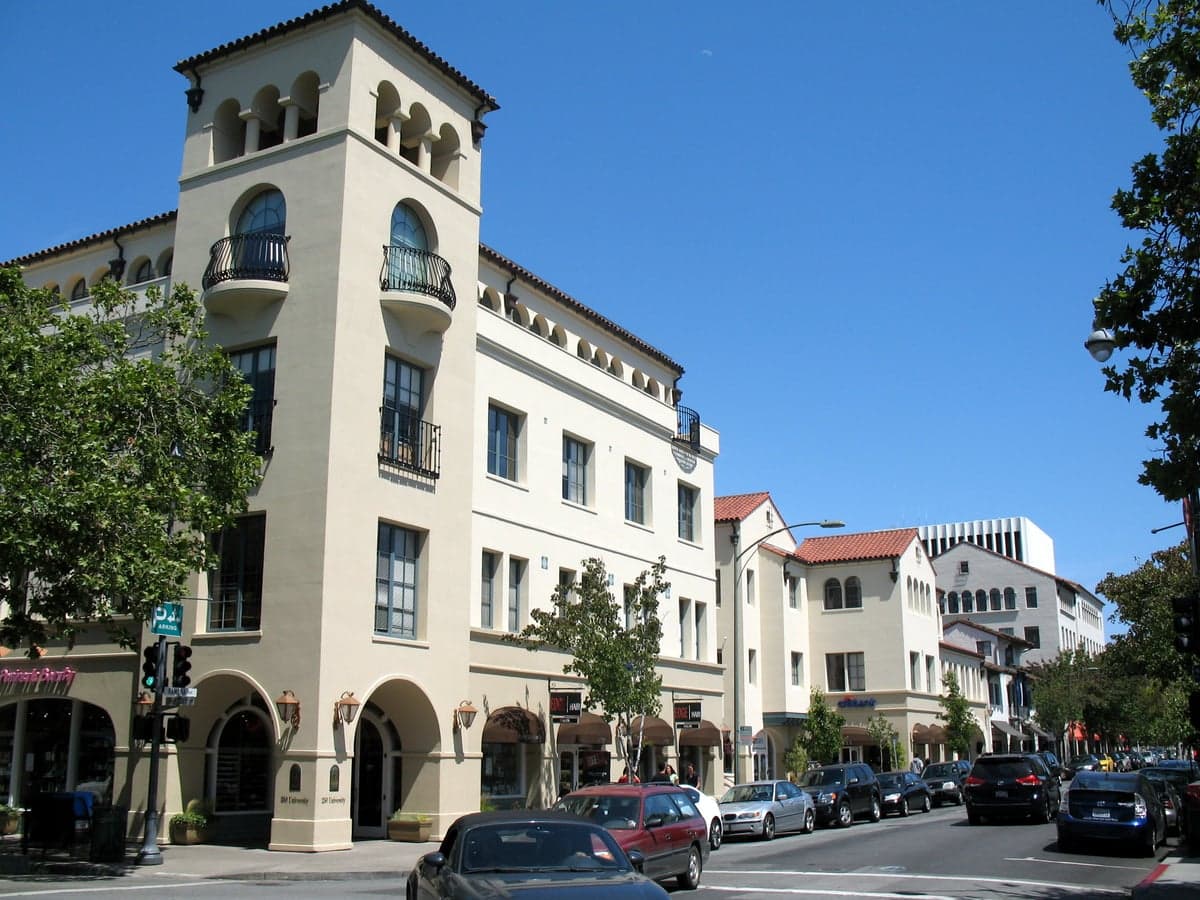
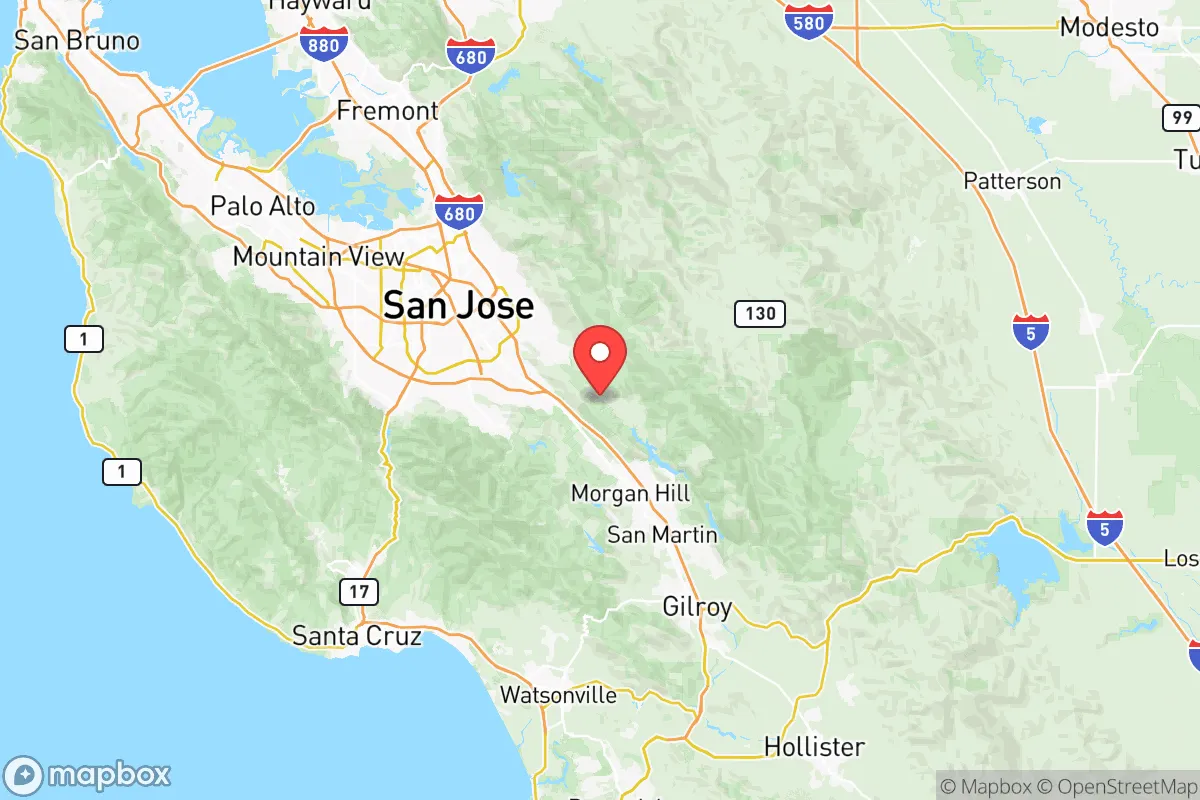
Living in Santa Clara County means waking up to a reality that’s equal parts tech-fueled ambition and California’s natural beauty. You’ll find everything from the bustling downtowns of San Jose and Palo Alto to the quiet, oak-dotted hills of Morgan Hill and the rural pockets near Gilroy. It’s a place where your neighbor might be a Google engineer, a farmer tending garlic fields, or a third-generation resident who remembers when orchards covered the valley floor. The county’s identity is shaped by its extremes: world-changing innovation, crushing housing costs, and a pace of life that can feel both exhilarating and exhausting.
The Daily Grind: Traffic, Commutes, and the Cost of Convenience
The average commute here clocks in at about 27 minutes, but anyone who’s sat on Highway 101 or Interstate 280 during rush hour knows that number can double in a heartbeat. In cities like Sunnyvale and Cupertino, the morning flow is a river of Teslas and Priuses heading toward the tech campuses of Apple, Google, and LinkedIn. For many, the workday bleeds into evenings—not because of a boss demanding overtime, but because the culture of “building things” is deeply ingrained. Weekends in Los Gatos or Saratoga often start with a hike at Castle Rock State Park or a bike ride along the Los Gatos Creek Trail, followed by brunch at a spot like The Table or Manresa Bread. The cost of living index sits at 341—more than three times the national average—so a $160,000 median household income doesn’t feel as lavish as it sounds. A typical home in the county runs about $1.38 million, which means even dual-income tech families often rent or carry hefty mortgages. The trade-off? You’re surrounded by some of the best public schools in the nation, from Palo Alto’s Gunn High to Cupertino’s Monta Vista, and parents treat school rankings like a competitive sport.
Sports, Festivals, and the Weekend Playbook
Sports fandom here is a layered affair. The San Jose Sharks draw passionate crowds at the SAP Center, and the San Jose Earthquakes (MLS) have a loyal but smaller following at PayPal Park. But the real energy often centers on high school football—Friday nights in Los Gatos or Palo Alto can feel like a community-wide event, with parents and local businesses packing the bleachers. College sports are less dominant, though San Jose State University’s Spartans have a solid fan base for basketball and football. Beyond the stadiums, the county’s entertainment scene is surprisingly rich for a tech hub. The annual Gilroy Garlic Festival (though paused in recent years) remains a beloved tradition, and the San Jose Jazz Festival fills downtown with live music every August. For outdoor enthusiasts, the Santa Cruz Mountains offer redwood hikes at Henry Cowell State Park, while the Coyote Creek Trail in Morgan Hill is a favorite for cycling and birdwatching. The county’s cultural quirks include a fierce pride in local farmers’ markets—the one in Campbell on Sundays is a ritual for many—and a collective obsession with the best pho or banh mi, reflecting the area’s large Vietnamese community.
Who Fits In—and Who Doesn’t
Santa Clara County is a magnet for people who are career-driven, educated (55.9% hold a bachelor’s or higher), and comfortable with a high-stakes, high-reward lifestyle. It suits single professionals in their late 20s to early 40s who see their job as a central part of their identity, as well as parents who prioritize school rankings and extracurriculars above all else. The median age of 37.9 reflects a population that’s settled enough to have families but young enough to still chase career moves. However, it can be a tough fit for retirees on fixed incomes, artists without tech backing, or anyone hoping for a slow, cheap pace of life. The violent crime rate of 434 per 100,000 is higher than the national average, and while most of that is concentrated in parts of San Jose (like East San Jose), it’s a concern that surfaces in neighborhood forums and Nextdoor posts. Longtime residents often gripe about the loss of open space to new developments, the relentless traffic on 85 and 237, and the feeling that the county has become a monoculture of tech workers. But they’ll also tell you they love the mild weather (no snow, no humidity), the proximity to both the ocean and the mountains, and the fact that you can grab world-class sushi in Mountain View and then be hiking in redwoods 20 minutes later. The pros and cons are deeply intertwined—the very things that make this place expensive and crowded are the same things that make it vibrant and opportunity-rich.

* Values derived from national, state, county, city and local statistics and may differ in a specific area. Last updated: 2026-05-15T23:37:34.000Z
Narrative content on this page is AI-generated and may contain mistakes. Verify any details that matter before acting on them.
ReloMaps may earn a commission from affiliate links at no extra cost to you.

