Photo: Wikipedia
Find The Best Places To Live
in San Jose
PRO TIP! You can paste a Zillow or Redfin link to get info on that property.
What It's Like Living in San Jose, CA
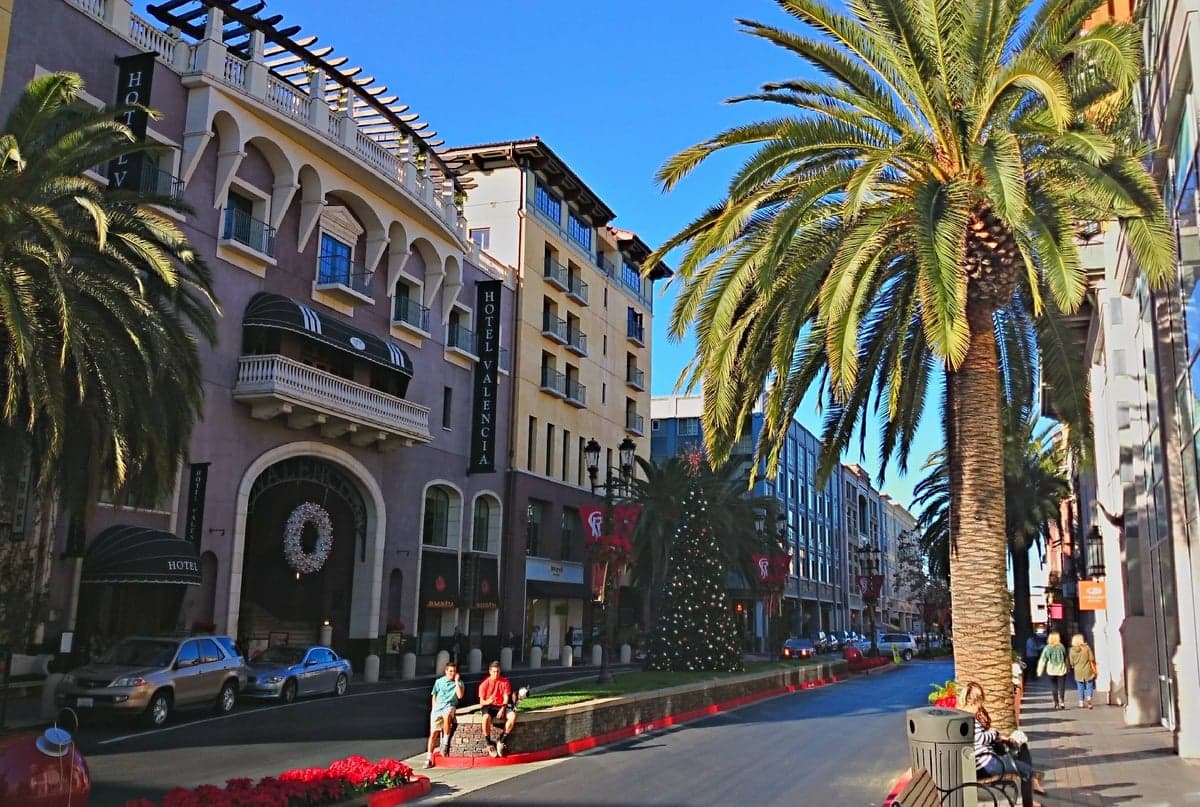
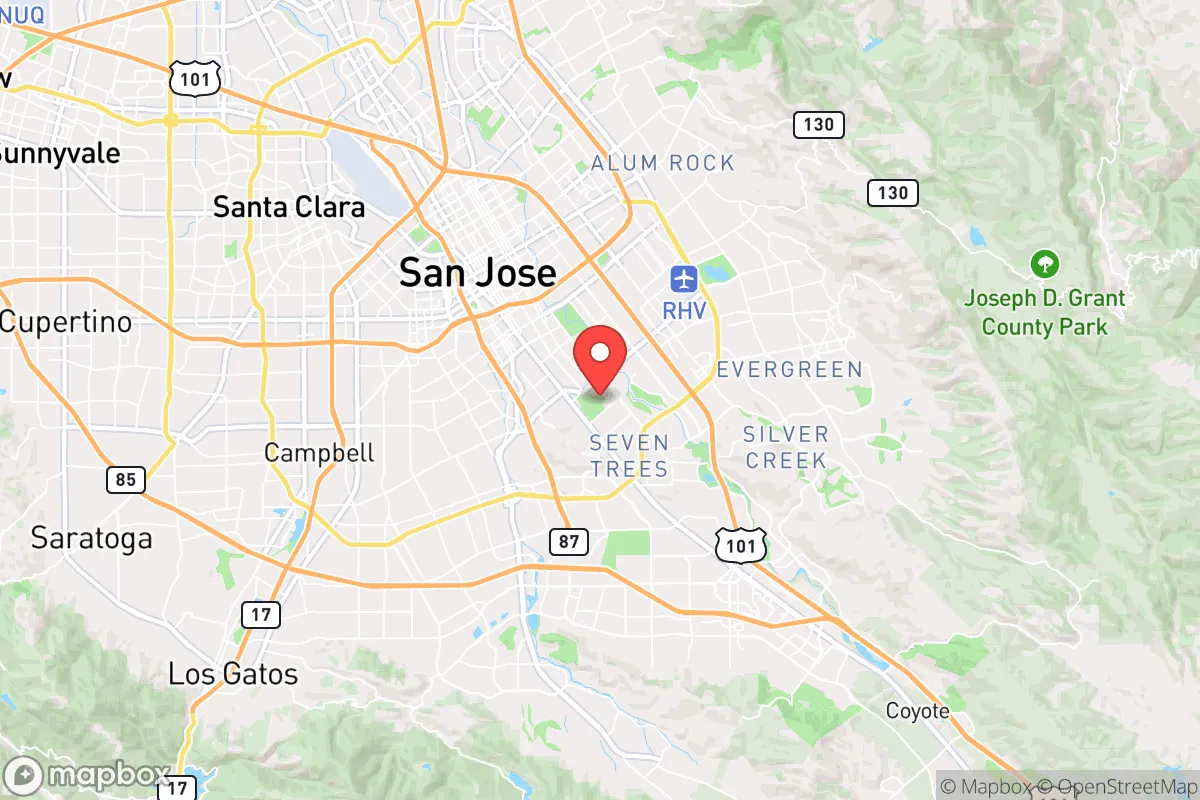
Living in San Jose feels less like the Silicon Valley of lore and more like a sprawling, sun-drenched collection of neighborhoods where tech money meets a surprisingly laid-back, family-first culture. It’s a city of 990,054 people that somehow manages to feel both ambitious and provincial—where your neighbor might be a Google engineer who spends weekends coaching youth soccer at a park that smells like eucalyptus and dry grass. The vibe is less “disrupt the world” and more “let’s find a decent parking spot near the farmers’ market.”
The Daily Rhythm: Traffic, Weather, and the Real Cost of Comfort
The average commute here is 28 minutes—which sounds reasonable until you realize that 28 minutes can mean 8 miles on the 101 or 280 during rush hour. Most locals plan their lives around the 10 a.m. to 3 p.m. sweet spot when the freeways actually move. The weather is the city’s quiet superpower: 300 days of sunshine a year, with summer highs rarely cracking 85°F and winter lows that hover around 40°F. You’ll see people in fleece jackets when it dips below 60. The seasonal rhythm is subtle—spring brings apricot blossoms in the old orchards near Evergreen, and autumn means the Santa Ana winds kick up, making the hills look like they’re on fire (they’re not, but everyone checks the Watch Duty app anyway).
The median home value sits at $1,187,800, and the cost of living index is 304—meaning a $3,000 one-bedroom apartment is normal, not luxury. Median household income is $141,565, which sounds high until you do the math on a mortgage. Most families in West San Jose or Willow Glen are dual-income tech workers or small business owners who’ve been here since the 90s. The kind of person who fits in here is someone who values stability, good schools, and proximity to nature over nightlife or urban grit. You’ll see a lot of Subaru Outbacks, Patagonia vests, and kids in after-school coding camps.
Sports, Community, and the Things That Actually Bring People Together
San Jose is a hockey town first—the San Jose Sharks have a devoted, almost cult-like following that fills the SAP Center even during rebuilding years. Game nights mean downtown is packed with teal jerseys, and the atmosphere at The Old Wagon Saloon or Poor House Bistro before a game is genuinely electric. The San Jose Earthquakes (MLS) draw solid crowds at PayPal Park, but the vibe is more family picnic than rowdy supporter section. High school sports are a bigger deal here than in most California cities: Valley Christian, Bellarmine, and Archbishop Mitty routinely produce D1 athletes, and Friday night football games in the fall are community events where parents actually know each other’s names.
The city’s cultural identity is shaped by its Vietnamese and Mexican communities. The annual Tet Festival at History Park draws 20,000 people, and the Dia de los Muertos celebration at the Mexican Heritage Plaza is a genuine, non-touristy affair. Locals will argue endlessly about the best pho (try Phở Kim Long on Story Road) or the best burrito (Ibarra’s on King Road is a contender). The weekend rhythm for most families involves a Saturday morning trip to the Santana Row farmers’ market, followed by a hike at Alum Rock Park or a bike ride along the Guadalupe River Trail. Sunday is for Costco runs and catching a matinee at the 3Below Theaters & Lounge, a quirky venue that does live comedy and indie films.
What Frustrates Even the Most Loyal Residents
The honest pros and cons are hard to separate. On the plus side: the schools are genuinely excellent—the Cupertino Union and San Jose Unified districts are among the best in the state, and the community invests heavily in them. The parks system is underrated: over 200 parks, from the massive Alum Rock Park (with its mineral springs and wild turkeys) to tiny neighborhood pocket parks like Ryland Park. The food scene is diverse and affordable—you can eat world-class dim sum, tacos al pastor, and banh mi all in one afternoon for under $40.
On the downside: violent crime rate is 504.3 per 100K, which is higher than the national average and concentrated in specific areas like East San Jose and parts of downtown. Property crime—especially car break-ins and package theft—is a constant annoyance. Traffic has gotten worse every year since 2015, and the planned BART extension to downtown keeps getting delayed. The biggest frustration for longtime residents is the loss of the “old San Jose”—the orchards, the dive bars, the sense that the city had its own identity separate from San Francisco. Downtown still struggles to find a consistent vibe; it’s not dead, but it’s not thriving either. The cultural quirk that surprises newcomers: people here actually like living in San Jose. They don’t dream of moving to the city. They’re content with their backyard, their grill, and their 28-minute commute.

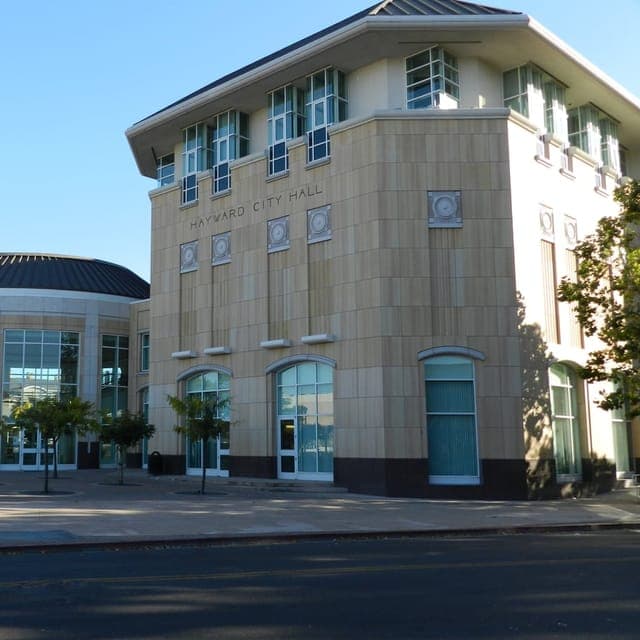
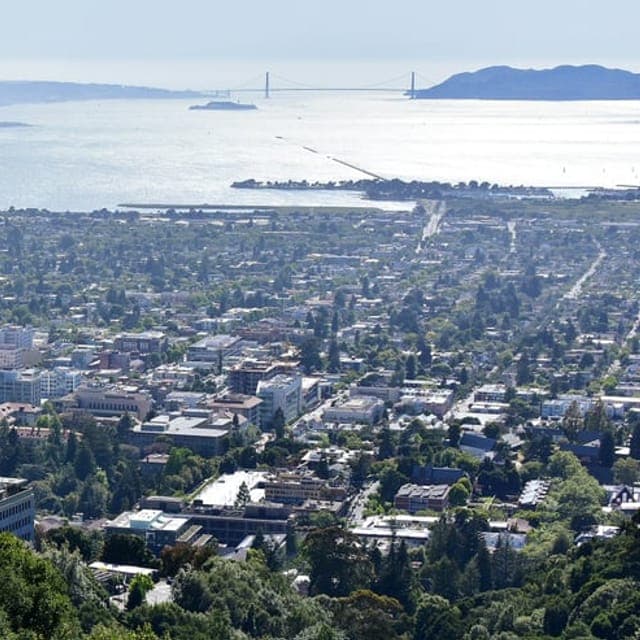
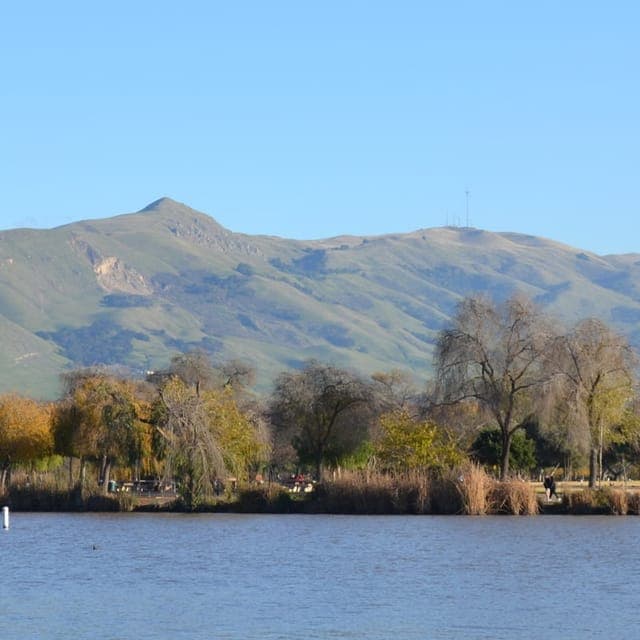
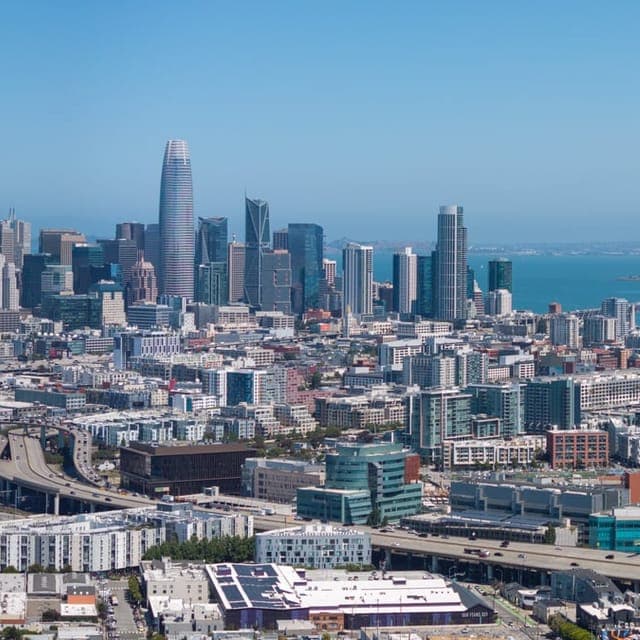
Similar mid-size cities to San Jose
* Values derived from national, state, county, city and local statistics and may differ in a specific area. Last updated: 2026-04-24T06:53:40.000Z
Narrative content on this page is AI-generated and may contain mistakes. Verify any details that matter before acting on them.
ReloMaps may earn a commission from affiliate links at no extra cost to you.

