 Popular
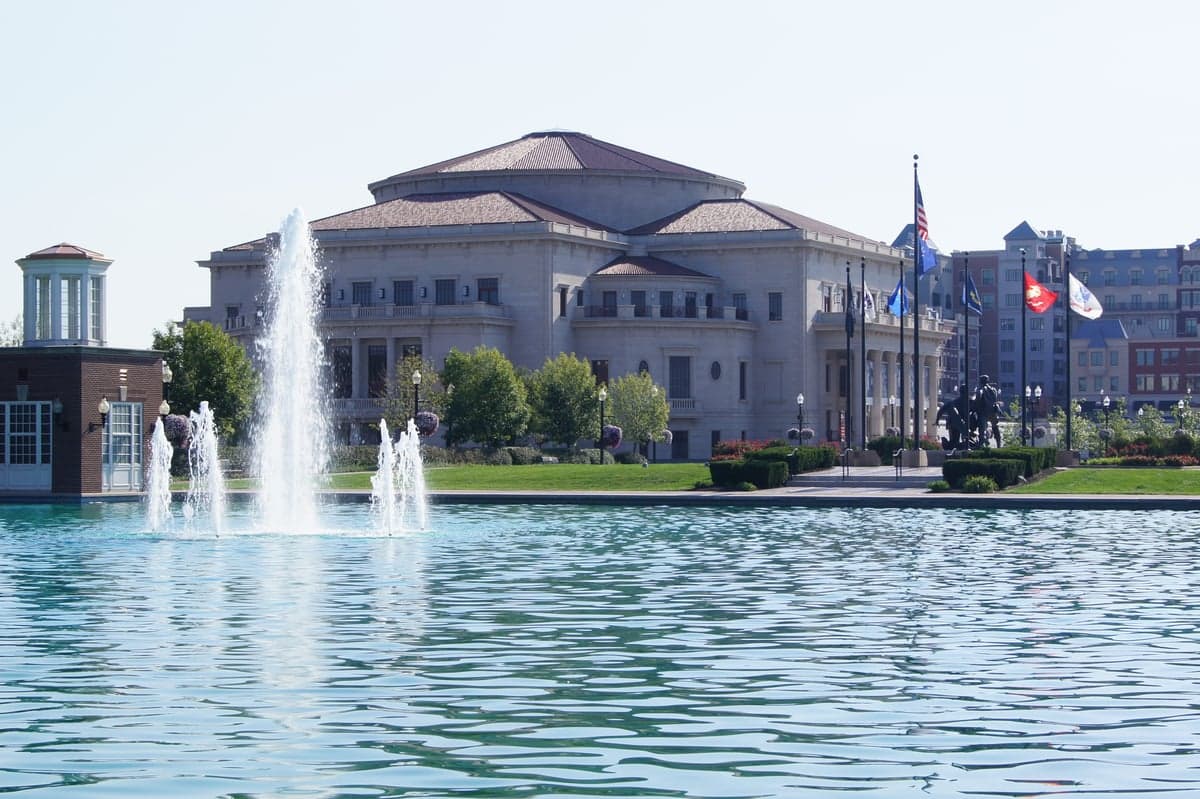
Photo: Wikipedia
Quality of Life in Carmel, IN
A high quality of life with strong walkability, manageable living costs, healthy neighborhood signals, and solid amenity access.
What does Quality of Life tell us?
Quality of Life blends cost of living, nearby amenities, socioeconomic signals, and neighborhood character. City-level scores represent the whole municipality; individual neighborhoods can differ.
What does this tell us?
Quality of Life blends cost of living, nearby amenities, socioeconomic signals, and neighborhood character. City-level scores represent the whole municipality; individual neighborhoods can differ.
Cost of Living
48% above national average
The Real Cost of Living in Carmel, IN for 2026
| Tier | Individual | Family (4) |
|---|---|---|
| Survival | $26k | $48k |
| Comfortable | $88k | $130k |
| Luxury | $243k+ | $377k+ |
| Elite (Top 5%) | $300k+ | $465k+ |
103%
The Area Signal
A metric tracking the socioeconomic signals of the area.


Hobbies
Explore the areaGroceries
10 within 10 miles
Gas
20 within 10 miles
Hospital
3 within 20 miles
Airport
Indianapolis International Airport
Post Office
USPS — Carmel, IN
Critical Amenities
Quality-of-Life Analysis
Carmel, Indiana, is a high-income suburb of Indianapolis defined by its master-planned design, top-ranked public schools, and a population that skews heavily toward affluent professionals and families. With a cost-of-living index of 148 (100 = U.S. average), Carmel is significantly more expensive than the national norm, but the trade-off is a consistently high quality of life that attracts executives, physicians, and tech workers from across the Midwest. The city’s median household income exceeds $120,000, and its residents are among the most educated in the state, with over 65% holding a bachelor’s degree or higher.
Cost of living, housing costs, and how Carmel compares to nearby cities
Carmel’s cost-of-living index of 148 is roughly 48% above the national average, driven almost entirely by housing. The median home value sits at $455,500, more than double the Indiana state median of roughly $200,000 and significantly higher than neighboring Fishers ($410,000) or Zionsville ($480,000). Renters face a median rent of $1,607 per month, which is about 30% higher than the Indianapolis metro average. While these figures are steep for Indiana, they remain below comparable affluent suburbs in the Chicago or Washington, D.C., areas. Property taxes in Hamilton County average around 1.1% of assessed value, which is moderate by national standards. The average commute time of 24.97 minutes is slightly above the national average of 26 minutes, but most residents drive to jobs in Carmel itself, downtown Indianapolis (25–30 minutes via I-465 or U.S. 31), or the growing tech corridor along the Meridian Street corridor. For buyers, the premium over Fishers or Noblesville is largely justified by Carmel’s walkable downtown, extensive trail network, and school system consistently ranked among Indiana’s top three.
What daily life is like for families: amenities, schools, and recreation
Daily life in Carmel revolves around its nationally recognized school system, Carmel Clay Schools, which serves roughly 16,000 students and regularly earns A+ ratings from Niche and GreatSchools. The district’s graduation rate exceeds 97%, and its average SAT scores top 1250, placing it in the top 5% of Indiana districts. Beyond academics, the city is built around a dense network of amenities: the 200-acre Carmel Arts & Design District hosts galleries, boutique shops, and the Palladium concert hall, while the 60-mile Monon Trail runs through the city center, connecting neighborhoods to parks, schools, and the downtown Carmel City Center. Families use the trail for biking, running, and commuting to the Carmel Farmers Market (April–October). The city also operates 12 public parks, two aquatic centers, and a 50,000-square-foot recreation center. Restaurants and coffee shops cluster along Main Street and Rangeline Road, with national chains balanced by local spots like Bub’s Burgers & Ice Cream and Union Brewing Company. Crime rates are well below both state and national averages; Carmel’s violent crime rate is roughly 0.8 per 1,000 residents, compared to the U.S. average of 4.0.
Carmel is best suited for families and professionals who prioritize top-tier public schools, low crime, and a walkable suburban environment, and who can afford the housing premium. Empty-nesters and retirees also find the city appealing due to its active adult programs, medical access via IU Health North Hospital, and proximity to Indianapolis cultural institutions. However, singles and young renters on a median income may struggle with the high rent-to-income ratio, and the city’s homogeneous, family-oriented character can feel quiet for those seeking nightlife or urban diversity. For buyers and renters who value safety, education, and recreation above all else, Carmel remains one of the Midwest’s most consistent high-quality-of-life choices.

Crime in Carmel, IN
Lower crime rates than 91% of comparable U.S. locations.
Violent CrimeViolent Crime Analysis
Property CrimeProperty Crime Analysis
Crime Analysis
Carmel, Indiana, is one of the safest cities of its size in the United States, with violent crime rates that are a fraction of both the state and national averages. The city recorded a violent crime rate of just 49.7 incidents per 100,000 residents in the most recent reporting period, compared to the Indiana state average of roughly 350 per 100,000 and the U.S. average of approximately 380 per 100,000. Property crime in Carmel stands at 678.1 per 100,000, which is notably lower than the national median of around 1,950 per 100,000, though it is closer to the state average due to property crime being more prevalent across Indiana’s suburban corridors.
Crime in context
Carmel’s crime statistics place it among the safest municipalities in the Midwest, a standing reinforced by its consistently low rankings in violent offenses such as homicide, robbery, and aggravated assault. The city’s violent crime rate is roughly 87% lower than the national average, while its property crime rate is about 65% lower. This performance is particularly strong when compared to larger metropolitan areas like Indianapolis, which reported a violent crime rate of approximately 1,200 per 100,000 in the same period. However, readers should note that Carmel sits within the broader Indianapolis-Carmel-Anderson metropolitan area, which has experienced challenges related to progressive criminal justice policies in the urban core. While Carmel itself maintains a conservative-leaning local government and a well-funded police department, the proximity to a large metro area with liberal judges and district attorneys in Marion County can create spillover effects, as offenders from higher-crime jurisdictions may travel into suburban areas. This dynamic warrants attention for anyone evaluating long-term safety trends.
What residents experience
For daily life in Carmel, the low violent crime rate means that incidents like muggings, carjackings, or random assaults are extremely rare. The most common property crime is theft from vehicles, often occurring in commercial parking lots or near trailheads, with larceny-theft making up the bulk of the 678.1 rate. Burglary rates are also well below the national average, reflecting the city’s high homeownership and active neighborhood watch programs. Residents consistently report feeling safe walking alone at night in the Arts & Design District and along the Monon Trail, though standard precautions like locking car doors and securing bicycles are still recommended. The Carmel Police Department maintains a proactive community policing model, with officers regularly attending neighborhood meetings and school events, which further reinforces public trust.
Neighborhood-level variation in Carmel is minimal compared to larger cities, but some patterns exist. The area around U.S. 31 and 116th Street, which has a higher concentration of retail and apartment complexes, sees slightly elevated property crime reports. In contrast, the older, tree-lined neighborhoods west of Keystone Parkway and the newer developments near the Hamilton County line consistently report near-zero violent crime. The city’s overall safety profile is strong, but the influence of the surrounding metro area’s progressive justice policies—which can lead to reduced incarceration rates and faster release of repeat offenders—means that Carmel’s low crime numbers are not immune to regional pressures. Prospective residents should weigh this metro-area context alongside the city’s excellent local policing when making relocation decisions.
* Values derived from national, state, county, city and local statistics and may differ in a specific area. Last updated: 2026-04-14T21:55:05.000Z
Narrative content on this page is AI-generated and may contain mistakes. Verify any details that matter before acting on them.
ReloMaps may earn a commission from affiliate links at no extra cost to you.

