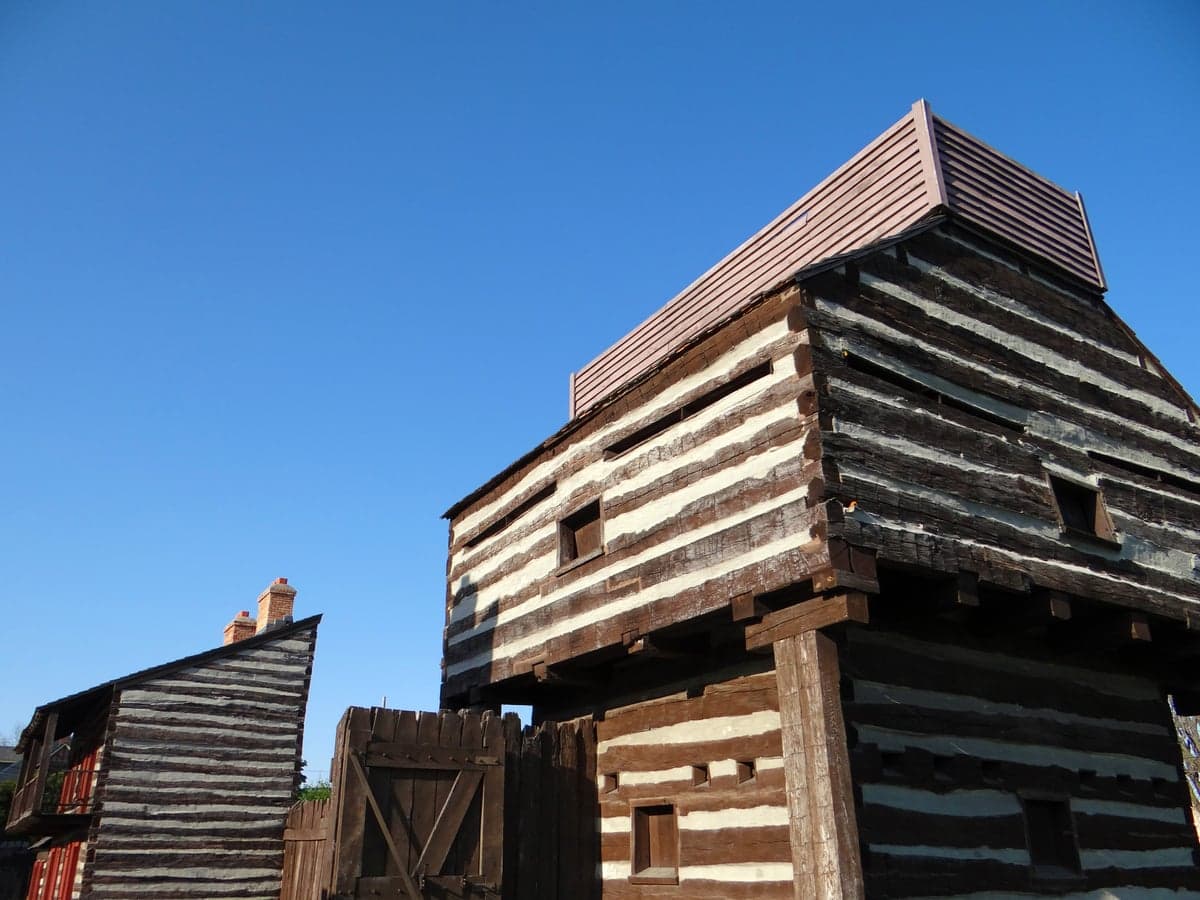
Photo: Wikipedia
Find The Best Places To Live
in Fort Wayne
PRO TIP! You can paste a Zillow or Redfin link to get info on that property.
What It's Like Living in Fort Wayne, IN
Fort Wayne has a way of sneaking up on you. It’s not a city that shouts from billboards or tries to be something it’s not. Instead, it’s a place where the pace feels deliberate, where you can still buy a house for under $170,000, and where your neighbors might have grown up three blocks away. With a population just over 266,000, it’s big enough to have real city amenities but small enough that you’ll start recognizing faces at the grocery store within a year. The vibe here is less “hustle” and more “steady”—a blue-collar backbone with a growing white-collar layer, and a surprising amount of pride in what’s local.
Daily Rhythm: What People Actually Do
Most days in Fort Wayne move at a comfortable clip. The average commute is just over 21 minutes, which means you can live in a quiet neighborhood with a yard and still get to work downtown in the time it takes to finish a podcast. People here shop at the local Kroger or Meijer, grab coffee at Old Crown Coffee Roasters or Conjure Coffee, and eat dinner at places like The Hoppy Gnome (known for its beer cheese soup) or Cebolla’s for Mexican. Weekends often revolve around the Parkview Field complex—home of the TinCaps, the Single-A affiliate of the San Diego Padres—or a trip to the Fort Wayne Farmers Market at Parkview Field in the summer. The city’s median age is 35, which skews family-oriented, but there’s a solid pocket of young professionals and empty-nesters too. The median household income sits around $60,293, which goes further here than in most places thanks to a cost of living index of 74—well below the national average.
Sports, Community, and the Local Identity
Sports are a bigger deal here than the city’s size would suggest. High school basketball is genuinely followed—Snider, North Side, and Homestead draw crowds that rival small college games. On the college side, Purdue Fort Wayne (PFW) Mastodons play Division I basketball, and the games have a loyal, if not packed, following. But the real heartbeat is the TinCaps. A summer night at Parkview Field is the closest thing Fort Wayne has to a civic ritual: cheap tickets, local craft beer from Hop River Brewing or Summit City Brewerks, and kids running the bases after the game. The Komets, the city’s ECHL hockey team, also have a die-hard fanbase that fills the Memorial Coliseum. If you’re the kind of person who likes to feel connected to a team without paying pro-sports prices, this is your town.
There’s also a quiet but real cultural identity here. Fort Wayne calls itself the “Summit City” (it sits at the highest point of the Wabash and Maumee rivers), and locals are proud of its industrial history—General Motors, Lincoln Financial, and Parkview Health are major employers. The city has a noticeable German Catholic heritage, visible in the Germanfest festival every June and the number of churches with steeples that still anchor neighborhoods. It’s not a flashy place, but it’s earnest. People wave. They hold doors. It’s the kind of town where a “thank you” is expected and a complaint about traffic will get you a sympathetic nod, not a rant.
What’s There to Do (and What’s Missing)
Entertainment here is more about doing than spectating. The Rivergreenway trail system runs over 25 miles along the rivers, and you’ll see cyclists, runners, and families with strollers on it year-round. Franke Park has the Fort Wayne Children’s Zoo, which is consistently ranked among the best in the country—a genuine point of pride. For music, The Clyde Theatre and Piere’s bring in national acts, while Foellinger Theatre hosts summer concerts in a beautiful outdoor amphitheater. The Three Rivers Festival in July is a nine-day block party with parades, food vendors, and a midway. If you’re into history, the Fort Wayne Museum of Art and the History Center are solid, but don’t expect world-class collections.
What’s missing? A truly walkable downtown core. While the Electric Works development (a massive redevelopment of the old GE campus) is adding apartments, offices, and retail, the city is still car-dependent. Nightlife is decent but not vibrant—there are good breweries and a few cocktail bars like The Oyster Bar, but if you’re looking for a club scene, you’ll be disappointed. Also, the weather is real: winters are gray and cold, with lake-effect snow that can pile up fast. Summers are humid but pleasant. Spring and fall are gorgeous but short. The seasonal rhythm is something you learn to work with, not against.
Pros and Cons of Living Here
- Pro: Affordability. A median home value of $169,700 means a family can buy a three-bedroom house on a single income. Rent is similarly reasonable.
- Pro: Low stress. Traffic is almost never bad. You can get from one side of town to the other in 25 minutes. The commute average of 21 minutes is real, not a statistic.
- Pro: Community feel. Schools are a central part of life—Fort Wayne Community Schools and the surrounding districts like Northwest Allen County are well-regarded, and school events are well-attended.
- Con: Limited career diversity. The economy is strong in healthcare, manufacturing, and insurance, but if you’re in tech, media, or finance at a high level, you may need to remote-work or commute to Indianapolis (2 hours south).
- Con: Crime is present. The violent crime rate is 274.8 per 100,000—above the national average. It’s concentrated in certain neighborhoods, but it’s not something to ignore. Property crime is more common.
- Con: Cultural isolation. Fort Wayne is 28.5% college-educated, which is below the national average. If you’re used to a city with a lot of intellectual or artistic energy, you might find the social scene a bit flat.
In the end, Fort Wayne is a trade-off city. You trade some excitement and career opportunity for stability, space, and a lower cost of living. It’s a great fit for someone who wants to raise a family without feeling like they’re constantly behind, or for a single person who values a quiet life with a solid social circle over a constant calendar of events. It’s not for everyone—but for the people it fits, it fits well.

Similar mid-size cities to Fort Wayne
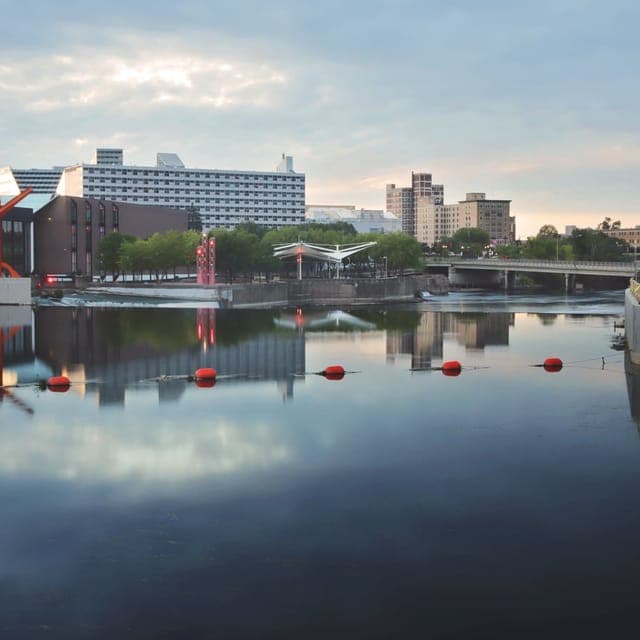
* Values derived from national, state, county, city and local statistics and may differ in a specific area. Last updated: 2026-04-22T07:25:32.000Z
Narrative content on this page is AI-generated and may contain mistakes. Verify any details that matter before acting on them.
ReloMaps may earn a commission from affiliate links at no extra cost to you.

