 Popular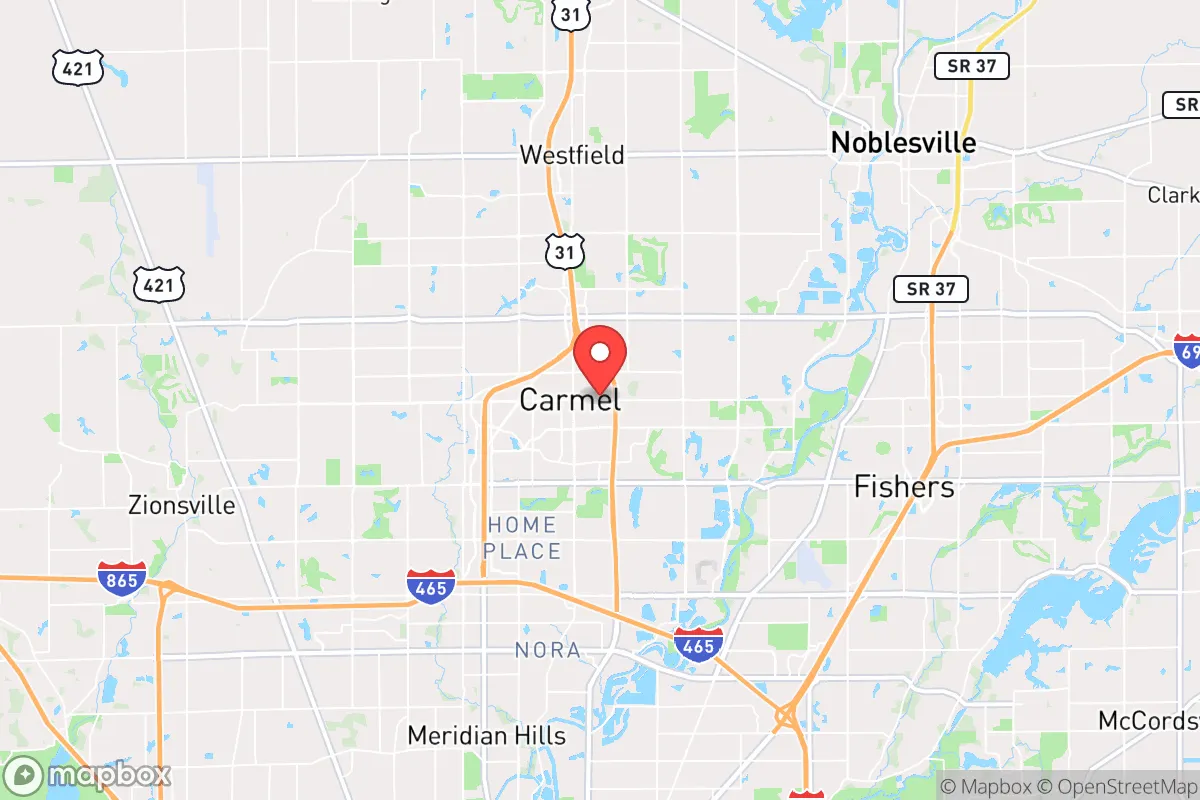
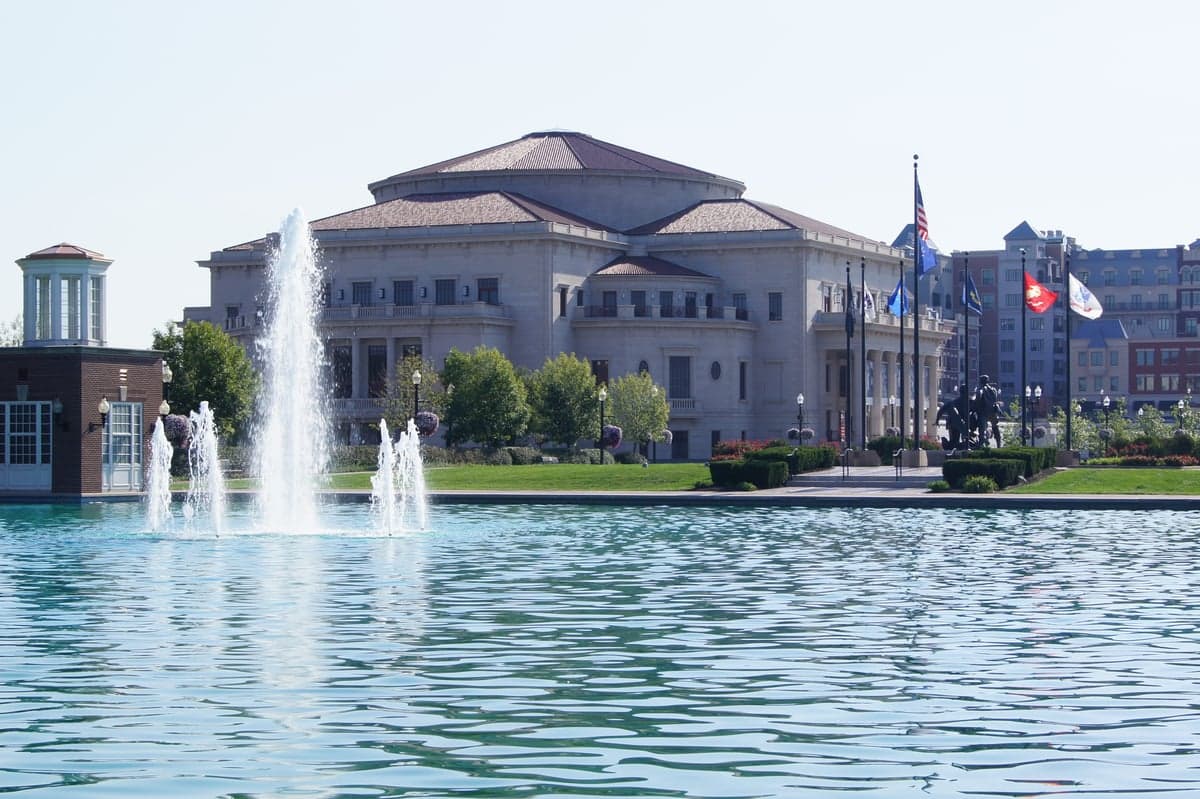
Photo: Wikipedia
Political ClimatePolitical Climate in Carmel, IN
District shown is the primary district for this city’s centroid. Cities may span multiple districts.
Local Political AnalysisPolitical Analysis of Carmel, IN
Carmel, Indiana, has long been a solidly conservative stronghold, with a Cook PVI of R+8 that reflects its deep-rooted Republican lean. But if you’ve lived here as long as I have, you’ve watched that political identity get tested in real time. The city’s leadership has historically championed low taxes, strong property rights, and a business-friendly environment—values that still define the local GOP machine. However, over the past five to ten years, there’s been a noticeable creep of progressive influence, especially in the city’s planning and cultural initiatives. It’s not a blue wave by any stretch, but the undercurrent is there, and it’s worth keeping an eye on.
How it compares
When you stack Carmel against its neighbors, the political contrast is stark. Head south to Indianapolis, and you’re in a deep-blue urban hub where government overreach—think mask mandates, business closures, and heavy-handed zoning—has become the norm. Drive north to Westfield or Noblesville, and you’ll find communities that still hold the line on fiscal conservatism and personal liberty, with a more skeptical eye on federal and state overreach. Carmel sits in the middle, geographically and ideologically. It’s not as red as Zionsville, where the county GOP is practically a social club, but it’s nowhere near as blue as Broad Ripple. The real tension here is internal: the old guard, who remember when Carmel was a sleepy farm town, versus the newcomers—many from blue states—who bring a more progressive mindset on issues like housing density, public art funding, and diversity initiatives. That shift is subtle, but it’s real, and it’s changing the political conversation.
What this means for residents
For the average Carmelite, the political climate translates directly into daily life—and not always in a good way. On the plus side, property taxes remain relatively low compared to Hamilton County’s average, and the city’s infrastructure is top-notch. But the creeping progressive agenda shows up in places you might not expect. The city council has pushed for more “inclusive” housing policies, which sound nice but often mean zoning changes that can infringe on property rights. There’s also been a quiet push for more government-funded social programs, which inevitably means higher taxes down the road. If you value personal freedom—the right to run your business without endless red tape, or to send your kids to a school that reflects your values—you’ll want to stay engaged. The local school board, for instance, has seen heated battles over curriculum transparency and parental rights, a sign that the culture war has arrived in Carmel. It’s not a crisis yet, but it’s a warning shot.
Culturally, Carmel still feels like a safe, family-oriented place, but the policy distinctions are becoming sharper. The city’s embrace of roundabouts and bike lanes is fine, but the push for “complete streets” and transit-oriented development feels like a nod to urbanist ideology that prioritizes government planning over individual choice. The biggest red flag? The increasing willingness of local leaders to accept federal grants with strings attached—money that comes with mandates on everything from housing to environmental policy. If you’re a long-time resident like me, you remember when Carmel prided itself on doing things its own way. That independence is fading, replaced by a cautious alignment with state and national progressive trends. The next few election cycles will tell us whether Carmel stays true to its conservative roots or drifts further into the kind of government overreach that has hollowed out so many other American suburbs.

State Political ClimatePolitical Climate in Indiana
State Political AnalysisPolitical Environment in the State
Indiana has been a reliably Republican state for decades, but don’t let that fool you into thinking it’s a monolith. The GOP holds a supermajority in both chambers of the state legislature and has won every presidential election here since 2008 except for Barack Obama’s narrow 2008 victory, which was an outlier driven by the financial crisis and a popular local senator. Over the past 20 years, the state has shifted rightward on cultural and economic issues, but the margins have tightened in suburban areas as national trends seep in. The dominant coalition is a mix of rural conservatives, suburban moderates, and a growing number of working-class voters who’ve drifted from the Democratic Party, but the real story is the urban-rural split that defines every election cycle.
Urban vs. rural divide
The political map of Indiana is a textbook case of the urban-rural chasm. Indianapolis (Marion County) is the Democratic stronghold, consistently voting blue by double digits, but it’s surrounded by a ring of red suburbs like Hamilton County (Carmel, Fishers, Noblesville) that are among the most Republican in the nation. Lake County in the northwest corner, part of the Chicago metro area, is another Democratic bastion, driven by union-heavy industrial towns like Gary and Hammond. Meanwhile, the rest of the state is deeply red. Fort Wayne (Allen County) and Evansville (Vanderburgh County) lean Republican but have competitive pockets, while Bloomington (Monroe County) is a blue island thanks to Indiana University. The rural counties—think Pulaski, Jasper, or Switzerland—routinely vote 75-80% Republican. What’s shifted in the last decade is the suburbs: places like Hamilton County saw Trump’s margins shrink from +30 in 2016 to +20 in 2020, as college-educated voters grew uneasy with the national GOP’s tone. But the rural vote has only hardened, keeping the state safely red.
Policy environment
Indiana’s policy environment is broadly conservative, but with some pragmatic wrinkles. The state has a flat income tax rate of 3.05% (down from 3.23% in 2023, with a scheduled phase-down to 2.9% by 2027), and no inheritance or estate tax. Property taxes are capped at 1% of assessed value for owner-occupied homes, which keeps housing affordable. The regulatory posture is business-friendly: Indiana is a right-to-work state (though that law was repealed in 2025 after a union-backed ballot initiative, a rare loss for conservatives), and it has no statewide zoning mandates, leaving land use to local control. On education, the state has a robust school choice program—vouchers and charter schools are widely available, and the 2023 expansion made nearly all families eligible for some form of state-funded private school aid. Healthcare is a mixed bag: Indiana expanded Medicaid under Pence in 2015 (the Healthy Indiana Plan), but the state has not embraced the Affordable Care Act’s exchange fully, and abortion is banned at conception with narrow exceptions (life of the mother, rape, incest). Election laws are strict: voter ID is required, and the state purges inactive voters regularly. There’s no early voting by mail without an excuse, though in-person early voting is available for 28 days before an election.
Trajectory & freedom
On the freedom front, Indiana has been a mixed bag in recent years, and the trend is worth watching closely. Gun rights are strong: the state passed constitutional carry in 2022, allowing permitless carry of handguns, and preempts local gun ordinances. Parental rights got a boost with the 2023 “Parents’ Bill of Rights” (HB 1608), which requires schools to notify parents about curriculum changes and medical services, and allows them to opt their kids out of lessons on sexuality. But there are concerning signs. The state’s COVID-era emergency powers were reined in by the legislature in 2021, limiting governors’ ability to issue long-term orders without legislative approval—a win for liberty. However, medical freedom took a hit with the 2023 ban on gender-affirming care for minors (SB 480), which, while popular with conservatives, represents a government intervention into private medical decisions that some libertarians find troubling. On taxation, the trend is positive: the income tax is being phased down, and the state has no sales tax on groceries. But property taxes have crept up in fast-growing suburbs like Westfield and Zionsville, where assessed values have doubled in five years. The biggest red flag is eminent domain: the state has aggressively used it for the LEAP District project in Lebanon, a massive industrial park that’s displaced farmland and homes, sparking a backlash from property rights advocates.
Civil unrest & political movements
Indiana has seen its share of political flashpoints, but they’re localized and rarely spill into daily life for most residents. The 2020 George Floyd protests in Indianapolis turned violent, with looting and fires downtown, and the city’s police department remains under a consent decree from the DOJ over use-of-force patterns. On the right, the Indiana Freedom Coalition and local Moms for Liberty chapters have been active in school board meetings, particularly in Hamilton County, pushing back on critical race theory and LGBTQ curriculum. Immigration politics are relatively quiet—Indiana is not a border state, but Elkhart County has a large immigrant population (mostly Hispanic) working in RV manufacturing, and local law enforcement generally cooperates with ICE. There’s no sanctuary city movement of note; Indianapolis has a “welcoming city” ordinance but doesn’t actively obstruct federal enforcement. Election integrity controversies flared after 2020, with some rural counties (like Adams County) passing symbolic resolutions questioning the results, but no major changes to voting laws. The most visible flashpoint for a new resident would be the abortion debate: since the 2022 ban, clinics have closed, and pro-life and pro-choice activists clash regularly outside the few remaining facilities in Indianapolis and South Bend. Overall, civil unrest is rare outside of Indy, and most Hoosiers go about their business without political drama.
Projection
Looking ahead 5-10 years, Indiana is likely to remain Republican but with a narrowing margin. The biggest demographic shift is the in-migration from Illinois, particularly to the suburbs of Indianapolis and the Michigan City area along Lake Michigan. These newcomers tend to be more moderate or even left-leaning, fleeing high taxes and crime in Chicago but bringing their voting habits with them. Hamilton County is already seeing its Republican margins shrink, and if that trend continues, it could become a swing county by 2032. Meanwhile, the rural vote is aging and shrinking, but it’s not going anywhere fast. The state’s college towns (Bloomington, West Lafayette, Muncie) are becoming more Democratic as student populations grow and stay after graduation. The wildcard is the LEAP District in Boone County: if it attracts the promised 50,000 tech jobs, it could bring a wave of young, educated, and likely left-leaning workers. On policy, expect continued tax cuts but also more fights over school funding and property taxes. The abortion ban is unlikely to be repealed, but exceptions may be expanded. The biggest concern for conservatives is the suburban drift: if the GOP doesn’t moderate its tone on cultural issues, it could lose the fast-growing suburbs that currently keep the state red. Someone moving in now should expect a state that’s still conservative but increasingly contested, especially around Indy.
Bottom line for a new resident: Indiana offers low taxes, strong gun rights, and a business-friendly climate, but it’s not a libertarian paradise. The government is active in education (school choice is a plus, but curriculum mandates are growing) and medical decisions (the abortion ban is total, and gender care for minors is banned). You’ll find a welcoming community in the suburbs and small towns, but avoid the urban cores if you want to escape progressive politics. The state is stable and safe, but the political winds are shifting—keep an eye on the suburbs, because that’s where the future of Indiana will be decided.
* Values derived from national, state, county, city and local statistics and may differ in a specific area. Last updated: 2026-04-14T21:55:05.000Z
Narrative content on this page is AI-generated and may contain mistakes. Verify any details that matter before acting on them.
ReloMaps may earn a commission from affiliate links at no extra cost to you.

