Photo: Wikipedia
Demographics of Charleston, SC
Affluence Level in Charleston, SC
An upper-middle-class area. Household wealth, education levels, and homeownership run ahead of national benchmarks.
People of Charleston, SC
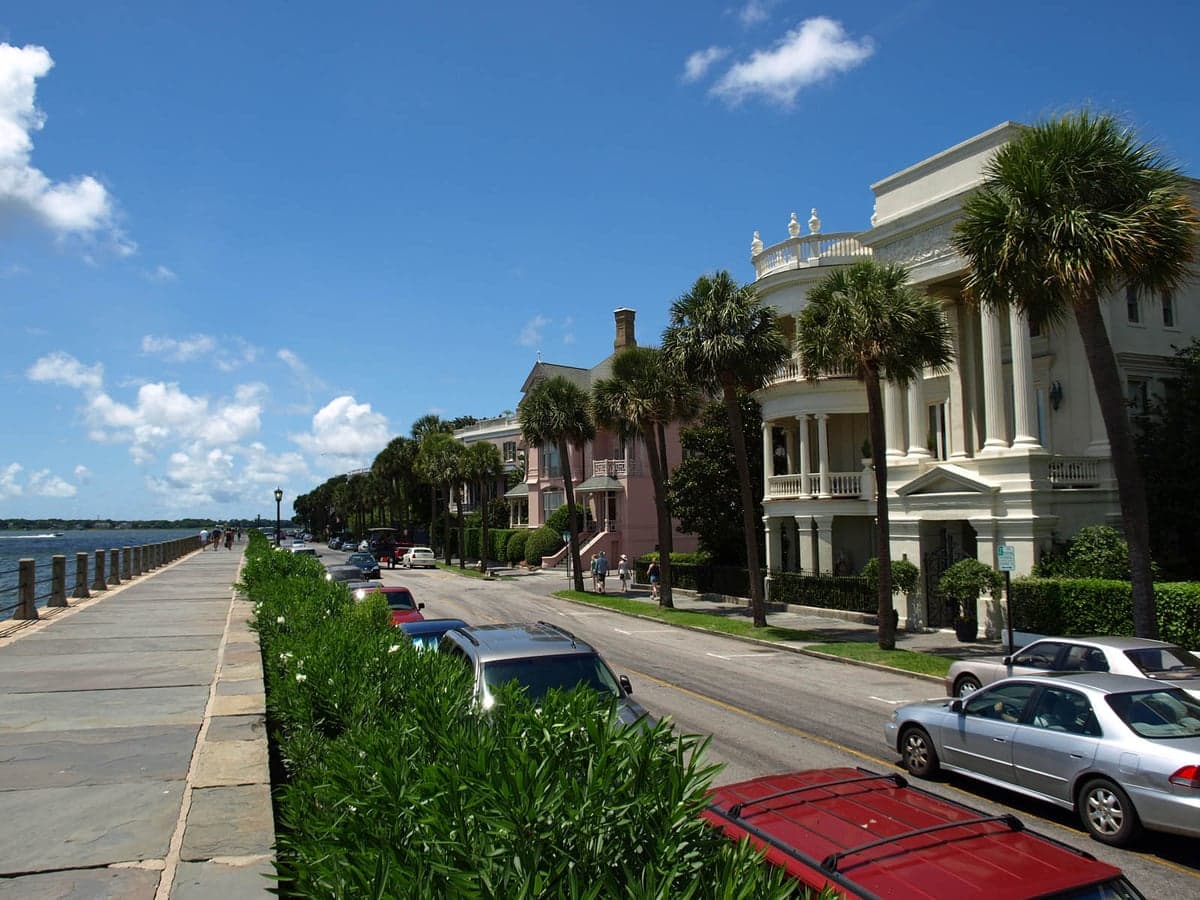
The people of Charleston, South Carolina today number 152,014, forming a city that is 70.6% White, 17.3% Black, 5.9% Hispanic, and 1.5% East/Southeast Asian, with a notably high college-educated rate of 57.7%. The city’s character is defined by a deep-rooted, historically layered population where old-line families, a significant but shrinking Black community, and a growing influx of educated newcomers coexist. Distinctive identity markers include a strong preservationist ethos, a tourism-driven economy, and a social landscape that remains visibly shaped by its colonial and antebellum past, with neighborhoods still reflecting historic settlement patterns.
How the city was settled and grew
Charleston was founded in 1670 on the west bank of the Ashley River, then moved to its current peninsula location in 1680. The original European settlers were English planters and merchants from Barbados, who established a slave-based plantation economy growing rice and indigo. The city’s earliest neighborhoods—the French Quarter and Ansonborough—were built by these English and French Huguenot settlers, with enslaved Africans making up the majority of the labor force. By the early 18th century, Charleston had become a major port for the transatlantic slave trade, with roughly 40% of all enslaved Africans entering North America passing through its harbor. This created a large Black population that built and worked the city’s infrastructure, concentrated in areas like Radcliffeborough and Wagener Terrace. The city’s growth remained slow through the 19th and early 20th centuries, as the Civil War and subsequent economic decline froze its population at roughly 60,000 for decades. The original white planter class and their descendants remained dominant, while the Black community, though large, was systematically disenfranchised and segregated into specific neighborhoods like the Neck Area (north of the peninsula).
Modern era (post-1965)
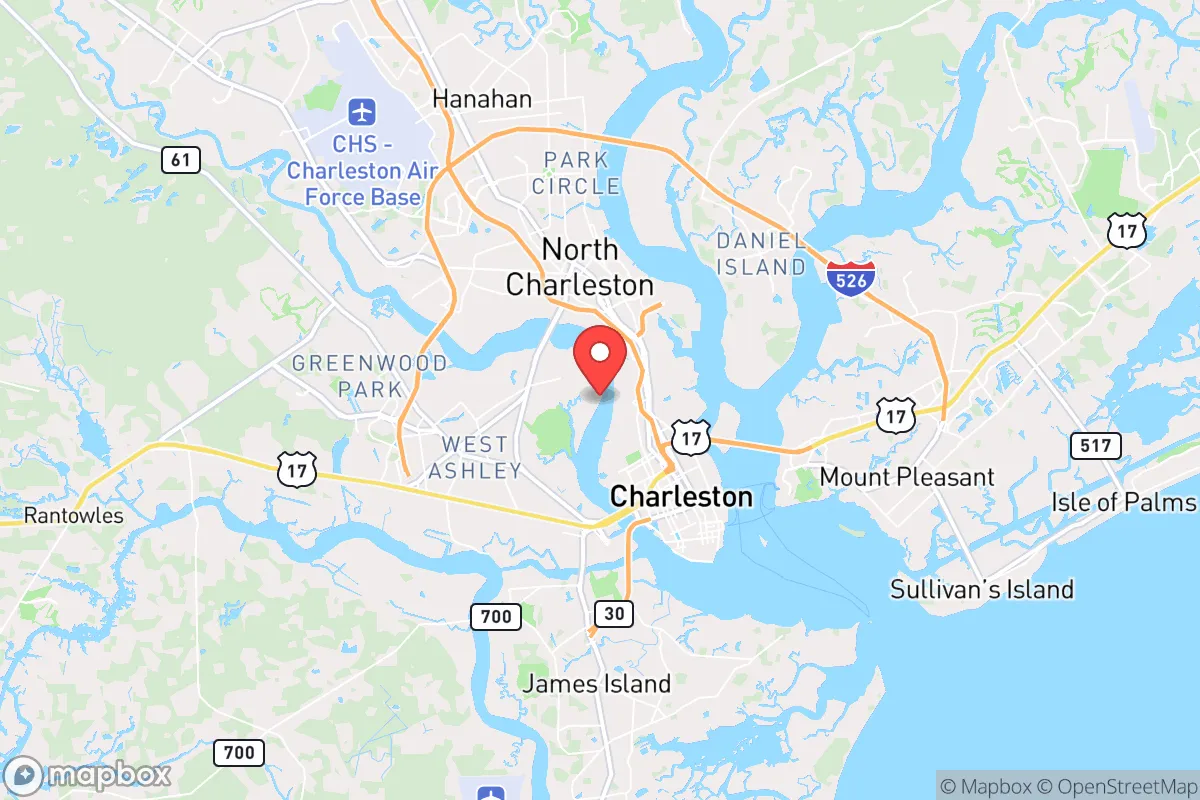
The post-1965 era brought dramatic demographic shifts to Charleston, driven by the 1965 Immigration and Nationality Act and domestic migration. The city’s foreign-born population remains low at 2.6%, but the domestic in-migration of educated professionals has been transformative. Beginning in the 1970s, the city’s historic preservation movement and the growth of the Medical University of South Carolina (MUSC) attracted a wave of white, college-educated newcomers to neighborhoods like the Historic District and Elliotborough. This gentrification displaced many long-time Black residents, who moved north to West Ashley and North Charleston. The Hispanic population, now 5.9%, grew steadily from the 1990s onward, primarily in the Peninsula’s Neck Area and Johns Island, drawn by construction and hospitality jobs. The East/Southeast Asian community (1.5%) is small but concentrated around MUSC and the College of Charleston, largely in downtown’s Harleston Village. The Indian-subcontinent population (0.6%) is similarly small and professional, often living in West Ashley or Mount Pleasant (a separate municipality). The Black population share has declined from over 40% in 1970 to 17.3% today, a direct result of gentrification and out-migration to surrounding suburbs.
The future
Charleston’s population is heading toward greater homogenization, with the white, college-educated share continuing to rise as the Black population declines. The city is becoming more tribalized by income and education rather than race alone, with the Historic District and South of Broad solidifying as wealthy enclaves, while the Neck Area and West Ashley become more diverse but economically strained. The immigrant communities—Hispanic, East/Southeast Asian, and Indian—are growing slowly but are unlikely to reach critical mass; the foreign-born share of 2.6% is far below the national average and shows no signs of rapid increase. The next 10-20 years will likely see continued in-migration of remote workers and retirees, further driving up housing costs and pushing lower-income residents—disproportionately Black and Hispanic—to outer suburbs like Summerville and Goose Creek. The city’s population growth will remain modest (1-2% annually) due to geographic constraints and high costs.
For someone moving in now, Charleston is becoming a city of two populations: a wealthy, educated, largely white core on the peninsula, and a more diverse, working-class periphery in the surrounding suburbs. The historic character remains intact, but the demographic momentum is toward a whiter, wealthier, and more homogenized city, with less of the racial and economic diversity that once defined it.

* Values derived from national, state, county, city and local statistics and may differ in a specific area. Last updated: 2026-04-29T21:46:07.000Z
Narrative content on this page is AI-generated and may contain mistakes. Verify any details that matter before acting on them.
ReloMaps may earn a commission from affiliate links at no extra cost to you.

