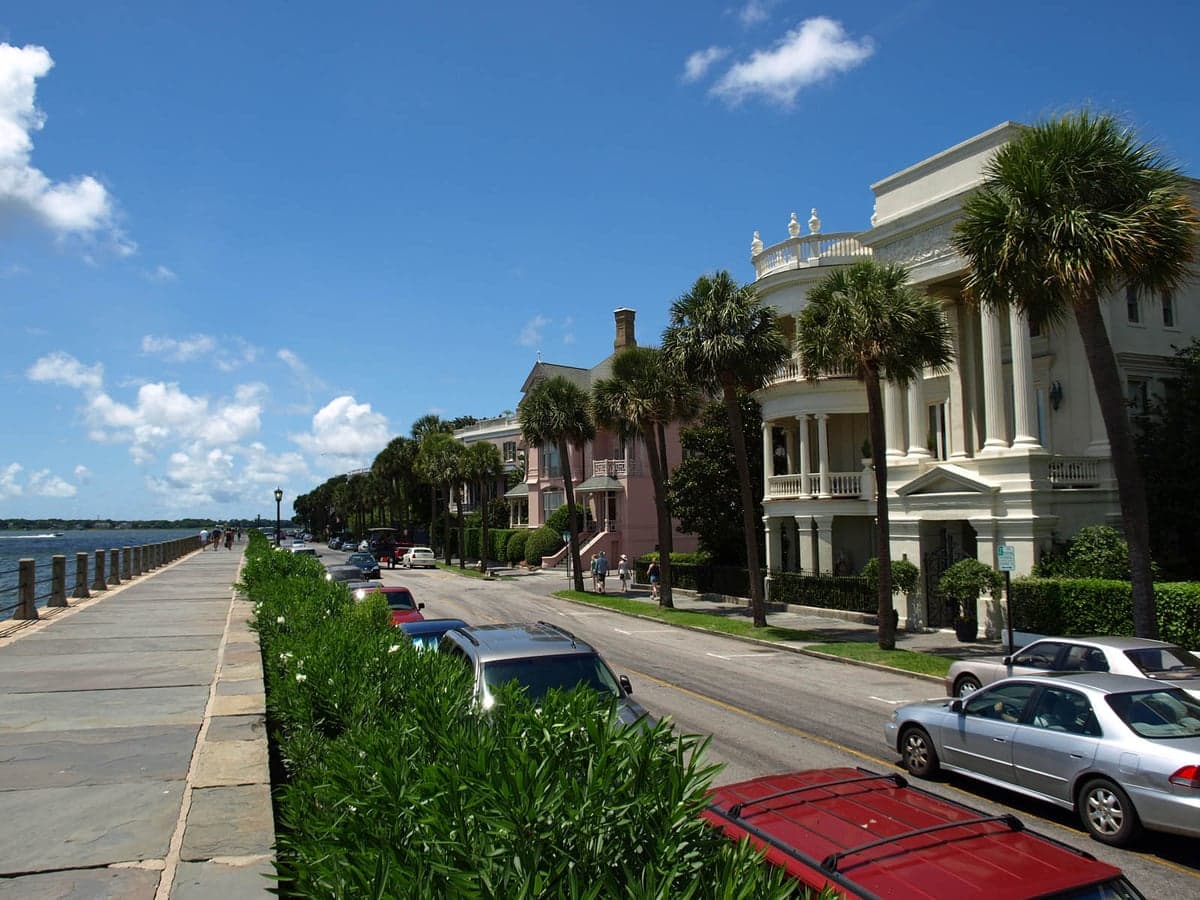
Photo: Wikipedia
Quality of Life in Charleston, SC
Above-average quality of iife. The area offers a reasonable cost of living, decent mobility, and a mix of neighborhood amenities.
What does Quality of Life tell us?
Quality of Life blends cost of living, nearby amenities, socioeconomic signals, and neighborhood character. City-level scores represent the whole municipality; individual neighborhoods can differ.
What does this tell us?
Quality of Life blends cost of living, nearby amenities, socioeconomic signals, and neighborhood character. City-level scores represent the whole municipality; individual neighborhoods can differ.
Cost of Living
51% above national average
The Real Cost of Living in Charleston, SC for 2026
| Tier | Individual | Family (4) |
|---|---|---|
| Survival | $26k | $49k |
| Comfortable | $91k | $134k |
| Luxury | $163k+ | $252k+ |
| Elite (Top 5%) | $222k+ | $345k+ |
67%
The Area Signal
A metric tracking the socioeconomic signals of the area.
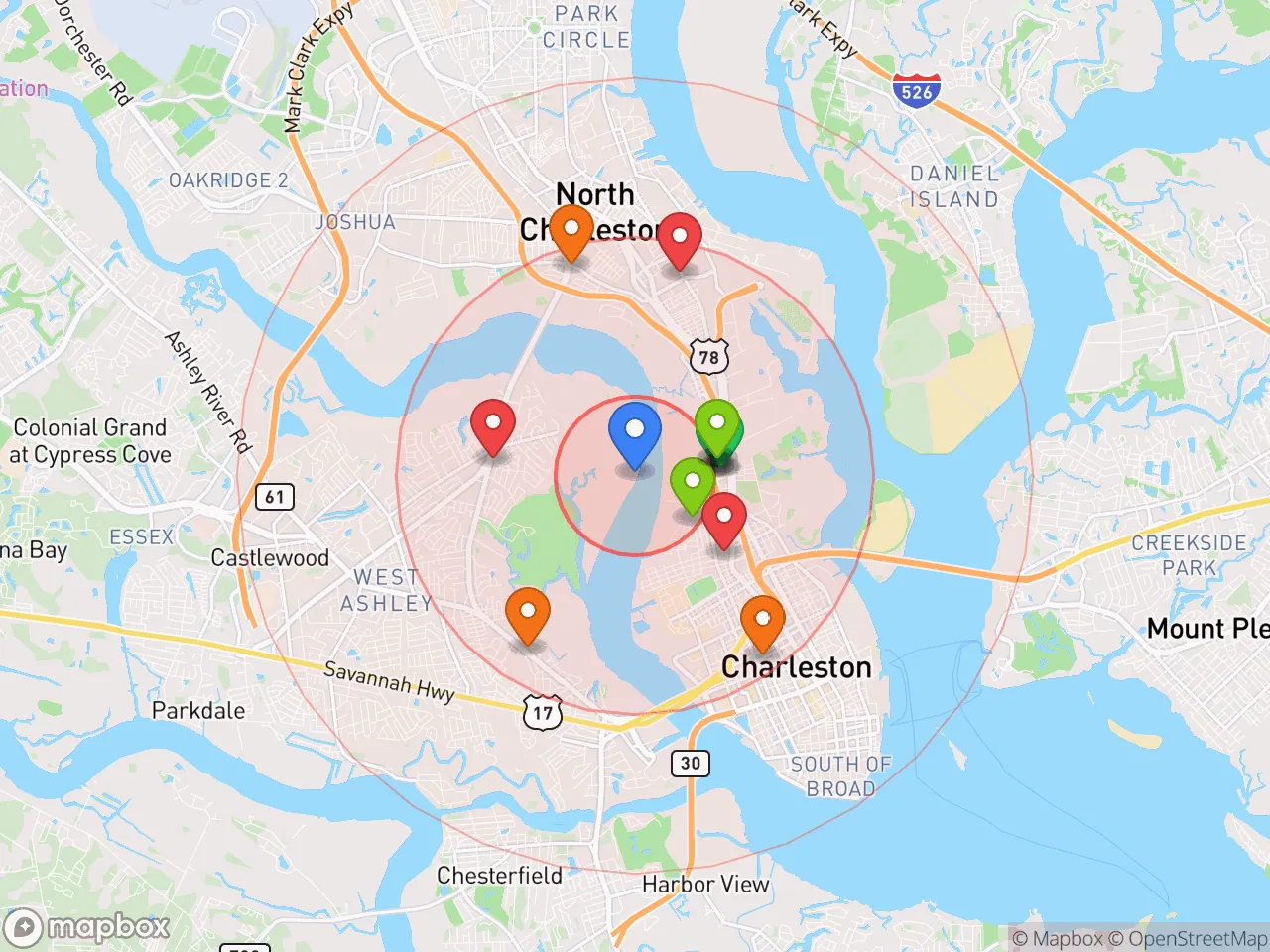
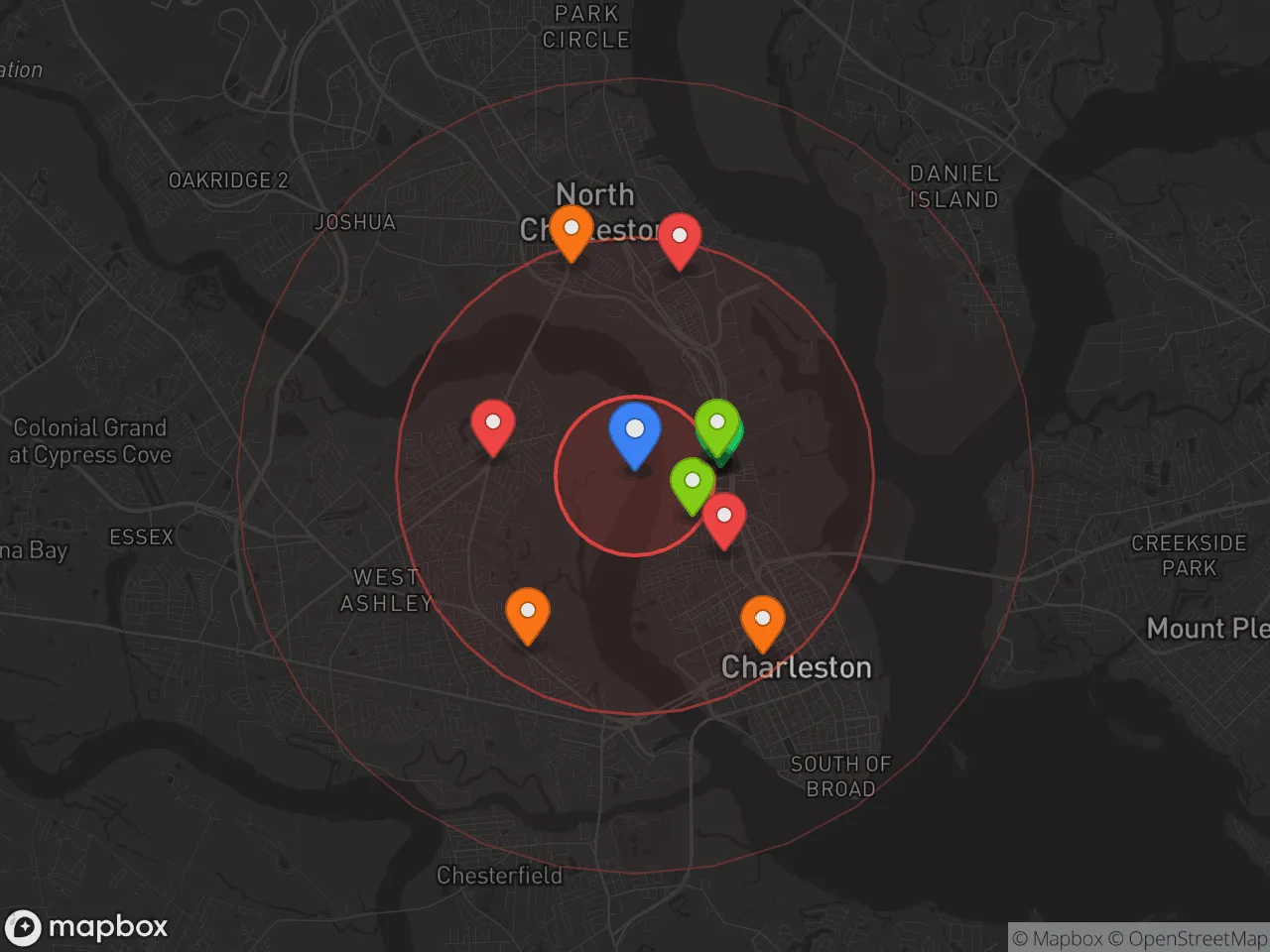
Hobbies
Explore the areaGroceries
5 within 10 miles
Gas
20 within 10 miles
Hospital
13 within 20 miles
Airport
CLT — Charlotte Douglas International
Post Office
USPS — Charleston, SC
Critical Amenities
Quality-of-Life Analysis
Charleston, South Carolina, attracts a notably affluent and educated population, with a cost of living index of 151 (51% above the national average) that reflects the city's desirability as a historic coastal hub. The area draws a mix of young professionals in tech and healthcare, military families connected to Joint Base Charleston, and retirees seeking a temperate climate and cultural depth. This demographic blend creates a dynamic but expensive market where median household incomes hover around $75,000, though many residents rely on dual incomes or remote work to sustain the lifestyle.
Cost of living and housing affordability compared to nearby areas
Housing is the primary driver of Charleston's elevated cost of living, with a median home value of $469,100 and median rent of $1,632—figures that have risen roughly 40% since 2020. Compared to nearby suburbs like Summerville (median home value $365,000) or Mount Pleasant ($620,000), Charleston proper sits in the middle, offering walkable historic districts but smaller lot sizes. The average commute of 23.8 minutes is shorter than the national average of 26.4 minutes, partly because many residents live close to downtown employment centers or use the CARTA bus system. However, property taxes remain relatively low (average effective rate of 0.55%) due to South Carolina's favorable tax structure, which slightly offsets the high purchase prices. For renters, the $1,632 median is about 30% of a typical household income, pushing affordability thresholds for single earners.
Daily life, schools, and amenities for families and professionals
Charleston's daily rhythm is defined by its walkable peninsula, with King Street for shopping, the historic French Quarter for dining, and Waterfront Park for recreation. The Charleston County School District includes top-rated magnet options like Academic Magnet High School (ranked #1 in South Carolina) and Buist Academy, though zoned schools vary widely by neighborhood. For families, the city offers over 80 parks, including the 12-acre Hampton Park and the 20-mile West Ashley Greenway, while professionals benefit from a growing tech sector anchored by companies like Blackbaud and Benefitfocus. The culinary scene is a major draw, with over 1,200 restaurants and a James Beard Award presence, but daily life also includes challenges like summer humidity (average July high of 89°F) and seasonal tourism congestion that can double downtown foot traffic. Healthcare access is strong, anchored by the Medical University of South Carolina (MUSC) and Roper St. Francis, both offering specialized care.
Charleston is best suited for those who prioritize cultural richness, walkable urbanism, and coastal access over affordability. Remote workers earning national-level salaries, dual-income families with school-age children targeting magnet programs, and retirees with substantial savings will find the cost manageable. Conversely, single earners on local wages or those seeking large suburban lots may struggle with the housing market. The city's combination of historic charm, strong job growth in healthcare and tech, and a temperate climate creates a high quality of life for those who can absorb the premium—but it demands financial flexibility and tolerance for seasonal crowds.

Crime in Charleston, SC
Crime rates similar to the national median for U.S. locations.
Violent CrimeViolent Crime Analysis
Property CrimeProperty Crime Analysis
Crime Analysis
Charleston, South Carolina, presents a mixed safety profile. The city’s violent crime rate of 279.9 incidents per 100,000 residents is notably lower than the national average, but its property crime rate of 1,609.6 per 100,000 is significantly higher, making property-related offenses the primary safety concern for most residents. This disparity means that while violent encounters are less common than in many peer cities, theft, burglary, and vehicle break-ins are frequent realities that shape daily caution.
Crime in context
When compared to state and national benchmarks, Charleston’s violent crime rate sits well below the South Carolina average of roughly 480 per 100,000 and the U.S. average of about 380 per 100,000. However, the property crime rate is a clear outlier: it exceeds both the state average (around 2,500 per 100,000) and the national average (approximately 1,950 per 100,000). A key factor driving this elevated property crime is the city’s status as a major tourism hub. High foot traffic, transient populations, and a concentration of parked vehicles and unsecured rental properties create abundant opportunities for theft. Additionally, Charleston operates within a judicial system influenced by progressive prosecutorial policies in the 9th Judicial Circuit. These policies, while intended to reduce incarceration, have been criticized for contributing to higher recidivism and a perception that property crimes carry minimal consequences, which in turn emboldens repeat offenders and undermines public safety.
What residents experience
For those living in Charleston, the most tangible safety issue is property crime. Residents routinely report bicycle thefts, package thefts from porches, and smash-and-grab vehicle break-ins, particularly in the downtown peninsula and areas near tourist attractions like King Street and the Market. Violent crime, while less frequent, is not absent: it is often concentrated in specific corridors and tied to disputes among individuals known to each other rather than random attacks on strangers. Neighborhood-level variation is stark. The historic downtown core and affluent areas like South of Broad and the Old Village in Mount Pleasant experience very low violent crime but high property crime. In contrast, neighborhoods such as the Neck Area, Union Heights, and parts of West Ashley report higher rates of both violent and property offenses. Suburban communities like Daniel Island and James Island generally offer lower overall crime rates, though property theft remains a persistent concern even there. Residents are advised to adopt routine security measures—locking vehicles, using security cameras, and avoiding leaving valuables in plain sight—as a standard part of daily life in the Charleston metro area.
* Values derived from national, state, county, city and local statistics and may differ in a specific area. Last updated: 2026-04-29T21:46:07.000Z
Narrative content on this page is AI-generated and may contain mistakes. Verify any details that matter before acting on them.
ReloMaps may earn a commission from affiliate links at no extra cost to you.

