Photo: Wikipedia
Quality of Life in Charlottesville, VA
Above-average quality of iife. The area offers a reasonable cost of living, decent mobility, and a mix of neighborhood amenities.
What does Quality of Life tell us?
Quality of Life blends cost of living, nearby amenities, socioeconomic signals, and neighborhood character. City-level scores represent the whole municipality; individual neighborhoods can differ.
What does this tell us?
Quality of Life blends cost of living, nearby amenities, socioeconomic signals, and neighborhood character. City-level scores represent the whole municipality; individual neighborhoods can differ.
Cost of Living
39% above national average
The Real Cost of Living in Charlottesville, VA for 2026
| Tier | Individual | Family (4) |
|---|---|---|
| Survival | $23k | $44k |
| Comfortable | $87k | $128k |
| Luxury | $126k+ | $196k+ |
| Elite (Top 5%) | $197k+ | $306k+ |
55%
The Area Signal
A metric tracking the socioeconomic signals of the area.
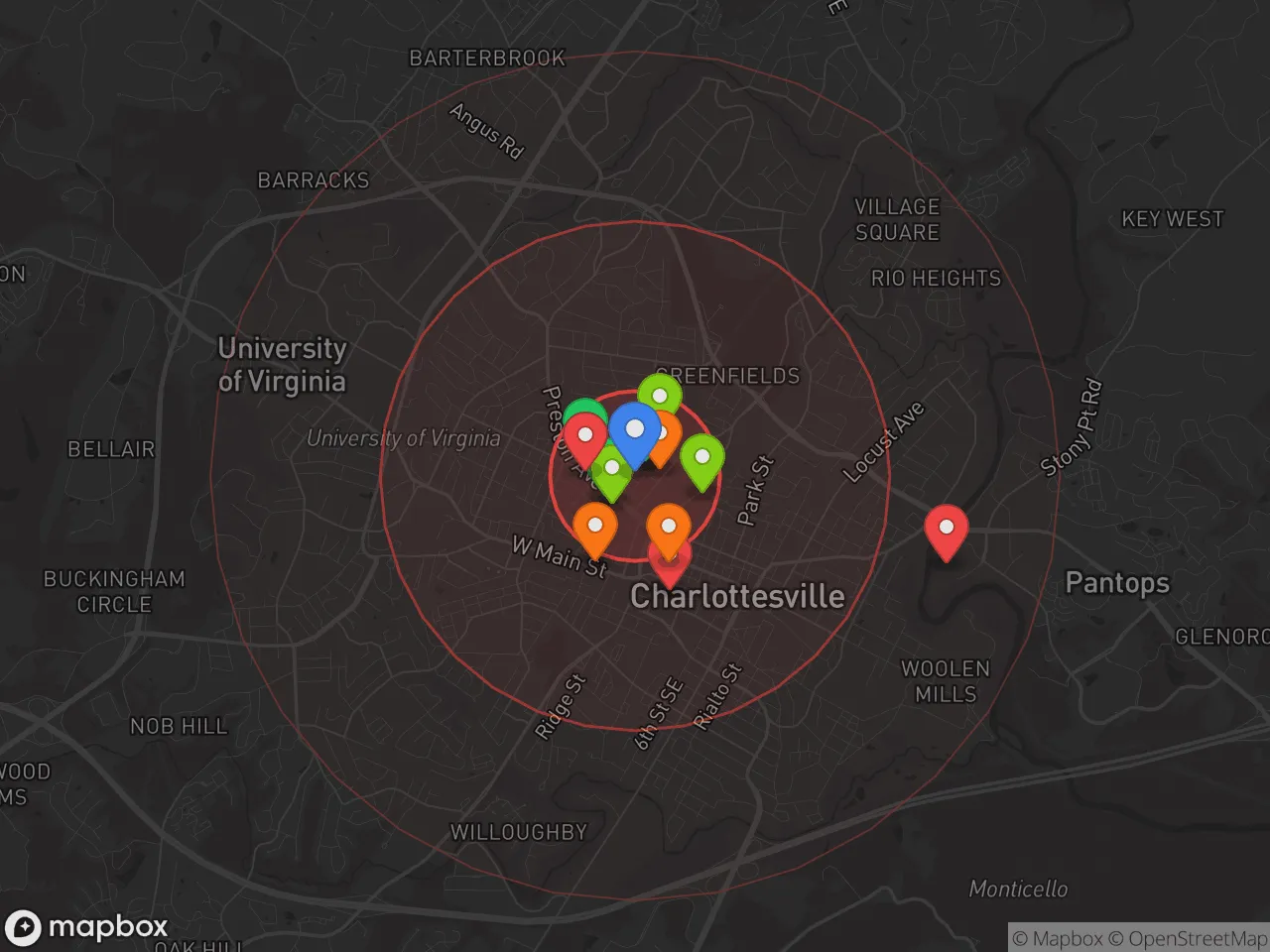
Hobbies
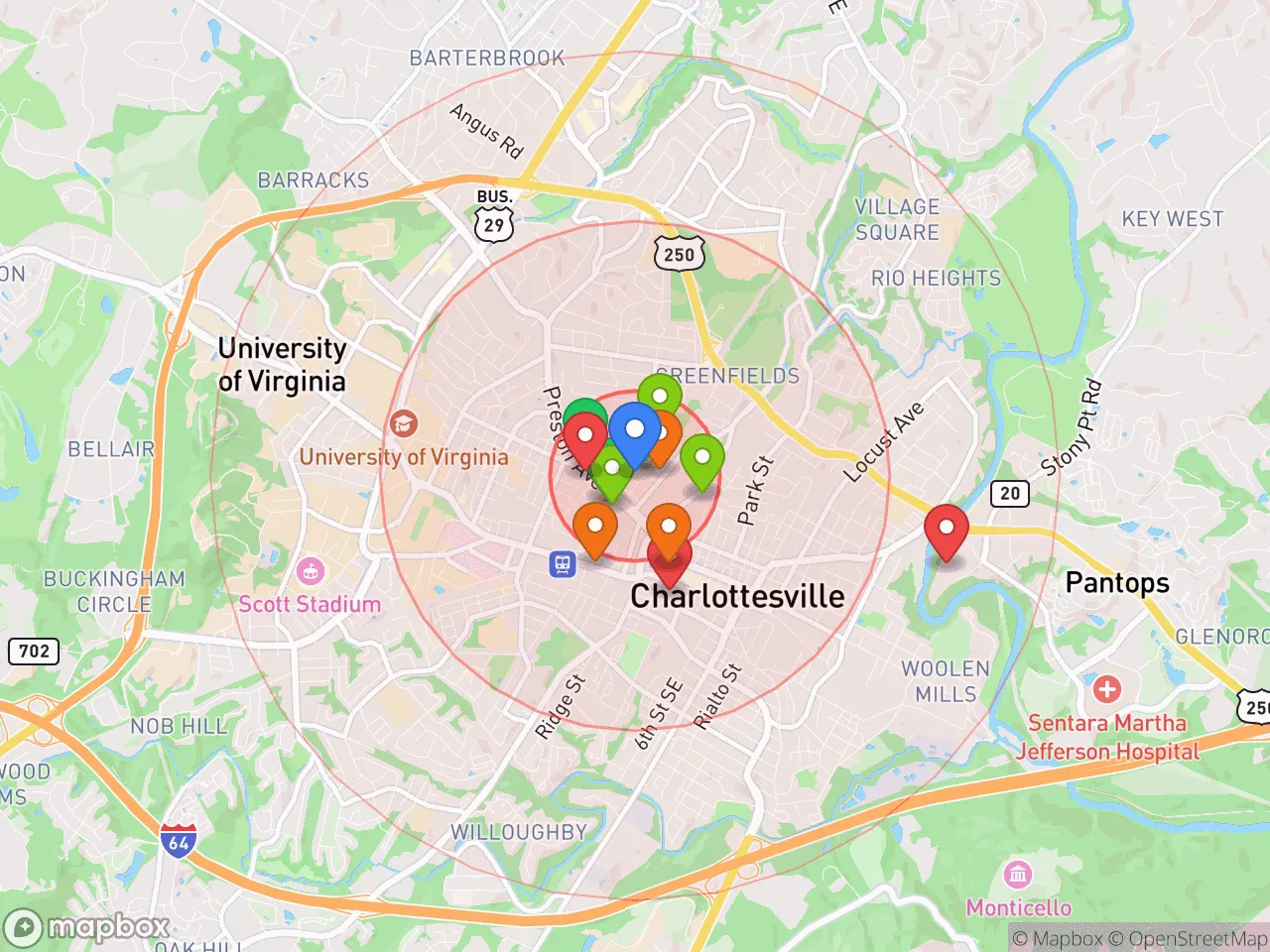
Explore the areaGroceries
7 within 10 miles
Gas
20 within 10 miles
Hospital
3 within 20 miles
Airport
IAD — Washington Dulles International
Post Office
USPS — Charlottesville, VA
Critical Amenities
Quality-of-Life Analysis
Charlottesville, Virginia, is a notably affluent and educated city, shaped by the presence of the University of Virginia (UVA) and a concentration of professionals in healthcare, tech, and academia. The city's population of roughly 47,000 includes a mix of long-term residents, university faculty, students, and a growing number of remote workers drawn to its historic charm and Blue Ridge Mountain backdrop. This blend creates a community that values intellectual engagement, outdoor recreation, and local culture, though the high cost of living means it is not an accessible option for everyone.
Cost of living and housing affordability compared to Richmond and Northern Virginia
With a cost of living index of 139 (39% above the national average), Charlottesville is significantly more expensive than the state average but less costly than the Washington, D.C. suburbs. The median home value sits at $448,400, which is roughly double the national median and about 30% higher than in nearby Richmond, where comparable homes often fall in the $300,000–$350,000 range. Renters face a median of $1,453 per month, a figure that has risen steadily since 2020, though it remains below the $2,000+ averages seen in Arlington and Alexandria. The average commute of 16.9 minutes is a major draw—far shorter than the 30–45 minute commutes common in Northern Virginia or Richmond's suburbs—allowing residents to trade housing costs for time saved. However, wages in Charlottesville do not always keep pace with housing prices; many service and hospitality workers commute from cheaper areas like Waynesboro or Louisa County.
What daily life is like for families and professionals
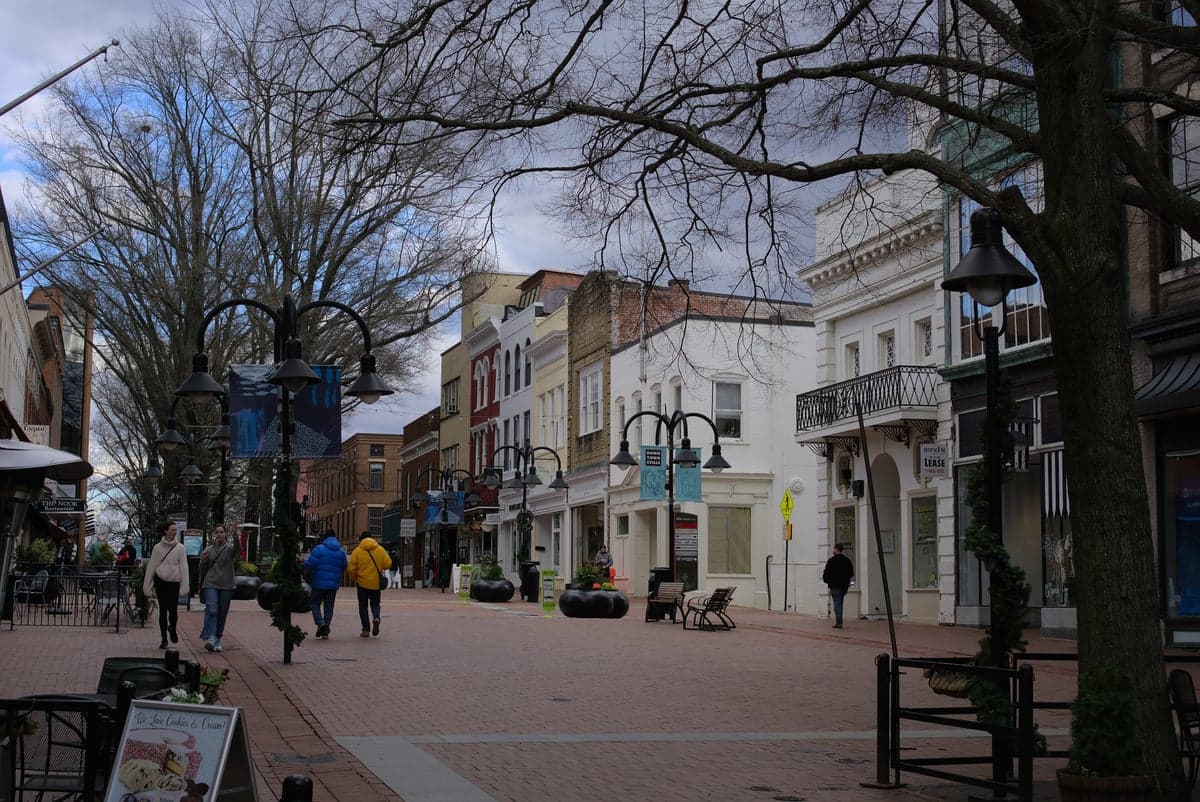
Daily life in Charlottesville revolves around a walkable downtown mall, UVA's cultural events, and easy access to the Shenandoah National Park. The city's public schools, part of Charlottesville City Schools, are well-regarded, with Charlottesville High School offering a nationally recognized International Baccalaureate (IB) program. For families, the presence of UVA Health System provides top-tier pediatric and specialty care, while the city's numerous parks—including the 210-acre McIntire Park—offer sports fields, trails, and a dog park. Professionals benefit from a strong local economy anchored by UVA (the region's largest employer), along with major employers like the National Ground Intelligence Center and WillowTree, a digital product agency. The city's restaurant and brewery scene is vibrant, with over 30 breweries and cideries within a 30-minute drive, and the weekly City Market on Water Street draws crowds for local produce and crafts. Traffic congestion is minimal outside of UVA game days and the annual Virginia Film Festival, and the short commute means many residents can bike or walk to work.
Charlottesville is best suited for professionals, academics, and families who prioritize a small-city feel with strong cultural and outdoor amenities and are willing to pay a premium for it. Those seeking affordable housing or a lower cost of living may find better options in nearby Lynchburg or Harrisonburg, but for buyers and renters who value a short commute, excellent schools, and a lively downtown, the trade-off is often worth it. Remote workers and retirees also thrive here, drawn by the mild climate, historic architecture, and proximity to both the Blue Ridge Parkway and Amtrak service to Washington, D.C.

Crime in Charlottesville, VA
Crime rates similar to the national median for U.S. locations.
Violent CrimeViolent Crime Analysis
Property CrimeProperty Crime Analysis
Crime Analysis
Charlottesville, Virginia, presents a mixed safety picture for prospective residents. The city's violent crime rate of 269.8 incidents per 100,000 people is notably higher than the national average, while its property crime rate of 2,778.9 per 100,000 significantly exceeds both state and national benchmarks. These figures, combined with the area's progressive judicial and prosecutorial environment, warrant careful consideration for anyone evaluating the city's safety.
Crime in context
When compared to Virginia's statewide violent crime rate of roughly 200 per 100,000, Charlottesville's rate is about 35% higher. The property crime rate is even more elevated, standing at nearly double the state average of approximately 1,500 per 100,000. This disparity is particularly concerning given that Charlottesville is a small city (population ~47,000) within a large metropolitan area. The city's progressive district attorney and judges, who have emphasized alternatives to incarceration and reduced sentences for nonviolent offenses, have contributed to a climate where property crimes like theft and burglary are more prevalent. Critics argue that such leniency emboldens repeat offenders and undermines public confidence in the justice system.
What residents experience
Daily life in Charlottesville involves navigating a heightened risk of property crime. Residents commonly report package thefts, vehicle break-ins, and bicycle thefts, particularly in densely populated neighborhoods near the University of Virginia and the Downtown Mall. Violent crime, while less frequent, is concentrated in specific areas and often involves disputes among individuals known to each other. The progressive approach to prosecution—prioritizing rehabilitation over punishment—has led to concerns that offenders face minimal consequences, reducing deterrence. For example, a 2023 report from the Charlottesville Police Department noted that nearly 40% of property crime arrests involved individuals with prior records, a pattern that frustrates victims and fuels perceptions of a revolving-door justice system.
Neighborhood-level variation is significant. Areas like the Venable and North Downtown neighborhoods experience lower crime rates, while the Fifeville and 10th & Page districts report higher incidents of both property and violent crime. The University of Virginia's campus maintains its own police force and relatively low crime rates, but off-campus student housing areas see elevated theft and vandalism. Prospective residents should research specific blocks and consult the city's crime mapping tool, as safety can vary dramatically within a few blocks. Overall, while Charlottesville offers cultural and educational amenities, its crime statistics and progressive judicial policies create a safety environment that demands vigilance and informed decision-making.
* Values derived from national, state, county, city and local statistics and may differ in a specific area. Last updated: 2026-05-01T16:35:26.000Z
Narrative content on this page is AI-generated and may contain mistakes. Verify any details that matter before acting on them.
ReloMaps may earn a commission from affiliate links at no extra cost to you.

