 Popular
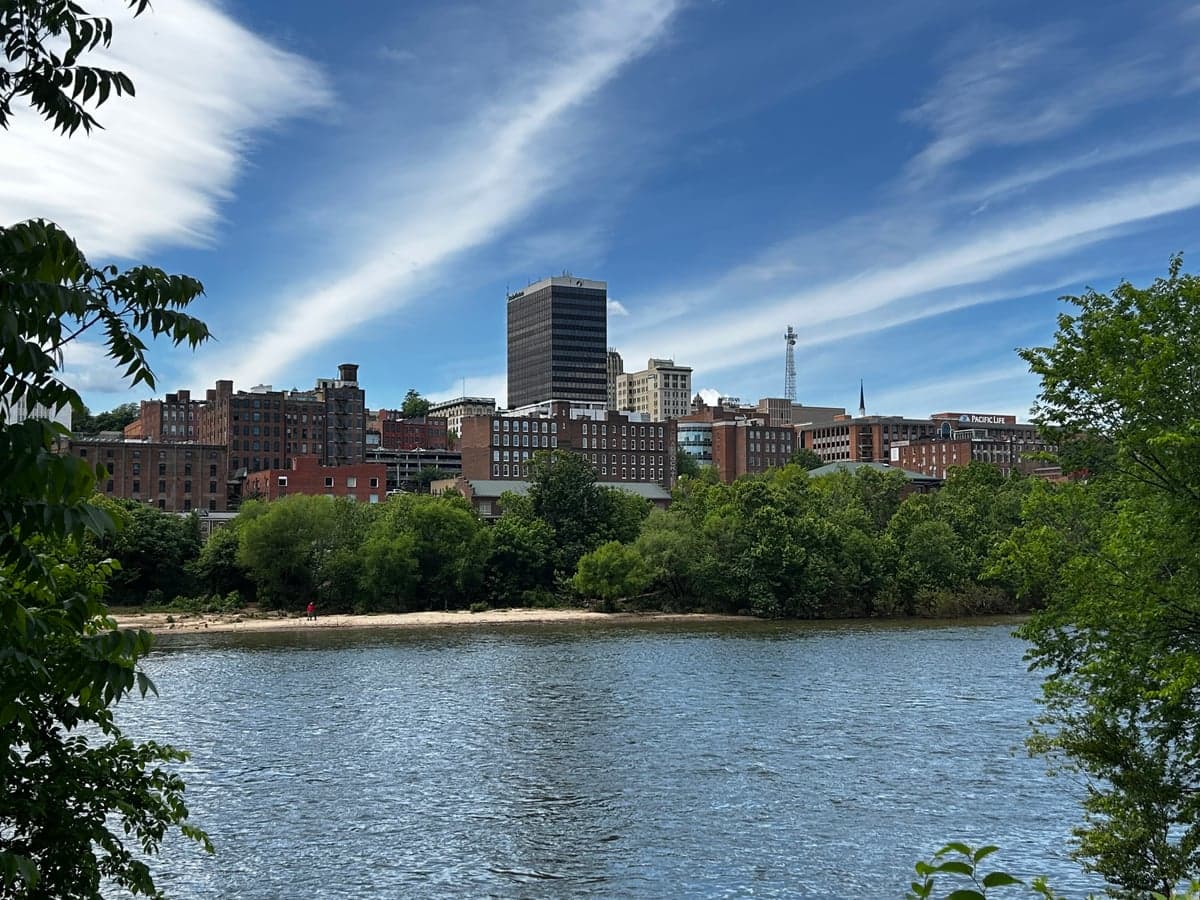
Photo: Wikipedia
Find The Best Places To Live
in Lynchburg
PRO TIP! You can paste a Zillow or Redfin link to get info on that property.
What It's Like Living in Lynchburg, VA
Lynchburg feels like a place that knows exactly what it is—a mid-sized Virginia city where the Blue Ridge foothills meet the James River, and where the pace of life is deliberate without being slow. It’s the kind of town where you’ll see Liberty University banners on car bumpers, hear trains rumbling through downtown at night, and find yourself at a Riverfront Park concert on a Friday evening surrounded by families and college students who somehow all get along. With a population hovering around 79,000, it’s big enough to have a real downtown and a Costco, but small enough that you’ll start recognizing faces at the farmer’s market within a year.
Daily Rhythm and Who Fits In
Life here moves on a practical, predictable clock. The average commute is just under 17 minutes—one of the shortest you’ll find for a city this size—which means people actually go home for lunch or run errands mid-day without losing their minds. The median age is 28.4, which is young for Virginia, pulled down by Liberty University’s 15,000 residential students. But that number can be misleading: Lynchburg also has a strong base of families and empty-nesters drawn by the low cost of living (index of 84, well below the national average) and the conservative, church-centered culture. The kind of person who thrives here is someone who values stability over novelty—a parent who wants a safe yard and good schools, a remote worker who wants a $211,800 median home instead of a $500,000 mortgage, or a young professional who doesn’t need a nightclub scene to feel entertained. About 38.5% of adults hold a college degree, which is respectable but not elite; the workforce leans heavily into healthcare (Centra Health is the largest employer), education (Liberty and Lynchburg City Schools), and manufacturing (BWX Technologies, a nuclear components contractor, is a major player).
Sports, Community, and What People Actually Do
Sports in Lynchburg are less about pro teams and more about tribal identity. Liberty University athletics are the dominant force—Flames football games at Williams Stadium draw 20,000-plus on fall Saturdays, and the basketball program has become a legitimate mid-major contender. For a city this size, the energy around Liberty games is outsized; you’ll see “Go Flames” flags on porches and hear post-game chatter at diners like The Cavalier or Shoemaker’s. High school football is also a big deal—Heritage, E.C. Glass, and Brookville games pack bleachers on Friday nights. For the minor-league baseball crowd, the Lynchburg Hillcats (a Carolina League affiliate) play at Bank of the James Stadium downtown, and tickets are cheap enough that a family of four can go for under $40. Beyond sports, weekends revolve around outdoor access. The James River runs right through town, and the Blackwater Creek Trail system offers 10+ miles of paved paths that connect downtown to neighborhoods and parks. Peaks of Otter on the Blue Ridge Parkway is a 30-minute drive and gives you legit mountain hiking without the tourist crowds of Shenandoah. In summer, the Riverfront Park concert series and the Lynchburg Community Market (open year-round, with local produce and crafts) are reliable gathering spots. For food, you’ll find solid options like The Water Dog for tacos and beer, Isabella’s Italian Trattoria for date nights, and My Dog Duke’s Diner for a classic breakfast—but nobody will pretend Lynchburg is a foodie destination. The bar scene is modest: a few craft breweries (Apocalypse Ale Works, Starr Hill’s pilot brewery), a distillery or two, and a handful of downtown pubs like The Neighbors Place.
Pros and Cons of Living in Lynchburg
What longtime residents love: The cost of living is genuinely freeing. A median home value of $211,800 means a teacher or a nurse can actually buy a house in a decent neighborhood. The commute is laughably easy compared to Northern Virginia or Richmond. The community is safe by national standards—though the violent crime rate of 352.5 per 100,000 is slightly above the national average, it’s concentrated in specific areas and overall the city feels secure, especially in the western neighborhoods and Forest area. The weather is four-season without extremes: summers are hot and humid but not punishing, winters are cold enough for a dusting of snow a few times a year, and spring and fall are genuinely gorgeous. What frustrates residents: The city’s identity is heavily shaped by Liberty University, and if you’re not aligned with its evangelical culture, you can feel like an outsider. The restaurant and nightlife options are limited—you’ll drive to Roanoke or Charlottesville for a really diverse dining scene. The job market is stable but not dynamic; if you’re not in healthcare, education, or manufacturing, you may struggle to find a role that pays well. And the city’s conservative politics (Lynchburg is reliably red, with the surrounding county voting +30+ points Republican in recent elections) can feel stifling to more liberal residents. There’s also a lingering frustration with infrastructure—some roads feel undersized for the growth, and the train tracks that bisect downtown can cause 10-minute delays at inopportune moments.
Cultural Quirks and Local Identity
Lynchburg has a few things that make it unmistakably itself. The city is famously the home of the late Jerry Falwell Sr. and Liberty University, which means the influence of the evangelical movement is woven into everything from the local radio stations to the city council. But it’s not a monolith—there’s a growing arts scene (the Academy Center of the Arts hosts live theater and concerts), a small but vocal progressive community, and a historic district (Court House Hill) with beautiful 19th-century homes that feel a world away from the Liberty campus. The city’s nickname is “The Hill City,” and it earns it: Lynchburg is built on seven hills, which means great views from spots like Point of Honor and a lot of steep streets that keep you fit. One local tradition that captures the vibe is the Lynchburg Christmas Parade, which draws tens of thousands and feels like the whole town shuts down for it. Another is the annual Virginia 10 Miler, a road race that winds through the hills and has been running since 1974—it’s a point of pride for local runners. The biggest cultural quirk? Lynchburg is dry in name only—the city was technically “dry” until 2004, and while you can now buy alcohol, the legacy means bars close earlier than in most cities and liquor stores are limited. It’s a place where you can have a beer at a brewery, but you’ll still get a side-eye from some older locals if you order a second one. That tension—between the old guard and the new, the religious and the secular, the sleepy and the growing—is what makes Lynchburg interesting. It’s not for everyone, but for the people it fits, it fits well.

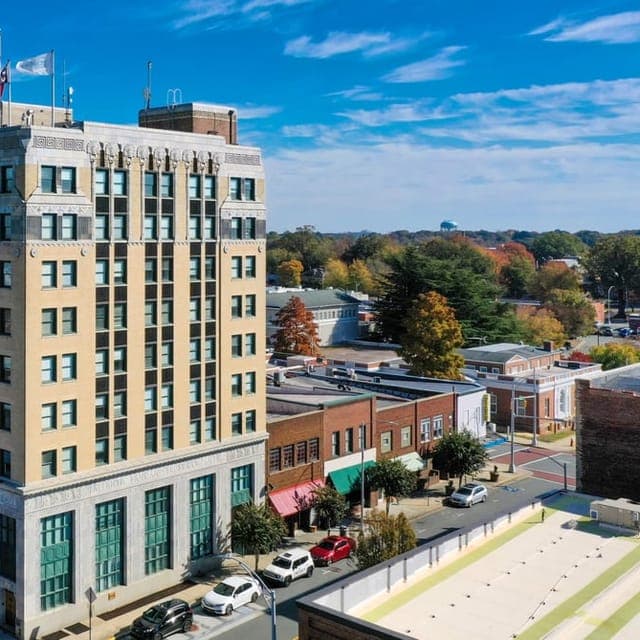
Similar small cities to Lynchburg
* Values derived from national, state, county, city and local statistics and may differ in a specific area. Last updated: 2026-05-01T08:01:16.000Z
Narrative content on this page is AI-generated and may contain mistakes. Verify any details that matter before acting on them.
ReloMaps may earn a commission from affiliate links at no extra cost to you.

