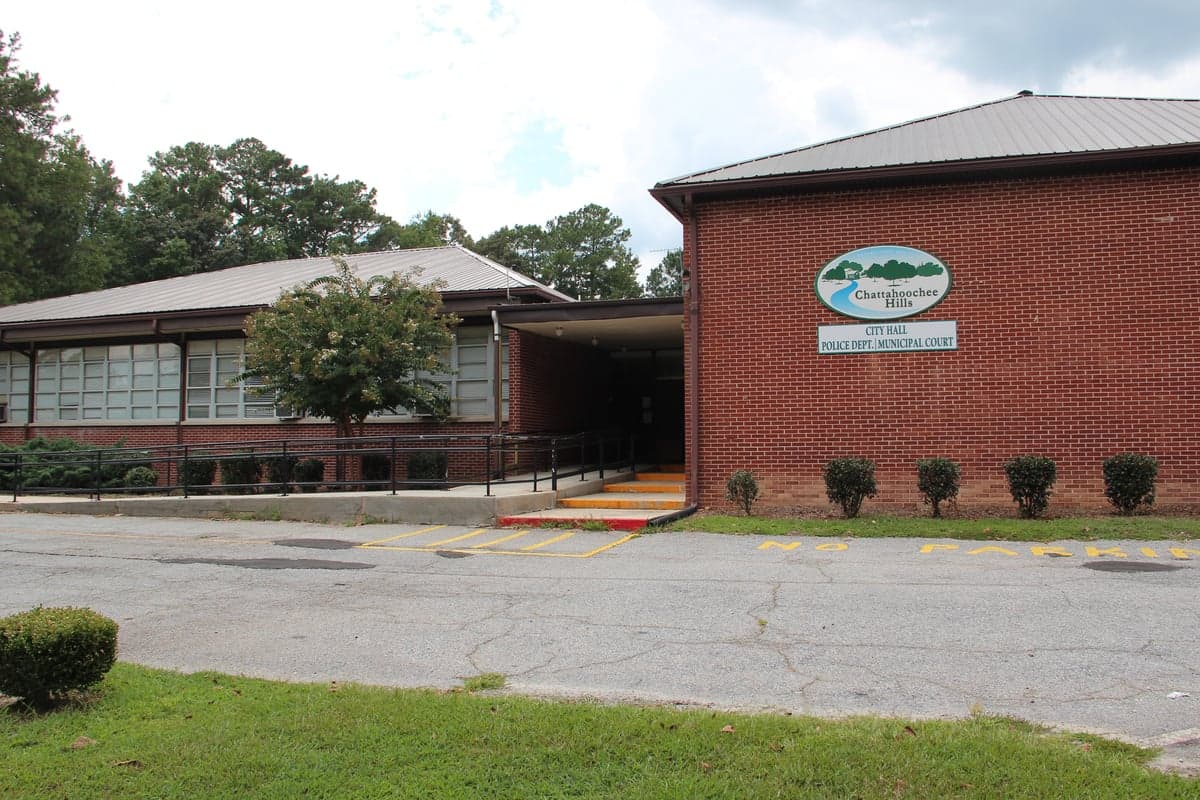
Photo: Wikipedia
Quality of Life in Chattahoochee Hills, GA
A high quality of life with strong walkability, manageable living costs, healthy neighborhood signals, and solid amenity access.
What does Quality of Life tell us?
Quality of Life blends cost of living, nearby amenities, socioeconomic signals, and neighborhood character. City-level scores represent the whole municipality; individual neighborhoods can differ.
What does this tell us?
Quality of Life blends cost of living, nearby amenities, socioeconomic signals, and neighborhood character. City-level scores represent the whole municipality; individual neighborhoods can differ.
Cost of Living
7% above national average
The Real Cost of Living in Chattahoochee Hills, GA for 2026
| Tier | Individual | Family (4) |
|---|---|---|
| Survival | $22k | $41k |
| Comfortable | $66k | $97k |
| Luxury | $138k+ | $214k+ |
| Elite (Top 5%) | $331k+ | $512k+ |
79%
The Area Signal
A metric tracking the socioeconomic signals of the area.
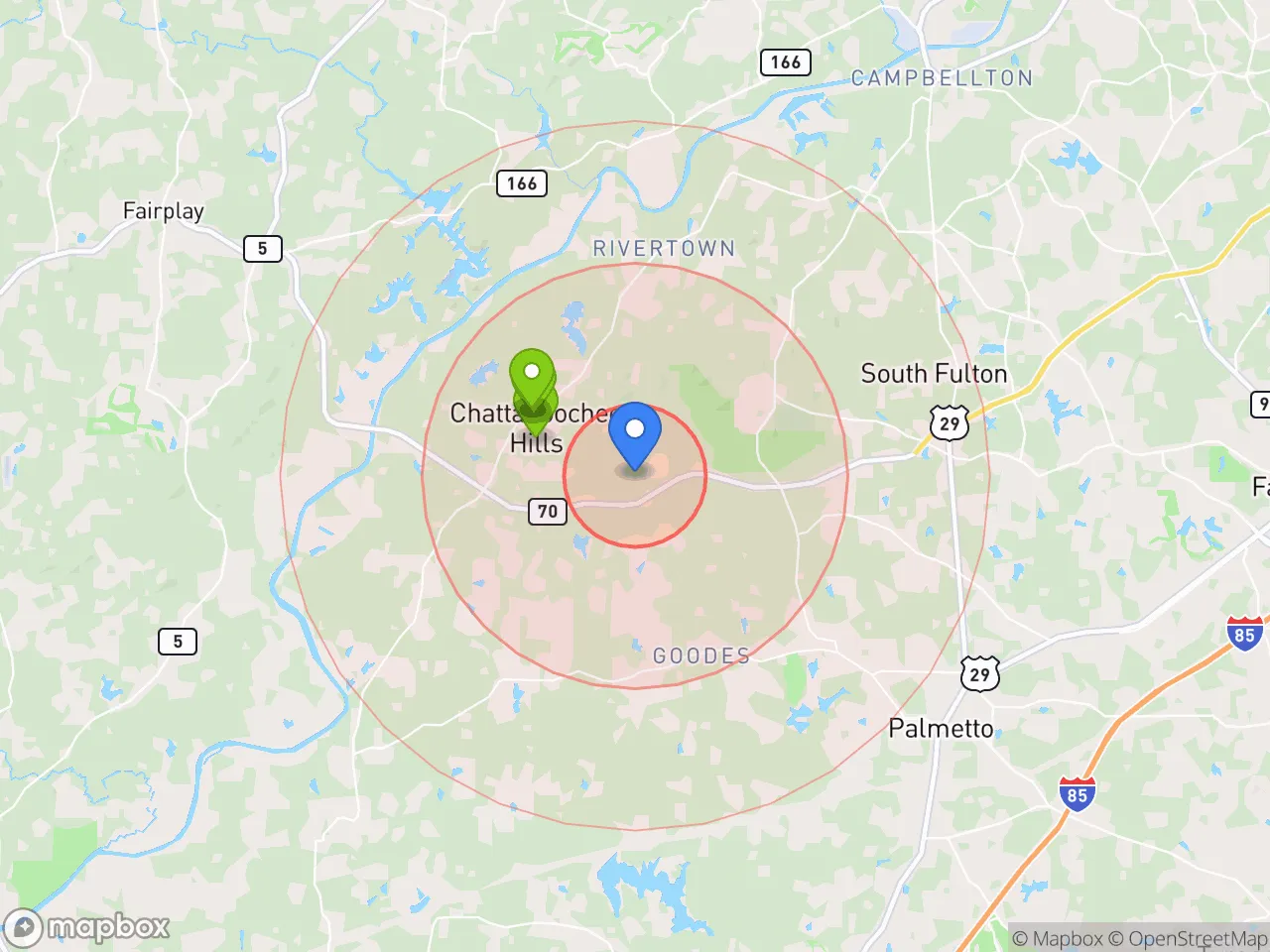
Hobbies
Explore the areaGroceries
2 within 10 miles
Gas
20 within 10 miles
Hospital
13 within 20 miles
Airport
ATL — Hartsfield–Jackson Atlanta International
Post Office
USPS — Chattahoochee Hills, GA
Critical Amenities
Quality-of-Life Analysis
Chattahoochee Hills, Georgia, is an affluent, semi-rural enclave in southern Fulton County where residents trade urban density for estate lots, horse farms, and a slow-paced lifestyle. With a cost-of-living index of 107 (7% above the U.S. average), the area attracts professionals, equestrians, and families seeking space and privacy within commuting distance of Atlanta. The population skews toward higher-income households, drawn by large-acreage zoning and the Chattahoochee Hill Country Conservancy’s preservation ethos.
Cost of living, housing, and how it compares to nearby suburbs
Housing in Chattahoochee Hills is the primary driver of its above-average cost index. The median home value sits at $338,800, which is notably lower than the Fulton County median of roughly $420,000 but significantly higher than neighboring Coweta County’s median of around $290,000. Renters find relative bargains: the median rent of $1,148 is well below the Atlanta metro average of $1,600, reflecting the area’s limited rental stock and single-family-home dominance. Property taxes are moderate for Fulton County, though buyers should note that large lots (often 1–5+ acres) come with higher maintenance and well/septic costs. Compared to upscale suburbs like Serenbe (within Chattahoochee Hills proper) or Peachtree City, home prices here are 15–25% lower for comparable square footage, making it a value play for those who prioritize land over proximity to retail.
Schools, daily amenities, and the rhythm of life in a rural suburb
Daily life in Chattahoochee Hills revolves around the Serenbe community—a planned development with farm-to-table restaurants, an art center, and the Inn at Serenbe—and the surrounding unincorporated areas. Public schools are served by Fulton County Schools, with Campbell Elementary, Bear Creek Middle, and Langston Hughes High School being the primary zoned options; these schools generally rate 6–7 out of 10 on GreatSchools, with Langston Hughes offering an International Baccalaureate program. For groceries and errands, residents drive 15–20 minutes to Palmetto or 25 minutes to Peachtree City. The average commute of 36.5 minutes reflects the trade-off: most workers head to Atlanta (40–50 minutes via I-85) or to job centers in Hartsfield-Jackson Atlanta International Airport (30 minutes) and the South Fulton industrial corridor. Weekend life centers on the Chattahoochee River, Cochran Mill Park’s hiking trails, and equestrian events at the Chattahoochee Hills Eventing facility. There is no downtown strip or major hospital within the city limits—the closest full-service medical center is Piedmont Newnan, 20 minutes away.
Who thrives in Chattahoochee Hills and who should look elsewhere
This area suits buyers who prioritize land, privacy, and a rural aesthetic over walkability and urban amenities. Equestrians, remote workers, and families who don’t mind a 35+ minute commute for work and shopping will find the trade-off worthwhile. Retirees seeking a quiet, nature-oriented lifestyle also fit well, especially in the Serenbe age-restricted cottages. However, renters, single professionals under 30, and anyone dependent on public transit will struggle—MARTA does not serve the area, and ride-hailing is sparse. Those who want top-tier schools, a vibrant nightlife, or a short commute to Midtown should consider Peachtree City or Newnan instead. For the right buyer, Chattahoochee Hills offers a rare combination of Atlanta-adjacent seclusion and preserved green space that is increasingly hard to find in metro Georgia.

Crime in Chattahoochee Hills, GA
Generally safer than 57% of comparable U.S. locations.
Violent CrimeViolent Crime Analysis
Property CrimeProperty Crime Analysis
Crime Analysis
Chattahoochee Hills, Georgia, is a small, rural city on the southwestern edge of the Atlanta metropolitan area that reports crime rates significantly lower than both the national average and the state of Georgia’s average. With a violent crime rate of 253 incidents per 100,000 residents and a property crime rate of 1,189.7 per 100,000, the community presents a notably safer profile than many of its urban neighbors. However, the city’s proximity to a large metro area with progressive judicial policies introduces a layer of risk that potential residents should carefully weigh.
Crime in context
Chattahoochee Hills’ violent crime rate of 253 per 100,000 is 31% lower than the national average of roughly 370 per 100,000 and well below the Georgia state average of approximately 400 per 100,000. The property crime rate of 1,189.7 per 100,000 is also favorable, sitting about 20% below the national average of 1,500 per 100,000. These figures place the city in a strong position compared to the broader metro Atlanta area, where many suburbs and exurbs contend with higher property crime driven by regional population density and economic pressures. The low population density and rural character of Chattahoochee Hills likely contribute to these reduced numbers, as fewer targets and greater natural surveillance deter opportunistic crime.
What residents experience
Residents of Chattahoochee Hills generally report a quiet, low-crime daily life, with most incidents being property-related rather than violent. The city’s violent crime is rare, with the 253 per 100,000 figure translating to roughly one or two violent incidents per year in a population of about 2,500. Property crime, while more common, still results in fewer than 30 reported incidents annually. A significant concern for the area, however, stems from its location within Fulton County, which is part of the larger metro Atlanta region. Fulton County has elected progressive district attorneys and judges who have implemented policies such as cash bail reform, reduced prosecution of non-violent offenses, and diversion programs for repeat offenders. Critics argue these approaches, while intended to reduce incarceration, can lead to higher recidivism and more criminals on the street, potentially increasing the risk for residents in outlying communities like Chattahoochee Hills. The city’s low crime rates may not fully reflect the downstream effects of these regional policies, which could embolden property criminals to travel into quieter areas.
Neighborhood-level variation within Chattahoochee Hills is minimal due to its small size and rural layout. The city is largely composed of large-lot residential properties, horse farms, and conservation areas, with no dense commercial or high-crime pockets. The most significant safety distinction is between the more isolated, wooded properties and those closer to the main roads like Cochran Road and Hutcheson Ferry Road. Homes on larger, secluded parcels may face a slightly elevated risk of burglary due to reduced visibility, while neighborhoods near the city’s few commercial nodes, such as the historic downtown area, see marginally more foot traffic and associated petty crime. Overall, the city’s safety is strong, but the broader judicial environment in Fulton County warrants caution for those considering a move.
* Values derived from national, state, county, city and local statistics and may differ in a specific area. Last updated: 2026-04-23T05:19:03.000Z
Narrative content on this page is AI-generated and may contain mistakes. Verify any details that matter before acting on them.
ReloMaps may earn a commission from affiliate links at no extra cost to you.

