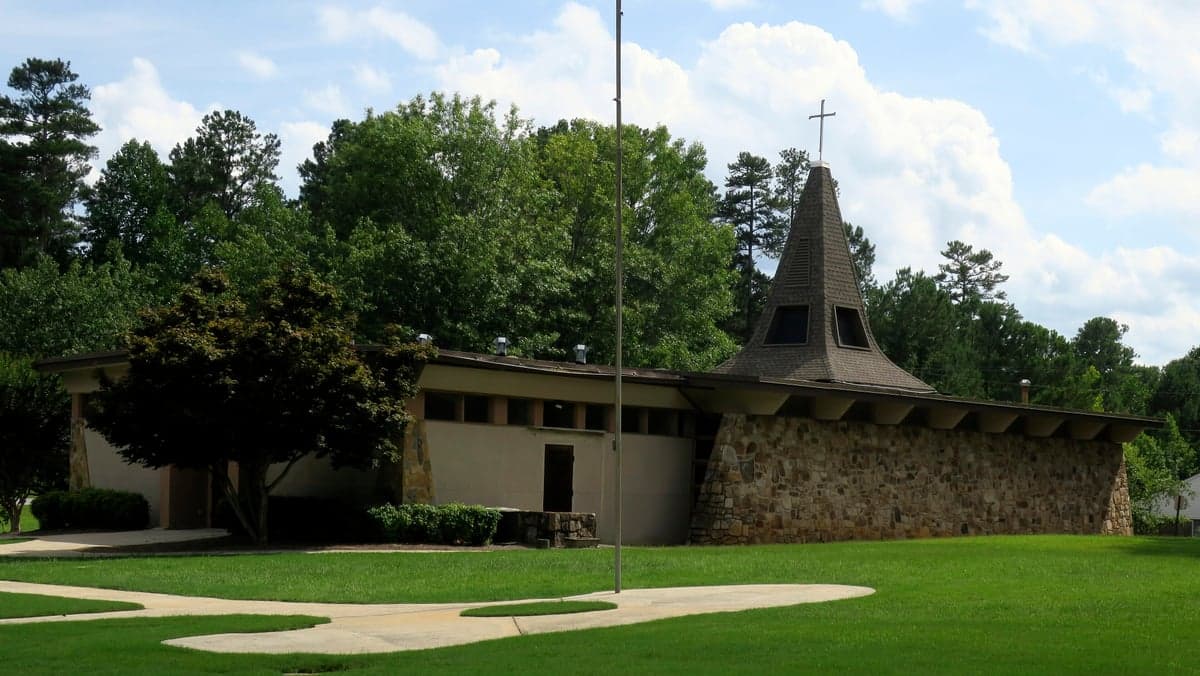
Photo: Wikipedia
Find The Best Places To Live
in South Fulton
PRO TIP! You can paste a Zillow or Redfin link to get info on that property.
What It's Like Living in South Fulton, GA
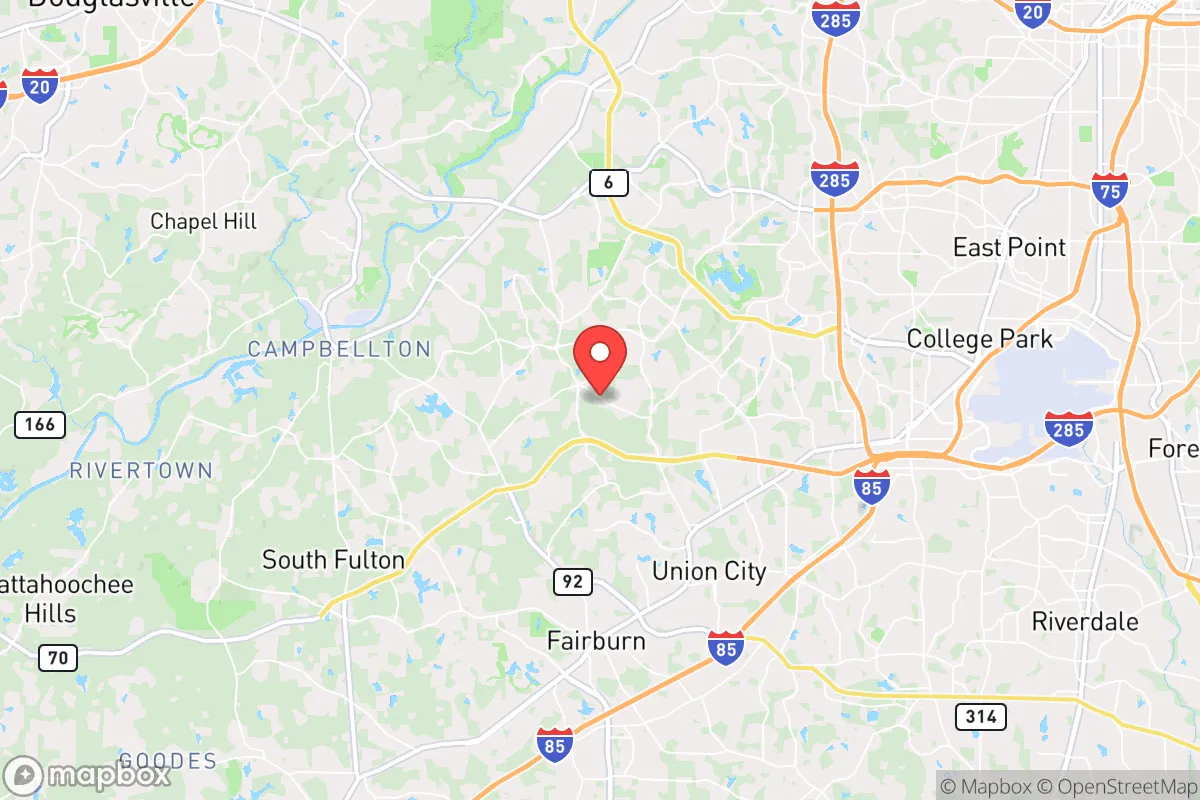
South Fulton feels less like a typical Atlanta suburb and more like a sprawling, self-contained city that happens to share a ZIP code with the big city. It’s a place where you’re just as likely to run into a neighbor at the local farmers market as you are to see someone heading into a corporate office downtown. The vibe is quietly ambitious — families are building lives here, single professionals are finding space to grow, and everyone seems to appreciate that you can have a yard and a commute that doesn’t eat your whole day.
Daily Rhythm: What People Actually Do Here
Most mornings in South Fulton start with a commute — the average drive is about 32.5 minutes, which is long enough to finish a podcast but short enough that you’re not dreading it. People head toward Hartsfield-Jackson or into Buckhead for work, but plenty also work locally at the Porsche Experience Center, the Georgia International Convention Center, or one of the many logistics firms near the airport. Weekends are for Wolf Creek Amphitheater concerts, grabbing brunch at BQE Restaurant & Lounge in nearby College Park, or hitting the South Fulton Arts Center for a pottery class. The Camp Creek Marketplace is the de facto town square — you’ll see families at Target, couples grabbing coffee at Starbucks, and kids running around the green space. It’s not a late-night scene; most restaurants close by 10 p.m., and the vibe is more “let’s meet for dinner at 6” than “let’s go out at 10.”
Who Fits In — And Who Might Struggle
South Fulton works best for people who want space and stability without sacrificing access to the city. The median age is 35.7, and the median household income is $81,798 — that’s a solid middle-to-upper-middle class profile. You’ll find a lot of first-time homebuyers (median home value is $270,600, which is reasonable for metro Atlanta), plus established families who’ve been here a decade or more. Single professionals do well here if they’re okay with a quieter social life — you’re not walking to bars, but you’re 15 minutes from the BeltLine or Ponce City Market if you want that energy. Parents love the Fulton County Schools system, especially Langston Hughes High School and Banneker High School, which anchor a lot of community events. The cost of living index is 121 — higher than the national average, but you get more house for your money than in Decatur or Sandy Springs.
Sports, Festivals, and What You Actually Do for Fun
Sports here are a big deal, but it’s not about pro teams — it’s about high school football. Friday nights at Langston Hughes High School or Westlake High School draw crowds that rival small college games. The South Fulton Saints youth league is a community institution. For pro sports, you’re a 20-minute drive from Mercedes-Benz Stadium (Falcons, United) or Truist Park (Braves), but most locals just watch at home or at a sports bar like Beef ‘O’ Brady’s in the Marketplace. The big annual event is the South Fulton Arts & Music Festival in September, which fills Wolf Creek Amphitheater with local bands, food trucks, and craft vendors. Outdoor life is underrated: Cochran Mill Park has solid hiking trails, Burdett Park has soccer fields and a splash pad, and the Chattahoochee River is a 10-minute drive for kayaking or tubing. The weather is classic Georgia — hot and humid summers (July highs around 90°F) and mild winters (January lows around 35°F), so outdoor activities are seasonal unless you’re an early-morning runner.
Pros and Cons of Living Here
- Pro: Space and value. You get a 3-bedroom house with a yard for under $300K — unheard of inside the Perimeter. The 38.9% college-educated population means you’ve got educated neighbors without the premium price tag.
- Con: Crime is a real concern. The violent crime rate is 476.5 per 100,000 — about 30% higher than the national average. It’s concentrated in certain areas (especially near the airport corridor), but it’s something you have to be aware of. Most residents say they feel safe in their neighborhoods but avoid certain spots after dark.
- Pro: You’re close to everything. Hartsfield-Jackson is 10 minutes away. Downtown Atlanta is 20 minutes without traffic. You can be at the Georgia Aquarium or World of Coca-Cola in under 30 minutes.
- Con: Traffic is real. The commute is 32 minutes on average, but I-285 and I-85 can turn that into an hour during rush hour. Locals learn to time their drives carefully.
- Pro: Community feel. There’s a strong sense of identity — the city was only incorporated in 2017, so residents are actively shaping it. You’ll see “South Fulton Strong” bumper stickers and neighborhood watch groups that actually know each other.
- Con: Limited nightlife and dining. If you want a trendy cocktail bar or a late-night ramen spot, you’re driving to East Atlanta or Decatur. South Fulton’s restaurant scene is mostly chains and a few local gems like Mack’s Bar-B-Que and Jamaican Flava.
The cultural quirk that stands out: South Fulton is proudly majority-Black and politically active — you’ll see yard signs for local council races, and the city council meetings are genuinely attended. It’s not a transient suburb; people choose to live here and stay. The biggest frustration for longtime residents is infrastructure lag — the city is still building out sidewalks, streetlights, and parks, so some areas feel unfinished. But that’s also the opportunity: you’re buying into a place that’s still defining itself, and you get a say in what it becomes.

Similar small cities to South Fulton

* Values derived from national, state, county, city and local statistics and may differ in a specific area. Last updated: 2026-04-29T19:32:21.000Z
Narrative content on this page is AI-generated and may contain mistakes. Verify any details that matter before acting on them.
ReloMaps may earn a commission from affiliate links at no extra cost to you.

