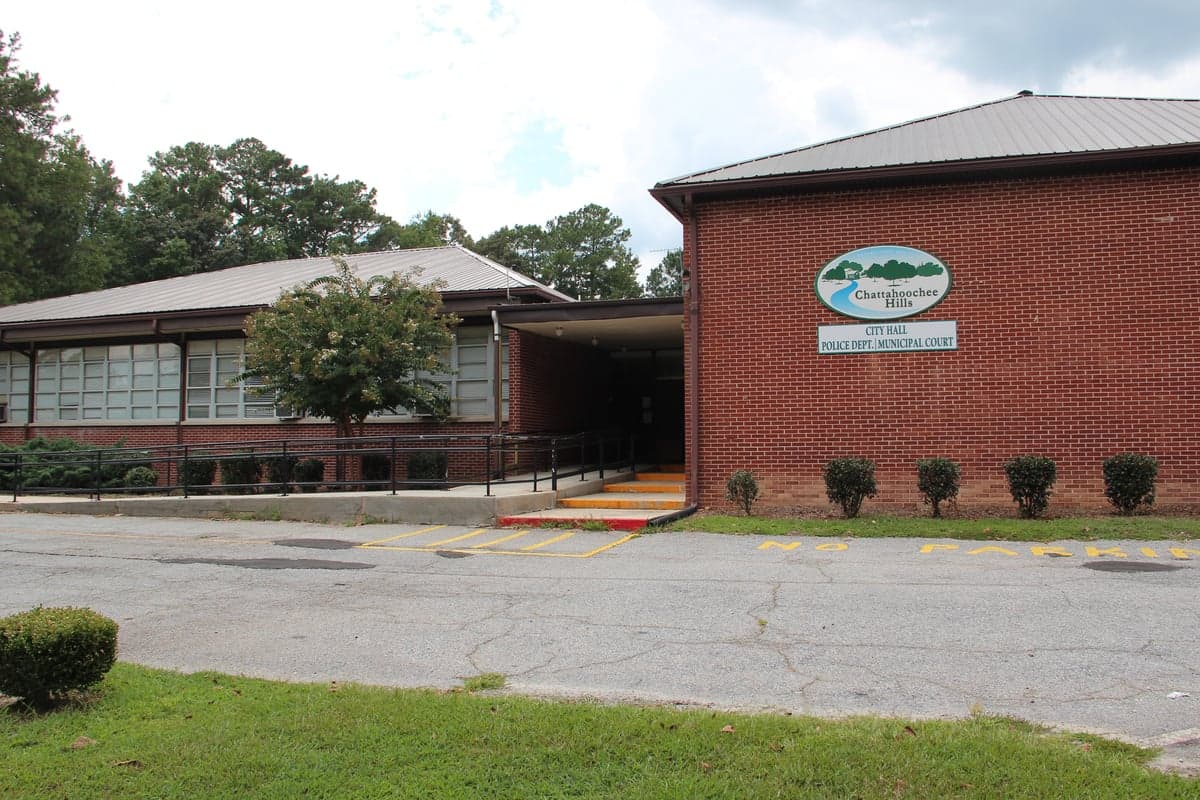
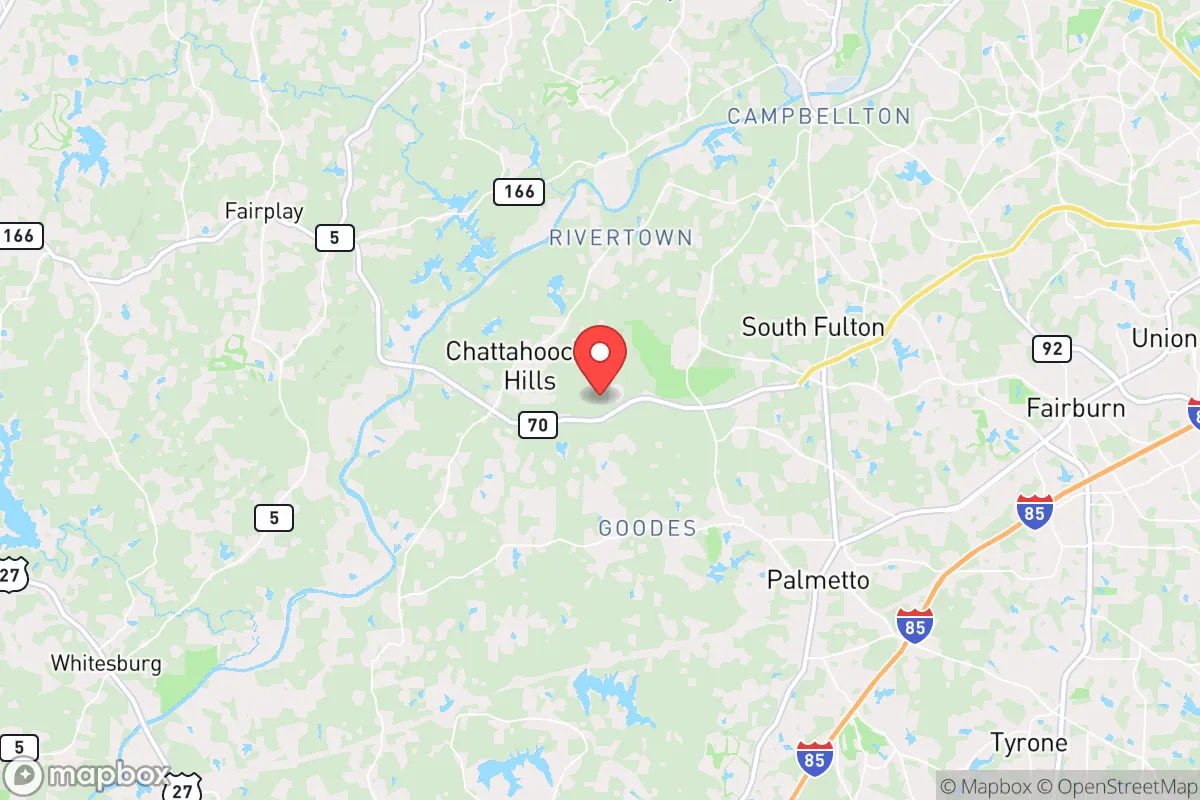
Photo: Wikipedia
Find The Best Places To Live
in Chattahoochee Hills
PRO TIP! You can paste a Zillow or Redfin link to get info on that property.
What It's Like Living in Chattahoochee Hills, GA
Chattahoochee Hills feels less like a suburb and more like a deliberate escape from the suburbs. This is a place where people trade streetlights for starry skies and the sound of lawnmowers for the rustle of longleaf pines. It’s not for everyone, but for the roughly 3,500 residents who call it home, the trade-offs are exactly the point.
The Daily Rhythm: Slow, Spacious, and Self-Contained
Life here moves at a pace that can feel jarring if you’re coming from Alpharetta or Buckhead. Mornings often start with a cup of coffee on a porch overlooking pastureland, and the biggest decision might be whether to hit the Chattahoochee River for kayaking or head to the Cochran Mill Park trails for a hike. The median age of 41.6 reflects a community that’s past the frantic early-career hustle—many residents work remotely or in creative fields, and the average commute of 36 minutes is a deliberate choice to live farther out for more space.
Grocery runs mean a drive to nearby Palmetto or Peachtree City, and the local dining scene is sparse but intentional. Serenbe, the community’s most famous hamlet, anchors the social life with spots like The Blue Eyed Daisy Bakeshop for breakfast and The Farmhouse at Serenbe for farm-to-table dinners. There’s no Walmart or Target inside city limits, and that’s by design—residents here value the lack of chain sprawl, even if it means planning errands more carefully.
Who Fits In: The Creative Agrarian and the Privacy Seeker
Chattahoochee Hills attracts a specific mix: artists, writers, equestrians, and professionals who want land without total isolation. The median household income of $76,552 is modest for the Atlanta metro area, but the median home value of $338,800 buys you acreage that would cost triple in more conventional suburbs. Nearly half the population (49.3%) holds a college degree, and you’ll hear conversations about sustainable agriculture as often as you’ll hear talk of the Braves. This isn’t a place for someone who needs nightlife or a packed social calendar—it’s for people who find satisfaction in a weekend project, a long trail ride, or a quiet evening with neighbors who share their values.
Sports, Festivals, and the Social Fabric
High school sports are a modest affair here—Chattahoochee Hills doesn’t have its own high school, so most kids attend schools in the Fulton County system or private options in nearby towns. The real athletic energy comes from the land itself. The Chattahoochee Hills Horse Trials draw competitors from across the Southeast, and the Serenbe Playhouse stages outdoor theater productions that feel like a community ritual. The biggest annual event is the Serenbe Farmers Market, which runs from spring through fall and doubles as a weekly social gathering—think fresh produce, local honey, and live bluegrass.
For pro sports loyalties, residents are firmly Atlanta-aligned: Braves, Falcons, and Hawks. But the games are a day trip, not a nightly habit. The city’s cultural identity is less about scoreboards and more about the Chattahoochee Hill Country Conservancy, which has preserved over 3,000 acres of green space. That land isn’t just scenery—it’s the community’s living room, used for hiking, birding, and the occasional outdoor concert.
Pros and Cons: The Honest Trade-Offs
Longtime residents love the quiet, the space, and the sense that they’re part of something intentional. The cost of living index sits at 107—slightly above the national average, but you’re paying for land and low density, not square footage in a condo. The violent crime rate of 253 per 100,000 is higher than the national average, and that’s a real concern in a community where homes are spread out and police response times can be longer. Most crime is property-related, and neighbors watch out for each other, but it’s worth knowing before you move.
- What people love: The privacy, the preserved farmland, the sense of a real community (not a subdivision), the proximity to the Chattahoochee River, and the fact that you can own horses on a normal salary.
- What frustrates them: The 36-minute average commute to Atlanta, the lack of grocery and dining options within walking distance, the limited school choices, and the occasional disconnect between the Serenbe “bubble” and the rest of the city.
Weather follows a classic Georgia rhythm: hot, humid summers that make afternoon thunderstorms a relief, and mild winters where a dusting of snow shuts things down for a day. Spring and fall are spectacular, with blooming dogwoods and crisp air that draws everyone outside. The schools—primarily Fulton County’s Renaissance and Bear Creek Middle—are decent but not top-tier, and many families supplement with private or homeschool options. That’s part of the culture here: self-reliance isn’t just a value, it’s a necessity.

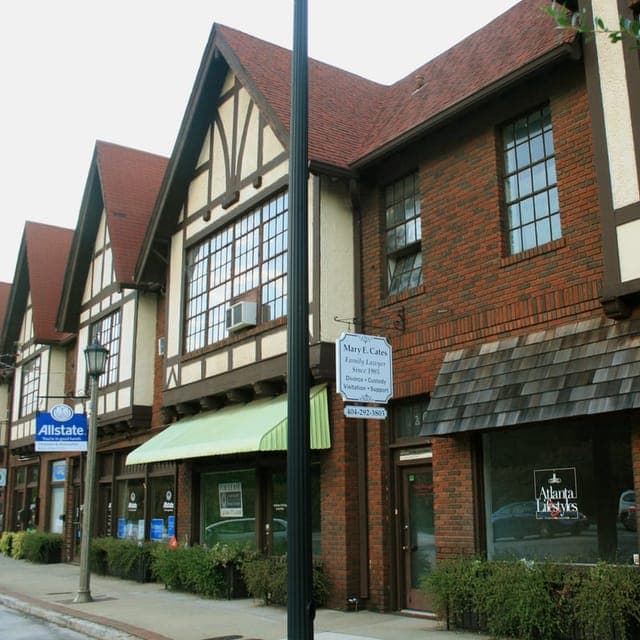
Similar small towns to Chattahoochee Hills

* Values derived from national, state, county, city and local statistics and may differ in a specific area. Last updated: 2026-04-23T05:19:03.000Z
Narrative content on this page is AI-generated and may contain mistakes. Verify any details that matter before acting on them.
ReloMaps may earn a commission from affiliate links at no extra cost to you.

