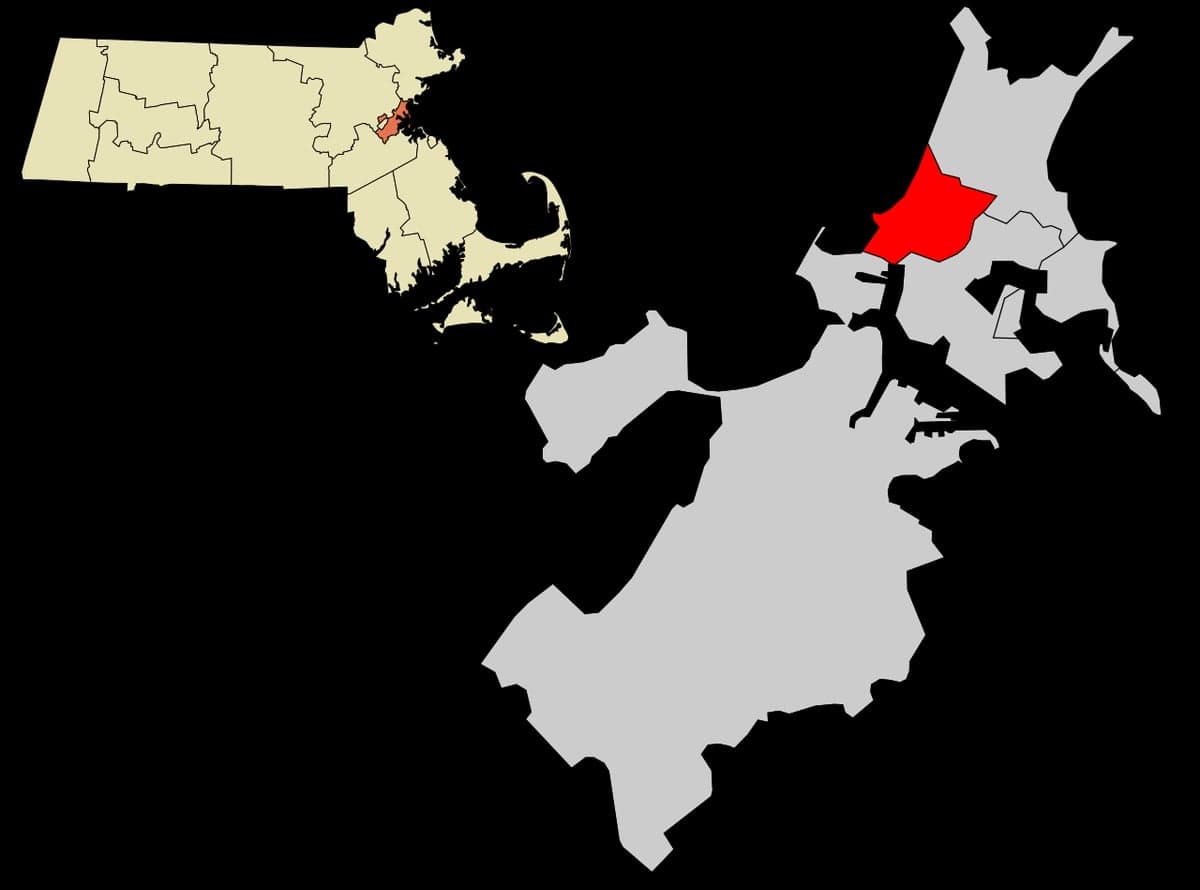
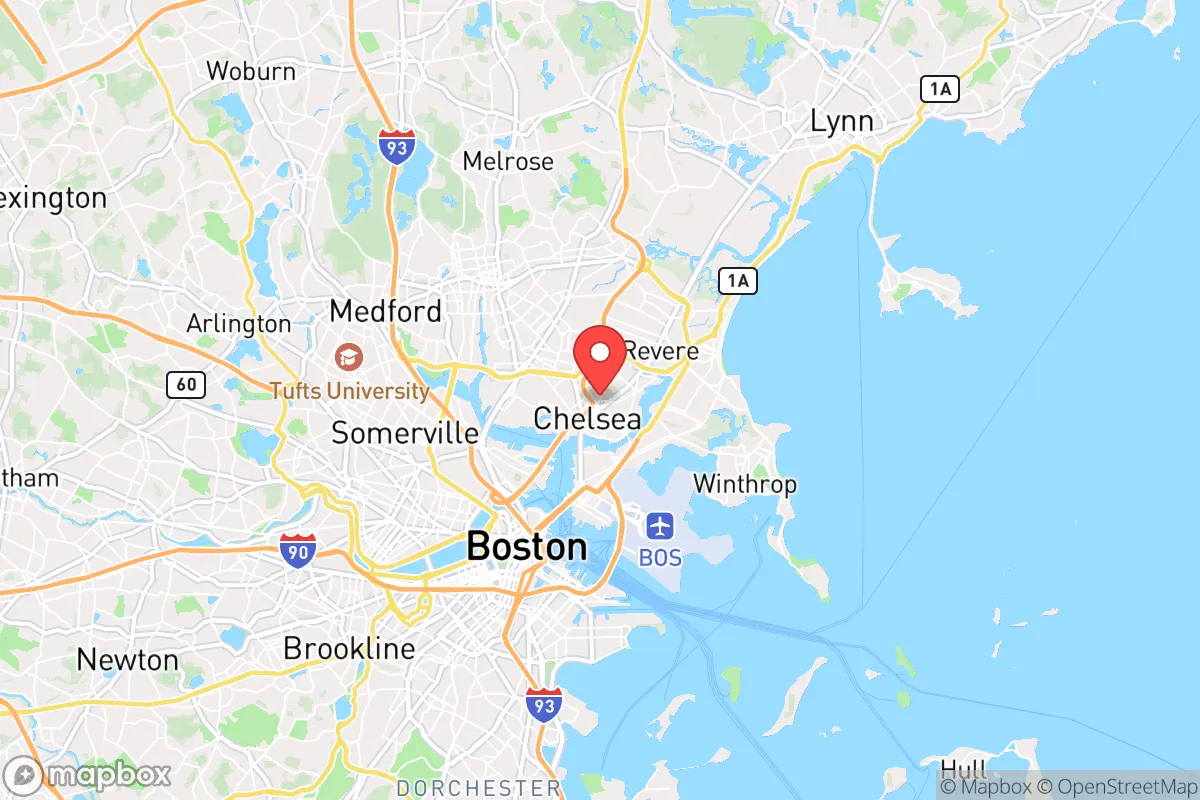
Photo: Wikipedia
Find The Best Places To Live
in Chelsea
PRO TIP! You can paste a Zillow or Redfin link to get info on that property.
What It's Like Living in Chelsea, MA
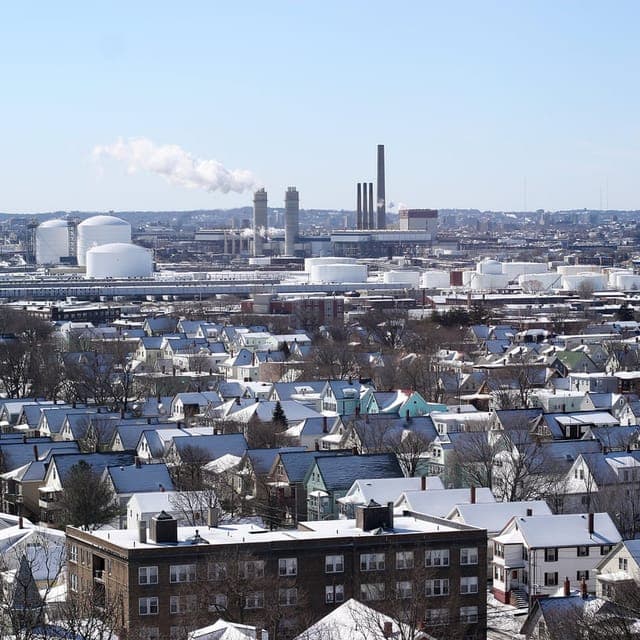
Chelsea, Massachusetts, feels less like a suburb of Boston and more like its scrappy, hardworking cousin who’s always got a story to tell. It’s a dense, walkable city of about 39,460 people where the pulse is fast, the accents are thick, and the skyline is a mix of triple-deckers and the Tobin Bridge looming overhead. Living here means being part of a place that’s been a landing pad for generations of immigrants, and that energy—along with the noise, the traffic, and the occasional chaos—is what defines it.
Daily Rhythm and Who Fits In
Most mornings in Chelsea start with the rumble of the Commuter Rail or the 111 bus heading into Boston, because the average commute here clocks in at just over 33 minutes—longer than you’d expect for a city that’s literally across the Mystic River from downtown. The people who live here are young, with a median age of 34.5, and they’re often working in trades, healthcare, or service jobs. You’ll see electricians grabbing coffee at Dunkin’ on Broadway before heading to a job site, or nurses catching the Silver Line to Logan or Mass General. It’s not a place for the wealthy or the highly educated—only about 22% of adults hold a college degree, and the median household income sits at $72,220, which is tight for the region. The kind of person who fits in here is someone who values proximity to Boston over suburban space, doesn’t mind a little grit, and is probably renting rather than buying, given the median home value of $476,500 and a cost of living index of 164—well above the national average.
Weekends are practical. People shop at Market Basket on Everett Avenue for groceries, hit up Bellingham Square for the Latin bakeries and discount stores, or head to Mary O’Malley Park along the river for a picnic with a view of the Boston skyline. There’s not a lot of pretension here—you won’t find artisanal coffee roasters or farm-to-table bistros. Instead, it’s El Potro for Salvadoran pupusas, La Sultana for Colombian arepas, and Kowloon in nearby Saugus if you want a kitschy, neon-lit night out. The city’s identity is proudly working-class and multicultural, with a strong Central American and Caribbean presence that shapes the food, the music, and the street life.
Sports, Entertainment, and What People Actually Do
Sports fandom here is less about Chelsea itself and more about Boston’s big four. You’ll see Patriots flags on porches, Red Sox caps at the bus stop, and Bruins jerseys at the local bars. But the city does have its own pride in Chelsea High School athletics, especially soccer and basketball, which draw solid crowds from the community. There’s no major league team in Chelsea, but the proximity to TD Garden and Fenway Park means you can be in your seat for a game in under 20 minutes by T or car—traffic permitting. For entertainment, the Chelsea Theatre on Broadway is a historic single-screen movie house that still shows first-run films for a bargain price, and the Adventure Park at Chelsea offers a ropes course and zip line that’s popular with families. The big annual event is Hispanic Heritage Month celebrations in September, which fill Bellingham Square with live music, food stalls, and dancing that spills into the streets. It’s the kind of thing that makes residents proud of the city’s diversity, even if the city itself lacks the polished cultural venues of Cambridge or Somerville.
Outdoor life is limited but functional. The Mystic River Reservation offers a paved path for running or biking along the water, and Eagle Square has a small skate park and basketball courts. But the real draw is the view of Boston from the waterfront—especially at sunset, when the city lights start to flicker on across the river. For more serious recreation, people drive 15 minutes to the Middlesex Fells Reservation for hiking or to Revere Beach for a walk on the sand. The weather follows New England’s usual rhythm: humid summers that make the triple-deckers feel like ovens, and cold, gray winters where the wind off the river cuts through you. Snow removal is a recurring headache, with narrow streets turning into slushy obstacle courses.
Pros and Cons of Living Here
What longtime residents love about Chelsea is the authenticity and convenience. You can walk to the T, be in downtown Boston in 10 minutes, and still afford a two-bedroom apartment for under $2,500 a month—which is a steal for the metro area. The food scene is genuinely excellent if you know where to look, and the sense of community among immigrant families is strong, with block parties and cookouts happening regularly in the warmer months. The schools, while not top-tier, are improving and serve as community hubs for after-school programs and ESL classes. But the frustrations are real. The violent crime rate of 681.3 per 100,000 is more than double the national average, and while much of it is concentrated in specific areas, it’s something you have to be aware of—especially if you’re a single person walking home late or a parent deciding where to let your kids play. Traffic on the Tobin Bridge and the Chelsea Street corridor is a daily grind, and parking is a nightmare if your building doesn’t have a lot. The city is also dense and noisy—you’ll hear your neighbors, the buses, and the sirens. It’s not a place for people who want peace and quiet or a big backyard.
One cultural quirk that stands out: Chelsea has a strong sense of local identity that’s separate from Boston, even though it’s only a mile away. People here will tell you they’re from Chelsea, not “near Boston,” and there’s a pride in the city’s history as a working port and a gateway for immigrants. The annual Chelsea Pride Parade and the Veterans Day ceremony at City Hall draw real crowds, not just obligatory attendance. For the right person—someone who values urban energy, cultural diversity, and a short commute over suburban safety and space—Chelsea can feel like a hidden gem. For everyone else, it’s a place you pass through on the way to somewhere else.

Similar towns to Chelsea
* Values derived from national, state, county, city and local statistics and may differ in a specific area. Last updated: 2026-05-01T04:16:12.000Z
Narrative content on this page is AI-generated and may contain mistakes. Verify any details that matter before acting on them.
ReloMaps may earn a commission from affiliate links at no extra cost to you.

