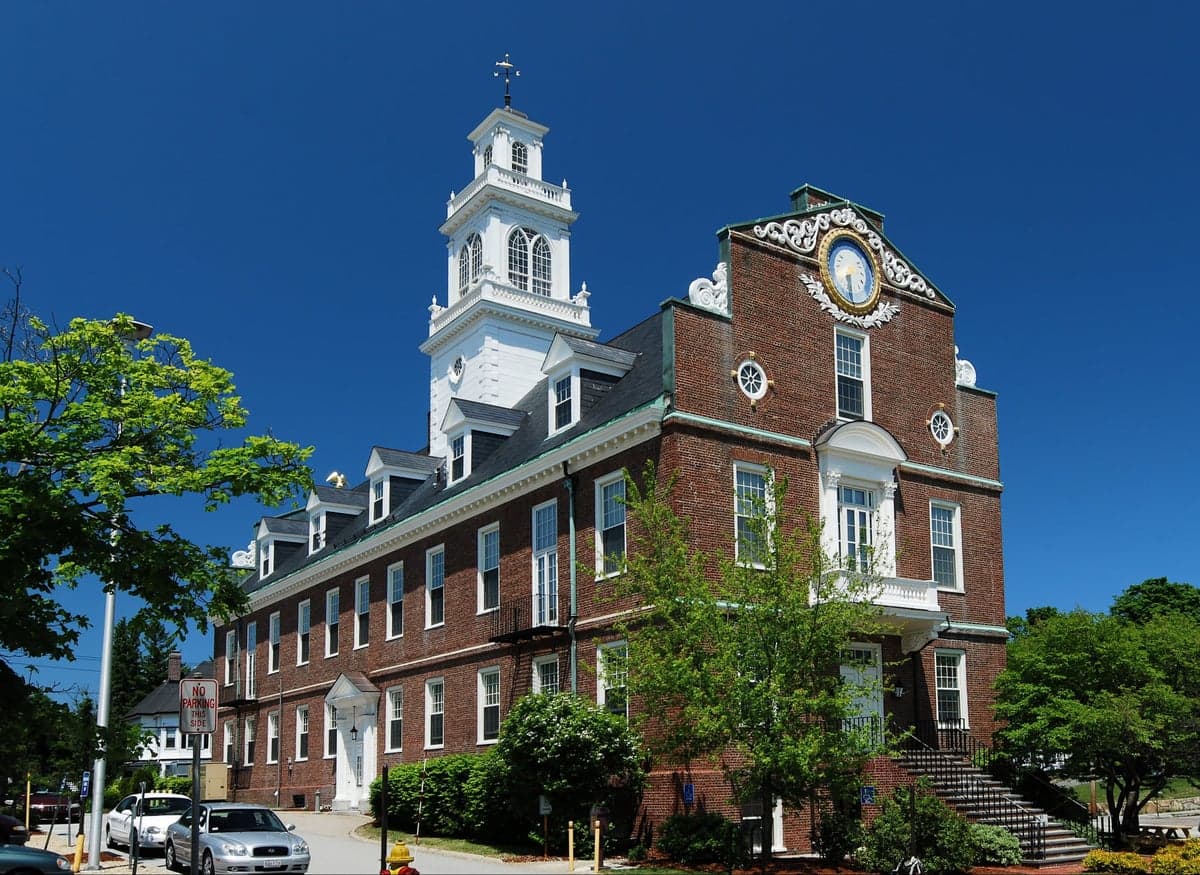
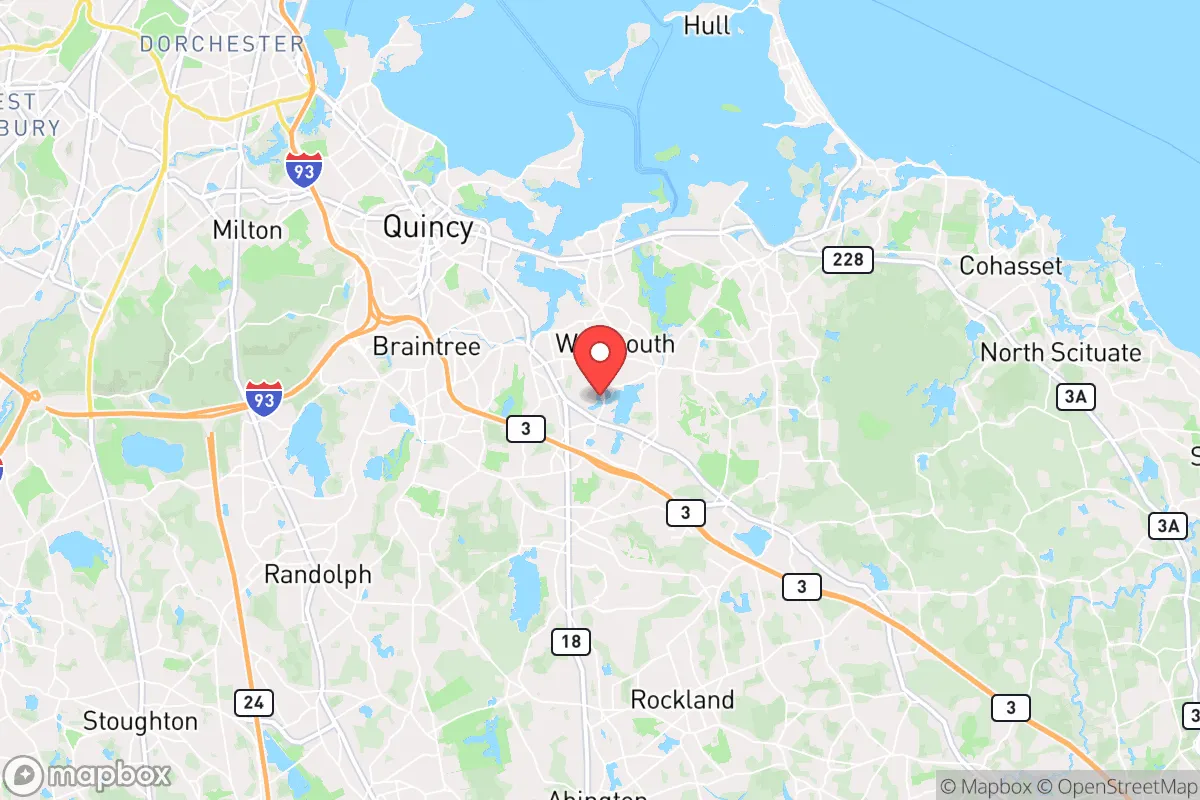
Photo: Wikipedia
Find The Best Places To Live
in Weymouth Town
PRO TIP! You can paste a Zillow or Redfin link to get info on that property.
What It's Like Living in Weymouth Town, MA
Weymouth Town, Massachusetts, has a reputation as a solid, middle-class South Shore community that feels more like a collection of distinct villages than a single suburb. It’s the kind of place where you’ll find old-timers who remember when the shipyards were booming and young families who moved here because Boston is 30 minutes away but the yards are bigger and the schools are decent. The town doesn’t try to be flashy—it’s practical, a bit salty, and deeply rooted in its maritime history, with a vibe that leans more “steady job at the shipyard or hospital” than “commuter to a tech startup.”
The Daily Rhythm: Work, Commute, and the South Shore Grind
For most residents, daily life revolves around a long commute and a strong sense of local routine. The average one-way trip is about 35 minutes, and that’s a realistic number—many people drive to the Quincy Adams or Braintree T stations to catch the Red Line into Boston, or they head to the Fore River Shipyard or South Shore Hospital, the town’s two largest employers. The MBTA commuter rail stops at Weymouth Landing and East Weymouth, which is a lifeline for anyone working downtown. Traffic on Route 3 and the expressway is a daily headache, especially during summer weekends when everyone heads to Cape Cod. Locals know to avoid the Hingham Shipyard area on Friday afternoons. The median household income of about $100,000 means most families are comfortable but not wealthy, and the cost of living index of 169 (well above the national average) means that $100K doesn’t go as far as it would in, say, Texas or Ohio. You’ll see a mix of tradespeople, nurses, teachers, and mid-level managers here—people who work hard and value a backyard and a garage over a condo in the city.
Sports, Community, and Where People Actually Hang Out
High school sports are a big deal here, especially football and hockey. Weymouth High School’s rivalry with Braintree and Hingham draws solid crowds on Friday nights, and the town’s youth sports leagues are well-organized, which matters a lot to parents. There’s no major pro team in town, but you’re a short drive from Gillette Stadium (Patriots and Revolution) and TD Garden (Bruins and Celtics), so fandom is split between Boston teams. For a night out, locals gravitate toward the Hingham Shipyard complex—it’s technically in Hingham but right on the border, with places like the Brick & Beam (a gastropub in a former shipbuilding building) and Stars on Hingham Harbor for live music. In Weymouth proper, The Couch on Washington Street is a reliable spot for craft beer and pub food, while Weymouth Landing has a handful of Irish pubs and pizza joints that feel unchanged since the 1980s. The town’s biggest annual event is the Weymouth Fourth of July Parade, which is genuinely well-attended and includes a carnival on the town common. There’s also the Weymouth Club on the water, a private social club that hosts weddings and events—it’s a bit of a local institution.
What’s There to Do: Parks, Water, and the Occasional Festival
Outdoor life here is defined by the water. Wessagussett Beach is a small, rocky beach that’s fine for a summer afternoon but not Cape Cod. Great Esker Park offers hiking trails through a unique glacial ridge formation, and Webb Memorial State Park has walking paths with views of Boston Harbor—it’s a popular spot for dog walkers and sunset watchers. For families, the South Shore Plaza in Braintree is the closest major shopping destination, but locals also hit the Weymouth Farmers Market on summer Saturdays. The town has a strong sense of local identity, partly because it’s divided into five distinct villages (North Weymouth, South Weymouth, East Weymouth, West Weymouth, and Weymouth Landing), each with its own post office and small commercial strip. That means you’ll hear people say “I’m from East Weymouth” rather than just “Weymouth.” One cultural quirk: the town seal features a ship under full sail, and the local high school mascot is the Wildcat—a nod to the town’s early nickname, “Wildcat Town,” from the 19th-century shipbuilding era.
Pros and Cons of Living Here
- Pro: Location is hard to beat. You’re 20 minutes from downtown Boston, 30 minutes from the Cape Cod Canal, and close to the Blue Hills Reservation for hiking. The commuter rail makes it feasible to work in the city without driving.
- Con: Traffic is a genuine drag. The expressway (Route 3) and the Fore River Bridge can turn a 20-minute drive into 45 minutes, especially during summer. Locals complain about it constantly.
- Pro: Schools are solid. Weymouth Public Schools have a decent reputation, especially at the elementary level, and the high school offers vocational programs through the South Shore Vocational Technical High School. The median age of 43.8 means a lot of families with school-age kids.
- Con: Cost of living is high. The median home value of $516,200 means a starter home is a fixer-upper, and property taxes are steep. Renters face even tighter competition.
- Pro: The community is genuine. People know their neighbors, the Fourth of July parade is a real event, and there’s a sense of pride in the town’s working-class roots. It’s not a transient suburb—many residents have lived here for decades.
- Con: Nightlife is limited. If you want a vibrant bar scene or live music beyond cover bands, you’re heading to Boston or Quincy. The town’s restaurants are mostly reliable but unremarkable—think pizza, seafood, and Chinese takeout.
- Pro: Safety is generally good. The violent crime rate of 235.8 per 100,000 is slightly above the national average but still low for a town this size. Most crime is property-related, and the neighborhoods feel safe for walking and kids playing outside.
- Con: Weather is classic New England—cold, gray winters with nor’easters, and humid summers. The town gets its share of snow, and coastal flooding can be an issue in low-lying areas near the bay.

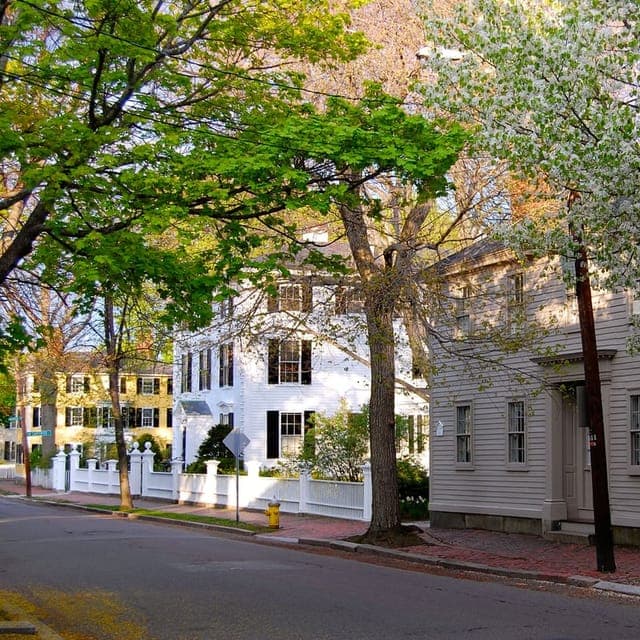
Similar small cities to Weymouth Town
* Values derived from national, state, county, city and local statistics and may differ in a specific area. Last updated: 2026-05-01T15:48:24.000Z
Narrative content on this page is AI-generated and may contain mistakes. Verify any details that matter before acting on them.
ReloMaps may earn a commission from affiliate links at no extra cost to you.

