

Photo: Wikipedia
Quality of Life in Cherry Hills Village, CO
A high quality of life with strong walkability, manageable living costs, healthy neighborhood signals, and solid amenity access.
What does Quality of Life tell us?
Quality of Life blends cost of living, nearby amenities, socioeconomic signals, and neighborhood character. City-level scores represent the whole municipality; individual neighborhoods can differ.
What does this tell us?
Quality of Life blends cost of living, nearby amenities, socioeconomic signals, and neighborhood character. City-level scores represent the whole municipality; individual neighborhoods can differ.
Cost of Living
The Real Cost of Living in Cherry Hills Village, CO for 2026
| Tier | Individual | Family (4) |
|---|---|---|
| Survival | $57k | $108k |
| Comfortable | $389k | $571k |
| Luxury | $452k+ | $700k+ |
| Elite (Top 5%) | $871k+ | $1.4M+ |
44%
The Area Signal
A metric tracking the socioeconomic signals of the area.


Hobbies
Explore the areaGroceries
10 within 10 miles
Gas
20 within 10 miles
Hospital
3 within 20 miles
Airport
DEN — DoubleTree by Hilton Denver International
Post Office
USPS — Englewood, CO
Critical Amenities
Quality-of-Life Analysis
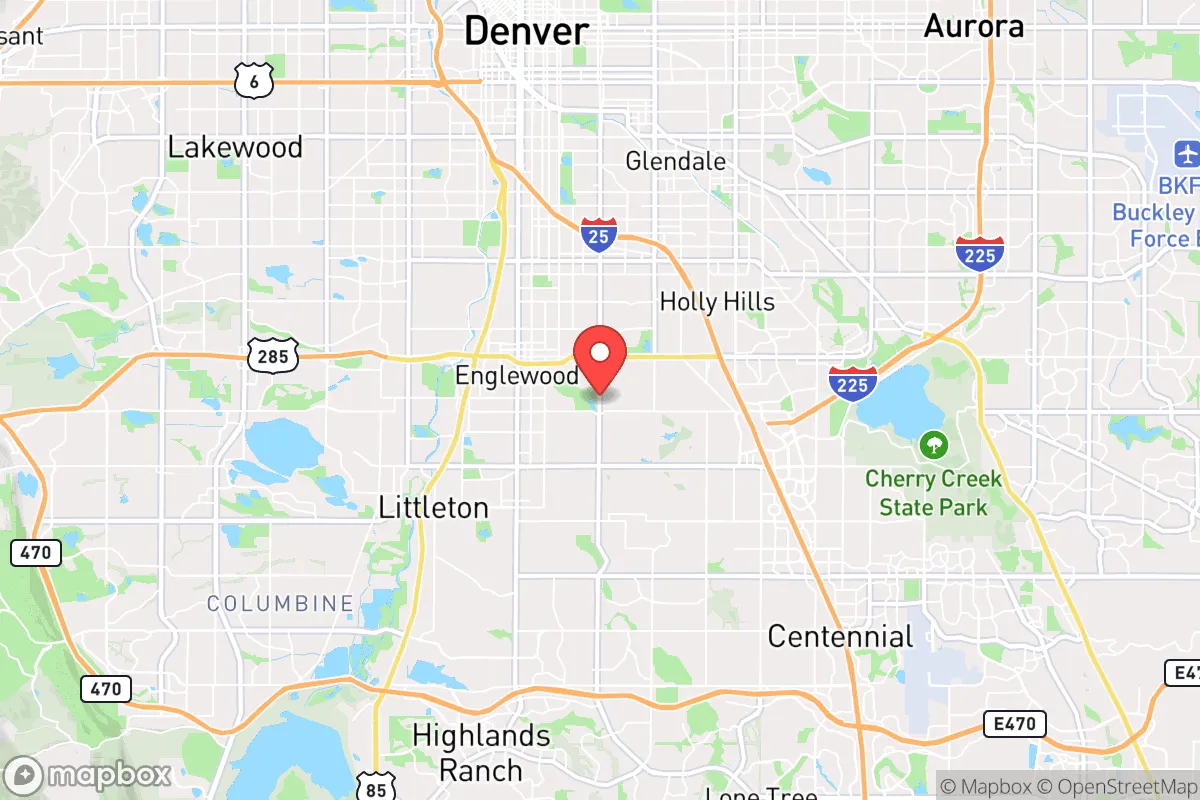
Cherry Hills Village, Colorado, is one of the Denver metro area’s most affluent enclaves, home to roughly 6,000 residents in a tightly regulated, low-density setting. The village is known for its sprawling estates, equestrian properties, and a population that skews toward high-net-worth professionals, executives, and families seeking privacy and top-tier public services. With a median home value of $2,000,001, the community sits in stark contrast to neighboring cities like Englewood or Littleton, where median values hover closer to $600,000–$700,000.
What it costs to live in Cherry Hills Village vs. nearby cities
The cost of living in Cherry Hills Village is roughly 150% above the national average, driven almost entirely by housing. The median home value of $2,000,001 places it among the priciest suburbs in Colorado, far exceeding nearby Greenwood Village ($1.1 million median) and Cherry Creek North ($1.4 million). Rents are similarly elevated, with few apartments available due to zoning that favors single-family homes on large lots—minimum lot sizes are typically one acre. Property taxes remain moderate by Colorado standards (around 0.55% of assessed value), but the sheer price of entry means that only buyers with significant equity or cash reserves can afford to purchase here. For comparison, a home in Cherry Hills Village costs roughly three times the median in unincorporated Arapahoe County, making it a deliberate choice for those who prioritize space, exclusivity, and proximity to Denver over affordability.
Schools, parks, and daily life for families in Cherry Hills Village
Cherry Hills Village is served by the Cherry Creek School District, consistently ranked among Colorado’s top districts. Public schools like Cherry Hills Village Elementary (rated 10/10 on GreatSchools) and nearby Cherry Creek High School draw families who prioritize academic performance. Daily life revolves around the village’s extensive trail network—the High Line Canal Trail runs through the community—and private amenities like the Cherry Hills Country Club and the Denver Country Club. There are no commercial districts within the village itself; residents drive to nearby Cherry Creek North or downtown Englewood for groceries, dining, and retail. The village maintains a strict rural-residential character, with no streetlights in many areas and a ban on sidewalks in certain subdivisions, which appeals to those seeking a quiet, horse-friendly environment. Crime rates are among the lowest in the metro area, with property crime roughly 80% below the national average and violent crime virtually nonexistent.
Cherry Hills Village is best suited for affluent families, empty-nesters, and executives who value privacy, low density, and access to elite schools over walkability or urban amenities. Those who thrive here are willing to trade convenience—no downtown main street, limited public transit—for large lots, equestrian trails, and a secure, low-key atmosphere. It is not a fit for first-time buyers, renters, or anyone seeking a vibrant street-level community; instead, it offers a deliberately curated suburban retreat within 20 minutes of downtown Denver.

Crime in Cherry Hills Village, CO
Lower crime rates than 94% of comparable U.S. locations.
Violent CrimeViolent Crime Analysis
Property CrimeProperty Crime Analysis
Crime Analysis
Cherry Hills Village, Colorado, is one of the safest communities in the Denver metro area, with a violent crime rate of 0 per 100,000 residents—effectively zero—and a property crime rate of 853.1 per 100,000, which is significantly below both state and national averages. This affluent enclave in Arapahoe County benefits from its own dedicated police department and a highly engaged, low-density residential environment. However, prospective residents should weigh this safety against the broader context of the Denver metro area, where progressive prosecutorial policies in surrounding jurisdictions have raised concerns about recidivism and property crime spillover.
Crime in context
Cherry Hills Village’s violent crime rate of 0 per 100,000 places it in the top 1% of safest U.S. municipalities. For comparison, the national violent crime rate in 2024 was roughly 380 per 100,000, and Colorado’s state rate hovered near 410 per 100,000. Property crime in Cherry Hills Village—at 853.1 per 100,000—is about half the national average of 1,954 per 100,000 and well below the Colorado average of 2,300 per 100,000. The village’s isolation from major thoroughfares and its limited commercial zones reduce opportunistic theft. Still, the broader Denver metro area has seen property crime rise since 2020, driven in part by progressive district attorneys in Denver and Adams Counties who have implemented low-bail and diversion-first policies. While Cherry Hills Village itself is insulated, its proximity to these jurisdictions means that regional crime trends can occasionally affect its borders.
What residents experience
Residents of Cherry Hills Village report a near-total absence of street-level crime, with the most common incidents being package thefts and occasional vehicle break-ins near the village’s few retail nodes. The police department maintains a visible presence through patrols and a neighborhood watch network, and response times are under five minutes. The village’s zoning—large lots, limited public access, and gated or private drives—naturally deters casual criminal activity. However, the progressive justice philosophy in nearby Denver and Aurora has led to concerns about repeat offenders cycling through the system. For example, Denver’s 2023 decision to reduce felony charges for many thefts under $2,000 has been linked to a 15% increase in auto thefts in the metro area. Cherry Hills Village residents benefit from low direct exposure, but the regional environment means that property crime risks are not zero.
Neighborhood-level variation is minimal within Cherry Hills Village due to its uniform affluence and low density. The few areas near the intersection of Hampden Avenue and Quebec Street, where some commercial properties exist, see slightly higher property crime rates, but these remain well below metro averages. The village’s eastern edge, bordering Greenwood Village, shares similarly low crime statistics. For those prioritizing safety above all, Cherry Hills Village is a standout, but the broader metro area’s progressive judicial trends warrant caution for anyone concerned about long-term regional stability.
* Values derived from national, state, county, city and local statistics and may differ in a specific area. Last updated: 2026-04-16T00:58:17.000Z
Narrative content on this page is AI-generated and may contain mistakes. Verify any details that matter before acting on them.
ReloMaps may earn a commission from affiliate links at no extra cost to you.

