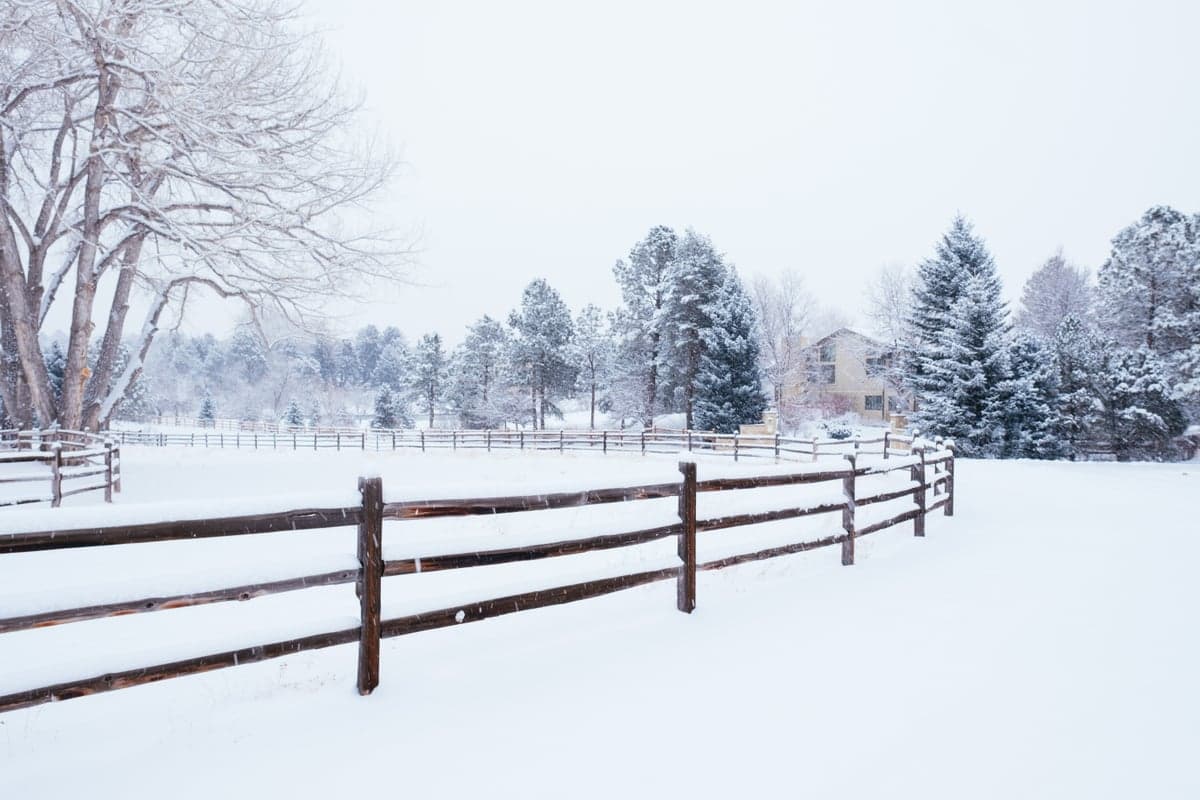
Photo: Wikipedia
Strategic Assessment of Cherry Hills Village, CO
Multiple tactical vulnerabilities. Population density, target proximity, or disaster risk are likely compounding. A retreat property and exit planning is required.
What does the Strategic Assessment tell us?
Our Strategic Assessment grades tactical survivability of an area. Major population centers, military targets, fallout zones, natural disasters, and border exposure all drive risk — lower exposure means a more defensible position in a crisis.
This is heavily inspired by Joel Skousen's Strategic Relocation book. Highly recommended you checkout the book ($)What does this tell us?
Our Strategic Assessment grades tactical survivability of an area. Major population centers, military targets, fallout zones, natural disasters, and border exposure all drive risk — lower exposure means a more defensible position in a crisis.
This is heavily inspired by Joel Skousen's Strategic Relocation book. Highly recommended you checkout the book ($)Strategic Pillars

Key Distances
Regional Safe Places
Below is our recommended "safe zones" in Colorado and the surrounding area based on our strategic heuristics. For most people, it's unrealistic to live in a “safe zone” full-time due to work, family or other personal reasons. They tend to be more rural. However, many of these areas are perfect for second homes and retreat properties that double as a vacation home or even a short-term rental.
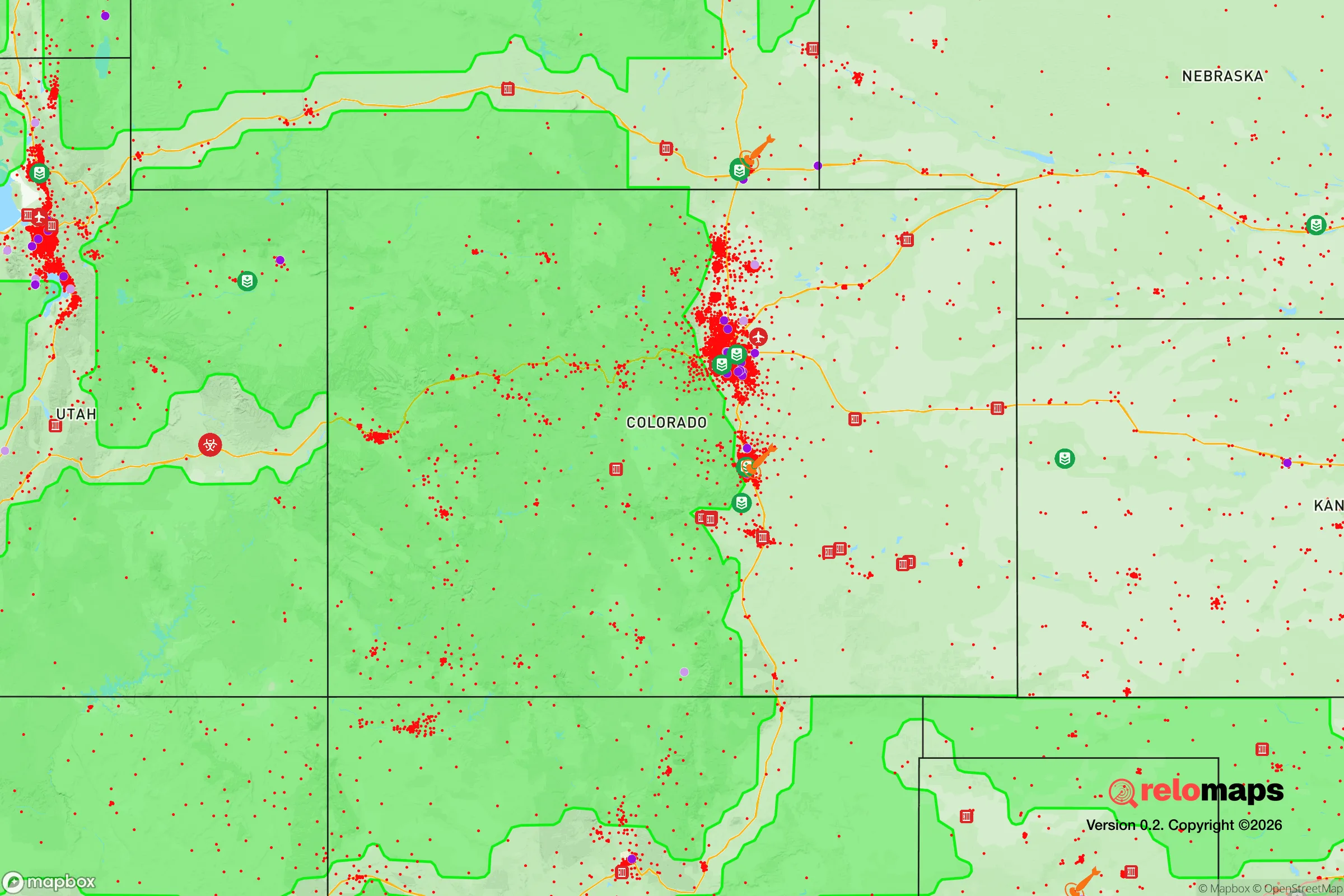
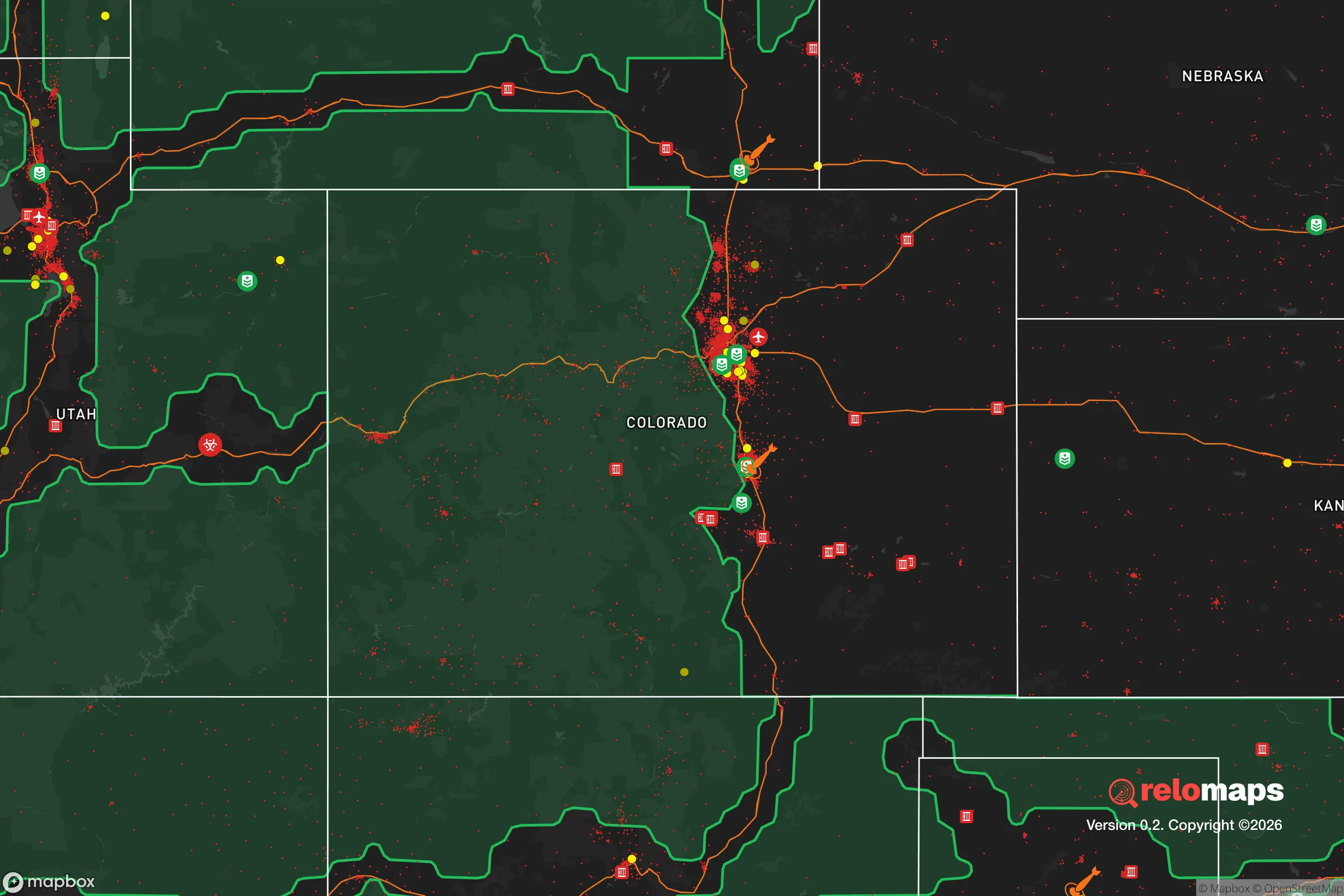


Important Note: For informational purposes only. This does not mean nothing bad ever happens in the green zones. Please use common sense. This is based on public data and modeled with AI. We tried to take a conservative approach but mistakes happen. We update this regularly as new information becomes available.
Solar Generator Recommendations
Backup power matters more here than in safer locations. We've picked three solar generators across budgets and capacity tiers — start with the budget unit if you only need a few essentials, or step up if you want to run a fridge and HVAC for days at a time.

Jackery Portable Power Station Explorer 300
Budget OptionPower on the Go: Weighing only 11 lbs, it's convenient to set up and store with book-sized foldable solar panels

BLUETTI Portable Power Station AC180
Designed for both indoor and outdoor scenarios, AC180 is highly capable as it has a robost capacity and continuous output power.

EF ECOFLOW DELTA Pro Ultra Power Station
Upgraded PickEcoFlow DELTA Pro Ultra is a whole-home energy system designed to grow with your family. Integrated with the Smart Home Panel 2, it scales to meet your evolving energy needs — keeping your home powered, intelligent, and secure through every stage of life.
We earn a commission, at no additional cost to you.
Strategic Assessment Analysis
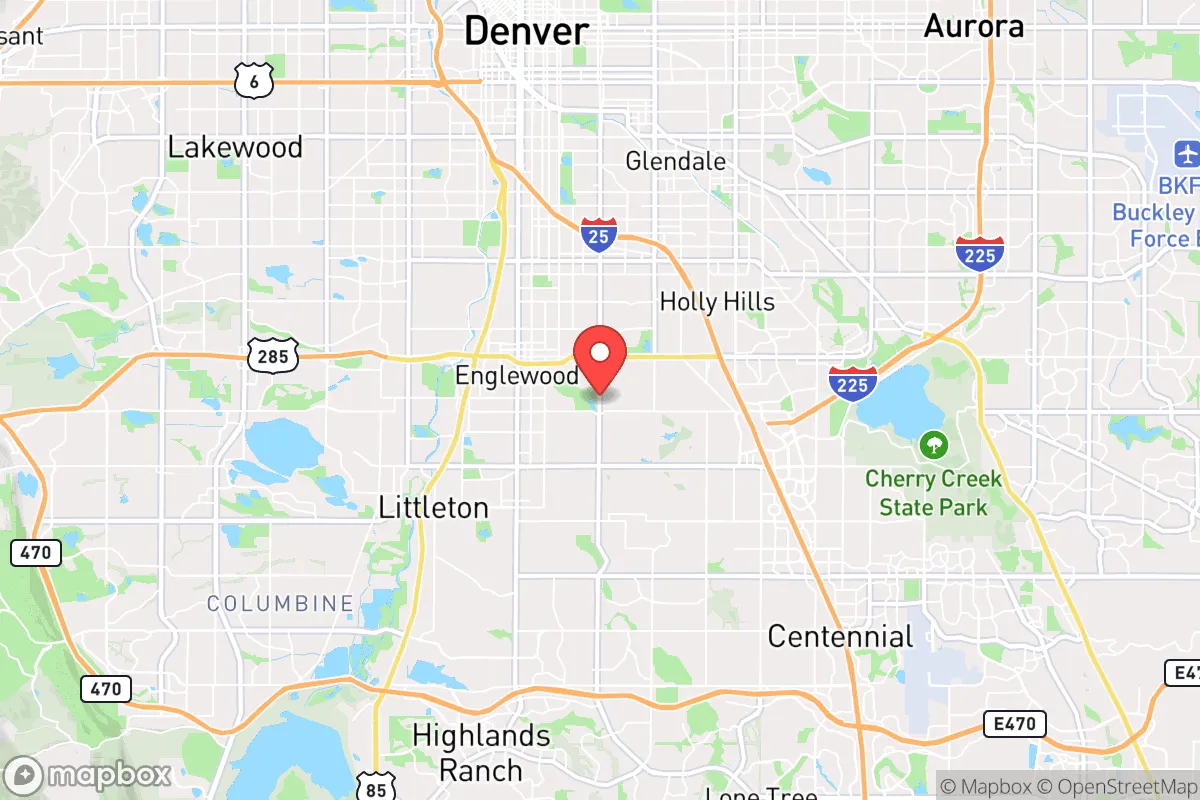
Cherry Hills Village, Colorado, offers a unique strategic position for those prioritizing resilience and preparedness, but it is not without significant trade-offs. Nestled in Arapahoe County just south of Denver, this affluent enclave provides a buffer from immediate urban chaos while remaining dangerously close to a major metropolitan target. For a conservative-leaning relocator concerned with civic unrest, mass casualty events, or societal collapse, the village’s low population density, high median income, and strong community networks are assets, but its proximity to Denver, the Denver International Airport (DIA), and critical infrastructure like the Buckley Space Force Base introduces serious vulnerabilities. The key is understanding that Cherry Hills Village is a layered defense position—not a remote bunker—requiring a clear-eyed assessment of its geographic blessings and its exposure to fallout-relevant threats.
Geographic position and natural advantages for long-term stability
Cherry Hills Village sits on the high plains at an elevation of roughly 5,400 feet, offering a natural defensive advantage over lower-lying areas. The terrain is gently rolling, with the South Platte River and Cherry Creek providing water sources, though both are within a few miles of the village. The area’s position along the Front Range urban corridor means it is 30 minutes from the Rocky Mountain foothills, offering a potential retreat route into national forest land if needed. The climate is semi-arid, with low humidity reducing mold and decay risks for stored supplies, and the 300+ days of sunshine per year support solar energy generation—a critical factor for off-grid resilience. The village’s zoning is almost exclusively large-lot residential (minimum 2.5 acres in many areas), which naturally limits population density and creates a built-in buffer against rapid urban spread. This low density also means fewer choke points on roads, though the main arteries—University Boulevard and Quebec Street—can become clogged during evacuations. The elevation also provides a clear line of sight for miles, aiding situational awareness, but it also means winter storms can isolate the area for days, a factor that cuts both ways for a prepper.
Risks, exposures, and proximity to fallout-relevant landmarks
The most glaring vulnerability is Cherry Hills Village’s location within the Denver metropolitan area, a high-probability target for civil unrest or infrastructure disruption. Denver’s population of over 700,000, combined with the regional hub of DIA (a major FEMA and military logistics node), makes the entire Front Range a potential flashpoint. Buckley Space Force Base, located just 10 miles east in Aurora, is a critical Space Force installation and a likely target in any conflict scenario—its proximity means a direct hit or even a conventional strike could produce fallout or secondary effects. The village is also within 15 miles of the Denver Federal Center in Lakewood, which houses numerous government agencies. In a mass casualty event or societal breakdown, these landmarks could become magnets for looters, refugees, or military activity. The area’s wealth also makes it a target: Cherry Hills Village has one of the highest per-capita incomes in Colorado, which could attract desperate populations during a crisis. The risk of wildfires is moderate but real—the 2021 Marshall Fire in nearby Boulder County showed how quickly suburban areas can be consumed. Flooding from Cherry Creek is a lesser but present risk, especially in low-lying pockets. For a survivalist, the calculus is clear: the village offers a strong defensive perimeter but sits inside a larger, volatile system.
Practical resilience for a relocator: food, water, energy, and defensibility
For a single individual or family, Cherry Hills Village provides a solid foundation for practical self-sufficiency, but it requires proactive investment. Water is the most critical concern: the village relies on municipal water from Denver Water, a centralized system vulnerable to contamination or disruption. A well is not standard on most properties, but the large lot sizes (2.5+ acres) mean drilling a private well is feasible, though expensive (typically $15,000–$30,000). Rainwater collection is legal in Colorado but limited by state law to 110 gallons per property—insufficient for long-term needs. Storing 55-gallon drums or larger cisterns is a must. Food production is viable: the growing season is short (May to September) but productive for cold-hardy crops like potatoes, kale, and root vegetables. The large lots allow for substantial gardens, greenhouses, and even small livestock (chickens, goats) with proper zoning permits—though HOA restrictions in some neighborhoods may limit this. Energy resilience is strong: solar panels are common and net metering is available, but a battery backup system (e.g., Tesla Powerwall) is essential for grid-down scenarios. Natural gas is the primary heating fuel, so a backup propane tank or wood stove is wise. Defensibility is a mixed bag: the village’s low density and wealth mean most homes are set back from roads, with mature trees and fences providing cover. However, the lack of a unified neighborhood watch or private security force (beyond occasional patrols) means individual homeowners must harden their own property—reinforced doors, security cameras, and a well-stocked armory are standard for the prepper mindset. The local police department is small (about 20 officers) and response times could stretch during a widespread event.
The overall strategic picture for Cherry Hills Village is one of calculated risk. It offers a rare combination of wealth, space, and proximity to natural resources that can support a prepared individual or family, but it is not a remote sanctuary. The village’s greatest strength—its integration into the Denver economy and society—is also its greatest weakness in a collapse scenario. For a conservative relocator who values community, property rights, and self-reliance, Cherry Hills Village can work as a base of operations if you are willing to invest in hardening your home, securing independent water and energy, and establishing relationships with like-minded neighbors. The key is to treat it as a staging area, not a final redoubt. Have a bug-out plan for the mountains (e.g., a cabin in Park County or a retreat near Buena Vista), maintain a low profile, and stockpile supplies for at least 90 days. The village’s affluence and low crime rate (historically among the lowest in Colorado) make it a comfortable place to live day-to-day, but in a crisis, that comfort could evaporate quickly. If you are looking for a place to ride out the storm while staying connected to resources and community, Cherry Hills Village is a viable option—just don’t mistake it for a fortress.

* Values derived from national, state, county, city and local statistics and may differ in a specific area. Last updated: 2026-04-16T00:58:17.000Z
Narrative content on this page is AI-generated and may contain mistakes. Verify any details that matter before acting on them.
ReloMaps may earn a commission from affiliate links at no extra cost to you.

