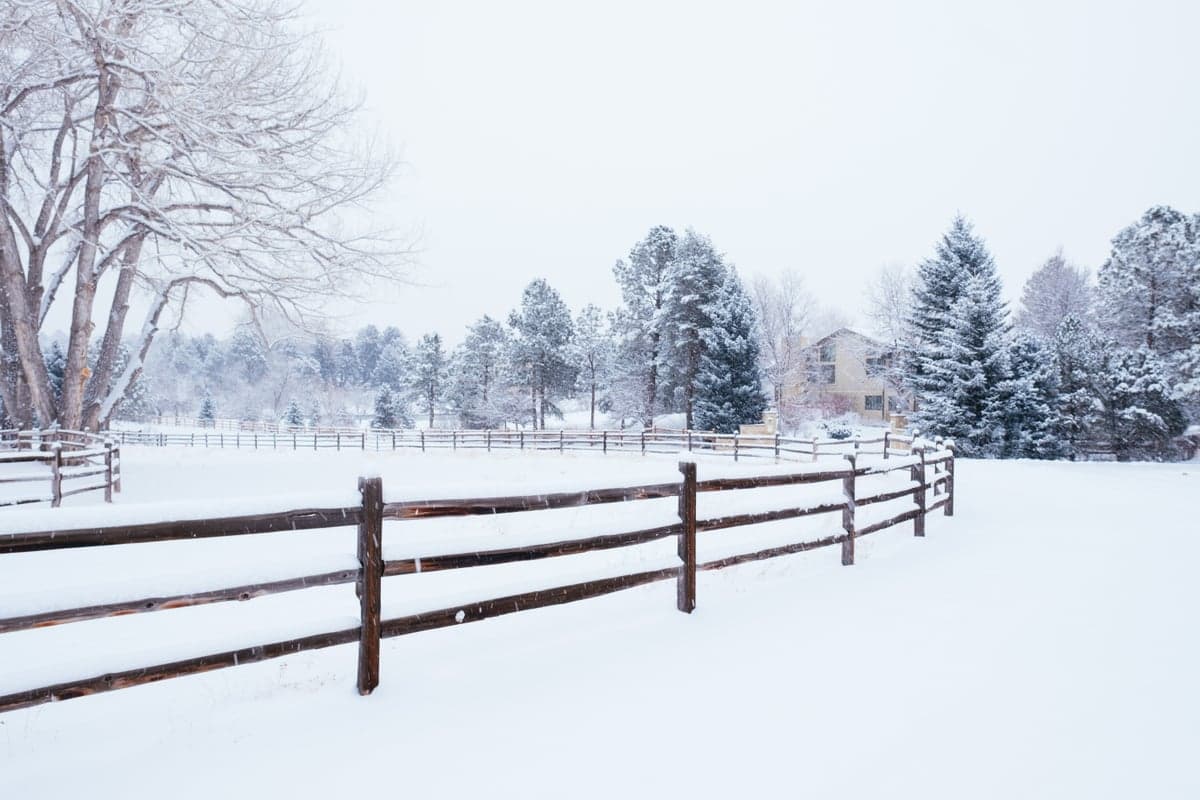
Photo: Wikipedia
Political ClimatePolitical Climate in Cherry Hills Village, CO
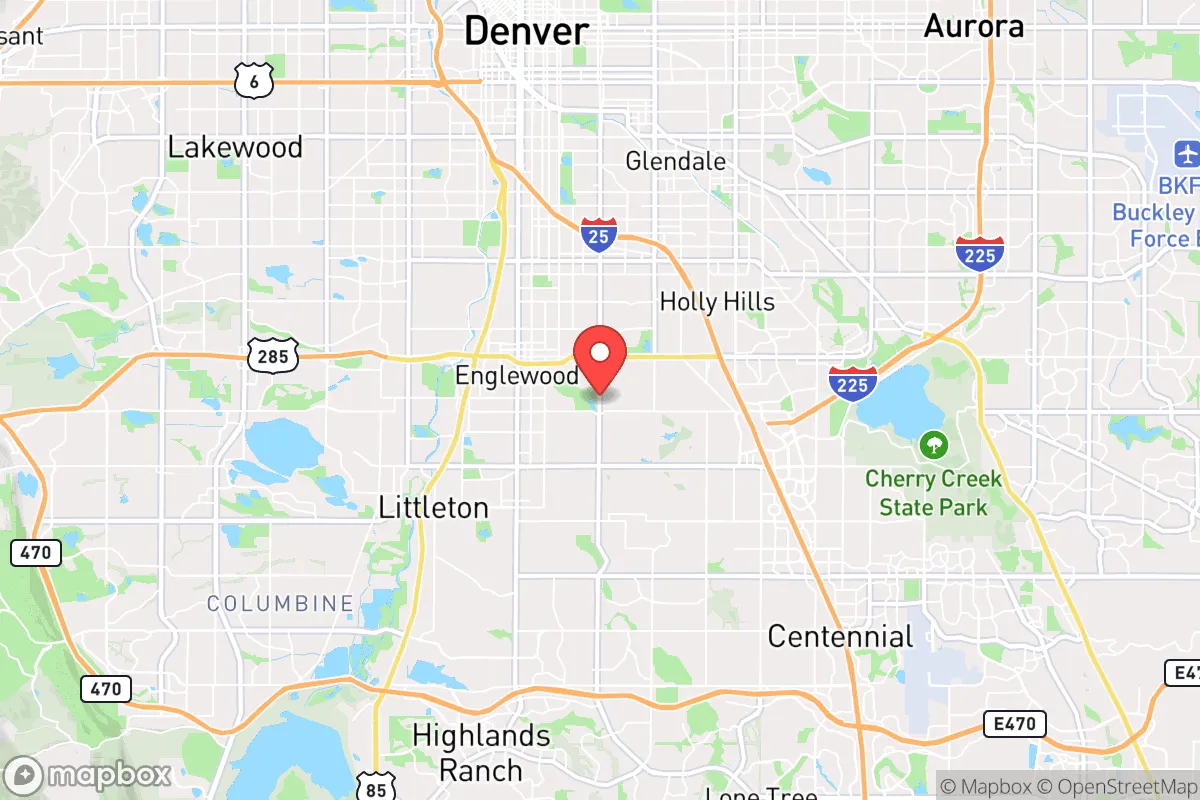
District shown is the primary district for this city’s centroid. Cities may span multiple districts.
Local Political AnalysisPolitical Analysis of Cherry Hills Village, CO
Cherry Hills Village, Colorado, has a Cook PVI of D+11, which tells you the political winds have shifted hard here over the past decade. I’ve lived in this area long enough to remember when this town was a reliably conservative stronghold—folks who valued low taxes, personal responsibility, and minimal government interference. Now, the voting patterns reflect a steady march toward progressive policies, and it’s not just the numbers; you can feel it in local elections and neighborhood conversations. The trajectory is concerning for anyone who believes in limited government and individual freedoms, because the trend line points toward more regulation, higher spending, and a cultural shift that prioritizes collective goals over personal liberty.
How it compares
Cherry Hills Village sits in Arapahoe County, which has swung left in recent cycles, but the contrast with nearby towns is stark. Head south to Greenwood Village or west to Littleton, and you’ll find more balanced or even conservative-leaning areas—places where property rights and school choice still get serious airtime. Even Englewood, just a few miles north, has a more mixed political vibe. But Cherry Hills Village, despite its wealth and historically independent character, now votes more like Boulder or Denver than its neighbors. That D+11 rating puts it in the same league as liberal enclaves, which is a big change from the days when this was a place where you could count on representatives to push back against state overreach. The contrast with Douglas County, which remains a conservative bastion, is especially sharp—you can drive 20 minutes south and feel like you’re in a different political universe.
What this means for residents
For those of us who value personal freedoms, the shift means paying closer attention to local ordinances and state-level mandates that creep into daily life. Property taxes here are already high, and with progressive leadership, you can expect more pressure for additional levies, zoning restrictions, and environmental regulations that limit what you can do with your own land. The school board dynamics have also changed, with more emphasis on equity initiatives and less on academic excellence and parental control. If you’re a conservative family, you might find yourself feeling like an outlier at community meetings or neighborhood gatherings. The long-term concern is that these trends accelerate—more government involvement in housing, energy, and even how you raise your kids. It’s not alarmist to say that the political climate here is becoming less hospitable to traditional values and more aligned with a top-down approach that erodes local autonomy.
Culturally, Cherry Hills Village still has its quiet, affluent character, but the policy distinctions are growing. You’ll see more support for statewide gun control measures, renewable energy mandates, and diversity programs that feel out of step with the area’s history. The local government has become more activist, pushing initiatives that prioritize climate goals over property rights and individual choice. For a long-time resident, it’s a slow but steady erosion of the principles that made this community attractive in the first place. If the trend continues, expect more regulation, less privacy, and a political environment that rewards conformity over independence. Keep an eye on the next few election cycles—they’ll tell you whether Cherry Hills Village can hold onto its roots or fully embraces the progressive wave.

State Political ClimatePolitical Climate in Colorado
State Political AnalysisPolitical Environment in the State
Colorado has transformed from a classic purple swing state into a solidly blue-leaning state over the past two decades, with Democrats now controlling the governorship, both U.S. Senate seats, and both chambers of the state legislature. The shift has been dramatic: in 2004, Colorado voted for George W. Bush; by 2024, it gave Kamala Harris a roughly 13-point margin. The dominant coalition is a mix of Denver-metro suburbanites, young transplants from blue states, and a growing Hispanic population in the Front Range, while rural and exurban areas have become increasingly Republican redoubts. For a conservative considering relocation, the state’s trajectory is a cautionary tale of how fast a place can change when you’re not looking.
Urban vs. rural divide
The political map of Colorado is a tale of two worlds. The Denver-Aurora-Lakewood metro area, home to nearly 60% of the state’s population, is the engine of Democratic dominance. Denver, Boulder, and the inner-ring suburbs like Aurora and Lakewood vote 65-75% Democratic, driven by a highly educated, white-collar workforce in tech, aerospace, and government. The I-25 corridor from Fort Collins down to Colorado Springs is a mixed bag: Fort Collins and Loveland lean blue, while Colorado Springs—home to the Air Force Academy and Focus on the Family—remains a conservative stronghold, though it’s slowly purpling as younger military families move in. Rural Colorado, from the Eastern Plains to the Western Slope, votes overwhelmingly Republican. Counties like Elbert, Lincoln, and Moffat routinely give GOP candidates 70-80% of the vote. The divide is stark: you can drive 30 minutes east of Denver and go from a deep-blue city to a deep-red farming community where “Keep Colorado Free” signs outnumber campaign yard signs.
Policy environment
Colorado’s policy environment is a mixed bag that leans increasingly progressive. The state income tax is a flat 4.4%, which is moderate, but property taxes are relatively low compared to Texas or the Northeast. However, the regulatory posture is heavy: Colorado has some of the strictest environmental regulations in the country, including a 2024 law requiring a 50% reduction in greenhouse gas emissions by 2030, which is driving up energy costs and squeezing oil and gas development on the Western Slope. Education policy is a flashpoint: the state’s school choice system is decent, with charter schools and open enrollment, but the Denver Public Schools board has become a battleground over parental rights and curriculum transparency. In 2023, the legislature passed a law requiring schools to adopt “culturally responsive” curricula, which many conservatives see as a backdoor to critical race theory. Election laws are a sore spot: Colorado is a universal mail-in ballot state with automatic voter registration, same-day registration, and no voter ID requirement at the polls (though you need ID to register). This has led to ongoing concerns about election integrity, especially after the 2020 and 2022 cycles saw razor-thin margins in some state legislative races. The state also has a “red flag” law (Extreme Risk Protection Orders) that allows courts to temporarily seize firearms from individuals deemed a threat, which gun-rights advocates view as a due-process violation.
Trajectory & freedom
Colorado is becoming less free by nearly any conservative measure. The biggest red flag is the erosion of Second Amendment rights: in 2024, the legislature passed a ban on “assault weapons” and high-capacity magazines, which is currently tied up in court but signals the direction of travel. Parental rights took a hit in 2023 when the state passed a law requiring schools to allow students to use their preferred names and pronouns without notifying parents, effectively overriding parental authority. Medical freedom is under assault: Colorado was one of the first states to mandate COVID-19 vaccines for healthcare workers and state employees, and it maintains some of the strictest vaccine requirements for schoolchildren in the nation. Property rights are being squeezed by a 2023 law that allows local governments to impose rent control on mobile home parks, and by a 2024 “land use” bill that preempts local zoning to force higher-density housing in single-family neighborhoods—a move that many conservatives see as a federal-style overreach. On the plus side, Colorado has no state-level “right-to-work” law, but it also has no state income tax on Social Security benefits, which is a small win for retirees. The overall trend, though, is toward more government control over personal choices, from what you can drive (gas car bans are being discussed) to what you can say in the classroom.
Civil unrest & political movements
Colorado has a history of political flashpoints that a new resident would notice. The 2020 George Floyd protests in Denver turned violent, with looting and fires in the Capitol Hill neighborhood, and the city’s “defund the police” movement led to a 2021 budget cut that was partially reversed after a spike in homicides. Immigration politics are a live wire: Denver has become a sanctuary city, and in 2023-2024, the city saw a surge of migrants bused from Texas, straining shelters and schools. The state legislature passed a 2024 law limiting cooperation between local law enforcement and ICE, which has frustrated rural counties. On the right, the “Colorado Freedom Caucus” in the state house has been a vocal minority, pushing back on vaccine mandates and election integrity. There’s also a growing secessionist movement in the Eastern Plains—the “State of Jefferson” proposal—where ranchers and farmers feel ignored by Denver. Election integrity remains a hot-button issue: after the 2020 election, a group of Republican activists filed a lawsuit alleging irregularities in the mail-in ballot system, and while it was dismissed, the distrust lingers. You’ll see “Stop the Steal” signs in rural areas and “Hate Has No Home Here” signs in Boulder—the cultural divide is visible in every driveway.
Projection
Over the next 5-10 years, Colorado will likely continue its leftward drift, driven by in-migration from California, New York, and Illinois. The Denver metro area is projected to add another 500,000 people by 2035, most of them young professionals who vote blue. The rural counties will keep shrinking, losing population and political clout. The state legislature is likely to pass a state-level “assault weapons” ban that survives court challenges, a single-payer healthcare study, and stricter rent control. The parental rights battle will intensify, with more laws that bypass family authority in favor of school bureaucracy. The one wild card is the cost of living: if housing prices continue to skyrocket (Denver’s median home price is over $600,000), the in-migration could slow, and the political calculus might shift. But for now, a conservative moving to Colorado should expect to live in a state where their vote for governor or U.S. Senate is effectively meaningless, and where local politics in Denver or Boulder will be a constant fight against progressive overreach.
For a new resident, the bottom line is this: Colorado is a beautiful state with world-class outdoor recreation, but it’s politically hostile to conservative values. If you’re moving here, pick your county carefully—Elbert County, Douglas County, or the Western Slope towns like Grand Junction offer a more conservative lifestyle, while Denver, Boulder, and Fort Collins will feel like a different country. You’ll need to be active in local politics to protect your rights, especially on guns, education, and property. It’s not a lost cause, but it’s a state where the cultural war is being fought block by block, and the left has the momentum.
* Values derived from national, state, county, city and local statistics and may differ in a specific area. Last updated: 2026-04-16T00:58:17.000Z
Narrative content on this page is AI-generated and may contain mistakes. Verify any details that matter before acting on them.
ReloMaps may earn a commission from affiliate links at no extra cost to you.

