 Popular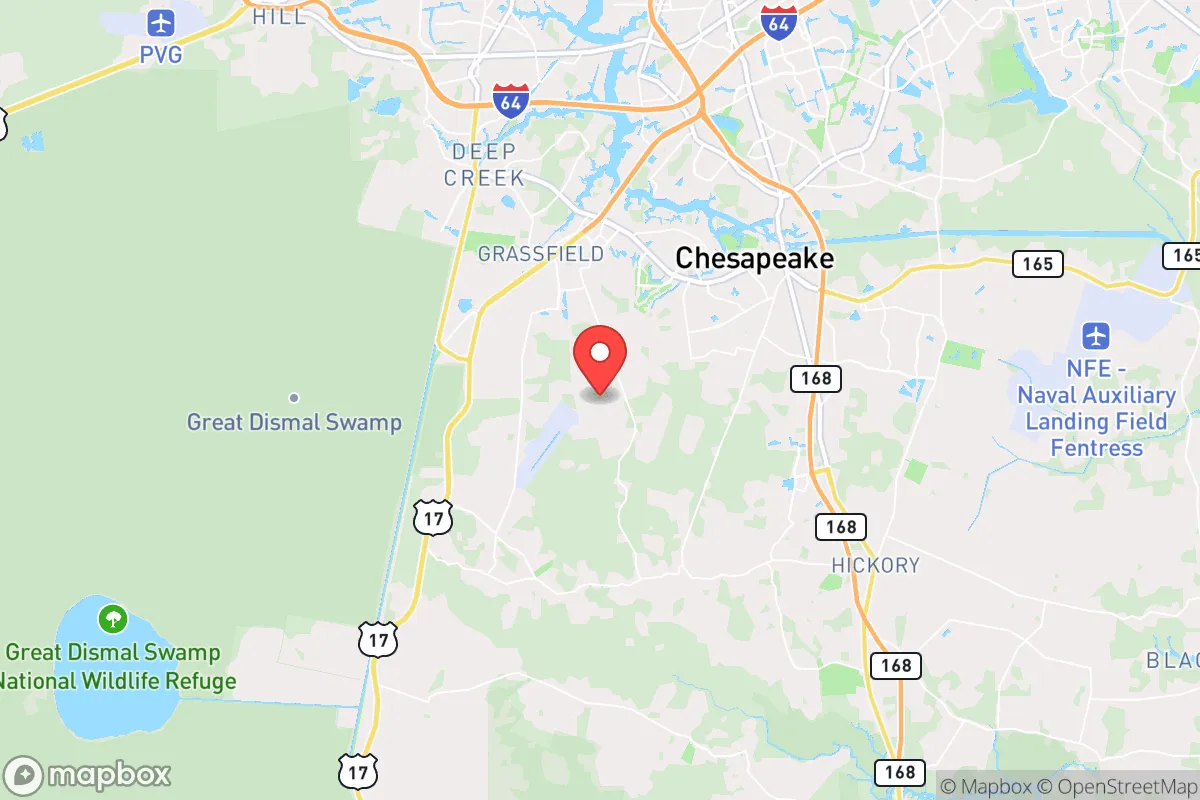
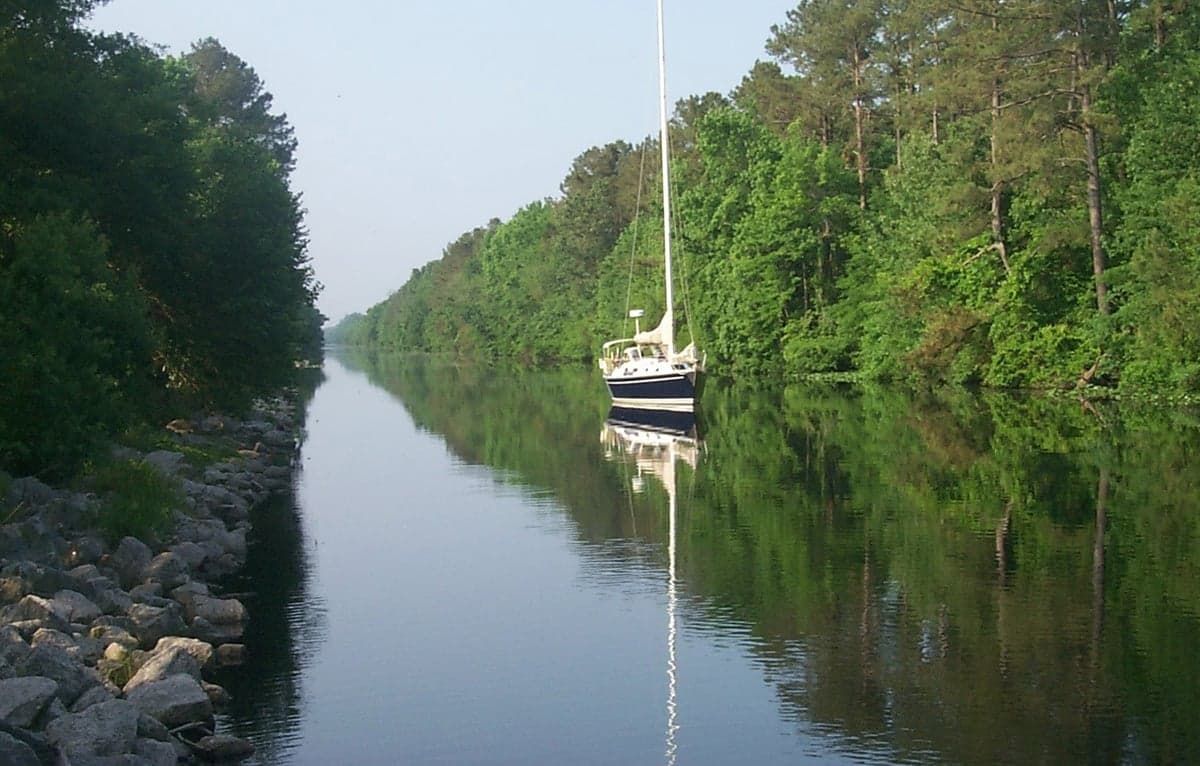
Photo: Wikipedia
Personal Sovereignty in Chesapeake, VA
Viable for self-reliance. Generally workable, though some barriers may limit total independence.
What does Personal Sovereignty tell us?
Personal Sovereignty measures your capacity for self-reliance and independence with minimal government friction. Higher scores mean fewer barriers between you and the way you want to live... but it assumes you have the space you need and good neighbors.
What does this tell us?
Personal Sovereignty measures your capacity for self-reliance and independence with minimal government friction. Higher scores mean fewer barriers between you and the way you want to live... but it assumes you have the space you need and good neighbors.
State Policy
Energy independence: Importer (20% of energy produced in-state)
Personal Liberty
Homesteading

Personal Liberty Analysis
Chesapeake, Virginia, offers a mixed bag for those prioritizing personal sovereignty, with the city's autonomy environment shaped by a blend of Virginia's moderate-to-restrictive state-level policies and a local culture that leans more libertarian-leaning than its coastal neighbors. For a survivalist or prepper mindset, the key tension here is between the state's regulatory appetite—especially in taxation and gun control—and the practical freedoms afforded by Chesapeake's geography, which includes rural pockets, agricultural zoning, and a relatively lower population density compared to Norfolk or Virginia Beach. The bottom line: you can carve out a self-reliant life here, but you'll need to navigate a state government that increasingly views personal preparedness as a regulatory target.
Tax burden and regulatory posture: How much of your income and property stays yours
Virginia's tax posture is a critical factor for anyone calculating long-term sovereignty. The state imposes a progressive income tax with rates from 2% to 5.75%, which is moderate nationally but feels heavy for those accustomed to no-income-tax states like Florida or Texas. Chesapeake's real property tax rate is $1.01 per $100 of assessed value, which is competitive within Hampton Roads but still represents a recurring claim on your land. The regulatory environment is where the friction shows: Virginia has a state-level building code that can complicate off-grid modifications, and the Virginia Department of Environmental Quality (DEQ) enforces strict stormwater management rules that affect even rural properties. For a prepper, this means any significant earth-moving, well-drilling, or alternative energy installation will require permits and inspections—a layer of government oversight that can feel like a leash. However, Chesapeake's city council has historically resisted some of the more aggressive regional planning mandates, and there is no local income tax, so your earnings are only hit once by the state. The overall tax burden is manageable if you're earning a solid income, but it's not a low-tax haven.
Self-defense and gun law specifics: What you can own, carry, and where
Virginia's gun laws have tightened significantly since 2020, and this is a major sovereignty concern for any prepper or self-defense-minded individual. The state now requires universal background checks on all firearm transfers, including private sales, and has a "one-handgun-a-month" purchase limit. Chesapeake itself is a "Second Amendment Sanctuary" city—the city council passed a resolution in 2020 affirming its intent to not use local funds to enforce unconstitutional gun laws—but this is symbolic, not legally binding. You can still carry a concealed handgun with a permit (Virginia is a shall-issue state), and open carry is legal for anyone 18 or older who can legally possess a firearm. The real sticking point is the state's red flag law (Extreme Risk Protective Order), which allows law enforcement to seize firearms based on a judge's finding of "dangerousness" without a criminal conviction. For a survivalist, this creates a vulnerability: a false report from a neighbor or ex-spouse could trigger a temporary loss of your defensive tools. Magazine capacity is not restricted, and NFA items (suppressors, SBRs) are legal with federal compliance. Chesapeake's proximity to North Carolina—a more gun-friendly state—offers a practical escape valve for purchasing or training, but you must comply with Virginia law for any firearms kept in-state.
Self-reliance and homesteading viability: Lot sizes, zoning, and off-grid feasibility
This is where Chesapeake shines relative to its urban neighbors. The city's zoning code includes agricultural (A-1) and rural (R-1) districts where minimum lot sizes range from 1 to 5 acres, and in the southern part of the city near the Great Dismal Swamp, you can find parcels of 10 acres or more. Raising chickens, goats, and even a few head of cattle is permitted in these zones without special permits, though pigs and horses require additional approvals. The big question for off-grid living is water and waste: wells and septic systems are legal and common in rural areas, but the health department requires permits and periodic inspections. Solar panels are allowed, but net metering is capped at 25 kW for residential systems, and the local utility (Dominion Energy) has a monopoly on grid connection—meaning you cannot sell excess power to neighbors. Rainwater collection is legal but must comply with Virginia's water rights laws, which can be ambiguous. For a prepper aiming for true self-sufficiency, the biggest hurdle is the building code: any habitable structure must meet state energy and safety codes, which effectively bans "primitive" cabins or converted shipping containers without expensive engineering approvals. Still, compared to the dense suburbs of Northern Virginia, Chesapeake offers a realistic path to semi-self-reliance if you're willing to work within the system.
Personal liberties: Parental rights, medical autonomy, speech, and property
Virginia's political shift toward progressive governance has direct implications for personal liberties. On parental rights, the state has passed laws that require school boards to notify parents of any changes to a student's "gender accommodation" plan, but this is a recent and contested policy—it could be reversed with a change in the governor's office. Chesapeake Public Schools have generally followed state guidance, meaning parents retain some visibility into their children's education, but the curriculum is set by the state, not local control. Medical autonomy is a sore spot: Virginia has a state-run health insurance exchange and mandates that all residents carry health insurance, and the state's vaccine mandates for school attendance remain in place. For a prepper, the ability to refuse medical treatment or choose alternative medicine is protected under common law, but the state can intervene in cases of "imminent harm" to a child. Free speech is protected under the First Amendment, but Virginia has a "hate crimes" statute that can be used to escalate certain speech-related incidents into criminal charges—a concern for those who express controversial political views. Property rights are generally strong: Virginia is a "Dillon's Rule" state, meaning local governments only have powers explicitly granted by the state, which limits Chesapeake's ability to impose its own restrictive ordinances. However, the state's ability to preempt local laws means that a future state government could override local property protections.
Overall, Chesapeake offers a workable but imperfect environment for personal sovereignty. It's not a freehold like Texas or Idaho, but it's a significant step up from the regulatory chokeholds of New York or California. The city's rural southern half provides the space and zoning for a self-reliant lifestyle, while the state's gun laws and tax burden create friction points that require strategic planning. For a prepper or survivalist, the calculus is this: you can build a resilient life here, but you must stay informed and engaged with local politics to protect your freedoms from further erosion. If you're willing to fight for your autonomy at the ballot box and in the permitting office, Chesapeake is a viable base of operations—just don't expect the government to stay out of your way.

* Values derived from national, state, county, city and local statistics and may differ in a specific area. Last updated: 2026-05-01T18:30:05.000Z
Narrative content on this page is AI-generated and may contain mistakes. Verify any details that matter before acting on them.
ReloMaps may earn a commission from affiliate links at no extra cost to you.

