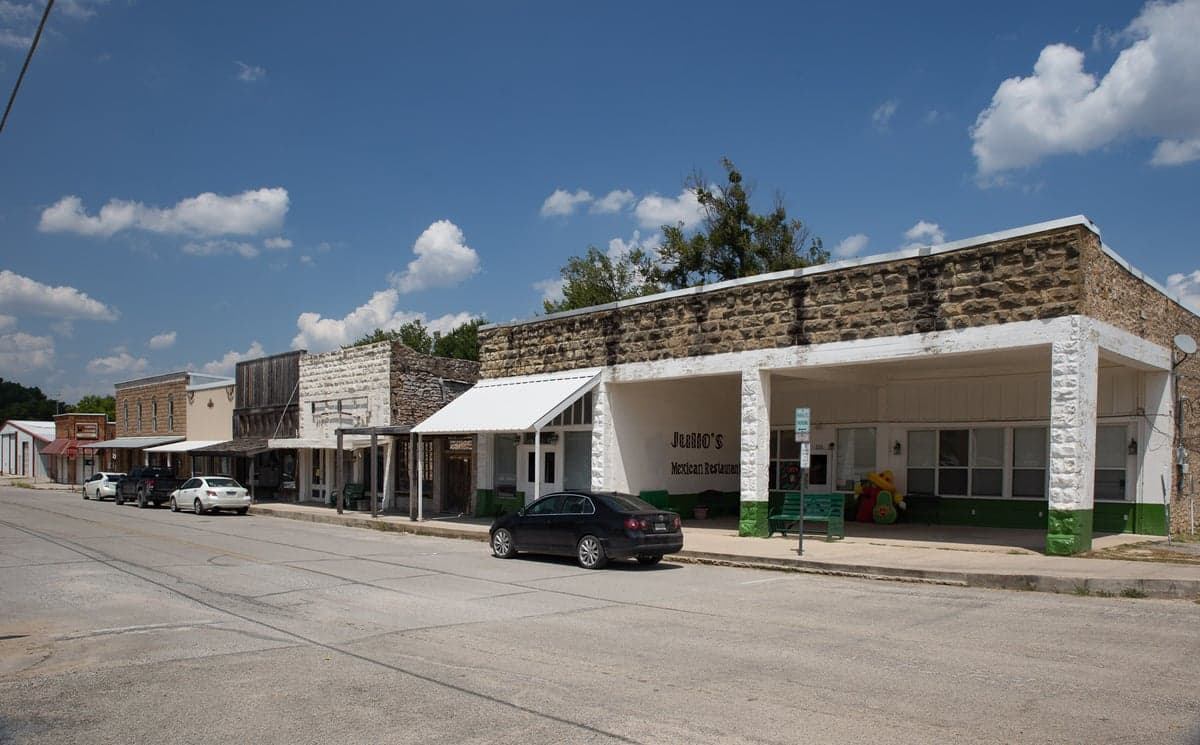
Photo: Wikipedia
Quality of Life in Chico, TX
A livable area that tracks near national norms for affordability, walkability, and neighborhood health.
What does Quality of Life tell us?
Quality of Life blends cost of living, nearby amenities, socioeconomic signals, and neighborhood character. City-level scores represent the whole municipality; individual neighborhoods can differ.
What does this tell us?
Quality of Life blends cost of living, nearby amenities, socioeconomic signals, and neighborhood character. City-level scores represent the whole municipality; individual neighborhoods can differ.
Cost of Living
19% below national average
The Real Cost of Living in Chico, TX for 2026
| Tier | Individual | Family (4) |
|---|---|---|
| Survival | $18k | $34k |
| Comfortable | $32k | $48k |
| Luxury | $105k+ | $163k+ |
| Elite (Top 5%) | $176k+ | $273k+ |
122%
* top-5% income substituted from state-level data — local Census figures unavailable for small populations
The Area Signal
A metric tracking the socioeconomic signals of the area.
Limited data for this area
Limited data for this area
Hobbies
Explore the areaGroceries
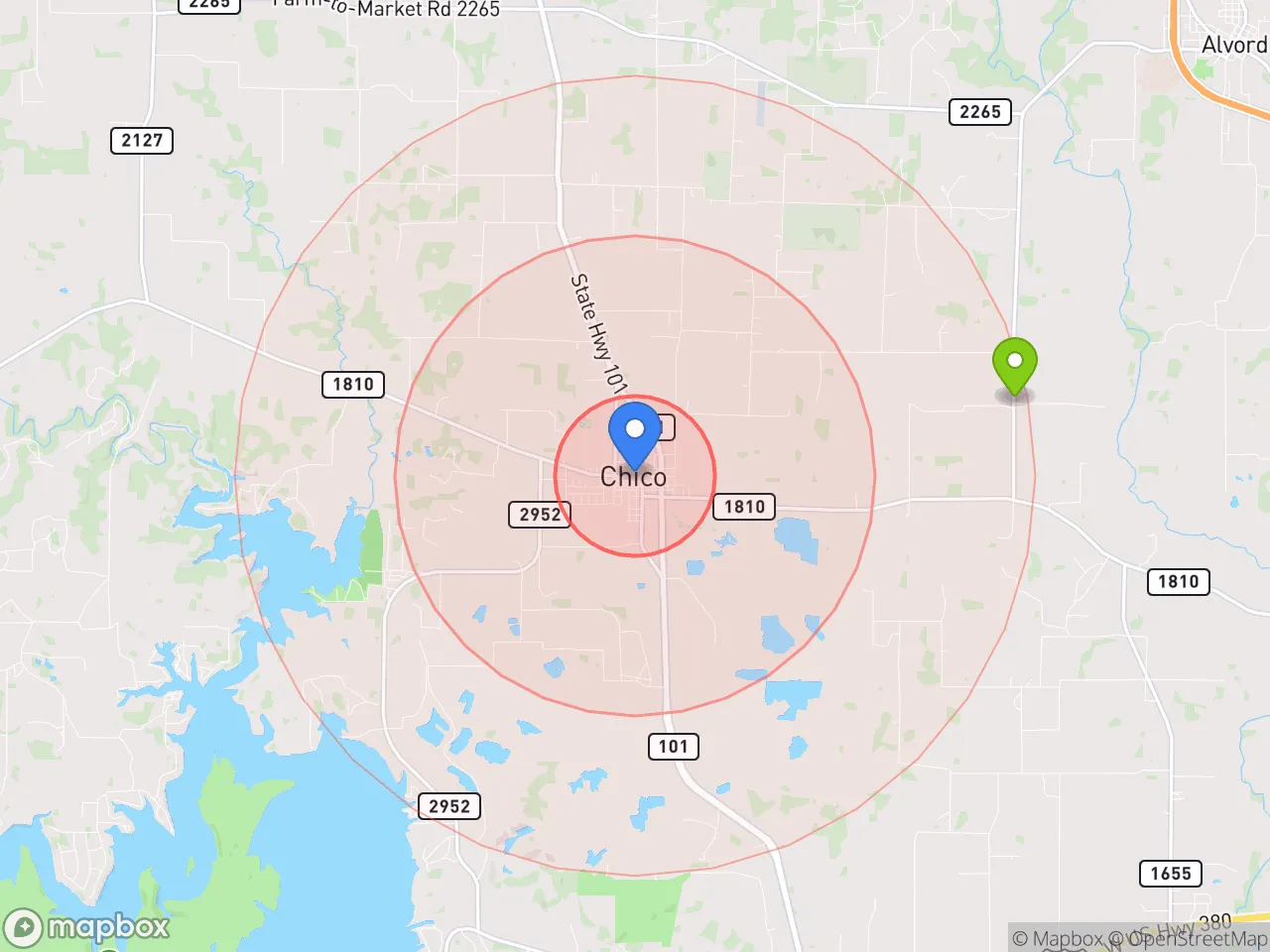
1 within 10 miles
Gas
10 within 10 miles
Hospital
3 within 20 miles
Airport
DFW — Dallas/Fort Worth International
Post Office
USPS — Decatur, TX
Critical Amenities
Quality-of-Life Analysis
Chico, Texas, presents a notably affordable quality of life that attracts a mix of working families, retirees, and commuters seeking a quieter, lower-cost alternative to the Dallas-Fort Worth metroplex. With a cost of living index of 81—well below the national average of 100—and a median home value of $160,300, the town offers a distinctly middle-class, budget-conscious lifestyle. Residents are predominantly homeowners, local service workers, and professionals who trade urban amenities for space, slower pace, and significantly lower housing costs.
Cost of living, housing, and how Chico compares to nearby towns
Chico’s affordability stands out sharply against nearby cities like Decatur (median home value ~$280,000) and Fort Worth (~$310,000). The median home value of $160,300 is roughly half that of the DFW average, while the median rent of $1,130 is about 30% lower than the regional norm. This pricing makes homeownership attainable for households earning near the local median income of roughly $55,000. The average commute of 26.7 minutes is slightly longer than the national average (26.1 minutes) but reflects the reality of living in a bedroom community: many residents drive to Decatur (10–15 minutes) or Fort Worth (40–50 minutes) for work. Property taxes in Wise County hover around 2.5%, which is typical for Texas but higher than many out-of-state alternatives—a trade-off for no state income tax. Overall, Chico offers a cost advantage of roughly 20–25% compared to the broader DFW area, making it a practical choice for budget-focused buyers.
Local amenities, schools, and what daily life feels like
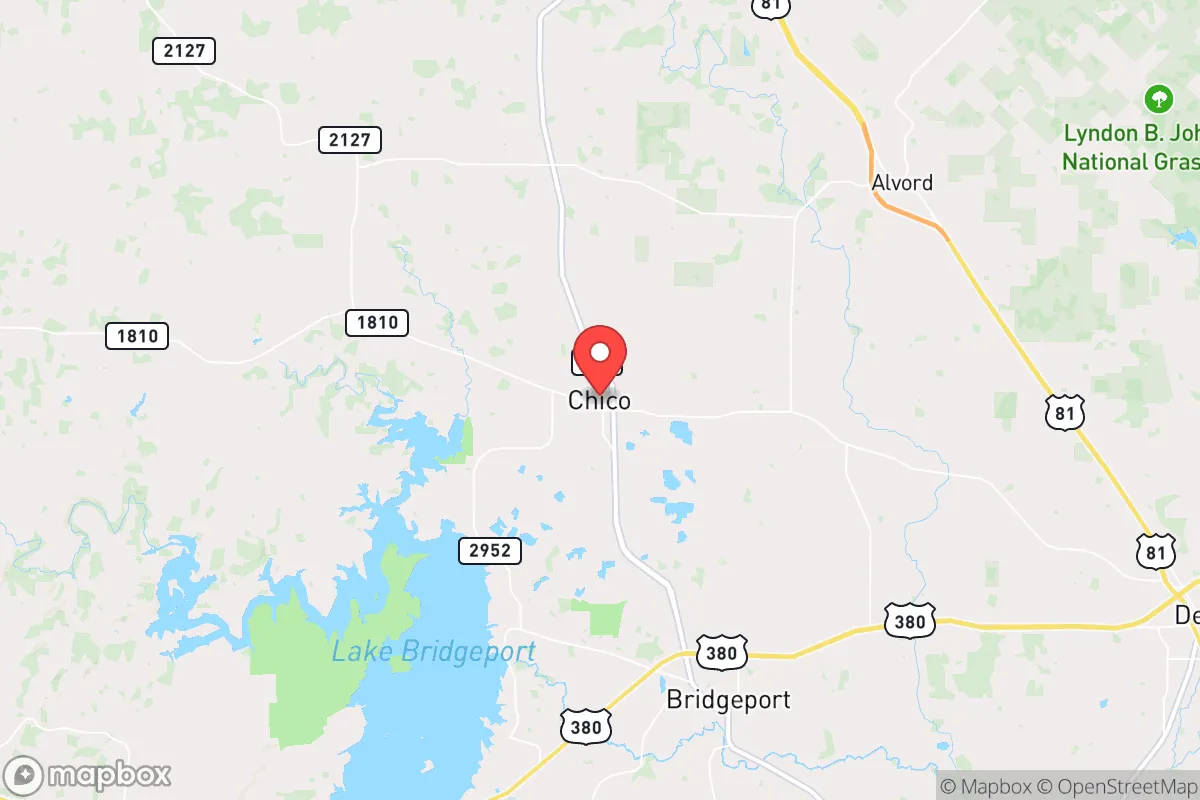
Daily life in Chico centers on a small-town rhythm anchored by the Chico Independent School District, which serves about 700 students across one elementary, one middle, and one high school. The district’s student-teacher ratio of roughly 13:1 is better than the state average, and the high school offers dual-credit courses through North Central Texas College. For everyday errands, residents rely on a handful of local grocery stores, a Dollar General, and a few family-owned restaurants like the Chico Café. Major retail and healthcare are a 15-minute drive to Decatur, which has a Walmart Supercenter, a hospital (Wise Regional Health System), and a variety of chain dining. Outdoor recreation is limited but functional: Lake Bridgeport (10 miles north) provides fishing, boating, and camping, while the Chico City Park offers a playground and walking trail. The town lacks a dedicated public library or a large grocery store, so residents often plan weekly trips to Decatur or Bridgeport for fuller shopping. The pace is noticeably slower than suburban DFW—traffic is minimal, and most social life revolves around school sports, church events, and local festivals like the Chico Fall Festival.
Chico is best suited for people who prioritize affordability and quiet over urban convenience. It works well for first-time homebuyers, young families seeking good schools without high housing costs, and retirees on fixed incomes who want a low-stress environment. Commuters who can tolerate a 25–40 minute drive to work in Decatur or northern Fort Worth will find the trade-off financially rewarding. Those who need walkable amenities, cultural venues, or a diverse dining scene will likely find Chico too limited. For the right resident—someone who values space, low crime, and a close-knit community—Chico delivers a solid, budget-friendly quality of life in rural North Texas.

Crime in Chico, TX
Crime rates similar to the national median for U.S. locations.
Violent CrimeViolent Crime Analysis
Property CrimeProperty Crime Analysis
Crime Analysis
Chico, Texas, a small city in Wise County roughly 45 miles northwest of Fort Worth, presents a mixed safety profile that demands careful consideration. With a violent crime rate of 342.3 per 100,000 residents and a property crime rate of 1,780.9 per 100,000, the community experiences crime at levels that exceed national averages but remain below those of nearby large metro areas. The most critical factor for potential residents to weigh is the influence of the broader Dallas-Fort Worth region's justice system, where progressive district attorneys and judges in some jurisdictions have adopted policies that prioritize offender rehabilitation over strict enforcement, a trend that can lead to more criminals remaining on the street and reduced accountability for victims.
Crime in context
Chico's violent crime rate of 342.3 per 100,000 is roughly 15% higher than the national average of 298 per 100,000, while its property crime rate of 1,780.9 per 100,000 sits about 20% above the U.S. median of 1,484 per 100,000. Compared to the state of Texas, which reports a violent crime rate of approximately 447 per 100,000 and a property crime rate near 2,200 per 100,000, Chico fares somewhat better. However, these figures mask a critical concern: Wise County itself is not a progressive jurisdiction, but Chico's proximity to the Dallas-Fort Worth metroplex means it is affected by regional crime patterns and the policies of larger urban counties. The presence of liberal district attorneys in Tarrant and Dallas counties, who have implemented cash bail reforms and reduced prosecutions for certain offenses, has been linked to increased recidivism and a higher volume of property crimes spilling into surrounding communities.
What residents experience
Daily life in Chico is shaped by a small-town atmosphere where most residents know their neighbors, but the statistical reality is that property crime—particularly theft and burglary—is the most common threat. The property crime rate of 1,780.9 per 100,000 translates to roughly 18 incidents per 1,000 residents annually, meaning a household faces a non-trivial risk of experiencing a break-in or vehicle theft over a five-year period. Violent crime, while less frequent, includes aggravated assault as the most common offense, with robbery and rape occurring at lower rates. Residents report that the local police department is responsive, but its small size limits proactive patrols. The broader concern is that offenders from the metro area, emboldened by lenient sentencing and early release policies in progressive jurisdictions, may view smaller towns like Chico as softer targets.
Neighborhood-level variation
Crime in Chico is not evenly distributed. The older, more established neighborhoods near the historic downtown core and along Farm to Market Road 1810 tend to see lower incident rates, often 20-30% below the town average, due to tighter community watch networks and fewer transient populations. In contrast, newer subdivisions on the outskirts and areas near the U.S. 81/287 corridor experience higher property crime, particularly vehicle break-ins and package thefts, as these locations offer easier access for criminals traveling from the metroplex. For those considering relocation, choosing a home in a well-established block with active neighborhood associations and good street lighting can meaningfully reduce risk. Ultimately, Chico's safety is a function of both local vigilance and the regional justice climate—a factor that should give pause to anyone concerned about the impact of progressive criminal justice policies on public safety.
* Values derived from national, state, county, city and local statistics and may differ in a specific area. Last updated: 2026-05-11T00:47:47.000Z
Narrative content on this page is AI-generated and may contain mistakes. Verify any details that matter before acting on them.
ReloMaps may earn a commission from affiliate links at no extra cost to you.

