Photo: Wikipedia
Find The Best Places To Live
in Lakewood
PRO TIP! You can paste a Zillow or Redfin link to get info on that property.
What It's Like Living in Lakewood, OH
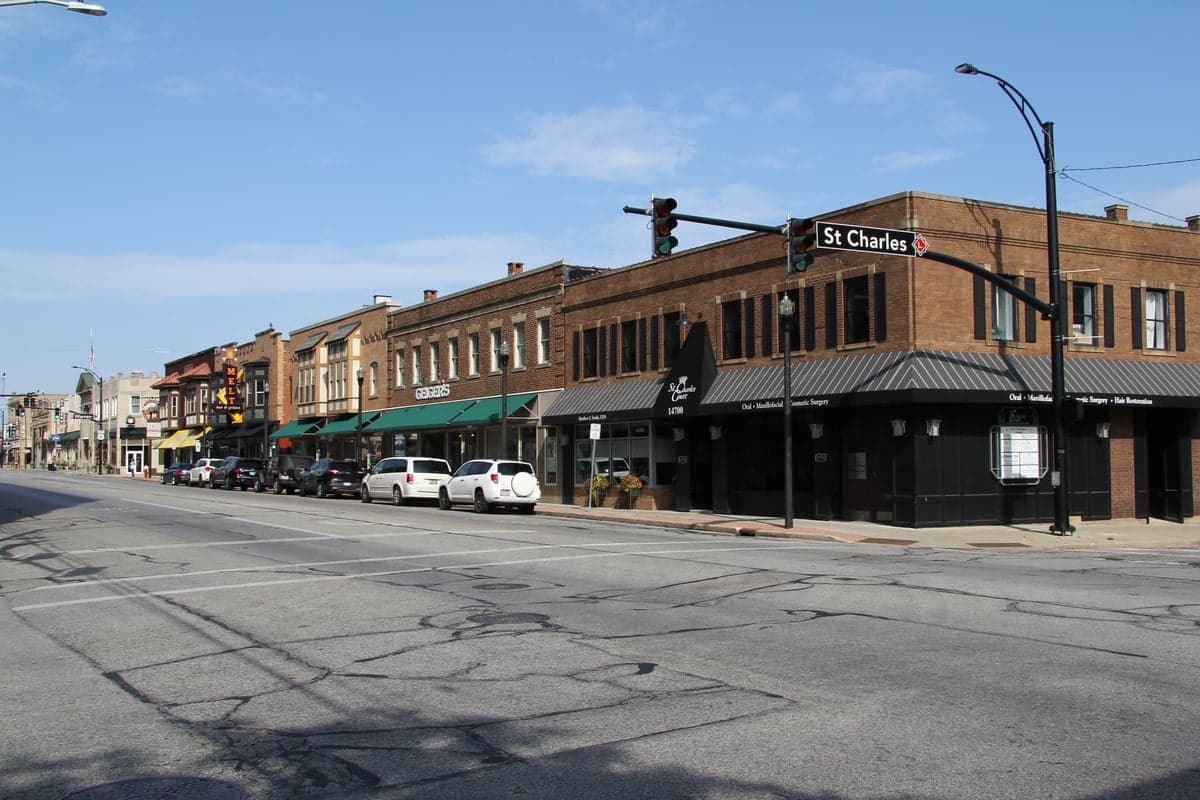
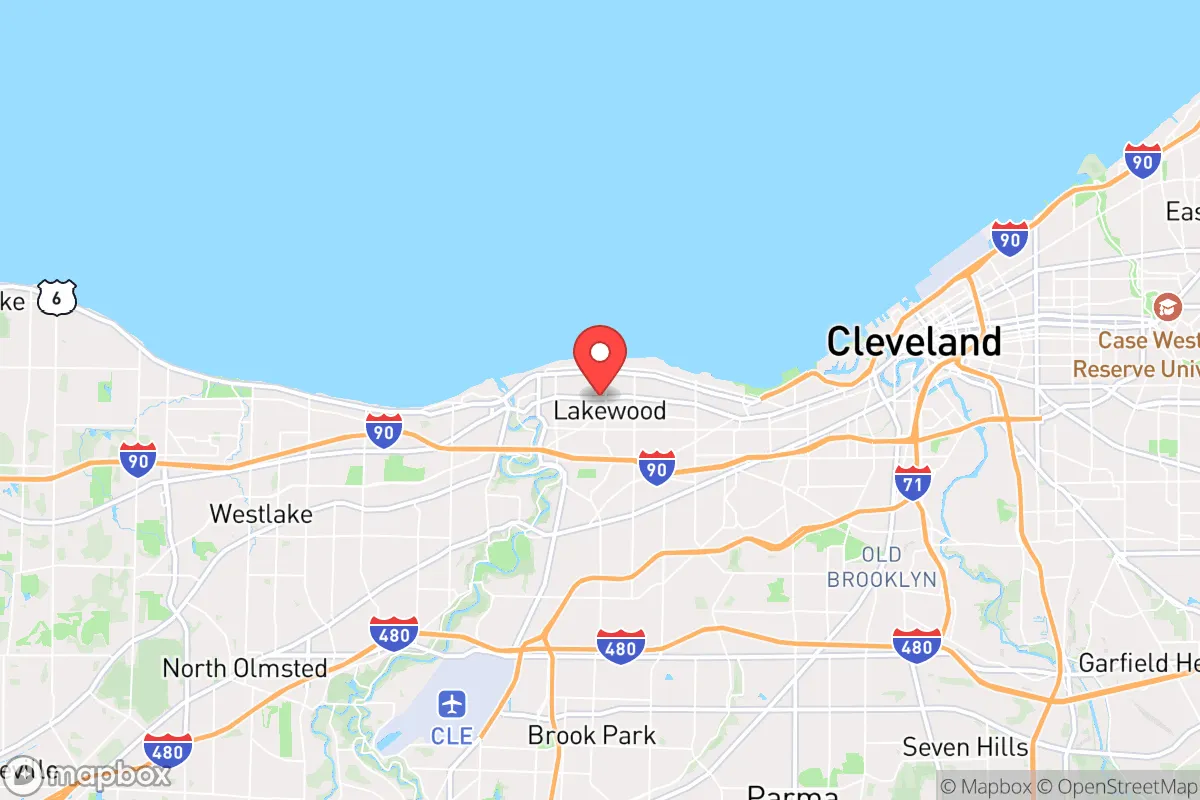
Lakewood, Ohio, feels less like a typical suburb and more like a small, walkable city that just happens to be tucked along the Lake Erie shoreline. It’s a dense, historic community where you’re as likely to run into a young professional walking their dog to a local coffee shop as you are a family of four heading to a weekend farmers market. With a population just over 50,000 packed into about five and a half square miles, the vibe is unmistakably urban-suburban: you get the convenience of Cleveland’s amenities without the parking headaches, but you also get a strong, quirky local identity that’s all its own.
The Daily Rhythm: Walkable Blocks and Lake Erie Breezes
Life here revolves around Detroit Avenue and Madison Avenue, the two main commercial spines. On a typical Saturday, you’ll see residents grabbing breakfast at Lucky’s Cafe or Root Cafe, then strolling into one of the many independent bookstores or boutiques. The average commute is just over 23 minutes, which is manageable, and many people bike or take the RTA Red Line into downtown Cleveland for work. The median age is 34.7, and with 53.9% of residents holding a college degree, the population skews educated and career-oriented. But it’s not a high-income enclave—the median household income is $65,925, and the cost of living index sits at 87 (13% below the national average). That means you can afford a decent lifestyle on a teacher’s or mid-level professional’s salary, which is a big draw for single people and young families who want urban energy without the price tag of Ohio City or Tremont.
The weather is classic Lake Erie: winters are gray and snowy, with lake-effect snow piling up fast, but summers are glorious—cool breezes off the lake make even hot days bearable. Locals joke that you earn your summer by surviving February. The seasonal rhythm is real: patios fill up in May, and by October, everyone’s layering up for the annual Lakewood Arts Festival and the Pierogi Fest at St. Hedwig’s Church. These events aren’t just tourist draws; they’re genuine community gatherings where you’ll see neighbors, teachers, and local politicians mingling.
Sports, Parks, and the Lakewood Identity
Sports culture here is high school-centric but not obsessive. Lakewood High School’s Rangers football and basketball games draw solid crowds, especially rivalry games against nearby Westlake or Rocky River. But the real athletic identity is more recreational: the Lakewood Park waterfront is packed with runners, cyclists, and volleyball players all summer. The park’s Solstice Steps are a prime sunset-watching spot, and the city’s 13 miles of bike lanes make it easy to get around without a car. For pro sports, Cleveland’s teams—the Guardians, Cavaliers, and Browns—are a 15-minute drive or train ride away, so you get the big-league energy without living in the stadium’s shadow.
The local identity is proudly progressive and a bit artsy. You’ll see bumper stickers for local theater productions at the Beck Center for the Arts, and the Lakewood Public Library is a genuine hub—not just for books but for community meetings, film screenings, and kids’ story times. There’s a strong “shop local” ethos, and chains like Starbucks are less common than independent coffeehouses. That said, the city’s density means parking can be a pain on weekend evenings, and some longtime residents grumble about the rising home values—the median home value is $241,500, up significantly from a decade ago, though still affordable compared to the national median.
What’s There to Do: Bars, Music, and Green Spaces
Nightlife is low-key but solid. Around the Corner is a legendary dive bar with a massive beer list and a back patio that’s packed in summer. Deagan’s Kitchen & Bar offers a more upscale gastropub vibe, and Mahall’s is a 20-lane bowling alley that doubles as a live music venue—think indie bands and punk shows on weekends. For outdoor enthusiasts, the Lake Erie shoreline is the main draw: there’s a small beach at Lakewood Park, and the Rocky River Reservation (part of the Cleveland Metroparks system) is a five-minute drive south, offering hiking, kayaking, and a nature center. The city also has a strong farmers market scene, with the Lakewood Farmers Market running from May through October on Detroit Avenue.
On the con side, violent crime is relatively low—81.3 per 100,000 residents, well below the national average—but property crime can be an issue in some blocks, especially near the busier commercial corridors. The schools are a mixed bag: Lakewood City Schools are generally well-regarded, with strong community support, but some families opt for private or charter options. The district’s role in the community is significant—school events and sports are a social anchor for families, and the schools’ performance is a frequent topic at city council meetings.
Pros and Cons of Living Here
- Pro: Walkability and transit access. You can live car-lite or car-free if you’re near Detroit Avenue, and the RTA train gets you to downtown Cleveland in 20 minutes.
- Pro: Affordability relative to the region. The cost of living is 13% below the national average, and you get a historic housing stock (many century homes with character) for the price of a cookie-cutter subdivision elsewhere.
- Pro: Strong community identity. Festivals, local businesses, and a genuine small-town feel within a city of 50,000.
- Con: Winter weather. Lake-effect snow and gray skies from November through March can be draining, especially if you’re not used to it.
- Con: Parking and density. If you have two cars, you’ll likely be playing street-parking roulette, and some streets feel cramped.
- Con: Property taxes. Ohio’s property tax system can be a shock for newcomers, and Lakewood’s rates are higher than some neighboring suburbs.
The kind of person who fits in here is someone who values walkability, local character, and a sense of community over square footage and a big yard. It’s a place for people who want to be near a major city but not swallowed by it, who don’t mind a little grit, and who appreciate a good pierogi festival. If that sounds like you, Lakewood might feel like home from the first block you walk down.

Similar small cities to Lakewood
* Values derived from national, state, county, city and local statistics and may differ in a specific area. Last updated: 2026-04-21T18:21:54.000Z
Narrative content on this page is AI-generated and may contain mistakes. Verify any details that matter before acting on them.
ReloMaps may earn a commission from affiliate links at no extra cost to you.

