 Popular
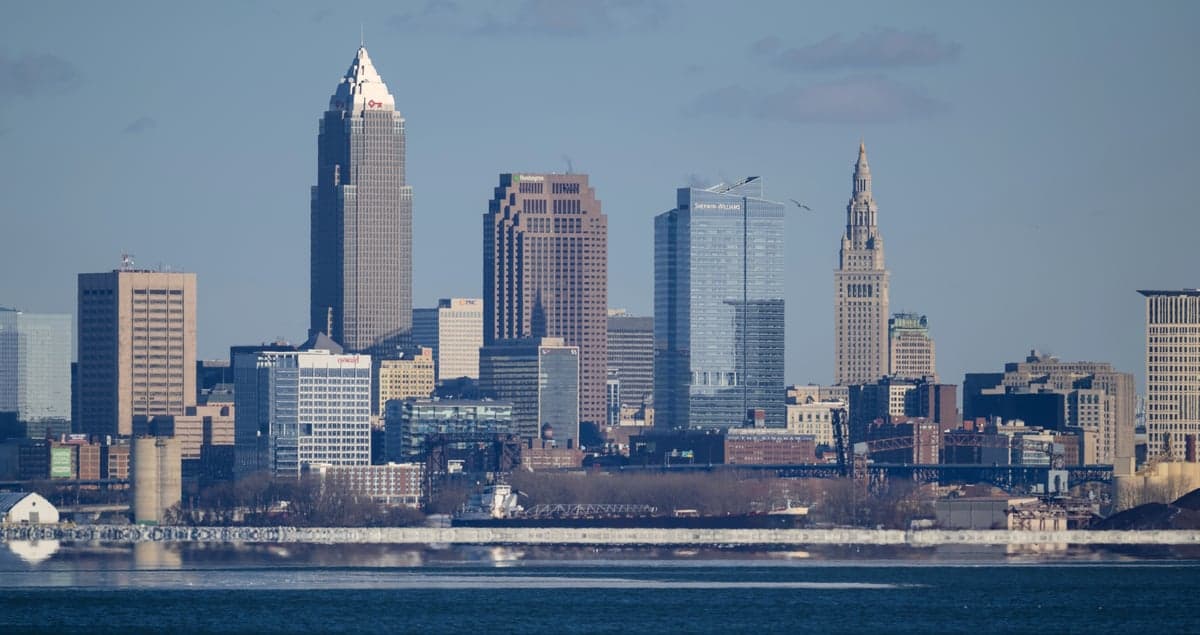
Photo: Wikipedia
Find The Best Places To Live
in Cleveland
PRO TIP! You can paste a Zillow or Redfin link to get info on that property.
What It's Like Living in Cleveland, OH
Cleveland has a way of surprising people. It’s a big city that feels like a collection of small towns, a place where the Rust Belt grit meets a surprisingly vibrant cultural scene. You’ll hear the accent—the “Cleveland A” that turns “bag” into “beg”—and you’ll quickly learn that the city’s identity is built on resilience, loyalty, and a deep, sometimes grumpy, sense of pride. It’s not trying to be a polished, shiny metropolis; it’s a city of neighborhoods, each with its own personality, where people genuinely look out for each other.
The Daily Rhythm: What People Actually Do
Life here moves at a pace that feels manageable, even for a city of 367,523 people. The average commute is just under 23 minutes, which means you’re not losing hours of your week to traffic like you would in Chicago or DC. Most people drive, but the RTA rail lines are reliable for getting downtown or to the airport. A typical weekday involves grabbing coffee at a local shop like Rising Star Coffee in Ohio City or Loop in Tremont, then heading to work in healthcare, manufacturing, or one of the growing tech and logistics sectors. The Cleveland Clinic and University Hospitals are the region’s largest employers, so you’ll meet a lot of nurses, doctors, and researchers. After work, people hit the West Side Market for fresh pierogies and produce, or grab a beer at Great Lakes Brewing Company, the city’s original craft brewery. Weekends are for yard work, catching a game, or heading to one of the Metroparks—the “Emerald Necklace” of green space that rings the city. The Cuyahoga Valley National Park is a 20-minute drive south, offering hiking, biking, and even a scenic railroad.
Sports & Community: The Unifying Religion
If you live in Cleveland, you care about sports—or at least you pretend to. The Cleveland Guardians (baseball) and Cleveland Browns (football) are the city’s emotional anchors. The Browns’ return in 1999 after the team moved to Baltimore is still a raw nerve; the loyalty is fierce, even when the team loses. The Guardians play in a beautiful downtown ballpark, and tickets are affordable enough for a family outing. The Cleveland Cavaliers (NBA) brought the city its first major championship in 52 years in 2016, and LeBron James is still a local deity. High school football is big in the suburbs, but in the city itself, it’s all about the pros. On game days, the Muni Lot tailgate scene is a spectacle—thousands of people grilling, tossing footballs, and drinking before a Browns game. It’s rowdy, but it’s also where you’ll make friends fast.
What’s There to Do: Culture, Food, and the Outdoors
Cleveland punches above its weight culturally. The Cleveland Museum of Art is world-class and free. Playhouse Square is the second-largest performing arts center in the country after Lincoln Center. The Rock & Roll Hall of Fame is the obvious tourist draw, but locals also love the West Side Market for its century-old food stalls, the Cleveland Orchestra at Severance Hall (one of the “Big Five” orchestras in the US), and the Cleveland Museum of Natural History. Festivals fill the summer calendar: the Cleveland International Film Festival, Wanderlust in Tremont, and the Feast of the Assumption in Little Italy, where the streets fill with sausage sandwiches and live music. For outdoor types, the Lake Erie shoreline offers beaches like Edgewater Park, though the water is cold and the algae blooms in late summer can be off-putting. The Cuyahoga Valley Scenic Railroad is a favorite for families. The food scene is underrated—Cleveland is a great town for Polish, Hungarian, and Italian food, with places like Sokolowski’s University Inn (a classic Polish cafeteria) and Lola (Michael Symon’s flagship) leading the charge.
Pros and Cons of Living Here
Let’s be honest: Cleveland has real challenges. The violent crime rate of 257.1 per 100,000 is higher than the national average, and it’s concentrated in certain neighborhoods—this isn’t a city where you can walk alone at night everywhere. The median income is $39,187, which is low, but the cost of living index is 59 (100 is the US average), meaning your dollar goes much further. You can buy a home for a median price of $94,100—that’s a starter house in most other cities. The trade-off is that only 21.3% of adults have a bachelor’s degree, so the job market for white-collar professionals is thinner than in coastal hubs. The weather is a genuine factor: winters are gray, snowy, and long, with lake-effect snow dumping feet of the stuff east of the city. But locals will tell you the summers are glorious—mild, sunny, and perfect for patio dining. The biggest pro? The people. Clevelanders are down-to-earth, loyal, and quick to help a neighbor. The biggest con? The lack of economic dynamism and the persistent brain drain of young people leaving for bigger markets. It’s a city that rewards those who stay, but it doesn’t hand you anything for free.

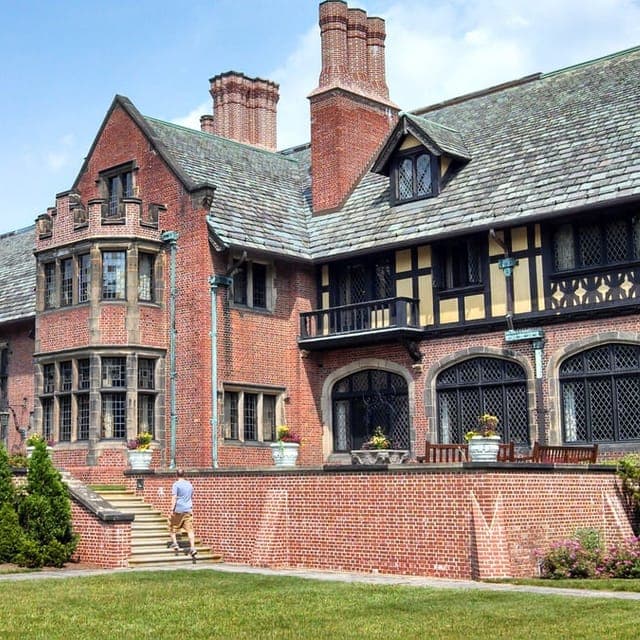
Similar mid-size cities to Cleveland

* Values derived from national, state, county, city and local statistics and may differ in a specific area. Last updated: 2026-04-21T18:57:31.000Z
Narrative content on this page is AI-generated and may contain mistakes. Verify any details that matter before acting on them.
ReloMaps may earn a commission from affiliate links at no extra cost to you.

