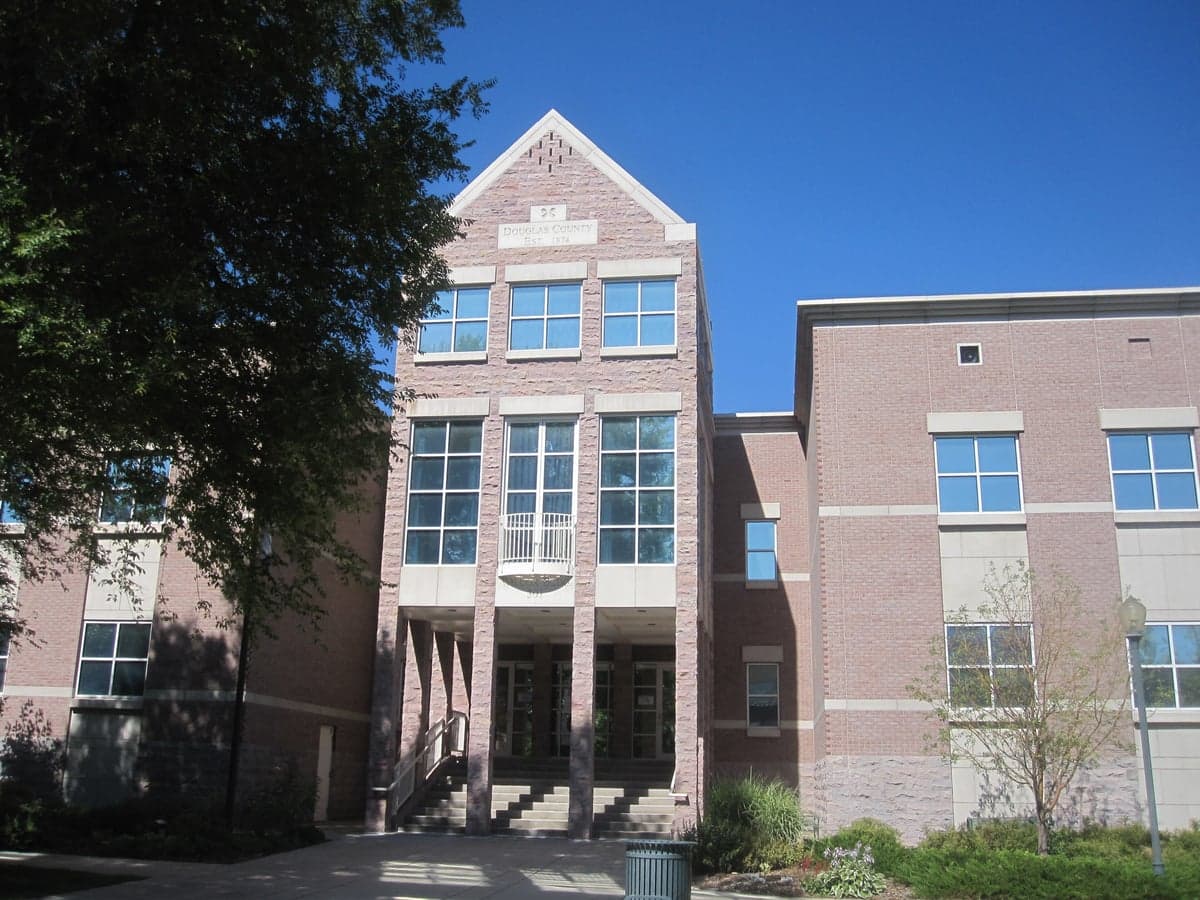
Photo: Wikipedia
Find The Best Places To Live in Douglas County
PRO TIP! You can paste a Zillow or Redfin link to get info on that property.
Best Places to Live in Douglas County
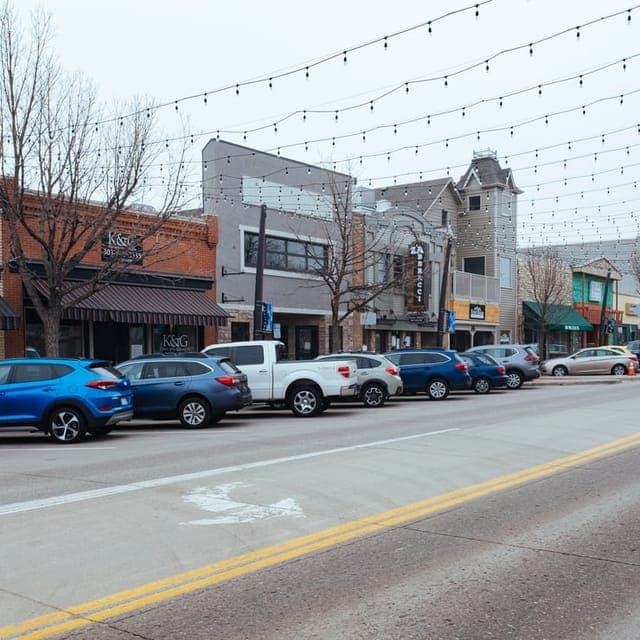
Cities & Towns in Douglas County
Cities in Douglas County
What It's Like Living in Douglas County, CO
Living in Douglas County, Colorado, often feels like you’ve found the sweet spot between mountain adventure and suburban comfort, but it comes with a price tag that shocks even transplants from coastal cities. The county stretches from the bustling tech corridors of Highlands Ranch and Lone Tree down to the wide-open spaces of Castle Rock and the rural quiet of Larkspur, giving you a mix of lifestyles under one county government. Whether you’re a single professional working in Denver tech or a parent trying to find the best school district south of the city, Douglas County offers a predictable, family-oriented rhythm that many find hard to leave.
The Daily Rhythm: Commutes, Schools, and Weekend Rituals
Most mornings here start with a commute that averages about 27 minutes, which feels reasonable until you realize that stretch of I-25 between Castle Rock and Denver can turn into a parking lot during a snow squall. People who work in Denver or the Denver Tech Center often choose Lone Tree or Highlands Ranch for the shorter drive, while those priced out of those areas head south to Castle Rock or even Parker for more house for the money. The median home value sits at $674,000, and with a cost of living index of 204—double the national average—that “more house” still means a hefty mortgage. Schools are the heartbeat of the community here; the Douglas County School District is consistently ranked among the best in the state, and you’ll see parents at weekend soccer games in Parker or at high school football games in Castle Rock where the stands are packed on Friday nights. The local identity is heavily tied to these schools—people don’t just live in Douglas County; they live in the “ThunderRidge district” or the “Rock Canyon district,” and that distinction matters at dinner parties.
Sports, Outdoors, and Where People Actually Hang Out
High school sports are a surprisingly big deal here, especially football and lacrosse at schools like Mountain Vista in Highlands Ranch and Douglas County High School in Castle Rock. You won’t find a major pro team within the county limits—Denver’s Broncos and Nuggets are a 30- to 45-minute drive north—but the local youth sports culture is intense, with parents driving kids to club soccer tournaments in Parker or baseball games in Lone Tree on weekends. For outdoor enthusiasts, the county’s network of trails is a genuine asset: the East-West Regional Trail cuts through Highlands Ranch and connects to Chatfield State Park, where people kayak and paddleboard in the summer. In Castle Rock, the Rock Park offers a quick hike up to the iconic butte that gives the town its name, and it’s a popular spot for sunset photos. When people want to eat out, they head to The Tavern in Castle Rock for burgers and a lively bar scene, or to the Lone Tree Arts Center for a more cultured evening. The annual Douglas County Fair & Rodeo in Castle Rock is a genuine community touchstone—think carnival rides, livestock shows, and a parade that shuts down downtown for a weekend.
Who Fits In and Who Doesn’t: The Honest Pros and Cons
Douglas County leans heavily toward families and professionals who value safety, good schools, and a predictable routine. The median income of $145,737 reflects a population that is 60.9% college-educated, and you’ll notice that affluence in the well-maintained neighborhoods and the number of Tesla SUVs in school pickup lines. Singles might find the social scene a bit quiet—most bars and restaurants cater to families, and the dating pool skews toward divorced parents or young professionals who commute into Denver for nightlife. The violent crime rate of 405.4 per 100,000 is higher than you’d expect for a wealthy suburb (partly driven by property crime in retail-heavy areas like Park Meadows in Lone Tree), but most residents feel safe walking their dogs at night. What frustrates locals is the traffic: the I-25 corridor through Castle Rock is notorious for congestion, and the county’s rapid growth—population is now over 368,000—means new housing developments are eating up open space. On the flip side, the weather is a genuine perk: 300 days of sunshine a year, with mild summers and snow that usually melts within a day, making outdoor life possible year-round. The median age of 39.5 tells you this isn’t a party town—it’s a place where people settle down, raise kids, and complain about property taxes while secretly loving the stability.

* Values derived from national, state, county, city and local statistics and may differ in a specific area. Last updated: 2026-05-12T11:55:31.000Z
Narrative content on this page is AI-generated and may contain mistakes. Verify any details that matter before acting on them.
ReloMaps may earn a commission from affiliate links at no extra cost to you.

