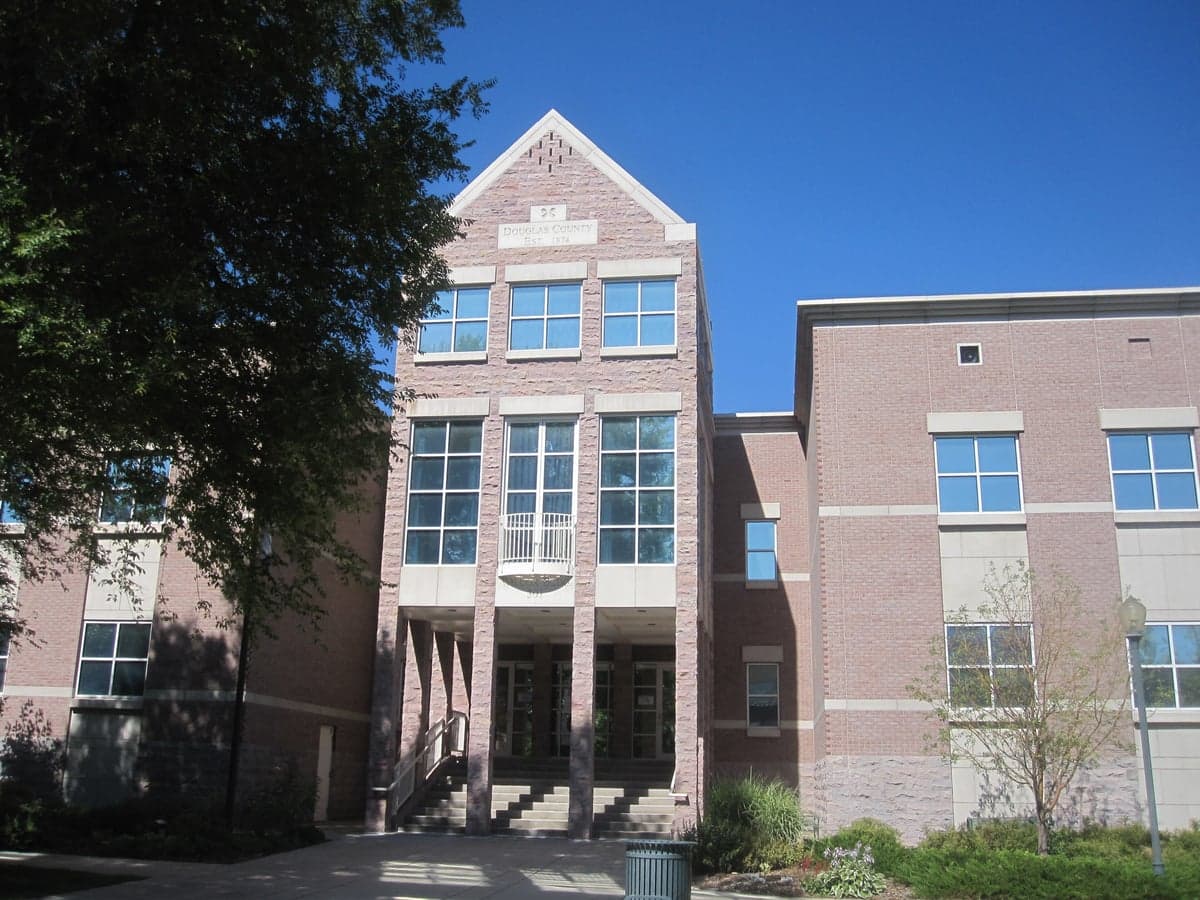
Photo: Wikipedia
Strategic Assessment of Douglas County
Meaningful friction. Expect exposure to either population pressure, blast zones, or natural disaster risk. Consider buying a retreat property.
What does the Strategic Assessment tell us?
Our Strategic Assessment grades tactical survivability of an area. Major population centers, military targets, fallout zones, natural disasters, and border exposure all drive risk — lower exposure means a more defensible position in a crisis.
This is heavily inspired by Joel Skousen's Strategic Relocation book. Highly recommended you checkout the book ($)What does this tell us?
Our Strategic Assessment grades tactical survivability of an area. Major population centers, military targets, fallout zones, natural disasters, and border exposure all drive risk — lower exposure means a more defensible position in a crisis.
This is heavily inspired by Joel Skousen's Strategic Relocation book. Highly recommended you checkout the book ($)Strategic Pillars

Key Distances
Strategic Assessment Analysis
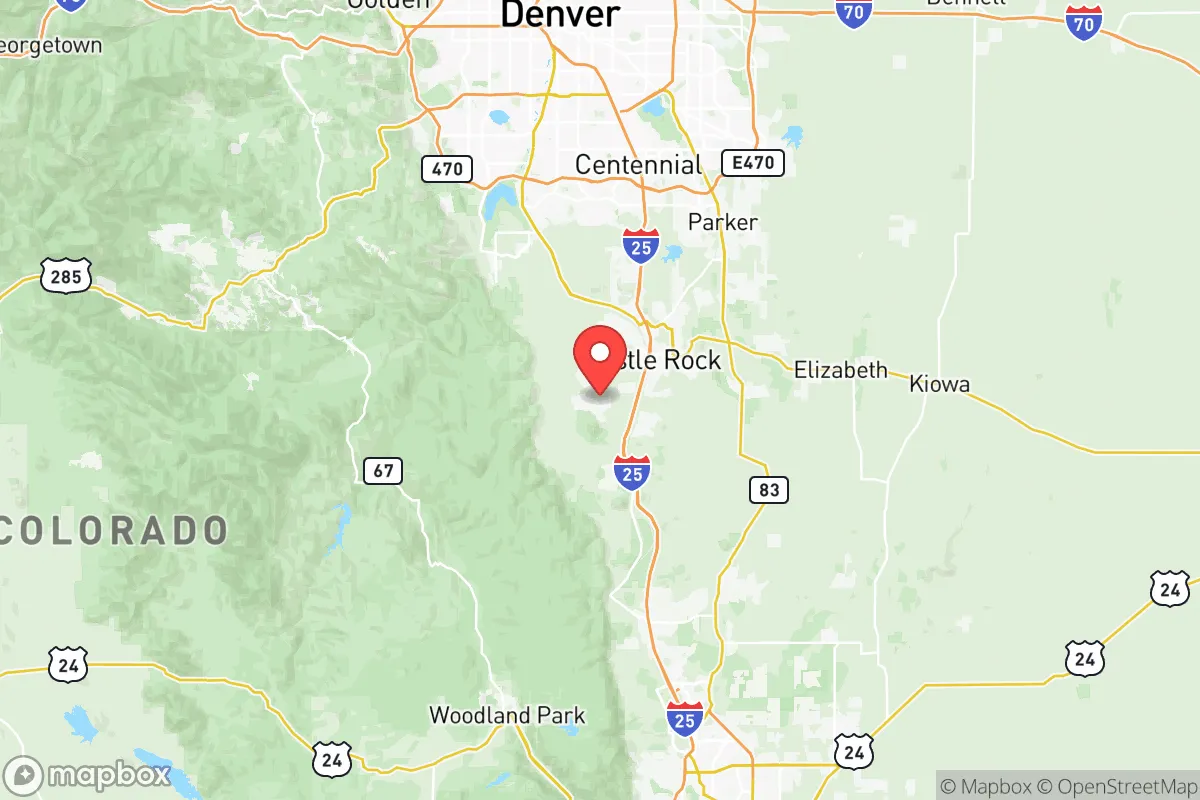
Douglas County, Colorado, offers a compelling strategic position for those prioritizing resilience, offering a rare blend of proximity to critical infrastructure and natural buffers against the chaos that can engulf major urban centers. Its location along the I-25 corridor, roughly 30 miles south of Denver and 60 miles north of Colorado Springs, places it within striking distance of both cities' resources while maintaining a distinct separation from their densest, most vulnerable populations. The county's elevation, averaging over 6,000 feet, and its position on the eastern slope of the Front Range provide natural advantages in terms of defensible terrain and reduced exposure to certain large-scale threats, making it a serious consideration for anyone looking to relocate with a prepper or survivalist mindset.
Geographic position and natural buffers against urban collapse
Douglas County's geography is its first line of defense. The county is anchored by the towns of Castle Rock, the county seat, and Parker, both situated on the high plains with the Rampart Range rising to the west. This western boundary, with its rugged foothills and limited road access, creates a natural choke point against any westward expansion of unrest from the Denver metro area. The county's terrain is a mix of rolling hills, open grasslands, and pine-dotted ridges, offering numerous properties with good sightlines and defensible positions. The South Platte River and Cherry Creek run through the area, providing surface water sources that are critical for long-term sustainability. Unlike the flat, exposed plains to the east, Douglas County's varied topography allows for strategic placement of a homestead or retreat, with natural cover and multiple egress routes. The proximity to Pike National Forest to the west offers a vast, sparsely populated buffer zone and potential for off-grid living, while the county's own network of open spaces and parks provides additional options for resource gathering and movement. This geographic position means that while Denver's potential for civil unrest, grid failure, or a mass casualty event is a real concern, Douglas County sits far enough away to avoid the immediate shockwave, yet close enough to monitor and, if necessary, interdict.
Risks, exposures, and proximity to fallout-relevant landmarks
No location is without risk, and Douglas County has its share of exposures that a strategic relocator must weigh. The most significant is its position relative to Denver International Airport (DIA), roughly 35 miles northeast. DIA is a major transportation hub and, in a crisis, could become a focal point for federal response, military staging, or, conversely, a target for disruption. The I-25 corridor itself is a double-edged sword: it provides rapid access to resources but also serves as a highway for any unrest or refugee flow from Denver. The Buckley Space Force Base in Aurora, about 25 miles north, is a critical military installation that could be a target or a source of security, depending on the scenario. Closer to home, the Martin Marietta Materials quarry near Castle Rock and the various data centers along the I-25 corridor are potential points of interest for those seeking to disrupt infrastructure. The county also sits downwind of the Rocky Flats National Wildlife Refuge, a former nuclear weapons plant, though the site has been remediated. The primary risk is not a direct strike but the cascading effects of a collapse in the Denver metro area: mass migration, resource competition, and potential violence. The county's relative affluence and conservative leanings may make it a target for redistributionist elements in a prolonged crisis. A relocator must plan for the possibility of having to defend their property against desperate populations moving south from the city.
Practical resilience for a relocator: food, water, energy, and defensibility
For the individual or family serious about self-sufficiency, Douglas County offers a workable foundation, but it requires deliberate preparation. Water is the most critical factor. While the county has surface water sources like the South Platte and Cherry Creek, these are not universally accessible and are subject to drought and competing demands. A well is a necessity for any long-term property, and the county's groundwater is generally good, though depths can vary. Rainwater collection is legal in Colorado, but with annual precipitation around 15-18 inches, it's a supplement, not a primary source. For food, the growing season is short (roughly 120 days) and the soil is often clay-heavy, requiring raised beds or greenhouse systems. The county's agricultural history is limited, but small-scale livestock (chickens, goats) is feasible on larger parcels. Energy resilience is strong: the area has excellent solar potential, with over 300 sunny days per year, and many properties are already equipped with solar panels. The county's grid is relatively modern, but a backup system with battery storage is a wise investment. Defensibility is where Douglas County shines. The terrain allows for natural observation points, and many neighborhoods are gated or have limited access points. The Douglas County Sheriff's Office is well-funded and responsive, but in a widespread event, you cannot rely on them. A strategic property should have a clear field of fire, a secure perimeter, and multiple escape routes, ideally using the network of county roads and the Colorado Trail to the west. The county's strong gun culture and high rate of concealed carry permit holders mean you are unlikely to be the only armed person in your area, which can be a deterrent in itself.
The overall strategic picture for Douglas County is one of calculated advantage. It is not a remote, off-grid paradise; it is a suburban and exurban county with all the conveniences and vulnerabilities that entails. However, for the conservative relocator who understands that the primary threat is not a single event but a systemic breakdown of urban systems, Douglas County offers a rare combination of proximity to resources (medical, logistical, economic) and natural buffers that can be leveraged for survival. The key is to be proactive: secure a property with a well, solar, and defensible terrain; build a community of like-minded neighbors; and maintain a low profile. The county's population of roughly 380,000 is spread out enough to avoid the density that breeds chaos, but concentrated enough to provide a support network. If you are looking for a place that balances the need to earn a living in the current system with the ability to weather a collapse, Douglas County is a serious contender. Just remember: the I-25 corridor is your lifeline, but it could also be your downfall. Plan accordingly.

* Values derived from national, state, county, city and local statistics and may differ in a specific area. Last updated: 2026-05-12T11:55:31.000Z
Narrative content on this page is AI-generated and may contain mistakes. Verify any details that matter before acting on them.
ReloMaps may earn a commission from affiliate links at no extra cost to you.

