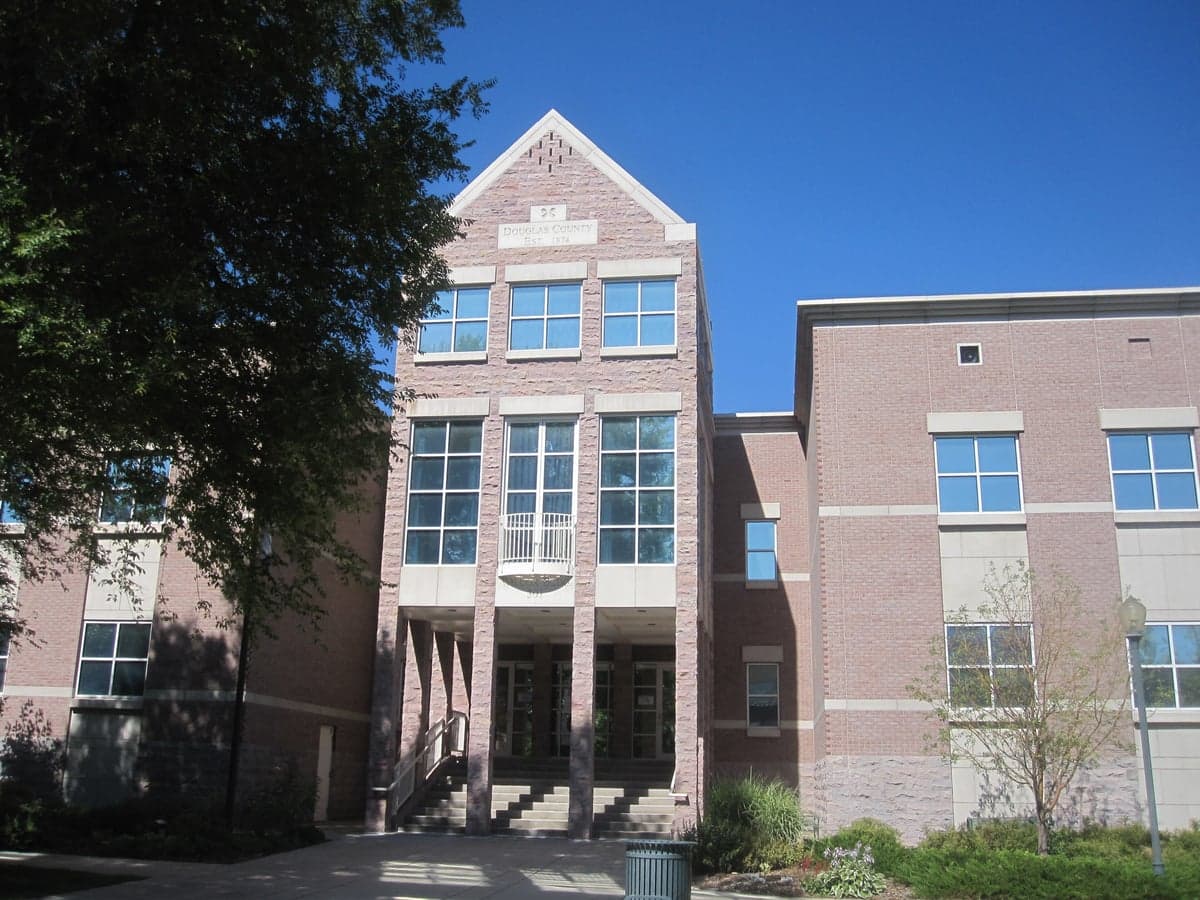
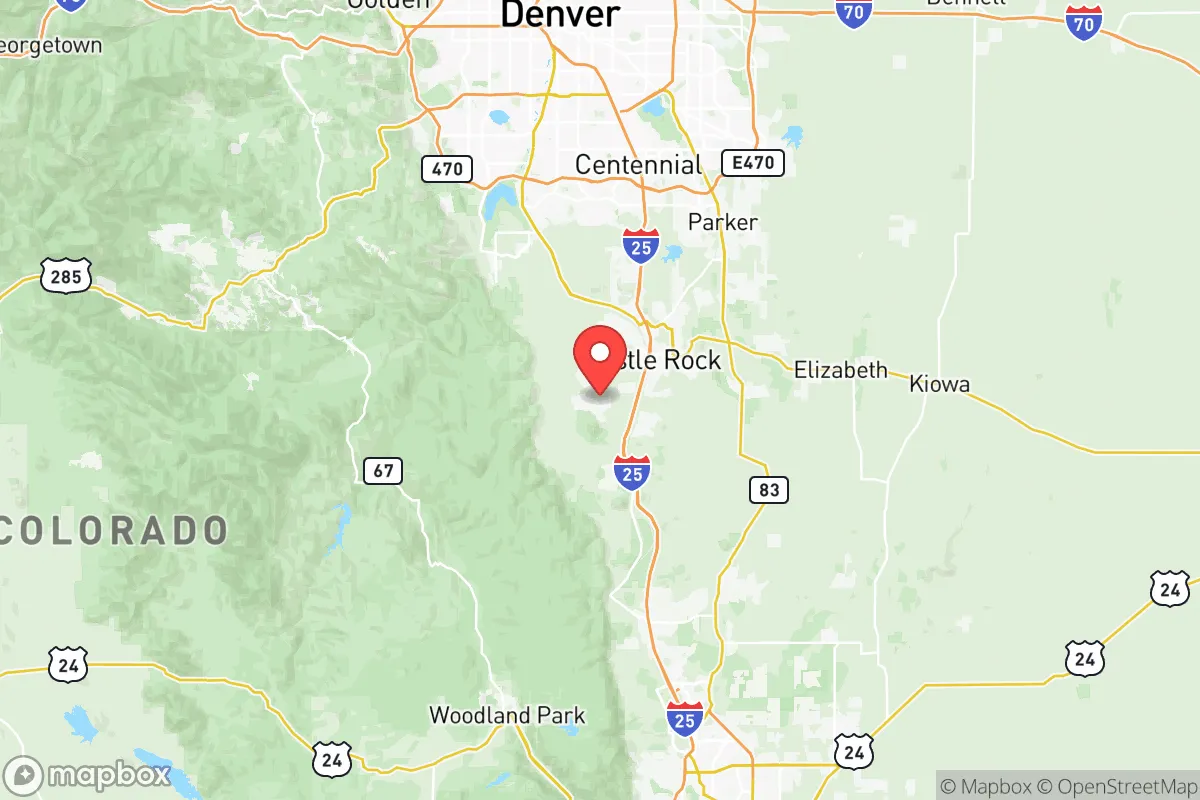
Photo: Wikipedia
Quality of Life in Douglas County
A livable area that tracks near national norms for affordability, walkability, and neighborhood health.
What does Quality of Life tell us?
Quality of Life measures an area by evaluating factors like cost of living, nearby amenities, country club access, airport proximity, socioeconomic signals and neighborhood character. For large states, this is a general average — quality of life can vary dramatically between metro areas, suburbs, and rural communities within the same state.
What does this tell us?
Quality of Life measures an area by evaluating factors like cost of living, nearby amenities, country club access, airport proximity, socioeconomic signals and neighborhood character. For large states, this is a general average — quality of life can vary dramatically between metro areas, suburbs, and rural communities within the same state.
Cost of Living
104% above national average
76%
The Real Cost of Living in Douglas County for 2026
| Tier | Individual | Family (4) |
|---|---|---|
| Survival | $33k | $63k |
| Comfortable | $131k | $192k |
| Luxury | $219k+ | $339k+ |
| Elite (Top 5%) | $258k+ | $399k+ |
Quality-of-Life Analysis
Douglas County, Colorado, offers a spectrum of quality-of-life options that range from master-planned suburban hubs to historic ranching communities and secluded mountain enclaves. The county’s character shifts noticeably from its densely populated northern corridor, where commuters and families seek top-rated schools and modern amenities, to its southern and western reaches, where larger lots, open space, and a slower pace attract those prioritizing privacy and outdoor access. This diversity means that a single county can accommodate both a tech professional working in Denver and a horse owner seeking a 10-acre parcel near the Pike National Forest.
Largest town(s) & population centers
The dominant population centers are Castle Rock, the county seat, and the northern suburbs of Lone Tree and Parker. Castle Rock, with roughly 80,000 residents, functions as the commercial and governmental heart of the county, anchored by the Outlets at Castle Rock and the Promenade at Castle Rock shopping centers. Daily life here is car-dependent but highly convenient, with a dense network of chain retailers, medical offices, and new housing developments. Lone Tree, home to the massive Sky Ridge Medical Center and the Charles Schwab campus, attracts a professional workforce with its proximity to the Denver Tech Center and light-rail access via the RidgeGate Parkway station. Parker, to the east, offers a slightly more traditional suburban feel with its historic downtown along Parker Road, though it has rapidly expanded with new subdivisions and the Parker Adventist Hospital. All three towns share an average commute of roughly 27 minutes, which is manageable by metro Denver standards but can stretch to 45 minutes during peak hours for those driving to downtown Denver.
Smaller towns & rural pockets
South of Castle Rock, the county opens into a landscape of working ranches and small communities. Franktown, an unincorporated area along Highway 83, is a classic rural crossroads with a handful of historic buildings, a post office, and no commercial strip—residents here typically drive 15–20 minutes to Castle Rock for groceries. Larkspur, a tiny town of about 200 people near the Palmer Divide, is known for its annual Renaissance Festival and its proximity to the Spruce Mountain Open Space. Further west, the unincorporated area around Sedalia and the West Plum Creek Valley offers large-acreage properties, horse properties, and direct access to the Pike National Forest. These areas lack municipal services like public water and sewer, meaning well and septic systems are standard, and internet options can be limited to satellite or fixed wireless. The trade-off is a quiet, dark-sky environment with minimal traffic and a strong sense of land stewardship.
Cost & lifestyle range
The cost of living in Douglas County is steep, with a composite index of 204 (more than double the U.S. average), driven primarily by housing. The median home value sits at $674,000, and median rent is $2,095. However, these figures mask a wide spread. At the high end, Castle Pines Village and the gated communities near The Pinery feature custom homes on multi-acre lots, with prices routinely exceeding $1.5 million and HOA fees covering private roads, security, and club amenities. At the more accessible end, older subdivisions in Castle Rock’s “The Meadows” or Parker’s “Cottonwood” neighborhoods offer townhomes and smaller single-family homes in the $500,000–$600,000 range, though inventory is tight. Renters face the most pressure: a two-bedroom apartment in Lone Tree or Castle Rock typically rents for $2,200–$2,500, pushing many service workers to commute from cheaper areas in Elbert or Park counties. Lifestyle options vary accordingly: residents in the northern towns enjoy walkable trail systems, rec centers, and frequent community events, while those in the rural south rely on private wells, septic systems, and a 30-minute drive for any major errand.
Douglas County best suits households that value high-performing public schools (consistently ranked among Colorado’s top districts), low crime rates, and a predictable suburban or exurban environment. Families with school-age children and dual-income professionals who can absorb the housing costs will find the county’s infrastructure and amenities a strong match. Conversely, single renters, young adults seeking nightlife, or retirees on fixed incomes may struggle with the cost and car dependency. The county’s political leanings are reliably conservative, with Republicans holding all county commission seats and a majority of school board positions, which shapes local policy on growth, taxes, and land use. For those who can afford the entry price and accept the commute, Douglas County offers a stable, amenity-rich base with direct access to both the Denver job market and Colorado’s Front Range outdoor recreation.

Crime in Douglas County
Crime rates similar to the national median for U.S. locations.
Violent CrimeViolent Crime Analysis
Property CrimeProperty Crime Analysis
Crime Analysis
Douglas County, Colorado, consistently ranks among the safest large counties in the state, with violent and property crime rates that fall well below national averages. The county’s overall safety profile is bolstered by well-funded law enforcement agencies and a conservative judicial philosophy in the 18th Judicial District, which encompasses Douglas, Elbert, and Lincoln counties. However, like any growing suburban region, crime patterns vary significantly by jurisdiction, with certain municipalities reporting notably lower incident rates than others.
Crime in context
Douglas County’s violent crime rate of 405.4 per 100,000 residents is roughly 15% lower than the national average of approximately 380 per 100,000, though it sits slightly above the Colorado state average of 370 per 100,000. Property crime in the county stands at 2,092.1 per 100,000, which is about 25% below the national property crime rate of 2,800 per 100,000 and significantly lower than the Colorado state average of 2,500 per 100,000. These figures place Douglas County in a favorable position compared to neighboring jurisdictions: Denver’s violent crime rate exceeds 700 per 100,000, while Arapahoe County reports rates near 500 per 100,000. The county’s relatively low crime numbers are partly attributable to the 18th Judicial District’s track record of holding offenders accountable, in contrast to more progressive district attorney offices in Denver and Boulder that have faced criticism for declining to prosecute certain property and drug offenses.
What residents experience
Residents of Douglas County’s incorporated towns and cities generally report feeling safe in their daily routines. Castle Rock, the county seat, maintains a violent crime rate of roughly 250 per 100,000 — well below the county average — and its police department emphasizes community-oriented policing and rapid response times. Parker, the largest town in the county, sees property crime rates around 1,800 per 100,000, driven largely by vehicle break-ins and package thefts from porches, but violent incidents remain rare. Lone Tree, home to the Park Meadows shopping district, experiences elevated property crime due to retail theft, yet its violent crime rate hovers near 200 per 100,000. The unincorporated areas of the county, including rural stretches near Sedalia and Larkspur, report the lowest crime rates overall, though response times from the Douglas County Sheriff’s Office can be longer due to geographic spread. Residents consistently cite the county’s conservative approach to sentencing — including mandatory minimums for repeat offenders — as a key factor in maintaining public confidence.
Neighborhood-level variation
Crime in Douglas County is not distributed evenly, and prospective residents should examine specific neighborhoods before relocating. The highest concentration of property crime occurs in commercial corridors along Interstate 25 and State Highway 83, particularly near shopping centers in Castle Rock and Lone Tree. Violent crime, while low overall, clusters in a handful of apartment complexes and rental-heavy subdivisions in central Castle Rock and southern Parker, where transient populations are larger. By contrast, master-planned communities like Highlands Ranch — an unincorporated census-designated place patrolled by the Douglas County Sheriff’s Office — report violent crime rates below 150 per 100,000 and property crime rates under 1,500 per 100,000. The county’s district attorney, elected on a platform of strict enforcement, has publicly stated that progressive criminal justice reforms in neighboring counties have not influenced Douglas County’s policies, a stance that resonates with many residents who prioritize public safety over leniency.
* Values derived from national, state, county, city and local statistics and may differ in a specific area. Last updated: 2026-05-12T11:55:31.000Z
Narrative content on this page is AI-generated and may contain mistakes. Verify any details that matter before acting on them.
ReloMaps may earn a commission from affiliate links at no extra cost to you.

