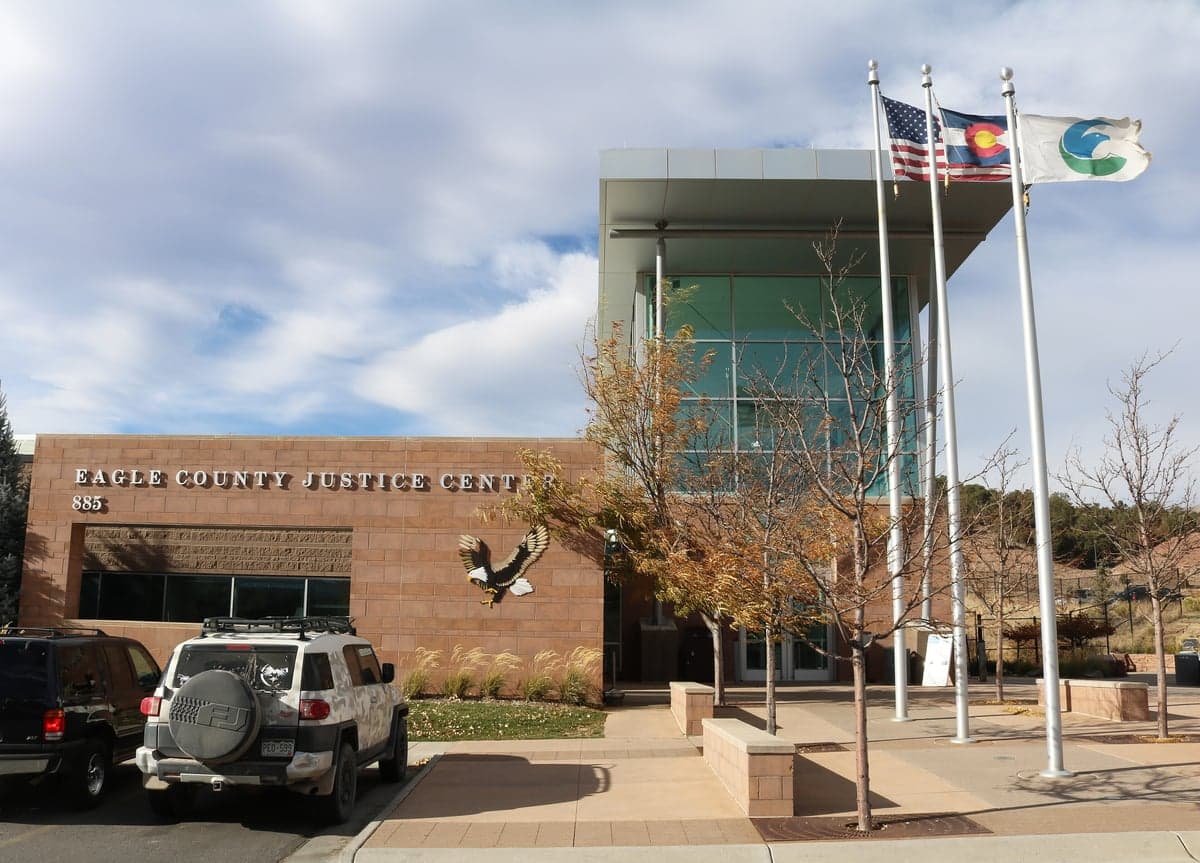
Photo: Wikipedia
Quality of Life in Eagle County
A livable area that tracks near national norms for affordability, walkability, and neighborhood health.
What does Quality of Life tell us?
Quality of Life measures an area by evaluating factors like cost of living, nearby amenities, country club access, airport proximity, socioeconomic signals and neighborhood character. For large states, this is a general average — quality of life can vary dramatically between metro areas, suburbs, and rural communities within the same state.
What does this tell us?
Quality of Life measures an area by evaluating factors like cost of living, nearby amenities, country club access, airport proximity, socioeconomic signals and neighborhood character. For large states, this is a general average — quality of life can vary dramatically between metro areas, suburbs, and rural communities within the same state.
Cost of Living
120% above national average
44%
The Real Cost of Living in Eagle County for 2026
| Tier | Individual | Family (4) |
|---|---|---|
| Survival | $32k | $61k |
| Comfortable | $158k | $233k |
| Luxury | $186k+ | $289k+ |
| Elite (Top 5%) | $280k+ | $433k+ |
Quality-of-Life Analysis
Eagle County, Colorado, offers a quality-of-life spectrum that ranges from world-class resort towns to quiet, unincorporated mountain valleys, drawing everyone from luxury second-home buyers and seasonal hospitality workers to long-time ranching families and remote professionals. The county’s character shifts dramatically between its commercial hubs and its rural pockets, with cost of living and daily routines varying as much as the elevation. With a cost-of-living index of 220 (more than double the U.S. average), a median home value of $814,700, and median rent of $2,032, the financial threshold for entry is high, but the trade-off is access to some of the most dramatic alpine scenery and outdoor recreation in the lower 48.
Largest town(s) & population centers
Vail is the county’s most famous population center, a purpose-built resort town anchored by Vail Mountain. Daily life here revolves around tourism, with a dense walkable village core, high-end dining, and a workforce heavily employed in hospitality, retail, and ski operations. The town’s population of roughly 5,000 swells with seasonal workers and visitors, and housing is extremely tight — most employees commute from more affordable areas. Eagle, the county seat, offers a contrasting experience: a working-class town of about 7,000 with a historic downtown, county government offices, and a more family-oriented feel. Eagle has a lower concentration of luxury amenities than Vail but provides practical services like a hospital, grocery stores, and public schools. Gypsum, the third-largest town, is a growing bedroom community with newer subdivisions, a major Amazon distribution center, and the Eagle County Regional Airport. Daily life in Gypsum is more suburban and commute-driven, with many residents traveling to Vail or Edwards for work.
Smaller towns & rural pockets
Beyond the main towns, Eagle County contains several distinct smaller communities. Edwards sits between Vail and Eagle, offering a mix of golf-course subdivisions, the Riverwalk shopping center, and a quieter resort lifestyle. Avon is a compact town at the base of Beaver Creek Mountain, with a dense mix of condos, hotels, and the Nottingham Lake recreation area. Minturn, a former railroad town, retains a scrappier, more authentic character with older homes, a small downtown, and direct access to the Holy Cross Wilderness. Red Cliff, population roughly 300, is a tiny unincorporated community perched at 8,700 feet, offering the most remote and affordable housing stock in the county — often older cabins and mobile homes. Wolcott and Burns are unincorporated ranching hamlets along the Eagle River, where agricultural land and horse properties dominate the landscape. These rural pockets have minimal services — no grocery stores or gas stations — and residents typically commute 20–40 minutes to Eagle or Edwards for basic needs.
Cost & lifestyle range
The cost and lifestyle spread across Eagle County is extreme. At the high end, Vail and Beaver Creek (in Avon) command median home prices well above the county average, often exceeding $1.5 million for a single-family home, with a lifestyle centered on ski-in/ski-out access, fine dining, and concierge services. At the low end, Red Cliff and parts of Minturn offer the county’s most affordable housing — older homes and mobile homes in the $400,000–$600,000 range — but with longer commutes, fewer amenities, and older infrastructure. Gypsum and Eagle sit in the middle, with newer townhomes and single-family homes in the $600,000–$900,000 range, and a lifestyle that includes chain retailers, public schools, and shorter commutes to regional employment centers. The average commute across the county is 22.6 minutes, but that figure masks a wide range: a Vail resident might walk to work, while a Red Cliff resident commuting to Vail faces a 30-minute drive over Vail Pass in winter conditions. Renters face a median of $2,032 per month, though studio apartments in Vail often exceed $2,500, while a two-bedroom in Eagle or Gypsum can be found closer to $1,800.
Who thrives in Eagle County depends heavily on financial resources and tolerance for seasonal tourism. High-income professionals and remote workers with flexible schedules and budgets above the median home value can enjoy the resort amenities of Vail, Beaver Creek, and Edwards. Working families and service-industry employees tend to settle in Eagle, Gypsum, or Minturn, where housing is relatively more attainable and daily life is less dependent on the tourist economy. Outdoor enthusiasts and self-sufficient types find the rural pockets of Red Cliff, Wolcott, and Burns appealing for their solitude and direct access to backcountry skiing, fishing, and hiking — provided they can handle the longer drives and limited services. The county’s high cost of living and tight housing market mean that financial planning and realistic expectations about commute times are essential for anyone considering a move here.

Crime in Eagle County
Crime rates similar to the national median for U.S. locations.
Violent CrimeViolent Crime Analysis
Property CrimeProperty Crime Analysis
Crime Analysis
Eagle County, Colorado, presents a mixed safety profile that diverges sharply from national averages, with violent crime rates significantly higher than the U.S. norm but property crime rates that are notably lower. The county’s overall violent crime rate of 405.4 per 100,000 residents is roughly 16% above the national average, while its property crime rate of 2,092.1 per 100,000 sits about 15% below the national figure. This disparity reflects the county’s unique blend of affluent resort communities, transient tourist populations, and rural stretches, where crime patterns vary widely by jurisdiction.
Crime in context
Compared to Colorado’s statewide violent crime rate of approximately 410 per 100,000, Eagle County is nearly on par, but its property crime rate is well below the state’s average of roughly 2,800 per 100,000. The county’s elevated violent crime is driven largely by incidents in the more densely populated towns of Avon and Vail, where seasonal tourism and nightlife contribute to higher rates of assault and robbery. In contrast, the smaller communities of Gypsum and Eagle report violent crime rates closer to 250 per 100,000, reflecting quieter, more residential environments. Property crime, while lower than state averages, is concentrated in tourist-heavy areas: Vail and Avon see elevated larceny and vehicle break-ins, particularly during peak ski season, while Basalt and Edwards experience far fewer incidents. The county’s District Attorney, serving the 5th Judicial District, has historically pursued a moderate-to-conservative approach to prosecution, which helps keep recidivism lower than in more progressive jurisdictions elsewhere in Colorado.
What residents experience
For daily life in Eagle County, the safety experience is highly location-dependent. Residents of Vail and Avon report frequent concerns about theft from vehicles and occasional alcohol-fueled altercations, especially near the ski base areas and nightlife corridors. In contrast, families in Gypsum and Eagle describe a quieter, more predictable environment where violent crime is rare and property crime is limited to isolated incidents. The county’s sheriff’s office and local police departments maintain visible patrols in commercial districts, but the transient workforce—many seasonal employees live in shared housing—can create pockets of disorder. Notably, the progressive policies of some neighboring counties (like Pitkin County to the south) have led to criticism from local law enforcement, who argue that lenient sentencing for property crimes in those areas spills over into Eagle County as offenders cross jurisdictional lines. This dynamic is a concern for residents who value accountability and public safety over offender rehabilitation.
Neighborhood-level variation is pronounced. The West Vail area, with its higher density of rental properties and short-term vacation units, sees more police calls than the gated communities of Cordillera or the ranches near Wolcott. In Avon, the area around the town core and the Riverwalk district reports the highest concentration of theft and minor assaults, while the residential neighborhoods near Nottingham Lake are markedly safer. For those considering relocation, the safest bets are the smaller towns of Gypsum and Eagle, where violent crime rates are roughly half the county average and property crime is minimal. However, even in higher-crime areas, the overall risk remains manageable for most residents, provided they take standard precautions like locking vehicles and avoiding late-night confrontations in tourist zones.
* Values derived from national, state, county, city and local statistics and may differ in a specific area. Last updated: 2026-05-12T17:39:32.000Z
Narrative content on this page is AI-generated and may contain mistakes. Verify any details that matter before acting on them.
ReloMaps may earn a commission from affiliate links at no extra cost to you.

