Photo: Wikipedia
Political ClimatePolitical Climate in Eagle County
Showing district-level results — no local-only data available.
Local Political AnalysisPolitical Analysis of Eagle County
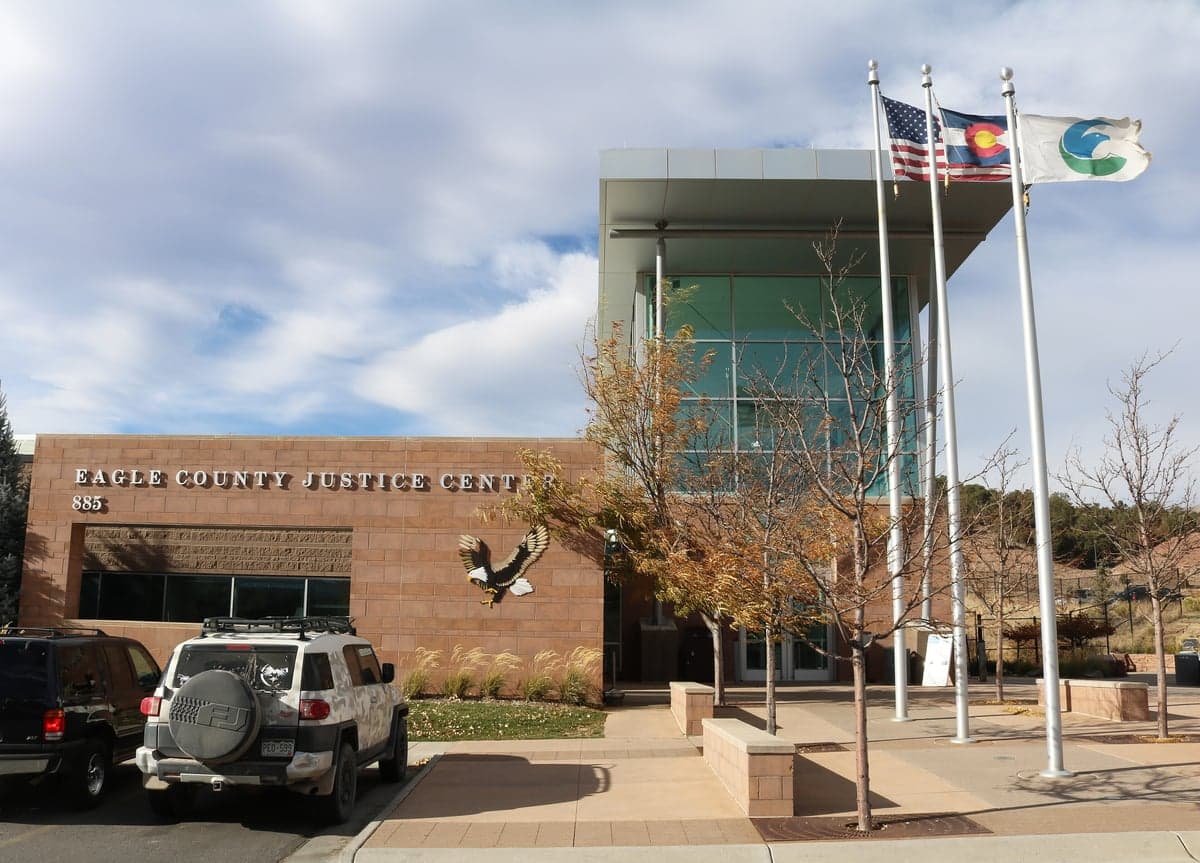
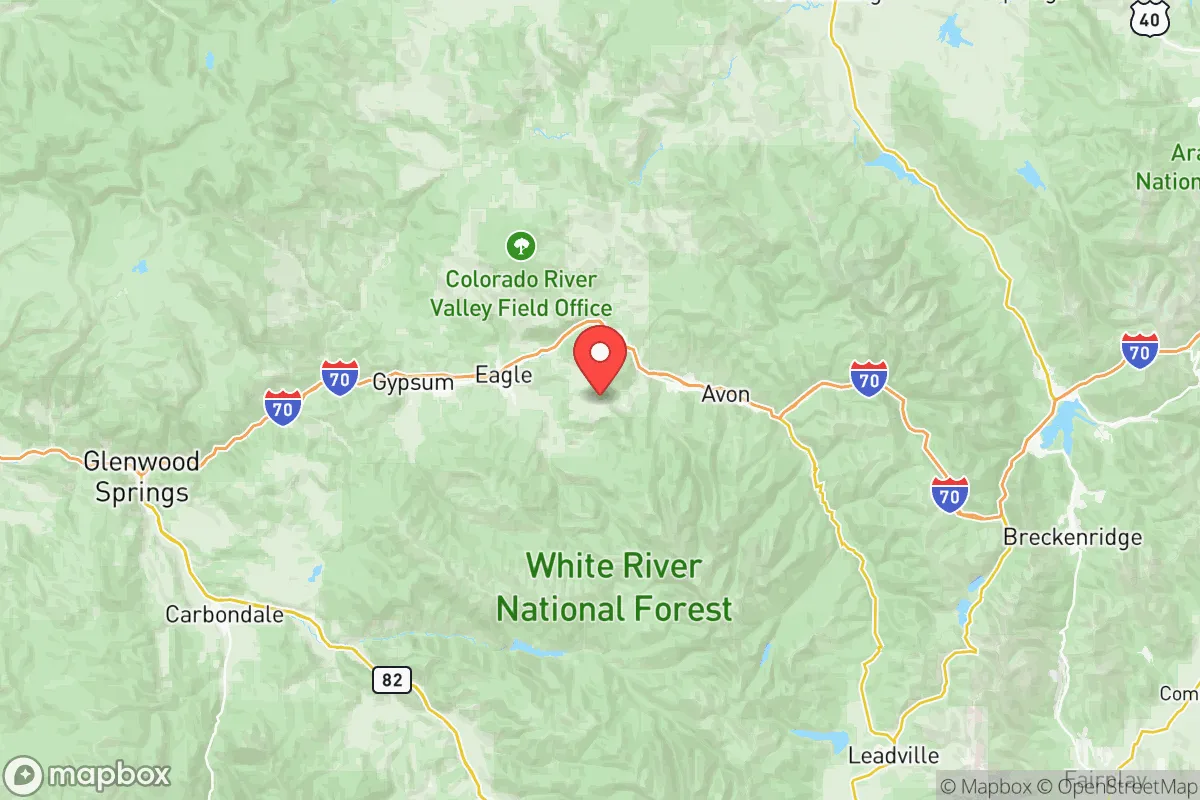
Eagle County, Colorado, has a Cook PVI of D+20, making it one of the most reliably Democratic counties in the state, but that number doesn’t tell the whole story. The county’s politics are heavily shaped by the resort towns of Vail and Beaver Creek, which vote overwhelmingly blue, while the more rural, working-class communities like Gypsum, El Jebel, and parts of Eagle itself lean red or are genuine swing precincts. The shift toward progressive ideology here has been accelerating since the early 2010s, and it’s a trend that long-time residents—especially those who remember when the county was more of a purple patch—find increasingly concerning.
How it compares
Compared to Colorado as a whole, which sits at D+6, Eagle County is more than three times as Democratic-leaning. That gap has widened noticeably in the last decade. While the state has moved left, Eagle County has sprinted ahead, driven by an influx of wealthy, out-of-state second-home owners and a booming tourism economy that attracts a transient, younger workforce. In the 2020 presidential election, Eagle County gave Joe Biden over 63% of the vote, while Colorado overall was closer to 55%. The real contrast shows up in local races: towns like Vail and Avon routinely elect candidates who push for higher taxes, stricter land-use regulations, and expansive government programs. Meanwhile, in Gypsum and the rural parts of the county, you’ll find precincts that vote more like the Western Slope of 20 years ago—skeptical of government overreach and protective of property rights. That internal divide is getting sharper, not softer.
What this means for residents
For residents who value personal freedoms and limited government, the trend is troubling. The county government has steadily expanded its reach into areas like short-term rental regulations, building codes, and environmental mandates that go well beyond state requirements. Property owners in unincorporated areas now face some of the strictest wildfire mitigation rules in the state, enforced by county inspectors who can enter your land without a warrant. The school board in the Vail Valley School District has adopted curriculum policies that prioritize social-emotional learning and diversity initiatives over core academics, a move that has driven some families to homeschool or move to less ideologically driven districts like Garfield County. The county’s health department also pushed mask mandates and vaccine requirements longer than neighboring counties, creating friction with small business owners who felt they were being used as enforcers.
What’s often lost in the D+20 label is that Eagle County isn’t a monolith. If you live in Gypsum or Dotsero, your experience of local government is very different from someone in Vail Village. The county commission is currently split 3-2 in favor of progressive candidates, but that margin is fragile. Turnout in midterm and local elections is often below 50%, meaning a motivated minority can swing a race. The real battle isn’t between Democrats and Republicans anymore—it’s between the resort-driven, government-heavy vision of the Vail-Avon corridor and the more libertarian, live-and-let-live ethos of the county’s rural and agricultural communities. If you’re considering a move here, pay close attention to which town you pick, because the political climate changes block by block.

State Political ClimatePolitical Climate in Colorado
State Political AnalysisPolitical Environment in the State
Colorado has shifted from a classic purple swing state to a solidly Democratic-leaning one, with a Cook PVI of D+6 that reflects a decade-long transformation driven by explosive growth along the Front Range. The state’s political center of gravity has moved decisively left since the early 2000s, when it was still competitive at the presidential level, but the shift is far from uniform—rural and eastern plains counties remain deeply conservative, creating one of the sharpest urban-rural divides in the nation. For a conservative considering relocation, the key question isn’t whether Colorado is red or blue—it’s whether you can find a pocket where your values still fit, and whether the state’s policy trajectory is something you can live with.
Urban vs. rural divide
The political map of Colorado is essentially a story of two states. The Denver metro area—including Denver proper, Boulder, and the suburban counties of Jefferson, Arapahoe, and Adams—drives the state’s Democratic lean, with Denver County routinely voting 80%+ Democratic in presidential elections. Boulder County is even more progressive, while Colorado Springs (El Paso County) remains the largest conservative stronghold, though even there, the city itself has been trending purple as younger transplants move in. The rural eastern plains—counties like Yuma, Kit Carson, and Prowers—vote Republican by margins of 70-80%, but their populations are tiny. The Western Slope, including Mesa County (Grand Junction) and Montrose County, is reliably red, but the resort towns of Pitkin County (Aspen) and Summit County (Breckenridge) are deep blue. The real story is the suburban ring: Jefferson County, once a bellwether, has flipped from red to blue over the past two cycles, while Douglas County (south of Denver) remains the last major suburban holdout for conservatives, though even there, the margin has shrunk from +20 R in 2012 to roughly +5 R in 2024. If you’re looking for a conservative community, your best bets are Colorado Springs, Douglas County, Grand Junction, or the smaller towns along the I-25 corridor south of Pueblo.
Policy environment
Colorado’s state-level policy environment has become increasingly progressive, especially since Democrats took full control of the governorship and legislature in 2019. The state income tax is a flat 4.4%, which is moderate by national standards, but property taxes are relatively low thanks to the Gallagher Amendment (repealed in 2020, but its effects linger). Sales taxes vary wildly by locality—Denver’s combined rate can hit 8.81%, while rural areas are often under 7%. The regulatory posture is business-friendly in some sectors (tech, aerospace, outdoor recreation) but hostile to traditional energy—Colorado has some of the strictest oil and gas regulations in the country, including 2,000-foot setback requirements from homes and schools passed in 2019 (SB19-181). Education policy is a flashpoint: the state has a school choice system with charter schools and open enrollment, but the Denver Public Schools board has moved left, pushing critical race theory and gender identity curricula that have sparked parental rights battles. Healthcare is dominated by the state-run Connect for Health Colorado exchange, and the state expanded Medicaid under the ACA. Election laws are among the most liberal in the nation: universal mail-in ballots since 2013, same-day voter registration, and no voter ID requirement at the polls (though ID is needed for registration). For a conservative, the policy environment feels like a slow but steady drift toward California-style governance, especially on energy and education.
Trajectory & freedom
Colorado’s trajectory over the past decade has been unmistakably toward less personal freedom in several key areas. On gun rights, the state passed universal background checks and a magazine capacity limit (15 rounds) in 2013 after the Aurora theater shooting, and in 2023, Democrats passed a three-day waiting period for firearm purchases and raised the purchase age to 21 (HB23-1219). A 2024 law (SB24-131) allows local governments to ban concealed carry in public buildings and parks, effectively creating a patchwork of restrictions. Parental rights took a hit with the 2021 passage of the “Comprehensive Human Sexuality Education” law (HB19-1032), which requires schools to teach LGBTQ-inclusive sex ed without an opt-out for parents—though a 2023 amendment added an opt-out provision after backlash. Medical autonomy: Colorado was the first state to decriminalize psychedelics (2022’s Proposition 122) and has some of the nation’s loosest abortion laws, with no gestational limits and a 2022 law (HB22-1279) protecting providers from out-of-state lawsuits. Property rights are under pressure from the aforementioned oil and gas setbacks and from a 2021 law (SB21-260) that allows local governments to impose rent control, though it’s rarely used. On the tax front, voters did pass Proposition HH in 2023, which slightly reduced property tax rates but also allowed the state to keep more revenue—a classic bait-and-switch that many conservatives saw as a tax hike in disguise. The bottom line: Colorado is becoming less free on guns, education, and energy, while remaining libertarian on drugs and abortion.
Civil unrest & political movements
Colorado has seen its share of political flashpoints. The 2020 protests in Denver were large and occasionally violent, with property damage downtown and a heavy police response that led to lawsuits. The state’s sanctuary policies are moderate—Colorado doesn’t have a full “sanctuary state” law, but Denver and Boulder have “welcoming city” ordinances that limit cooperation with ICE. Immigration politics flared in 2023 when Denver saw a surge of migrant arrivals from the southern border, straining city resources and sparking backlash from residents. On the right, the Colorado Republican Party has been fractured between establishment and populist factions, with the 2024 state convention devolving into chaos over delegate selection. There’s been talk of secession from rural counties—Weld County and several eastern plains counties have floated the idea of forming a separate “North Colorado” state, though it’s never gained traction. Election integrity remains a hot-button issue: Colorado’s mail-in ballot system is widely considered secure, but conservatives point to the lack of voter ID at the polls and the state’s automatic voter registration as vulnerabilities. The most visible flashpoint for a new resident would be the constant political tension in school board meetings, especially in Jefferson County and Douglas County, where battles over curriculum and library books have been intense.
Projection
Over the next 5-10 years, Colorado will likely continue its leftward drift, driven by in-migration from California and other blue states. The Denver metro area is projected to add another 500,000 residents by 2035, most of them young and progressive. The rural counties will continue to lose population and political influence. The state’s Democratic supermajority in the legislature is likely to hold, meaning more gun control, more energy regulation, and more progressive education mandates. However, there are two wild cards: first, the cost of living crisis—Denver’s median home price is now over $600,000—could slow in-migration and shift the political calculus. Second, a growing libertarian streak among younger voters could push back against some overreach, especially on property rights and taxes. For a conservative moving in now, expect to find a state where your vote in state elections is largely irrelevant, but where local control in counties like Douglas, El Paso, or Mesa still gives you some breathing room. The state will not flip red in the foreseeable future, but it may moderate slightly if the cost of living chokes off growth.
For a conservative considering relocation, Colorado offers a mixed bag: stunning natural beauty, a strong economy, and conservative-friendly enclaves in Colorado Springs, Douglas County, and the Western Slope—but a state government that is increasingly hostile to gun rights, parental control in education, and traditional energy jobs. If you can afford the housing and are willing to fight local battles over school boards and county commissions, you can carve out a good life here. Just don’t expect the state-level politics to change anytime soon. Your best strategy is to pick a county that still respects your values and get involved locally, because the statehouse in Denver is a lost cause for the foreseeable future.
* Values derived from national, state, county, city and local statistics and may differ in a specific area. Last updated: 2026-05-12T17:39:32.000Z
Narrative content on this page is AI-generated and may contain mistakes. Verify any details that matter before acting on them.
ReloMaps may earn a commission from affiliate links at no extra cost to you.

