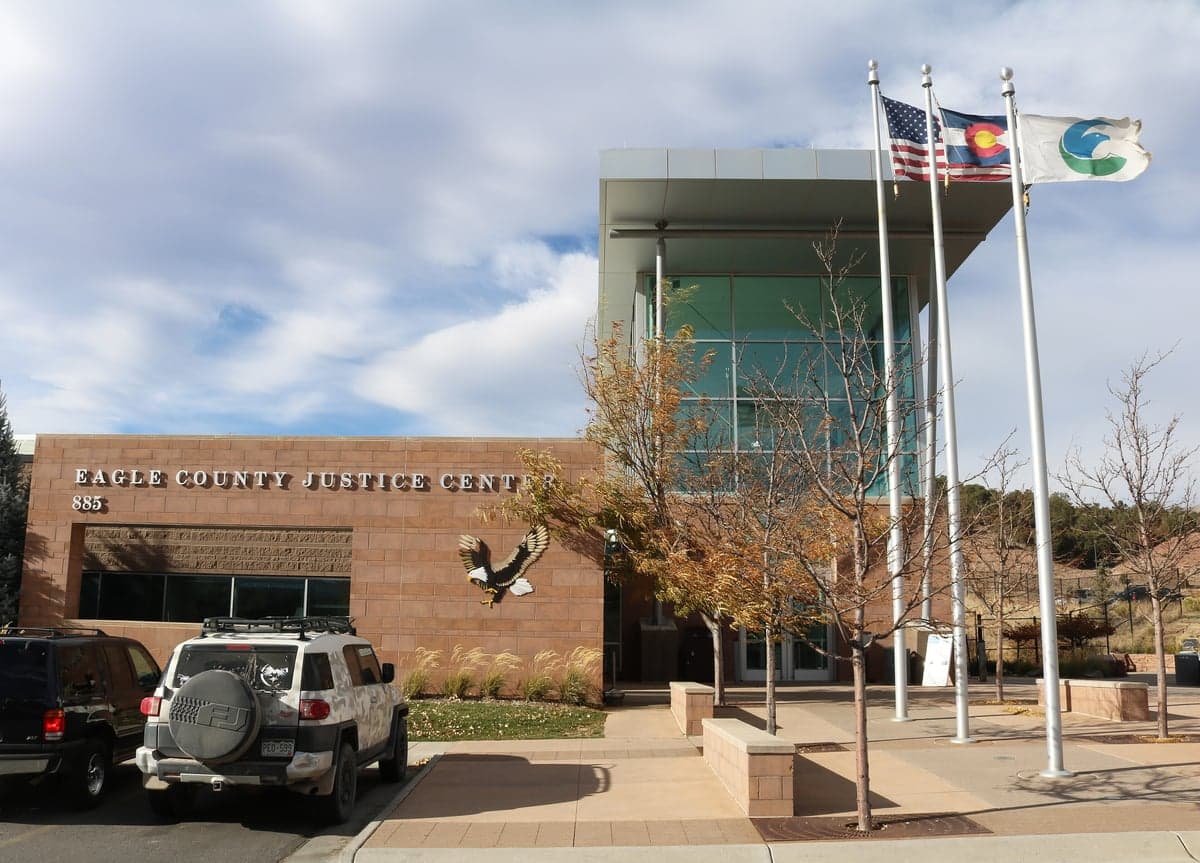
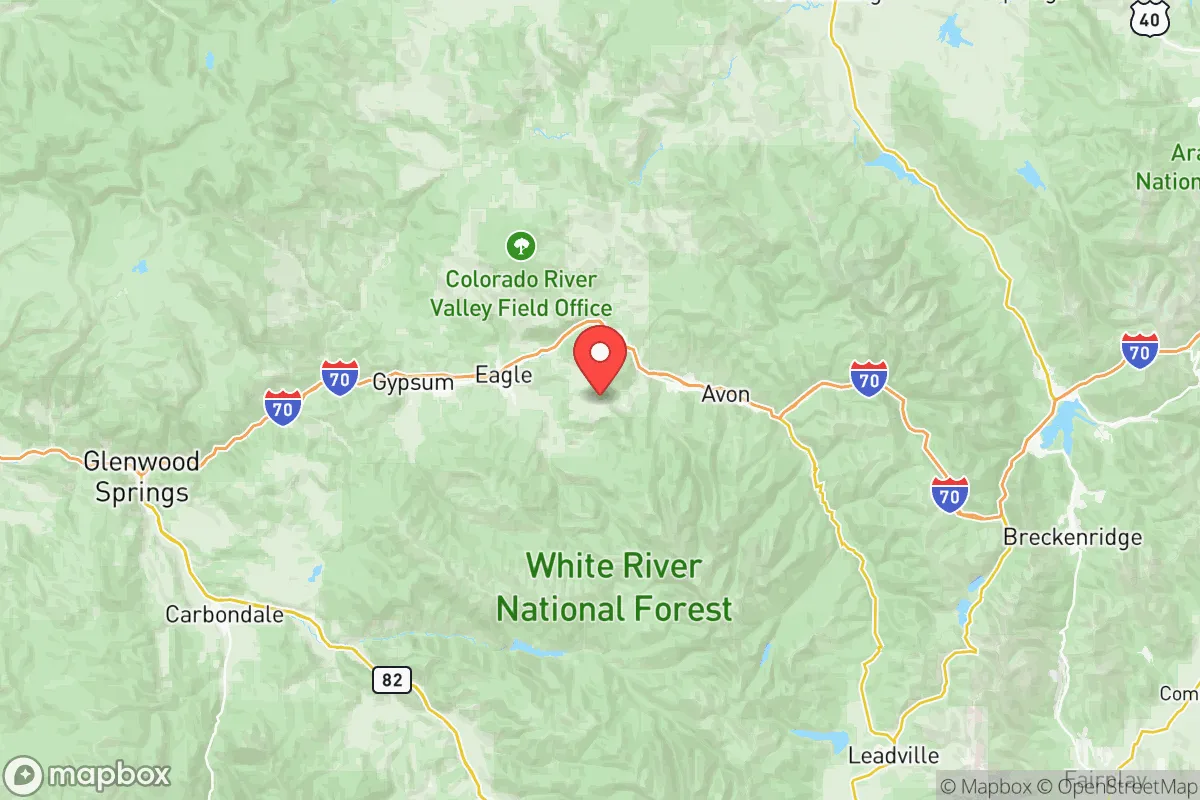
Photo: Wikipedia
Find The Best Places To Live in Eagle County
PRO TIP! You can paste a Zillow or Redfin link to get info on that property.
Best Places to Live in Eagle County
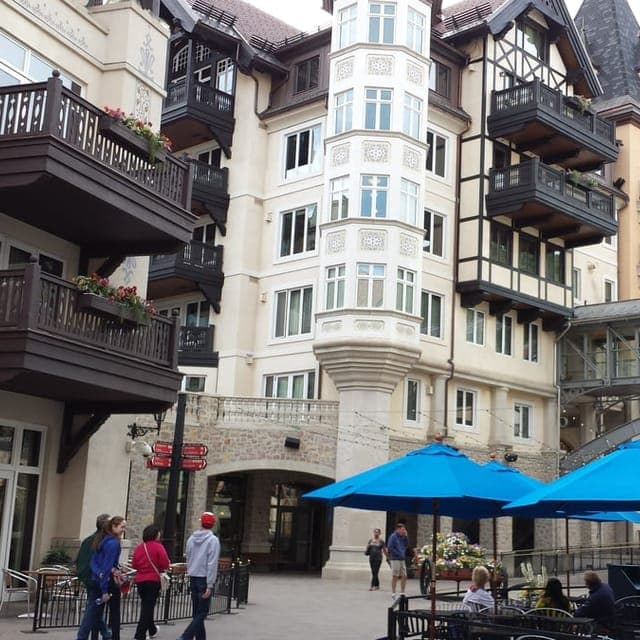
Cities & Towns in Eagle County
Cities in Eagle County
What It's Like Living in Eagle County, CO
Living in Eagle County means trading strip-mall convenience for a life framed by 14,000-foot peaks, where the daily rhythm is dictated by ski season powder days and summer trail runs. This is a place where your neighbors are as likely to be second-home owners from Dallas as they are fourth-generation ranchers, and where the median home value of $814,700 tells you upfront that this lifestyle comes with a steep price tag. Whether you’re settling in the resort bustle of Vail, the more laid-back vibe of Eagle, or the rural stretches near Gypsum, you’re signing up for a community that revolves around the outdoors, high-end tourism, and a fiercely independent Western spirit.
Daily Rhythm: From Trailhead to Après
A typical weekday in Eagle County starts early, with the 22.6-minute average commute often spent watching the sun crest over the Gore Range. In Vail, you’ll see people in ski boots grabbing coffee at Yeti’s Grind before first chair, while in Eagle, the scene is more about dropping kids at Eagle Valley Elementary before heading to a construction job or a remote-work setup. The county’s median age of 39.3 and median income of $103,174 reflect a population that’s established but not retired—many work in hospitality, real estate, or healthcare, with Vail Health and Vail Resorts being the largest employers. Afternoons shift to “après” mode: in Edwards, you’ll find locals unwinding at The Rose with a craft beer, while in Avon, the Nottingham Lake path fills with dog walkers and strollers. Weekends are sacred—either on the slopes at Beaver Creek or hiking the Booth Falls Trail, with grocery runs squeezed in at City Market in Eagle-Vail, where the parking lot is a social hub in itself.
Sports, Community, and the Local Identity
High school sports are a genuine rallying point here, not just a pastime. The Battle Mountain Huskies football games in Edwards draw crowds that rival small-town Texas, and the Eagle Valley Devils rivalry games in Gypsum pack bleachers with parents and grandparents who’ve lived here for generations. For winter sports, the county produces Olympic-level skiers—Lindsey Vonn trained here—and the Vail Ski & Snowboard Club is a feeder for national teams. The cultural identity is proudly outdoorsy but not crunchy; you’ll see as many lifted trucks with ski racks as Subarus. The Eagle County Fair & Rodeo in Eagle every July is a genuine Western event with mutton bustin’ and bull riding, a counterpoint to the polished Vail Jazz Festival in summer. A quirky local marker: the “Vail Valley” vs. “Eagle County” debate—locals from Gypsum or El Jebel will correct you if you call their home “Vail,” as the resort town is just one piece of a much broader, more working-class puzzle.
What’s There to Do: The Upsides and the Hard Truths
The biggest pro is obvious: world-class recreation at your doorstep. You can ski Vail Mountain in the morning and paddleboard on Eagle River by afternoon, with festivals like Vail’s Oktoberfest and Eagle’s Art & Wine Festival filling the calendar. The Gerald R. Ford Amphitheater in Vail hosts summer concerts that feel intimate against the mountain backdrop. But the cons are real and bite hard. The cost of living index sits at 220—more than double the U.S. average—meaning a modest three-bedroom home in Eagle runs $814,700, while a comparable place in Vail can hit $1.5 million. The violent crime rate of 405.4 per 100,000 is notably higher than the national average, concentrated in theft and property crimes tied to transient resort populations. Traffic on I-70 through Dowd Junction is a genuine headache, especially during peak ski season when a 20-minute commute from Edwards to Vail can stretch to an hour. Locals grumble about the “second-home effect”—neighborhoods that feel empty midweek and the pressure on service workers who can’t afford to live where they work.
Who Fits In—and Who Should Think Twice
Eagle County works best for people who prioritize outdoor access over urban amenities and have the financial flexibility to handle the premium. It’s a strong fit for families who want their kids growing up skiing and hiking, with Eagle County Schools being a central community hub—school events double as social gatherings. Single professionals often find the dating scene challenging due to the transient population, but the Vail Brewing Company taproom in Eagle and 10th Mountain Whiskey in Vail offer low-key spots to connect. Retirees on fixed incomes may struggle with housing costs unless they bought decades ago. The weather is a trade-off: 300 days of sunshine annually, but winter temps often dip below zero, and the high elevation (6,800 feet in Eagle) means a real adjustment for newcomers. If you’re looking for a place where your dollar stretches far and you can walk to a grocery store, this isn’t it. But if you’re willing to pay for a life where your backyard is a national forest and your weekend plans involve a summit, Eagle County delivers on that promise—with all the complications that come with it.

* Values derived from national, state, county, city and local statistics and may differ in a specific area. Last updated: 2026-05-12T17:39:32.000Z
Narrative content on this page is AI-generated and may contain mistakes. Verify any details that matter before acting on them.
ReloMaps may earn a commission from affiliate links at no extra cost to you.

