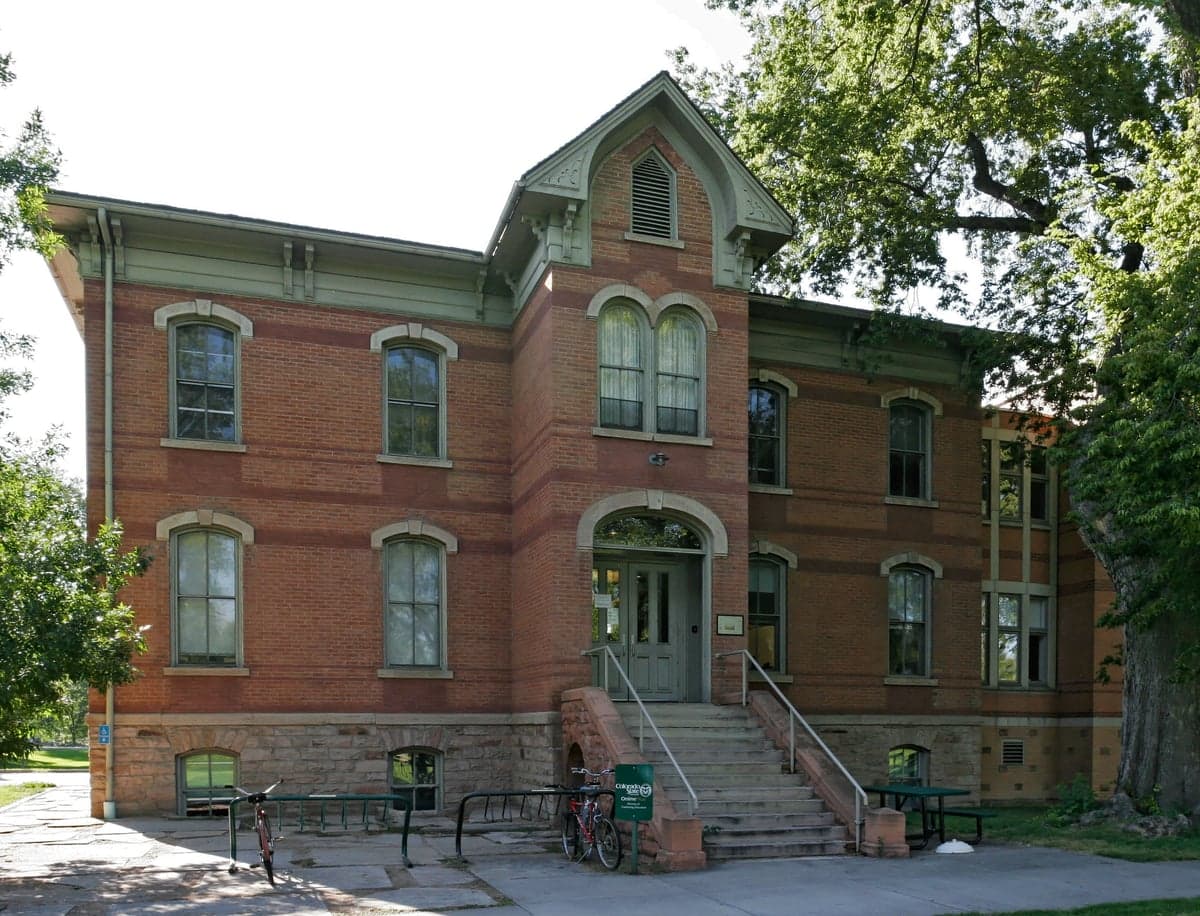
Photo: Wikipedia
Find The Best Places To Live in Larimer County
PRO TIP! You can paste a Zillow or Redfin link to get info on that property.
Best Places to Live in Larimer County

Cities & Towns in Larimer County
Cities in Larimer County
What It's Like Living in Larimer County, CO
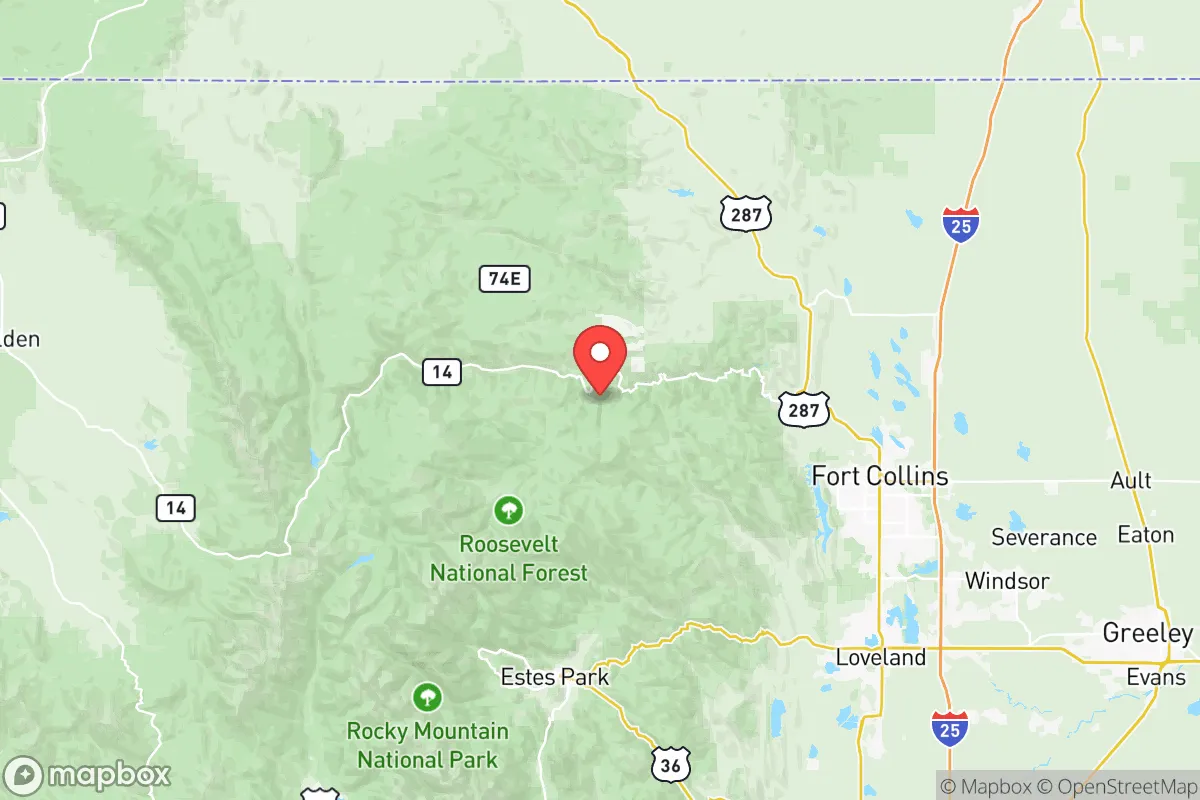
Living in Larimer County means you're constantly aware of the mountains to the west, but the day-to-day reality is more about navigating a county of distinct personalities. Fort Collins is the bustling college town and economic engine, Loveland offers a quieter, more family-oriented feel, and Estes Park is the tourist gateway to Rocky Mountain National Park, while towns like Wellington, Berthoud, and Timnath are the fast-growing suburban frontiers. The county's identity isn't one thing—it's a patchwork of lifestyles, all sharing a deep connection to the outdoors and a growing tension between preserving that character and accommodating the people who want to live here.
Daily Rhythm: From Campus Coffee to Mountain Trailheads
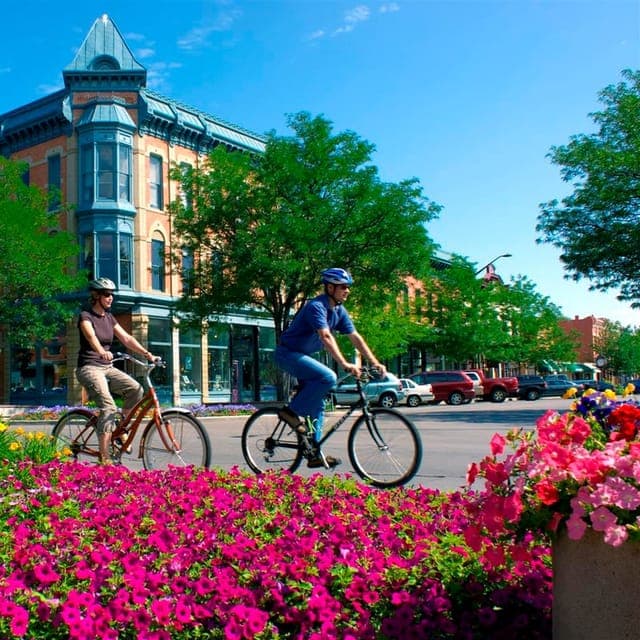
Your daily life in Larimer County depends heavily on which of its cities you call home. In Fort Collins, the rhythm is set by Colorado State University—Old Town is packed with students and young professionals grabbing coffee at Harbinger Coffee or beer at Odell Brewing Company, and the Poudre River Trail is a commuting artery for cyclists. Loveland's daily life is more suburban, centered on the Promenade Shops at Centerra for shopping and dining, and families here often spend weekends at Boyd Lake State Park or the Loveland Sculpture Garden. In Estes Park, daily life is seasonal and tourism-driven, with locals navigating summer crowds on Elkhorn Avenue and winter quiet that draws serious hikers and wildlife photographers. The average commute of about 23 minutes is manageable, but that number jumps significantly for anyone commuting from Berthoud or Wellington into Fort Collins or Loveland—those are the bedroom communities where you trade a quieter home for a longer drive.
Sports, Community, and the Colorado State Factor
Sports in Larimer County are dominated by Colorado State University athletics, and the Rams are a big deal. Canvas Stadium in Fort Collins is the epicenter on fall Saturdays, and the rivalry with the University of Colorado Boulder (the Rocky Mountain Showdown) is a genuine cultural event. High school football is also a major community anchor, especially in Loveland (Thompson Valley and Loveland High) and Fort Collins (Fossil Ridge and Rocky Mountain High). For pro sports, residents are split between Denver Broncos and Colorado Rockies fans, but the drive to Denver for a game is a commitment. The county's real athletic identity, though, is participatory—trail running, mountain biking, and fly fishing on the Cache la Poudre River are how most people spend their weekends. The New Belgium Brewing Company's Tour de Fat bike festival is a quirky, beloved tradition that sums up the county's active, beer-loving culture.
What's There to Do: Festivals, Breweries, and the Great Outdoors
Entertainment in Larimer County is heavily skewed toward the outdoors and local food-and-drink scenes. The Estes Park Elk Fest in October and the Larimer County Fair in Loveland are annual highlights. Fort Collins' Old Town is the nightlife hub, with the Aggie Theatre hosting national acts and the Lyric Cinema offering indie films. For families, the Fort Collins Museum of Discovery and the Loveland Museum are solid, but the real draw is Horsetooth Reservoir for boating and hiking, and Rocky Mountain National Park for world-class scenery. The restaurant scene is strong but not flashy—places like The Regional in Fort Collins and Door 222 in Loveland serve elevated comfort food, while the county's 40+ breweries (including Odell, New Belgium, and Loveland's Verboten Brewing) are the social backbone. A notable cultural quirk: residents are fiercely loyal to their local water—the Poudre River is a source of pride, and water rights debates are a common dinner-table topic.
Pros and Cons of Living Here
The honest picture of Larimer County includes real trade-offs. Here's what longtime residents love and what frustrates them:
- Pro: Access to nature is unmatched. You can be on a trailhead in Rocky Mountain National Park within 30 minutes from Fort Collins, and the county's open space network (like Devil's Backbone in Loveland) is free and well-maintained.
- Con: Cost of living is high. With a cost of living index of 162 (62% above the US average) and a median home value of $532,200, the county is pricing out many middle-class families. The median income of $91,364 helps, but first-time buyers often look to Wellington or Berthoud for affordability.
- Pro: Strong community feel in smaller towns. Timnath and Berthoud still have a small-town vibe with local festivals and strong school systems, which appeals to families who want a slower pace than Fort Collins.
- Con: Traffic is getting worse. I-25 through the county is a bottleneck, especially between Fort Collins and Loveland. The commute from Estes Park to Loveland in winter can be treacherous.
- Pro: Educated and engaged population. With 51.7% of adults holding a college degree, the county has a well-informed, civic-minded population that supports local libraries, parks, and community events.
- Con: Violent crime is a concern. The violent crime rate of 428.1 per 100,000 is above the national average, and while most crime is property-related in Fort Collins, it's a factor that residents discuss openly.
The kind of person who fits in here is someone who values outdoor recreation over nightlife, is comfortable with a moderate political mix (Larimer County leans blue, but Loveland and rural areas are more conservative), and has the income to handle the housing market. It's a place for people who want to be near a vibrant college town but also want quick access to wilderness, and who are willing to pay a premium for that balance.

* Values derived from national, state, county, city and local statistics and may differ in a specific area. Last updated: 2026-08-08T13:54:29.000Z
Narrative content on this page is AI-generated and may contain mistakes. Verify any details that matter before acting on them.
ReloMaps may earn a commission from affiliate links at no extra cost to you.

