 Popular
Photo: Wikipedia
Find The Best Places To Live
in Fort Collins
PRO TIP! You can paste a Zillow or Redfin link to get info on that property.
What It's Like Living in Fort Collins, CO
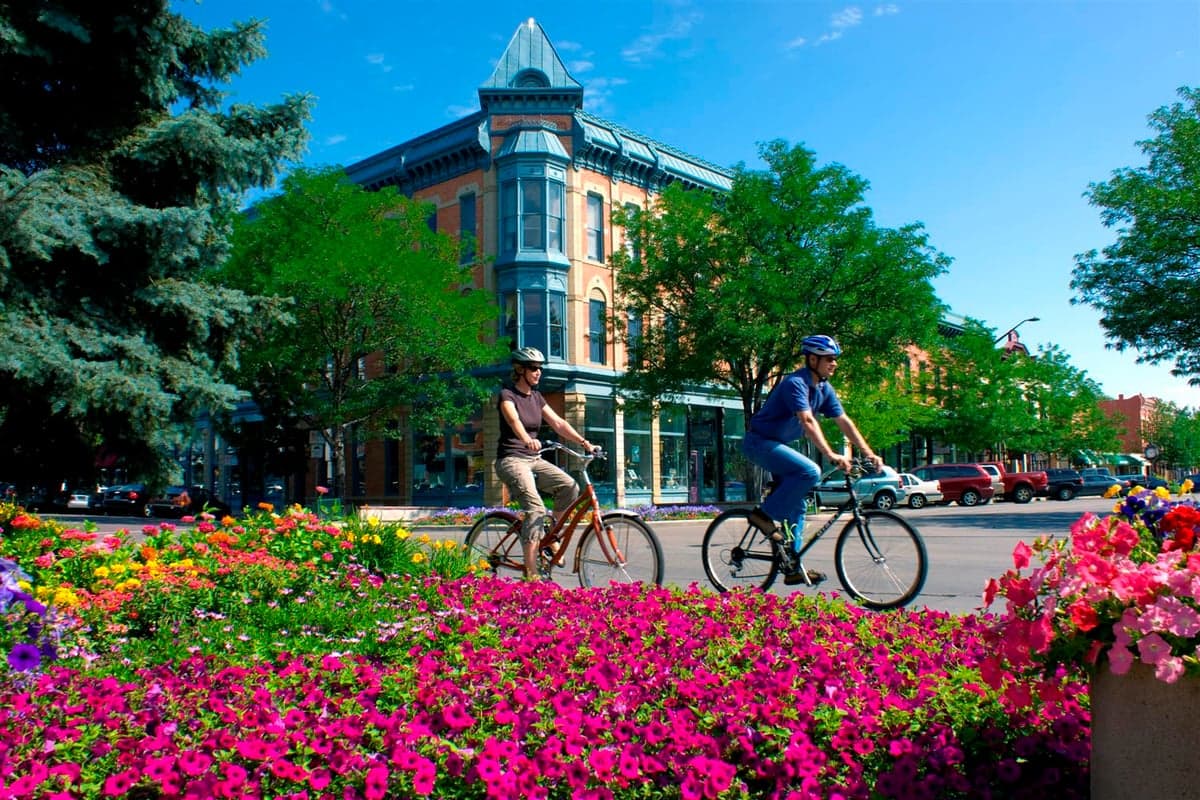
Fort Collins has a way of feeling both bigger and smaller than it actually is. With roughly 170,000 residents, it’s large enough to have its own momentum—a real downtown, a major university, a solid job base—but small enough that you’ll start recognizing faces at the co-op or the Saturday morning farmers market. The vibe is outdoorsy, educated, and noticeably young (median age just 30.6), but it’s not a college town in the party-hard sense; it’s more of a place where people in Patagonia fleeces ride gravel bikes to breweries and talk about trail conditions like weather.
The Daily Rhythm: Breweries, Bikes, and a Very Short Commute
Most days in Fort Collins revolve around the outdoors and the table. People here don’t just exercise—they structure their lives around it. The 19.9-minute average commute is a genuine perk; it means you can live in a quiet neighborhood near Horsetooth Reservoir and still get to a tech office or the university campus in under 20 minutes. Weekends often start with a run or ride up the Poudre Canyon, followed by a stop at a local coffee shop like Harbinger or Bean Cycle, then an afternoon at one of the city’s 20-plus breweries. New Belgium and Odell are the famous names, but locals have their favorites—Funkwerks for sours, Jessup Farm Barrel House for the setting. The food scene leans casual and high-quality: try the green chile at The Regional, a burger at Choice City Butcher, or a slice at Pizza Casbah. Shopping is mostly local or outdoors-focused; big-box retail exists on the south end, but the real character is in Old Town’s independent shops and the year-round farmers market.
Sports, Community, and the CSU Anchor
Colorado State University is the gravitational center, and its athletics are a genuine community rallying point. CSU Rams football and basketball games draw solid crowds, especially when the team is competitive, but the real energy is around volleyball and the annual Border War against Wyoming. High school sports are taken seriously too—Fossil Ridge, Rocky Mountain, and Fort Collins High all have strong followings, especially in soccer and cross-country. There’s no major pro team in town, but Denver is an hour south for Broncos, Nuggets, and Rockies games. What Fort Collins lacks in pro sports it makes up for in participatory events: the New Belgium Tour de Fat bike parade, the Colorado Marathon, and the annual Bohemian Nights music festival at NewWestFest turn the whole downtown into a block party. The city also hosts the Greeley Stampede (just 20 minutes east) for a rodeo-and-concert fix, and the Larimer County Fair is a low-key summer staple.
What’s There to Do: Festivals, Music, and the Outdoors
The outdoor access is the headline. Horsetooth Mountain Open Space offers hiking, climbing, and mountain biking 10 minutes from downtown. The Poudre River runs right through town, with kayaking and tubing in summer and ice fishing in winter. In winter, ski resorts like Eldora, Winter Park, and Loveland are all within a 1.5- to 2-hour drive, making day trips feasible. Music venues range from the intimate Aggie Theatre (a historic spot for indie and punk) to the outdoor Washington’s (formerly the Mishawaka Amphitheatre), which sits right on the Poudre River. The Lincoln Center hosts touring Broadway shows and symphony performances. Festivals are a big deal: the Fort Collins Brewfest in June, the Colorado Brewers’ Festival in July, and the Holiday Lights Parade in December all draw thousands. The city also has a quirky side—the annual Tour de Fat encourages costumes and bike parades, and the Fort Collins Zombie Crawl is a Halloween tradition.
Pros and Cons of Living Here
What locals love: The sheer access to nature—you can be on a trailhead in 15 minutes from almost anywhere. The low-stress commute and walkable Old Town core. The strong sense of community around local businesses and events. The educated, active population (nearly 60% hold a bachelor’s degree or higher) means you’ll find interesting neighbors and a culture that values sustainability and health. The median household income of $83,598 supports a comfortable lifestyle for most professionals.
What frustrates longtime residents: The cost of living is the biggest pain point. Median home values hit $548,400 in late 2025, and the overall cost of living index of 164 (well above the national average) makes it tough for young families and service workers to buy in. Rent is also high—a one-bedroom in a decent area runs $1,600–$1,800. Traffic is manageable by Denver standards, but I-25 southbound can back up badly during ski season and rush hour, and the city’s growth has outpaced road infrastructure in spots. The violent crime rate of 286.3 per 100,000 is slightly above the national average, though most crime is property-related and concentrated near the university or along the College Avenue corridor. Some locals grumble about “Californication”—new arrivals driving up prices and changing the town’s character—but that’s a complaint you’ll hear across the Front Range. The weather is another trade-off: 300 days of sunshine a year are real, but winter can be dry and cold (January highs around 40°F), and the occasional snowstorm can shut things down for a day. Spring is windy and unpredictable; summer afternoons often bring brief, dramatic thunderstorms.
For the conservative-leaning audience, Fort Collins is a blue dot in a purple county—Larimer County voted for Biden in 2020 and Harris in 2024, but the surrounding rural areas lean red. The city itself is progressive on environmental and social issues, but there’s a strong libertarian streak in the outdoor and business communities. Schools are a major community asset: Poudre School District is well-regarded, with several elementary and middle schools earning top ratings, and the high schools offer strong AP and IB programs. The presence of CSU means a steady stream of young renters and a vibrant intellectual scene, but also a transient population that can make long-term neighborly bonds harder to form. If you’re a single professional or a parent who values outdoor recreation, a short commute, and a lively but not chaotic downtown, Fort Collins is a strong fit—just be prepared for the housing costs and the occasional winter week when the inversion layer traps cold air in the valley.

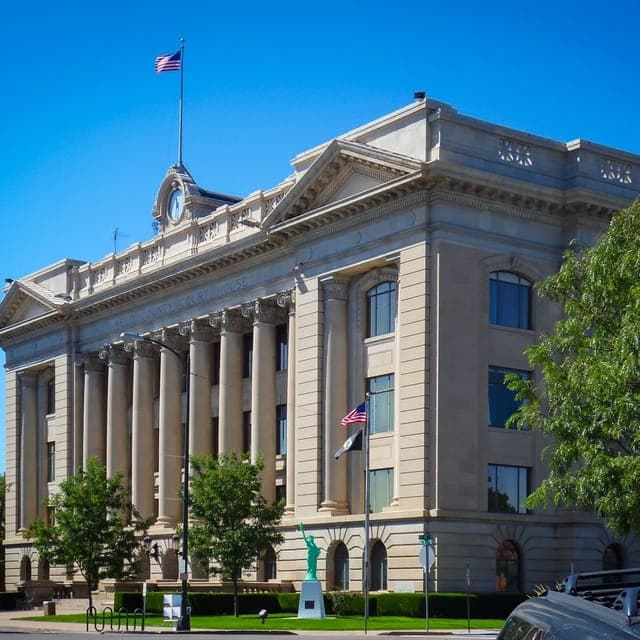
Similar small cities to Fort Collins
* Values derived from national, state, county, city and local statistics and may differ in a specific area. Last updated: 2026-04-25T04:19:49.000Z
Narrative content on this page is AI-generated and may contain mistakes. Verify any details that matter before acting on them.
ReloMaps may earn a commission from affiliate links at no extra cost to you.

