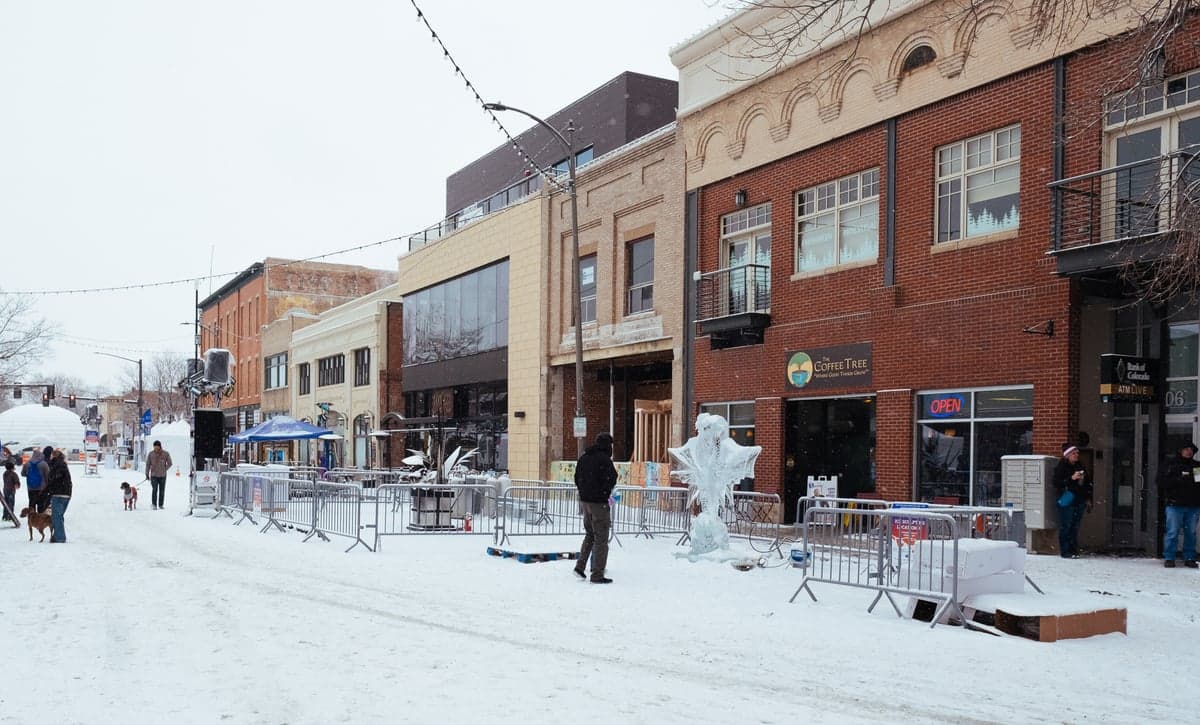
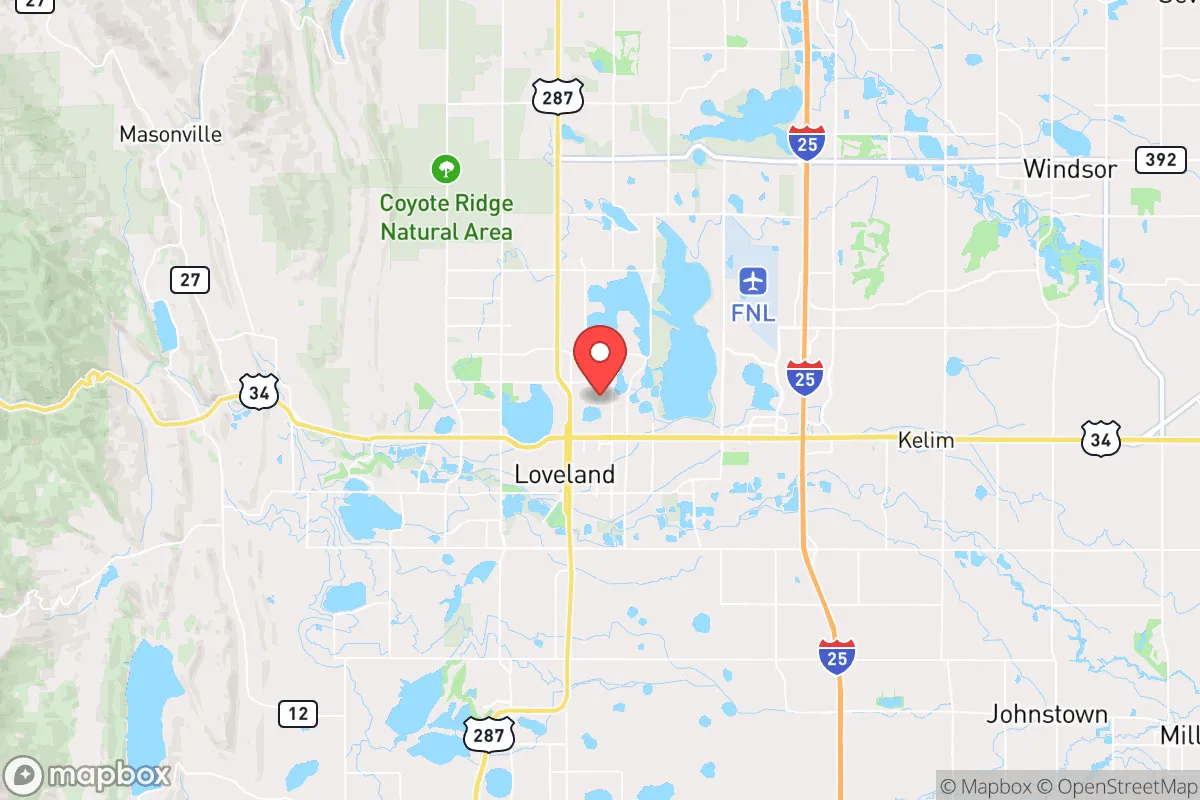
Photo: Wikipedia
Find The Best Places To Live
in Loveland
PRO TIP! You can paste a Zillow or Redfin link to get info on that property.
What It's Like Living in Loveland, CO
Loveland, Colorado, sits right where the Front Range meets the foothills, and that location shapes just about everything about living here. It’s a city of about 77,350 people that feels like a smaller, more grounded alternative to its flashier neighbors Fort Collins and Boulder — less college-town chaos, less tourist traffic, and a noticeably more practical, family-oriented vibe. People here tend to be the type who want Rocky Mountain access without the resort-town price tag, and they’re willing to trade a bit of nightlife for a backyard with mountain views and a 25-minute commute to work.
The Daily Rhythm: What Life Actually Looks Like
Most mornings in Loveland start with people heading out for a run or bike ride along the Loveland Recreation Trail, a paved network that snakes through town and connects to the bigger Front Range trail system. By 8 a.m., the coffee shops along 4th Street — places like Loveland Coffee Company or Mugs Coffee Lounge — are filling up with remote workers, parents dropping kids at school, and retirees reading the paper. The median age here is 40.8, and that shows in the rhythm: weekdays are steady and productive, weekends are for errands at the Centerra shopping district or heading west into the canyon for a hike.
Grocery shopping is split between the big-box stores on Highway 34 and the Loveland Farmers Market (May through October), where locals stock up on Palisade peaches and local honey. Dinner out usually means a reservation at Henry’s Pub for fish and chips, Door 222 for a craft cocktail, or Mo’Betta Gumbo for Cajun — a surprising standout in a land of green chile. The median household income of $82,592 supports a comfortable but not lavish lifestyle; most people drive practical trucks or Subarus, and the cost of living index of 151 means housing eats up a bigger chunk of the paycheck than it would in, say, Kansas City.
Sports, Festivals, and the Things That Bring People Together
Loveland doesn’t have a major pro sports team, but that doesn’t mean sports culture is quiet. High school football at Loveland High School and Thompson Valley High School draws real crowds on Friday nights — this is a town where people care about their local teams, and the rivalry games between the two schools are the closest thing to a city-wide event. For college sports, most residents are either CSU Rams or CU Buffs fans, and you’ll see flags flying on game days depending on which side of the divide you fall. The Colorado Eagles, the local ECHL hockey team, play at the Blue Arena in nearby Windsor, and their games are a surprisingly big deal — affordable tickets, rowdy crowds, and a genuine community following.
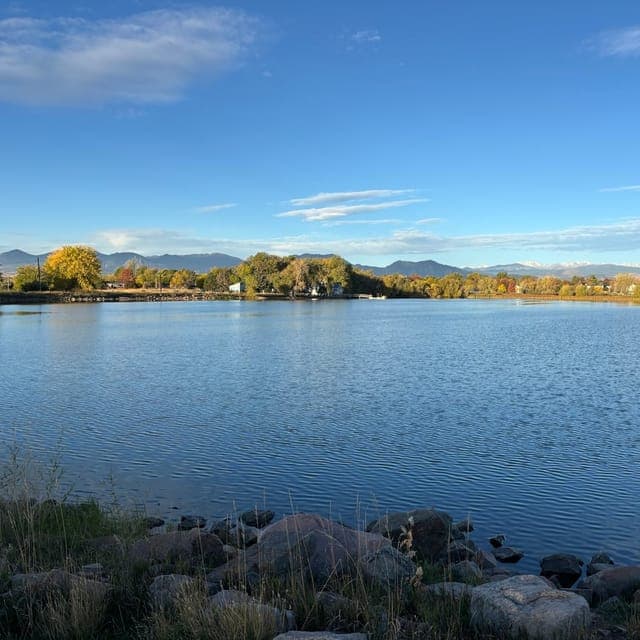
The festival calendar is where Loveland really shows its personality. Art in the Park (August) and the Sculpture in the Park show (also August) turn the city into a gallery, with hundreds of artists setting up booths and thousands of people wandering through. Loveland’s Valentine’s Day is a quirky tradition — the post office runs a special re-mailing program where people send their valentines through Loveland to get a hand-stamped cachet, and the city leans hard into the romance theme. For music, Foote Lagoon Amphitheater hosts free summer concerts, and the Rialto Theater on 4th Street books everything from cover bands to acoustic singer-songwriters. Outdoor life is the real constant: Devil’s Backbone Open Space and Horsetooth Reservoir are within 15 minutes, and Rocky Mountain National Park is a 45-minute drive west.
Pros and Cons: What Residents Actually Say
The upsides are easy to list. Location is the biggest draw — you’re 45 minutes from Denver, 30 minutes from Fort Collins, and 20 minutes from the canyon trailheads. The schools, particularly Thompson School District, are well-regarded and deeply woven into community life; parent involvement is high, and the district’s focus on vocational and STEM programs gets consistent praise. The city feels safe in most neighborhoods, though the violent crime rate of 405.4 per 100,000 is slightly above the national average and tends to concentrate in a few specific areas near the highway corridors. Property crime — package thefts, car break-ins — is the more common annoyance.
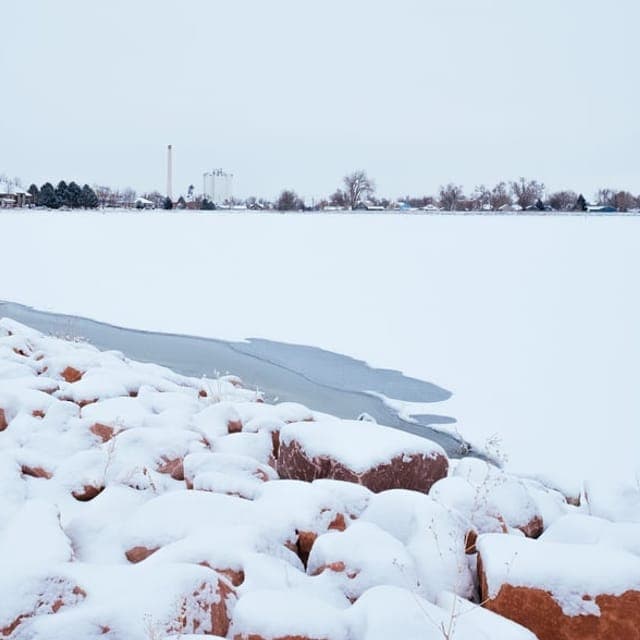
The downsides are real and worth knowing. Housing is the big one: the median home value of $453,100 puts a decent single-family home out of reach for many single people and young families, and inventory has been tight for years. Rentals are expensive too, and the cost of living index of 151 means your dollar doesn’t stretch as far as it would in most of the country. Traffic on Highway 34 is a daily frustration — the main east-west artery through town gets clogged during commute hours, and the average commute of 25.6 minutes can easily stretch to 40 on bad days. Winters are manageable but real: snow sticks around from November through March, and while the city plows well, you’ll want all-wheel drive and a good shovel. Some longtime residents also grumble that Loveland is losing its small-town character as new subdivisions and chain stores creep in along the 34 corridor.
Who Fits In, and Who Might Not
Loveland works best for people who want a middle ground between outdoor access and suburban convenience. It’s popular with families — the 39.1% college-educated rate is solid but not elite, and the workforce leans toward trades, healthcare, and manufacturing rather than tech startups. Singles in their 20s sometimes find the social scene limited; there’s no real nightlife district, and meeting people often requires joining a rec sports league or a church group. Retirees are a growing presence, drawn by the lower cost relative to Boulder and the proximity to medical care at Medical Center of the Rockies. The cultural vibe is practical and unpretentious — you’ll see more Carhartt than Patagonia, and people are friendly but not pushy about it. If you want a place where you can own a house with a yard, get to the mountains in under an hour, and not feel like you’re in a tourist zone, Loveland makes a lot of sense. If you need walkable nightlife, ethnic food diversity, or a fast-paced career scene, you’ll probably end up driving to Fort Collins or Denver more than you’d like.

Similar small cities to Loveland
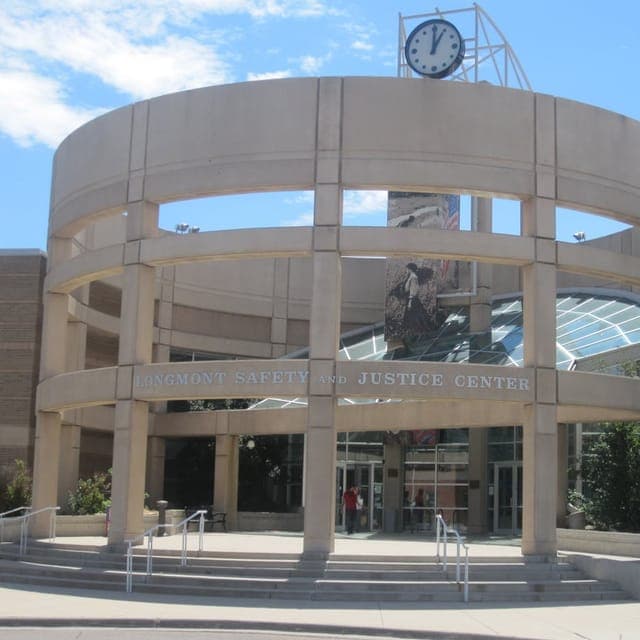
* Values derived from national, state, county, city and local statistics and may differ in a specific area. Last updated: 2026-04-23T03:58:47.000Z
Narrative content on this page is AI-generated and may contain mistakes. Verify any details that matter before acting on them.
ReloMaps may earn a commission from affiliate links at no extra cost to you.

