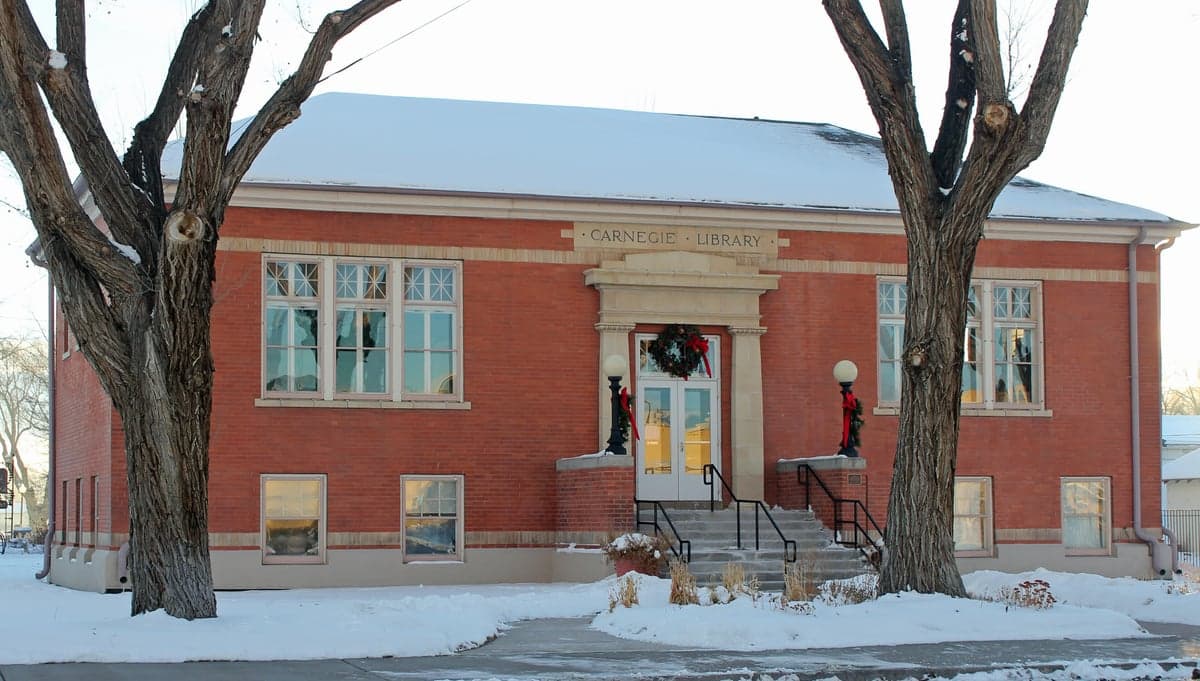
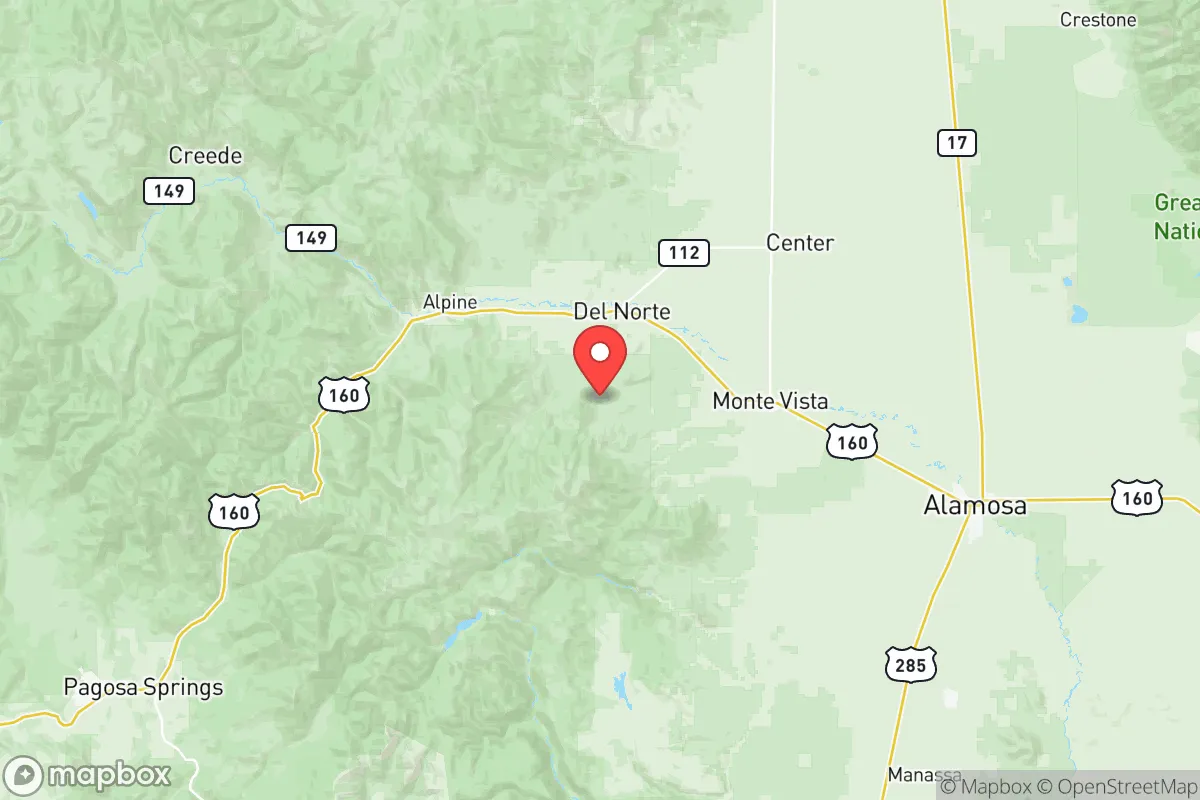
Photo: Wikipedia
Find The Best Places To Live in Rio Grande County
PRO TIP! You can paste a Zillow or Redfin link to get info on that property.
Best Places to Live in Rio Grande County
Cities & Towns in Rio Grande County
Cities in Rio Grande County
What It's Like Living in Rio Grande County, CO
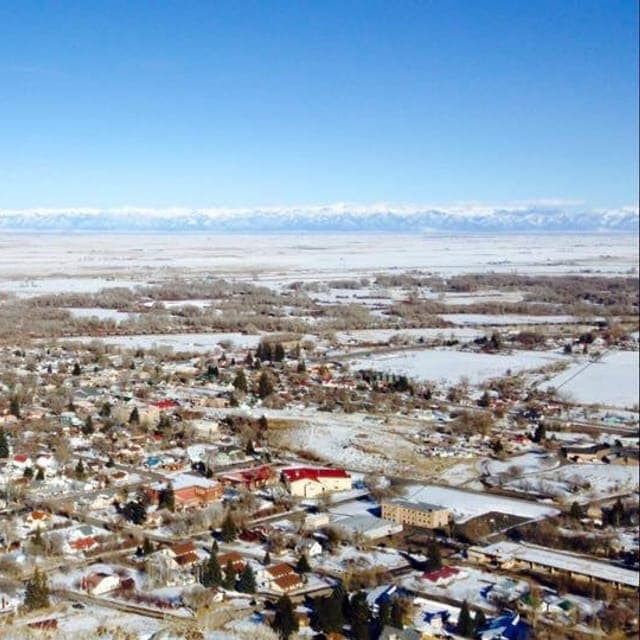
Living in Rio Grande County, Colorado, feels a lot like stepping into a quieter, more deliberate version of the West. The county seat, Del Norte, anchors the valley with a historic downtown that still feels like a working town, while Monte Vista and South Fork offer their own distinct flavors—Monte Vista as the agricultural hub and South Fork as the gateway to the Rio Grande National Forest. This isn’t a place for people chasing nightlife or career fast tracks; it’s a place for those who value space, seasons, and a community where your neighbors know your truck.
The Daily Rhythm: Slow Mornings and Long Views
Most mornings here start with a drive. The average commute clocks in at just over 21 minutes, which feels longer than you’d expect for a county of 11,394 people, but that’s because many residents live on the outskirts—ranchettes outside of Del Norte or the rural stretches between Monte Vista and Alamosa. People work in agriculture (potatoes, barley, and hay are big), for the school districts, or remotely in jobs that let them live somewhere with a cost of living index of 71—well below the national average. A median home value of $215,400 means a young family or a single person on a $62,166 median income can actually buy a house with a yard and a view of the San Juan Mountains. You’ll see folks grabbing coffee at Narrow Gauge Coffee House in Del Norte or the Mountain View Café in South Fork before heading out. Weekends are for chores, but also for fishing the Rio Grande or driving up to Wolf Creek Pass for a hike.
Sports, Community, and What People Actually Do
High school sports are the main event here. Friday nights in the fall mean driving to Monte Vista High School or Del Norte High School for football games that pack the bleachers with parents, grandparents, and former players. Basketball and wrestling are also big—wrestling tournaments at Monte Vista draw crowds from across the San Luis Valley. There’s no pro sports team within two hours, so the community rallies around its kids. Beyond sports, the Monte Vista Crane Festival every March is a genuine draw—thousands of sandhill cranes stop in the valley during migration, and locals treat it as a celebration of the area’s unique ecology. In South Fork, the 4th of July parade is a low-key, all-American affair with fire trucks, candy throws, and a sense that everyone knows everyone. For outdoor recreation, the Rio Grande River offers solid fly fishing, and the national forest land around South Fork provides hiking and snowmobiling trails that see more locals than tourists.
What Fits and What Frustrates
The kind of person who thrives here is self-reliant, comfortable with solitude, and not easily bored. It’s a good fit for hunters, anglers, off-grid dreamers, and families who want their kids to grow up in a place where doors aren’t always locked. The median age of 43.2 reflects a population that’s a mix of retirees and families who’ve been here for generations. College-educated residents make up 31.1%—lower than the state average, which tracks with the area’s agricultural and trade-focused economy. The biggest frustration locals will tell you about is the lack of shopping and dining options. There’s no Target, no chain movie theater, and no sit-down restaurant open past 9 p.m. outside of a few spots like Ramons Mexican Restaurant in Monte Vista or The Old Firehouse in Del Norte. For anything beyond groceries and hardware, it’s a 45-minute drive to Alamosa or a two-hour haul to Pueblo. The violent crime rate of 426.6 per 100,000 is higher than the national average, and while much of it is concentrated in specific areas and tied to domestic disputes or property crime, it’s a number that gives some newcomers pause. Locals will tell you it feels safer than the stats suggest, but it’s worth knowing.
Seasons, Schools, and the Slow Burn of Small-Town Life
Winter is real here. Snow piles up in Del Norte and Monte Vista, and South Fork gets hammered—Wolf Creek Ski Area is just up the pass, but the commute over Wolf Creek Pass can be treacherous. Summers are warm and dry, with July temperatures in the 80s and cool nights. The schools—Monte Vista C-8 and Del Norte C-7 districts—are the social and emotional centers of their towns. School plays, parent-teacher conferences, and booster club fundraisers are where community business gets done. If you’re a parent, your kid’s school experience will define much of your social life. The cultural quirk here is the deep, unapologetic independence. People don’t like being told what to do, whether it’s about water rights, land use, or how to run a ranch. That libertarian streak is part of the charm and part of the friction. You’ll hear Spanish spoken in the fields and English in the cafes, and the mix of Hispano and Anglo traditions gives the valley a texture you don’t find in Colorado’s ski towns. Living in Rio Grande County means accepting that you’re not the center of anything—and for the people who love it, that’s exactly the point.

* Values derived from national, state, county, city and local statistics and may differ in a specific area. Last updated: 2026-06-01T12:35:59.000Z
Narrative content on this page is AI-generated and may contain mistakes. Verify any details that matter before acting on them.
ReloMaps may earn a commission from affiliate links at no extra cost to you.

