Photo: Wikipedia
Find The Best Places To Live
in Alamosa
PRO TIP! You can paste a Zillow or Redfin link to get info on that property.
What It's Like Living in Alamosa, CO
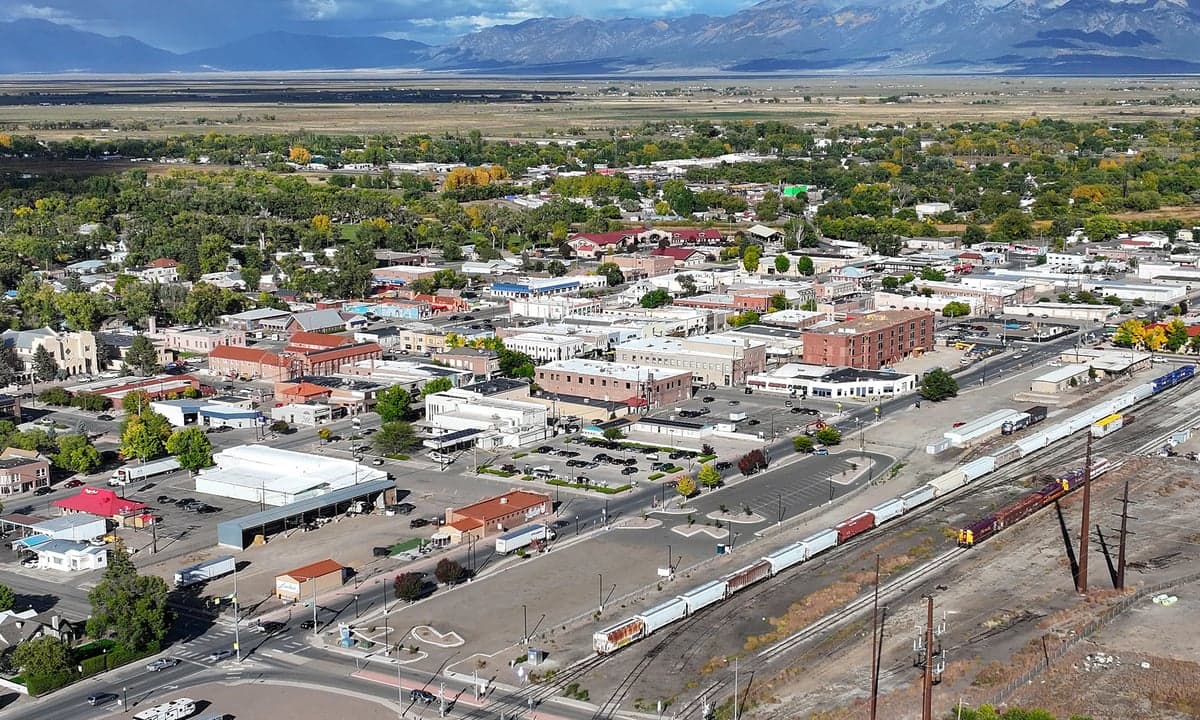
Alamosa feels like a place that time forgot in the best and most frustrating ways. It’s a small, sun-blasted town of just under 10,000 people sitting at 7,500 feet in the San Luis Valley, where the air is thin, the sky is impossibly wide, and the nearest big city is a three-hour drive over a mountain pass. The vibe is a mix of college town, agricultural hub, and high-desert outpost — friendly, slow-paced, and deeply independent, but with a few rough edges that keep it from being a postcard.
Daily Rhythm: Slow Mornings, Long Commutes, and a College Pulse
Most mornings here start with a stop at Milagros Coffee House on Main Street, where you’ll see a mix of Adams State University students nursing laptops, ranchers in dusty boots, and retirees reading the Valley Courier. The town’s median age is just 29.4, thanks to the university, which gives Alamosa a younger, more transient feel than most rural Colorado towns. The median household income is $46,969, and the cost of living index sits at 74 — well below the national average — so a modest paycheck goes further here than in Denver or even Colorado Springs. That said, the average commute is about 25 minutes, which is longer than you’d expect for a town this size, because many people live outside city limits on acreage or in smaller valley communities like Monte Vista or Center.
Weekends are low-key. Locals shop at Walmart or the Alamosa Farmers Market (summer only), grab a burger at Calvillo’s Mexican Food, or head to Square One Brewery for a pint of their Helles lager. The kind of person who fits in here is someone who values space and quiet over nightlife and convenience — a parent who wants their kids to roam free, a remote worker who doesn’t mind spotty internet, or a retiree who loves fly fishing and doesn’t need a Whole Foods. Affluence is modest; the median home value is $200,200, so a family can buy a decent three-bedroom house for under $250,000, which is almost unheard of in the rest of Colorado.
Sports, Community, and the Great Outdoors
Sports are a big deal here, but not in a big-city way. Adams State University is the heart of local athletics — their football and wrestling programs draw real crowds on fall Saturdays, and the Grizzlies’ rivalry with Western Colorado University is the closest thing Alamosa has to a pro sports event. High school football is also huge; Alamosa High School’s Mean Moose games pack the stands, especially when they play Monte Vista or Centauri. There’s no pro team within 200 miles, so the community rallies around what it has.
Outdoor life is the real draw. The Rio Grande River runs right through town, offering decent trout fishing and tubing in summer. Great Sand Dunes National Park is 30 minutes east — a surreal landscape of 750-foot sand dunes against 14,000-foot peaks. Locals hike the dunes at sunrise to beat the heat, then cool off at Medano Creek. In winter, Wolf Creek Ski Area is an hour away and gets some of the deepest snow in Colorado, but it’s a day trip, not a weekend commute. The valley’s high desert climate means 300+ days of sunshine, but also brutal temperature swings — summer highs hit 90°F, winter lows drop below -20°F, and spring brings wind that can make you question your life choices.
What’s There to Do: Festivals, Bars, and the Quirks of Small-Town Life
Entertainment is limited but genuine. The Rio Grande Farm Park hosts summer concerts and a Thursday market. San Luis Valley Brewing Company is the go-to bar for locals — live music on weekends, good IPA, and a patio that’s packed when the weather cooperates. The Alamosa County Fair in August is a big deal: rodeo, carnival rides, 4-H livestock shows, and a demolition derby. The Christmas Light Parade in December is another tradition that draws the whole valley.
Cultural quirks? The town has a strong Hispanic heritage — about 55% of the population identifies as Hispanic or Latino — and that shows up in the food, the language, and the annual Fiesta de la Familia in September. There’s also a quiet but visible Buddhist community tied to the nearby Crestone spiritual centers, which adds an unexpected layer of weirdness to a conservative-leaning valley. Politically, Alamosa County leans blue relative to the rest of the valley, but the surrounding rural areas are deeply red — a mix that mostly coexists peacefully, though you’ll hear grumbling about water rights and federal land management at the coffee shop.
Pros and Cons of Living Here
Let’s be honest about the trade-offs. On the plus side: affordable housing, incredible access to the outdoors, a genuine sense of community, and very little traffic (you can cross town in 10 minutes). The schools — Alamosa School District RE-11J — are a mixed bag; the high school has solid sports and a decent graduation rate, but test scores lag behind state averages, and many parents who can afford it opt for charter or private options. The university brings cultural events and a gym that’s open to the public, which helps.
On the downside: the violent crime rate is 785.5 per 100,000, which is high for a town this size and mostly concentrated in a few blocks near the railroad tracks and some apartment complexes. Property crime — theft from cars, shed break-ins — is a persistent annoyance. The isolation is real; Denver is a 3.5-hour drive over La Veta Pass, which closes occasionally in winter. Healthcare is limited — the local hospital, SLV Health, handles basics, but for anything serious you’re driving to Pueblo or Colorado Springs. And the wind. The spring wind in the San Luis Valley is relentless, a dry, dusty gale that can make outdoor work miserable and test your patience from March through May.
For the right person — someone who values space, affordability, and a slower rhythm, and who doesn’t mind driving a few hours for a concert or a specialist — Alamosa is a hidden gem. For someone who needs urban amenities, career opportunities, or a mild climate, it’s a hard sell. Most people who move here either leave within two years or stay for life.

Similar small towns to Alamosa
* Values derived from national, state, county, city and local statistics and may differ in a specific area. Last updated: 2026-05-11T22:08:49.000Z
Narrative content on this page is AI-generated and may contain mistakes. Verify any details that matter before acting on them.
ReloMaps may earn a commission from affiliate links at no extra cost to you.

