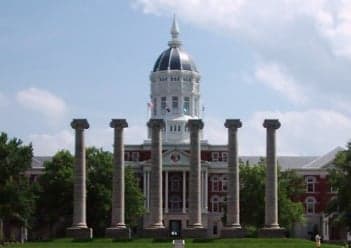
Photo: Wikipedia
Find The Best Places To Live
in Columbia
PRO TIP! You can paste a Zillow or Redfin link to get info on that property.
What It's Like Living in Columbia, MO
Columbia has a way of feeling both bigger and smaller than it actually is. With roughly 127,200 people, it’s the kind of place where you can run into someone you know at the Saturday morning farmers market, yet still find a new coffee shop or taco joint every few months. The town’s identity is split pretty cleanly between the University of Missouri (Mizzou) crowd and the families who’ve been here for generations, and that tension gives Columbia a slightly split personality — energetic and young in some pockets, steady and rooted in others.
The Daily Rhythm: Where You Shop, Eat, and Hang Out
Most people’s weekdays here revolve around a short commute — the average drive is just under 17 minutes, which means you can actually run home for lunch or hit a park after work without losing your whole evening. The biggest employers are the university, the hospital system (MU Health Care), and a handful of insurance and tech firms like Shelter Insurance and Veterans United. That mix keeps the job market stable but not booming; if you’re in healthcare, education, or professional services, you’ll find work. If you’re in manufacturing or corporate HQ roles, you’re probably commuting to Jefferson City or St. Louis.
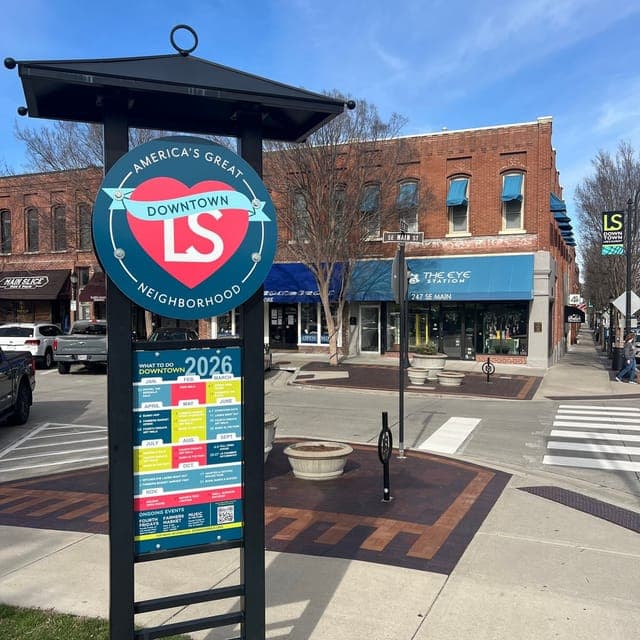
Grocery shopping is split between the usual chains (Hy-Vee, Schnucks) and a strong local scene — Clovers Natural Market and the Columbia Farmers Market are where you’ll see the same faces week after week. For eating out, the standbys are places like Shakespeare’s Pizza (a true local institution, not a tourist trap), 44 Canteen for brunch, and Flat Branch Pub & Brewing for a beer after work. The downtown strip along Ninth Street is where the college crowd hangs, but the real neighborhood hubs are in the Benton-Stephens and East Campus areas, where older homes and tree-lined streets give the place a settled, lived-in feel.
Who Fits In Here — and Who Doesn’t
The median age is 29.2, which tells you this is a young town, but that number is pulled down by the student population. The real adult population — people in their 30s and 40s with kids — is smaller than in a typical Midwestern suburb, but it’s there, and it’s concentrated in the school districts. 56.5% of adults hold a college degree, so the conversation tends to lean educated and professional. The median household income is $64,488, which is below the national average, but the cost of living index sits at 93 — meaning your dollar goes a bit further. A median home value of $268,300 is affordable for a college town of this size, though prices have climbed noticeably since 2020.
The kind of person who thrives here is someone who values a walkable downtown, doesn’t mind a little noise from students, and wants a community where you can get involved — PTA, neighborhood associations, local politics — without feeling anonymous. If you’re looking for a quiet, conservative suburb with big-box stores and a low tax rate, Columbia will feel a bit too progressive and a bit too busy. If you want a place where your kids can bike to a friend’s house and you can grab dinner without a reservation, it works.
Sports, Festivals, and What You Actually Do on a Saturday
Mizzou football and basketball are the biggest game in town by a wide margin. On fall Saturdays, Faurot Field draws 60,000 people, and the entire city’s rhythm shifts around kickoff. High school sports are a big deal too — Rock Bridge, Hickman, and Battle high schools have fierce rivalries, and Friday night football games are a genuine community gathering, not just a backdrop. There’s no pro sports team, but the minor-league baseball team (the Columbia Fireflies) draws a decent crowd in the summer, mostly families with young kids.
For entertainment, the Roots N Blues N BBQ Festival in September is the standout — it brings national acts to downtown, and it’s the kind of event where you’ll see grandparents and college students standing next to each other. The True/False Film Festival in March is a documentary film festival that punches way above its weight, drawing filmmakers and critics from around the country. Parks are a big part of daily life: Rock Bridge Memorial State Park has hiking trails and caves that feel genuinely wild, and Stephens Lake Park is where families go for paddleboats and picnics. The MKT Trail, a converted rail line, runs for miles through town and is heavily used by runners, bikers, and dog walkers.
Pros and Cons: What Locals Love and What Frustrates Them
What people love:
- The walkability of downtown and the nearby neighborhoods — you can live without a car for errands if you’re in the right spot.
- The schools. Columbia Public Schools are well-funded and generally well-regarded, and the community invests heavily in them. School quality is a major reason families stay.
- The pace of life. It’s slow enough to feel manageable, but there’s enough going on that you don’t feel isolated.
What frustrates people:
- Crime is a real concern. The violent crime rate is 413.1 per 100,000, which is noticeably higher than the national average. Most of it is concentrated in specific areas and tied to property crime and drug activity, but it’s something longtime residents talk about more openly than newcomers expect.
- Traffic isn’t bad by big-city standards, but the main corridors (Providence Road, Broadway, Stadium Boulevard) get congested during rush hour and on game days. The 17-minute average commute hides the fact that a 3-mile drive can take 25 minutes at 5 PM.
- The weather is classic Missouri — humid summers, cold winters, and a lot of gray days in between. Tornado warnings are a seasonal reality, and most homes have basements for a reason.
The cultural quirk that stands out most is the town’s genuine pride in being a little weird. Columbia has a long tradition of supporting local art, independent bookstores (Skylark Bookshop is a gem), and offbeat festivals. It’s not trying to be Austin or Portland — it’s just a Midwestern college town that doesn’t mind being a little different from the rest of Missouri. If that sounds like your speed, you’ll probably like it here.

Similar small cities to Columbia
* Values derived from national, state, county, city and local statistics and may differ in a specific area. Last updated: 2026-04-30T06:36:01.000Z
Narrative content on this page is AI-generated and may contain mistakes. Verify any details that matter before acting on them.
ReloMaps may earn a commission from affiliate links at no extra cost to you.

