Photo: Wikipedia
Quality of Life in Columbia, TN
A high quality of life with strong walkability, manageable living costs, healthy neighborhood signals, and solid amenity access.
What does Quality of Life tell us?
Quality of Life blends cost of living, nearby amenities, socioeconomic signals, and neighborhood character. City-level scores represent the whole municipality; individual neighborhoods can differ.
What does this tell us?
Quality of Life blends cost of living, nearby amenities, socioeconomic signals, and neighborhood character. City-level scores represent the whole municipality; individual neighborhoods can differ.
Cost of Living
7% below national average
The Real Cost of Living in Columbia, TN for 2026
| Tier | Individual | Family (4) |
|---|---|---|
| Survival | $17k | $33k |
| Comfortable | $51k | $75k |
| Luxury | $98k+ | $152k+ |
| Elite (Top 5%) | $115k+ | $179k+ |
82%
The Area Signal
A metric tracking the socioeconomic signals of the area.
Hobbies
Explore the areaGroceries
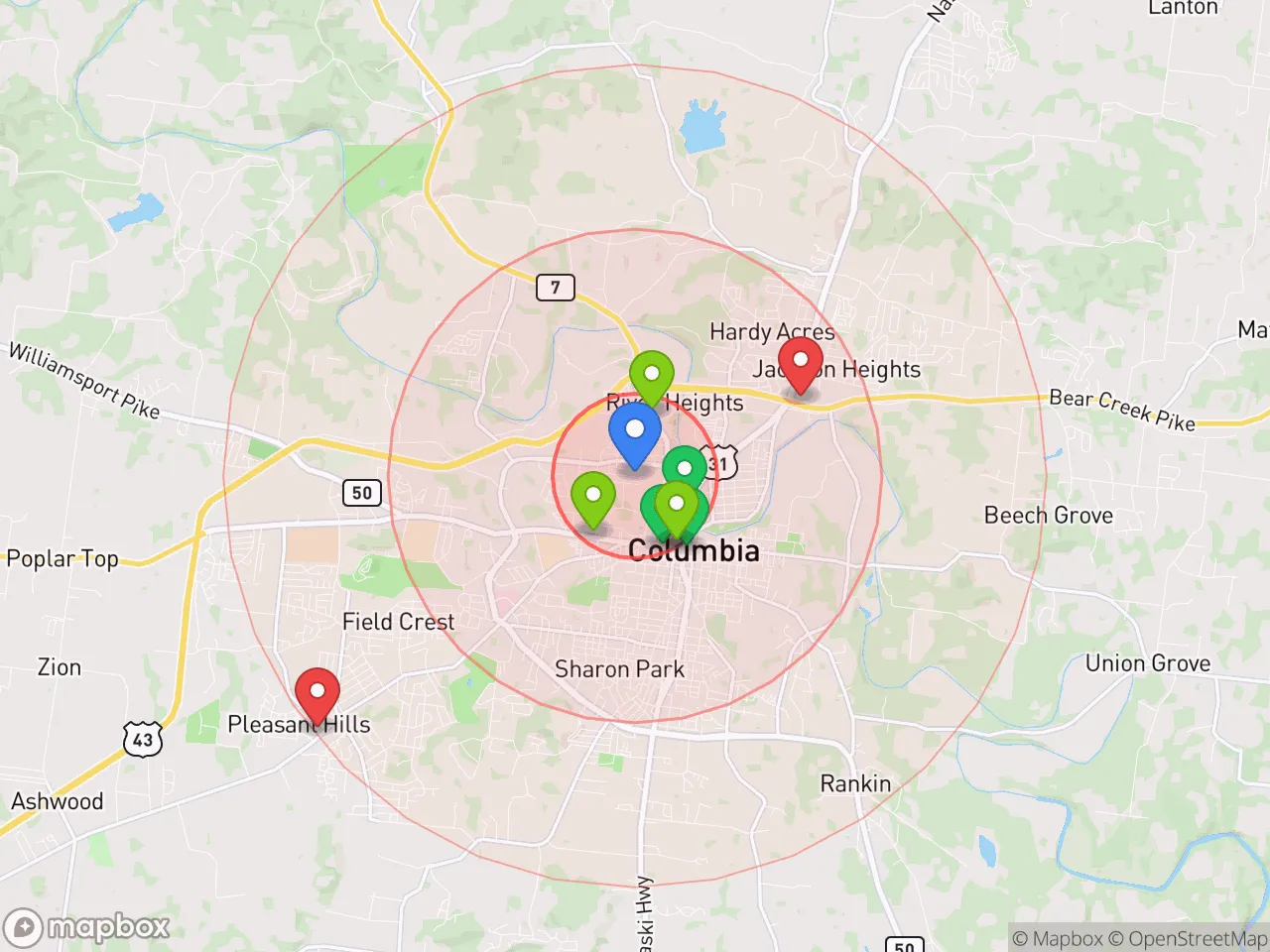
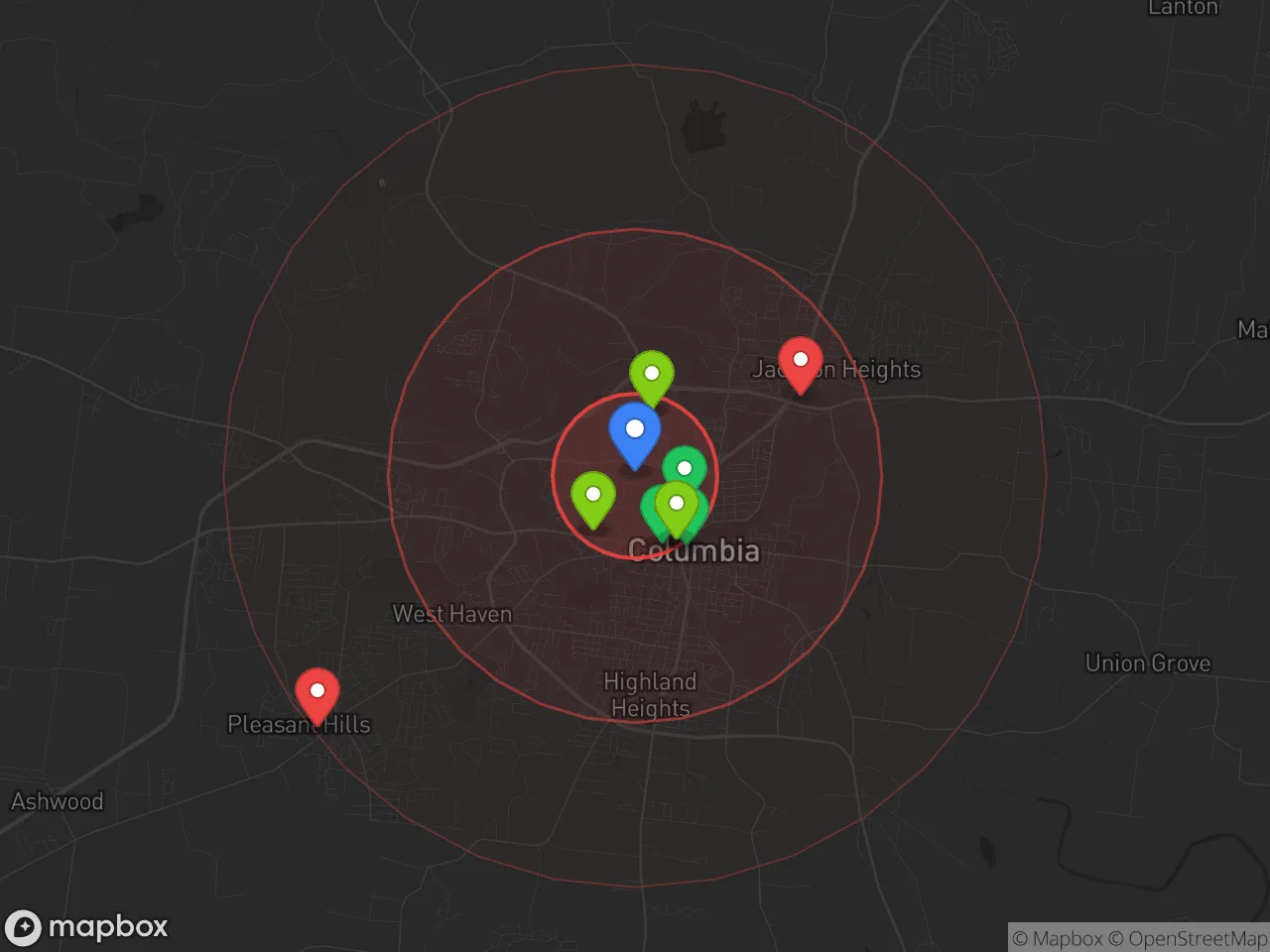
6 within 10 miles
Gas
15 within 10 miles
Hospital
3 within 20 miles
Airport
BNA — Nashville International
Post Office
USPS — Columbia, TN
Critical Amenities
Quality-of-Life Analysis
Columbia, Tennessee, offers a quality of life defined by a cost of living 7% below the national average (index of 93) and a median household income that outpaces the state median, attracting a mix of young families, automotive-sector professionals, and Nashville commuters seeking more space for their money. The city’s population has grown steadily as workers from Maury County’s expanding industrial base—anchored by General Motors’ Spring Hill plant—and remote employees from Davidson County have reshaped its demographic profile. With a median home value of $261,700 and a median rent of $1,092, Columbia provides a tangible affordability advantage over Williamson County to the north, where median home prices routinely exceed $600,000.
Cost of living, housing affordability, and how Columbia compares to nearby cities
Columbia’s cost of living index of 93 makes it one of the more affordable options within commuting distance of Nashville, especially when compared to Franklin (index near 120) or Brentwood. The median home value of $261,700 is roughly 40% lower than the Nashville metro average, allowing buyers to purchase a single-family home on a quarter-acre lot for what a condo would cost in Williamson County. Renters also benefit: the median rent of $1,092 is about $300 less than the Nashville metro median, though it has risen 18% since 2020 as demand from out-of-state movers has increased. The average commute of 27.6 minutes is longer than the national average of 26 minutes, reflecting the 40-mile drive north on Interstate 65 to downtown Nashville, but remains manageable compared to exurbs like Murfreesboro, where commutes often exceed 35 minutes. Property taxes in Maury County are relatively low—roughly 0.6% of assessed value—which further offsets the higher transportation costs for residents who work in Davidson County.
Local amenities, schools, and what daily life feels like for families
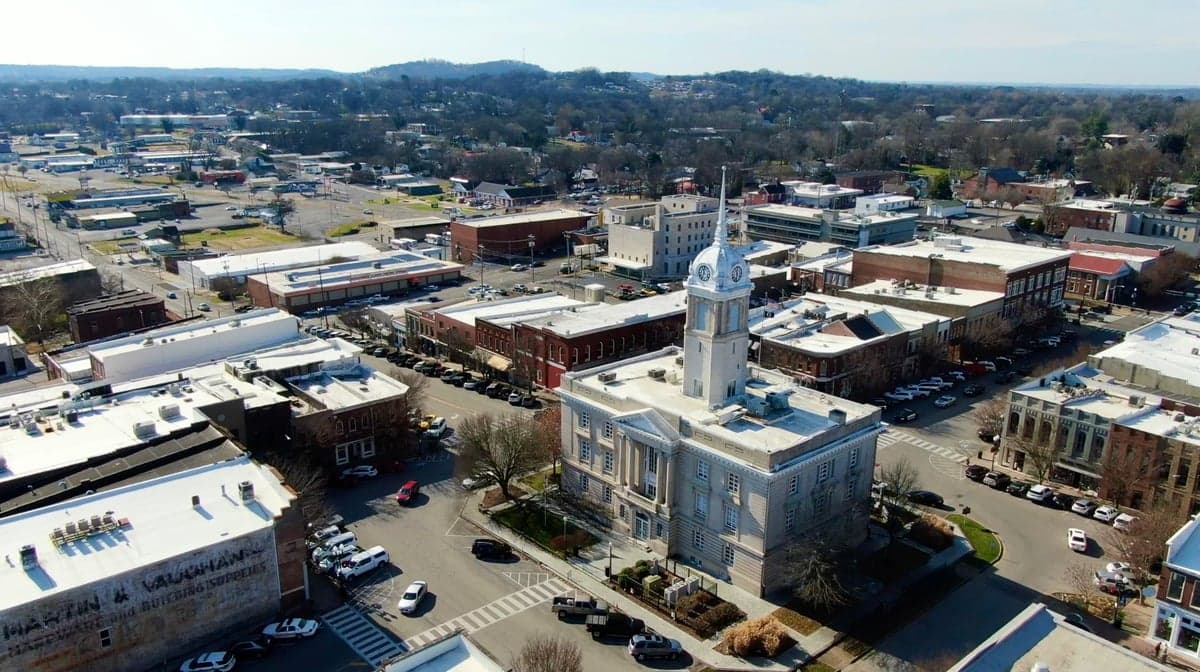
Daily life in Columbia centers on a walkable historic downtown anchored by the Maury County Courthouse, with local coffee shops, antique stores, and the Puckett’s Grocery & Restaurant chain drawing residents on weekends. The city’s public schools, part of Maury County Public Schools, have shown improvement: Columbia Central High School and Spring Hill High School both earned B ratings from the Tennessee Department of Education in 2024, while the district’s graduation rate reached 91%. For outdoor recreation, the 750-acre Chickasaw Trace Park offers mountain biking trails and a dog park, and the Duck River—one of the most biologically diverse rivers in North America—provides kayaking and fishing access. The Columbia Speedway and the annual Mule Day festival (drawing over 100,000 visitors) give the city a distinct small-town identity, while the Columbia Mall and big-box retail along James Campbell Boulevard handle routine shopping needs. Healthcare is served by Maury Regional Medical Center, a 255-bed facility that is the largest employer in the county and offers a level of care typically found in larger cities.
Columbia is best suited for buyers and renters who prioritize space and affordability over urban density, particularly those working in manufacturing, healthcare, or hybrid Nashville jobs who can tolerate a 27-minute commute. Families with school-aged children will find improving schools and ample parks, while retirees benefit from low property taxes and a slower pace than Williamson County suburbs. The city’s growing diversity—the Hispanic population has doubled since 2010 to 8% of residents—adds cultural depth without eroding its small-town feel. For anyone priced out of Franklin or Brentwood but unwilling to sacrifice a walkable downtown and strong community events, Columbia represents a pragmatic, data-backed choice for long-term settlement.

Crime in Columbia, TN
Crime rates similar to the national median for U.S. locations.
Violent CrimeViolent Crime Analysis
Property CrimeProperty Crime Analysis
Crime Analysis
Columbia, Tennessee, reports a violent crime rate of 370.9 per 100,000 residents and a property crime rate of 1,489.6 per 100,000. These figures place the city above national averages for both categories, reflecting challenges common to communities situated near a major metropolitan hub like Nashville. The overall safety picture is mixed, with property crime being a more frequent concern than violent incidents, though both merit attention from potential residents.
Crime in context
Columbia’s violent crime rate of 370.9 per 100,000 is roughly 5% higher than the national average of about 352 per 100,000hol, while its property crime rate of 1,489.6 per 100,000 is approximately 10% above the national figure of 1,354 per 100,000. Compared to the state of Tennessee, which reports a violent crime rate of roughly 620 per 100,000 and a property crime rate near 2,500 per 100,000, Columbia appears safer than many other Tennessee cities. However, the city’s proximity to Nashville—a large metro area with progressive-leaning judicial policies—raises concerns. Liberal and progressive district attorneys and judges in the broader region often prioritize offender rehabilitation over incarceration, a philosophy that can lead to more criminals remaining on the street. This approach, while sympathetic to offenders, can negatively impact justice for victims and the general public by reducing deterrence and increasing recidivism risk.
What residents experience
Residents report that property crime—particularly theft from vehicles, burglary, and occasional vandalism—is the most common safety issue. Vehicle break-ins are especially prevalent near downtown and in areas with easy interstate access (I-65), as criminals target unlocked cars or visible valuables. Violent crime, while less frequent, includes aggravated assault and robbery, often concentrated in specific pockets rather than spread evenly. The presence of progressive prosecutorial policies in the Nashville metro area means that even when arrests are made, offenders may face reduced charges or early release, undermining the justice system’s ability to protect victims and the public. This dynamic can erode trust in law enforcement and make some residents feel that crime is not taken seriously enough.
Neighborhood-level variation is significant. Areas west of the downtown core, such as the Highland Park and Riverside neighborhoods, tend to have lower crime rates, while parts of East Columbia and the area near the Maury County Park see higher incident reports. Gated communities and newer subdivisions on the city’s outskirts generally report fewer property crimes. Prospective residents should examine block-level data from the Columbia Police Department’s crime map and consider visiting neighborhoods at different times of day to gauge safety firsthand. The influence of metro-area judicial policies means that even in lower-crime neighborhoods, the broader regional approach to criminal justice warrants caution.
* Values derived from national, state, county, city and local statistics and may differ in a specific area. Last updated: 2026-05-01T08:10:29.000Z
Narrative content on this page is AI-generated and may contain mistakes. Verify any details that matter before acting on them.
ReloMaps may earn a commission from affiliate links at no extra cost to you.

