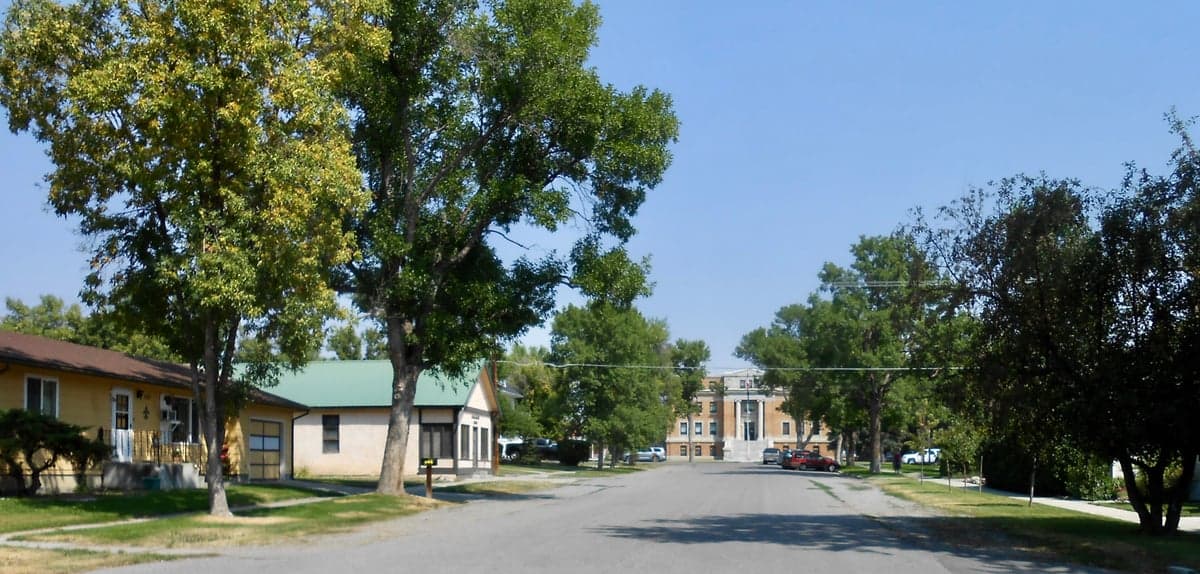
Photo: Wikipedia
Quality of Life in Columbus, MT
A high quality of life with strong walkability, manageable living costs, healthy neighborhood signals, and solid amenity access.
What does Quality of Life tell us?
Quality of Life blends cost of living, nearby amenities, socioeconomic signals, and neighborhood character. City-level scores represent the whole municipality; individual neighborhoods can differ.
What does this tell us?
Quality of Life blends cost of living, nearby amenities, socioeconomic signals, and neighborhood character. City-level scores represent the whole municipality; individual neighborhoods can differ.
Cost of Living
15% below national average
The Real Cost of Living in Columbus, MT for 2026
| Tier | Individual | Family (4) |
|---|---|---|
| Survival | $15k | $28k |
| Comfortable | $51k | $75k |
| Luxury | $113k+ | $175k+ |
| Elite (Top 5%) | $138k+ | $214k+ |
83%
The Area Signal
A metric tracking the socioeconomic signals of the area.
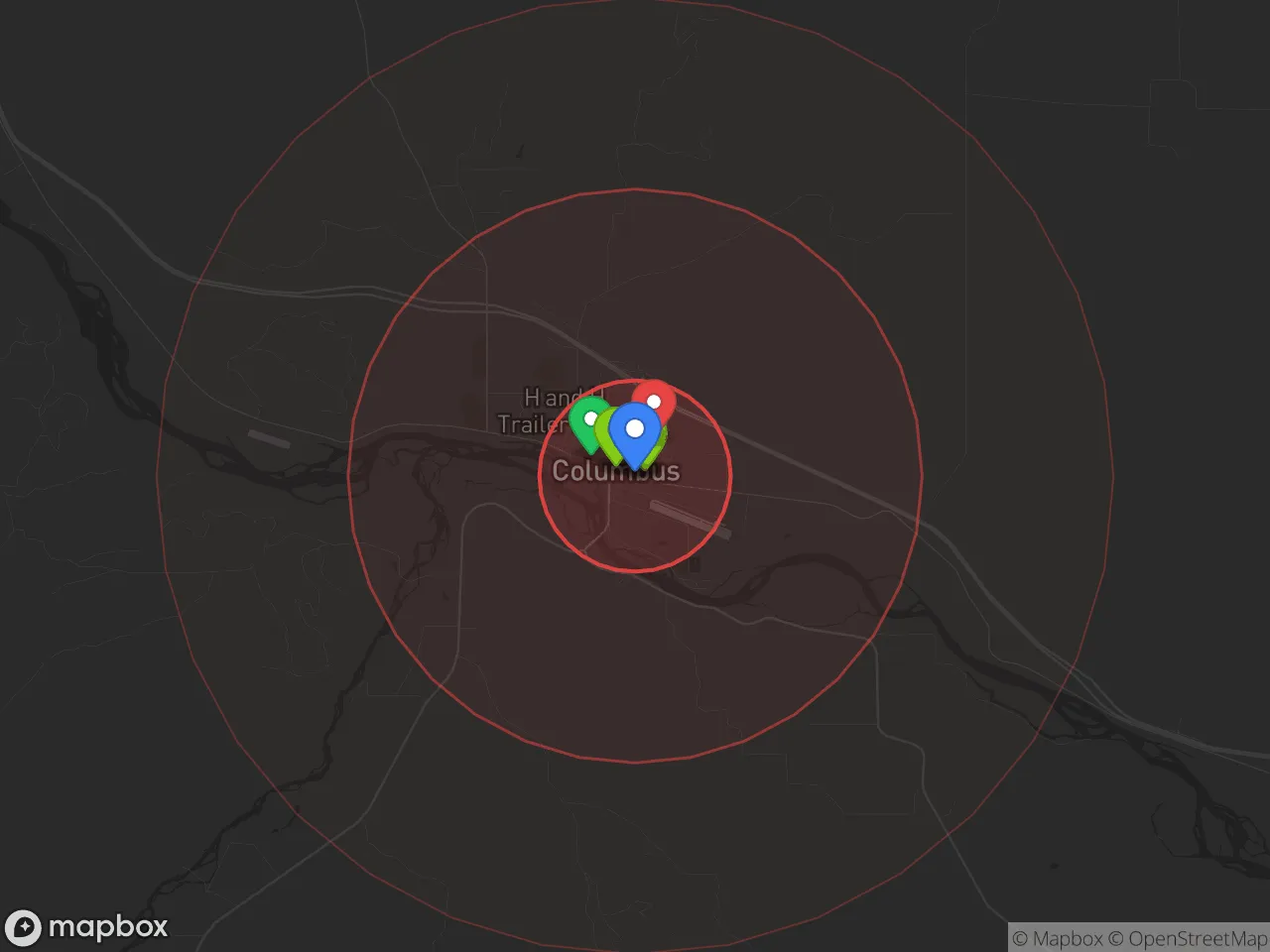
Hobbies
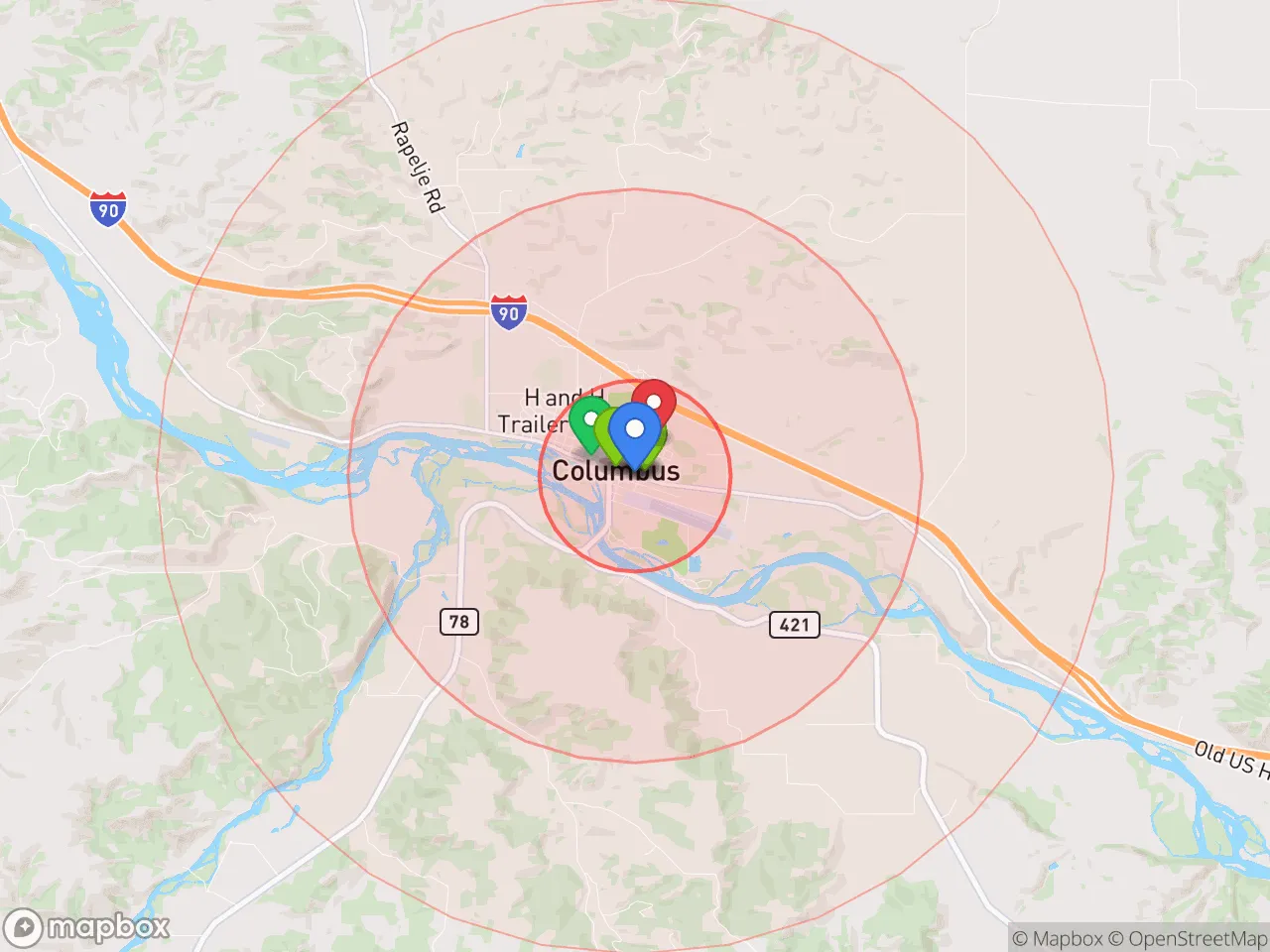
Explore the areaGroceries
1 within 10 miles
Gas
0 within 10 miles
Hospital
2 within 20 miles
Airport
SLC — Salt Lake City International
Post Office
USPS — Columbus, MT
Critical Amenities
Quality-of-Life Analysis
Columbus, Montana, presents a notably affordable quality of life compared to national averages, with a cost of living index of 85 (where 100 equals the U.S. average) and a median home value of $264,000. The town of roughly 2,000 residents attracts a mix of agricultural families, outdoor recreationists, and workers commuting to Billings, drawn by its quiet, rural character and proximity to the Yellowstone River. While not a wealthy enclave, Columbus offers a stable, middle-class lifestyle where homeownership is attainable for many, and the community is defined by a strong sense of self-reliance and neighborly connection.
Cost of living, housing, and how it compares to nearby towns
Housing in Columbus is significantly more affordable than in Billings, the nearest major city about 40 miles east. The median home value of $264,000 is roughly 30% lower than Billings’ median, while the median rent of $926 undercuts Billings’ average by several hundred dollars. This price gap makes Columbus a popular choice for buyers seeking more land or a lower mortgage payment without sacrificing access to Billings’ jobs and services. The overall cost of living index of 85 reflects savings across housing, utilities, and groceries. The average commute of 19 minutes is notably short for a rural town, with most residents working locally in agriculture, education, or small businesses, though a growing number commute to Billings for healthcare, energy, or retail jobs. Property taxes in Stillwater County are moderate, and no local sales tax exists, keeping day-to-day expenses manageable.
Schools, amenities, and what daily life feels like
Columbus Public Schools serve the community with a single elementary, middle, and high school, all housed on one campus. The district maintains a student-to-teacher ratio of roughly 14:1, allowing for personalized attention that many families cite as a key draw. Daily life revolves around outdoor recreation: the Yellowstone River offers fishing and floating, while the nearby Beartooth Mountains provide hiking and hunting. The town’s main street features a grocery store, hardware store, a handful of cafes, and a historic theater. For major shopping, dining, or healthcare beyond a basic clinic, residents drive to Billings, which is a 40-minute commute. The community calendar is anchored by the Stillwater County Fair in August and local rodeo events, reinforcing a ranching and agricultural identity. Internet access is improving, with fiber-optic service available in parts of town, though rural areas still rely on slower DSL or satellite connections.
Columbus is best suited for those who value affordable homeownership, a slower pace, and direct access to Montana’s outdoors without complete isolation. Families with school-age children benefit from the small, tight-knit school system, while remote workers or retirees on fixed incomes will find the low cost of living a practical advantage. Those who need urban amenities daily or prefer a diverse social scene may find Columbus too quiet. However, for anyone seeking a financially sustainable, community-oriented life within striking distance of Billings’ jobs and services, Columbus offers a compelling balance of affordability and rural Montana character.

Crime in Columbus, MT
Generally safer than 74% of comparable U.S. locations.
Violent CrimeViolent Crime Analysis
Property CrimeProperty Crime Analysis
Crime Analysis
Columbus, Montana, presents a mixed public safety profile. The town’s violent crime rate of 351.4 incidents per 100,000 residents is notably higher than the national average, while its property crime rate of 1,606.4 per 100,000 sits slightly below the U.S. median. These figures place Columbus in a middle tier for safety among Montana’s small towns, but specific local factors—including the influence of county-level justice policies—warrant close attention from prospective residents.
Crime in context
Columbus’s violent crime rate is roughly 20% higher than the national average and significantly above Montana’s statewide rate of approximately 300 per 100,000. Property crime, however, runs about 10% lower than the U.S. norm. The town’s location along the Interstate 90 corridor, connecting Billings to Bozeman, contributes to transient crime—vehicle thefts and burglaries from unlocked cars are common. Still, the overall property crime rate has remained relatively stable over the past five years, with no major spikes. By comparison, nearby Billings (population ~110,000) reports violent crime rates near 700 per 100,000, making Columbus a safer alternative within the region.
What residents experience
Daily life in Columbus is shaped by the town’s small size (population roughly 2,000) and tight-knit community. Most violent incidents are domestic or acquaintance-related, not random stranger attacks. Residents report feeling safe walking downtown during the day, but caution is advised after dark near the railroad tracks and the outskirts of town. The Stillwater County Sheriff’s Office maintains a visible presence, with response times averaging under 10 minutes within town limits. A key concern for many residents is the judicial philosophy in Stillwater County. Critics argue that progressive-leaning judges and district attorneys in the region sometimes prioritize rehabilitation over incarceration, leading to shorter sentences and earlier releases for property offenders. This approach, while intended to reduce recidivism, has frustrated some homeowners who report repeat burglaries by the same individuals. The county’s pretrial release policies also mean that suspects charged with nonviolent property crimes often remain on the street pending trial, increasing the risk of re-offense.
Neighborhood-level variation is limited in a town this size. The area around the Yellowstone River and newer subdivisions east of Highway 78 tend to have lower crime rates, while older rental properties near the railroad corridor see more police calls. For families, the school zone and the blocks immediately surrounding Columbus High School are generally considered the safest. Prospective buyers should request crime maps from the sheriff’s office and check the Stillwater County District Court docket for repeat offender patterns before committing to a specific street.
* Values derived from national, state, county, city and local statistics and may differ in a specific area. Last updated: 2026-04-29T21:22:13.000Z
Narrative content on this page is AI-generated and may contain mistakes. Verify any details that matter before acting on them.
ReloMaps may earn a commission from affiliate links at no extra cost to you.

