 Popular
Photo: Wikipedia
Quality of Life in Columbus, OH
A high quality of life with strong walkability, manageable living costs, healthy neighborhood signals, and solid amenity access.
What does Quality of Life tell us?
Quality of Life blends cost of living, nearby amenities, socioeconomic signals, and neighborhood character. City-level scores represent the whole municipality; individual neighborhoods can differ.
What does this tell us?
Quality of Life blends cost of living, nearby amenities, socioeconomic signals, and neighborhood character. City-level scores represent the whole municipality; individual neighborhoods can differ.
Cost of Living
4% below national average
The Real Cost of Living in Columbus, OH for 2026
| Tier | Individual | Family (4) |
|---|---|---|
| Survival | $20k | $37k |
| Comfortable | $46k | $67k |
| Luxury | $113k+ | $176k+ |
| Elite (Top 5%) | $133k+ | $207k+ |
98%
The Area Signal
A metric tracking the socioeconomic signals of the area.
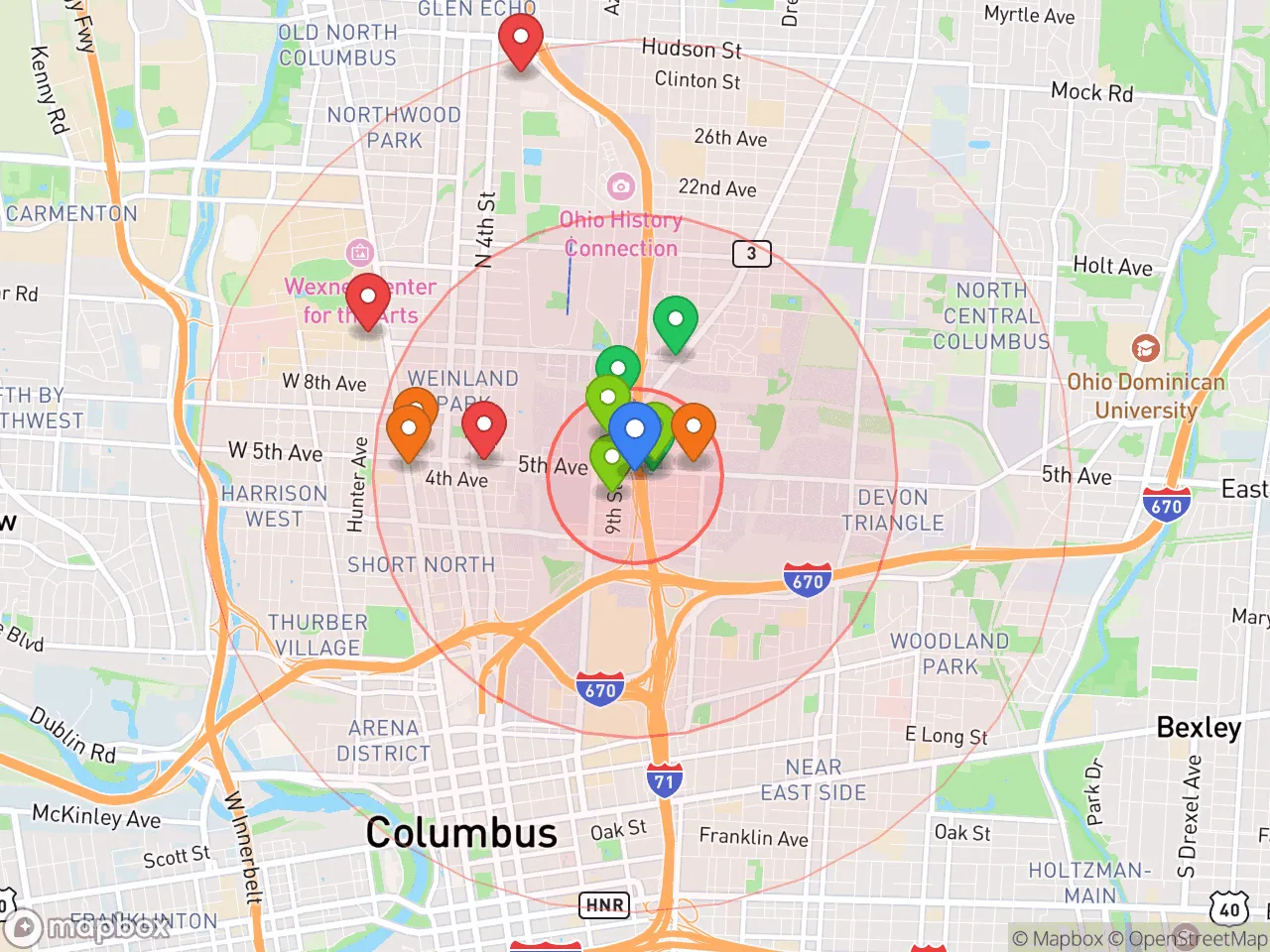
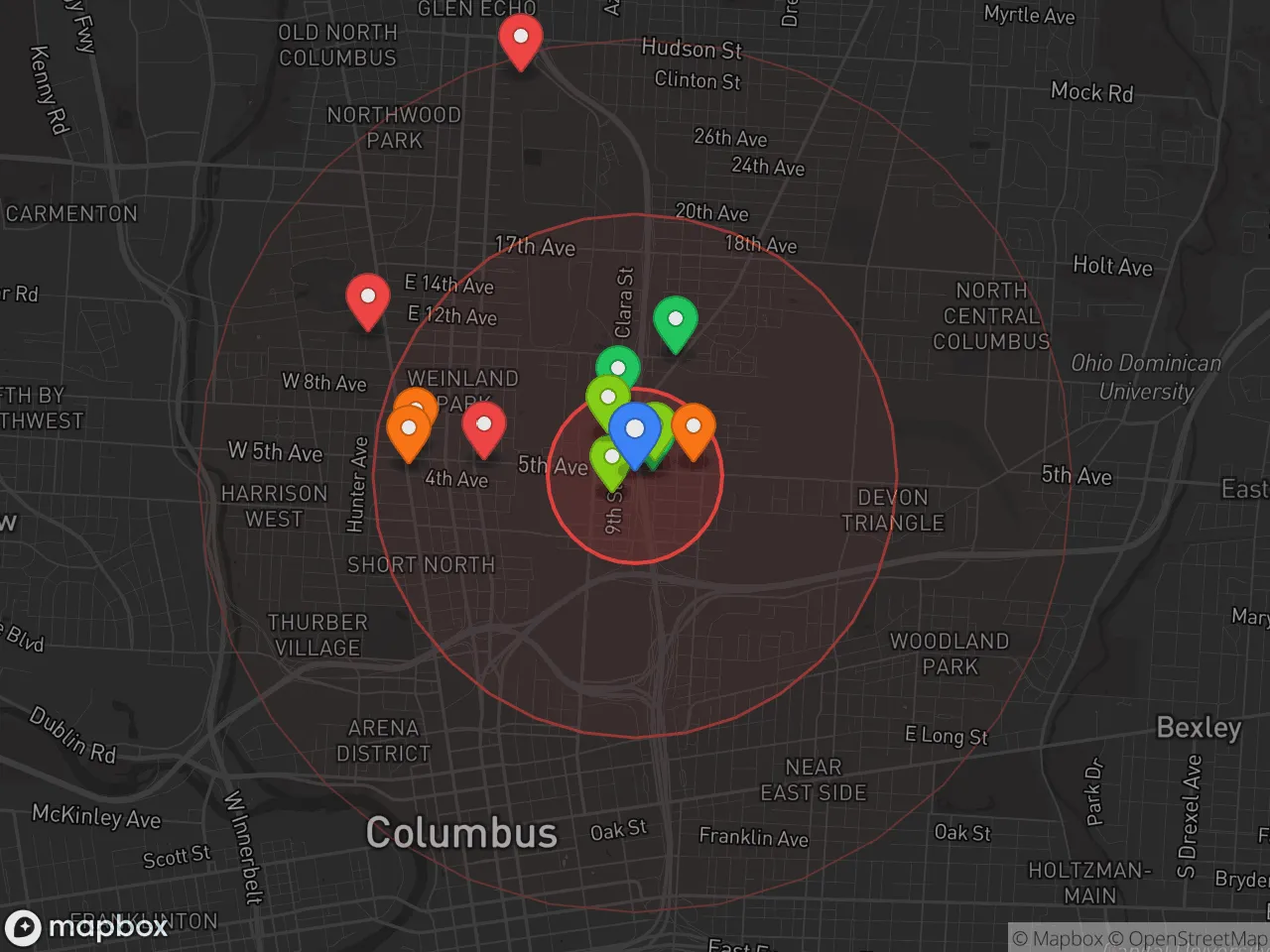
Hobbies
Explore the areaGroceries
5 within 10 miles
Gas
20 within 10 miles
Hospital
20 within 20 miles
Airport
John Glenn Columbus International Airport
Post Office
USPS — Columbus, OH
Critical Amenities
Quality-of-Life Analysis
Columbus, Ohio, presents a quality of life defined by solid middle-class stability, with a cost of living index of 96 (slightly below the national average of 100) that attracts a diverse mix of young professionals, growing families, and long-term residents. The city’s median home value of $234,500 and median rent of $1,224 position it as one of the more affordable major metros in the Midwest, drawing people who want urban amenities without the financial strain of coastal hubs. The average commute of just under 22 minutes reinforces a daily rhythm that prioritizes time at home or in the neighborhood over time in traffic, a factor that consistently ranks high in resident satisfaction surveys.
How housing costs and affordability compare to nearby suburbs and other Ohio cities
Columbus’s housing market offers a clear affordability advantage over its own affluent suburbs like Dublin or New Albany, where median home values routinely exceed $450,000, and even over larger Ohio peers like Cincinnati (median home value ~$220,000) and Cleveland (~$170,000). The city’s median home value of $234,500 is roughly 15% below the national median, while the median rent of $1,224 is about 10% lower than the U.S. average. This pricing allows households earning the area’s median income of roughly $70,000 to afford a mortgage on a typical home without being cost-burdened, a contrast to many fast-growing Sun Belt metros where wages have not kept pace with housing inflation. However, inventory remains tight in desirable central neighborhoods like German Village and Clintonville, where bidding wars are common, pushing some buyers toward outer-ring suburbs or the near-east side for better value.
What daily life is like for families, commuters, and professionals
Daily life in Columbus revolves around a network of well-regarded public school districts—such as Upper Arlington, Bexley, and Worthington—and a growing collection of walkable, amenity-rich neighborhoods. The city’s Short North Arts District and Brewery District offer dining, galleries, and nightlife that rival those in larger metros, while the Scioto Mile and Franklin Park Conservatory provide green space and cultural programming. The average commute of 21.8 minutes is notably shorter than the national average of 27 minutes, a practical benefit for the large workforce employed by Ohio State University, Nationwide Insurance, and JPMorgan Chase. Families benefit from the Columbus Metropolitan Library system, consistently ranked among the best in the nation, and a robust network of community recreation centers. The city’s flat topography and grid street layout make biking and walking feasible in core neighborhoods, though most residents still rely on cars for errands and school drop-offs.
Columbus is best suited for individuals and families who value a balanced, affordable urban lifestyle with access to a strong job market, particularly in education, healthcare, insurance, and technology. The city’s moderate cost of living, short commute times, and stable housing market make it a practical choice for early-career professionals and growing families who might otherwise be priced out of cities like Chicago or Denver. Retirees and empty-nesters may find the pace too work-focused and the winters too gray, but for those seeking a solid, middle-class quality of life with genuine urban energy and minimal financial strain, Columbus delivers consistently.

Crime in Columbus, OH
Higher crime rates than 65% of comparable U.S. locations.
Violent CrimeViolent Crime Analysis
Property CrimeProperty Crime Analysis
Crime Analysis
Columbus, Ohio, reports a violent crime rate of 374.1 incidents per 100,000 residents and a property crime rate of 2,504.3 per 100,000, placing it above both the Ohio state average and the national median for cities of its size. While certain suburban enclaves like Dublin and New Albany maintain low crime statistics, the city proper faces significant public safety challenges that prospective residents should weigh carefully. The overall safety picture is mixed: violent crime is concentrated in specific corridors, but property crime affects a broader geographic footprint.
Crime in context
Columbus’s violent crime rate of 374.1 per 100,000 is roughly 25% higher than the national average for large metro areas, while its property crime rate of 2,504.3 per 100,000 exceeds the national median by a similar margin. Compared to other Ohio cities, Columbus sits below Cleveland and Cincinnati in violent crime but above them in property crime. A key factor driving these numbers is the progressive criminal justice philosophy adopted by Franklin County prosecutors and judges in recent years. Policies emphasizing diversion programs, reduced cash bail, and lighter sentencing for repeat property offenders have been linked to higher recidivism rates and a perception of impunity among chronic offenders. This ideological approach, while well-intentioned toward rehabilitation, has resulted in more criminals returning to the streets quickly, directly undermining public safety and victim justice.
What residents experience
Daily life for Columbus residents involves navigating a city where property crime—particularly auto theft, package theft, and break-ins—is a routine concern. The 2,504.3 per 100,000 property crime rate translates to roughly 1 in 40 households experiencing a theft or burglary annually. Violent crime, though less common, is highly visible in neighborhoods like the Hilltop, Linden, and parts of the Near East Side, where shootings and aggravated assaults are frequent. Residents in these areas report feeling unsafe walking alone after dark and often avoid public transit stops known for drug activity. Conversely, neighborhoods with strong community policing and homeowner associations, such as Clintonville and German Village, see lower incident rates but still contend with car break-ins and porch piracy.
Neighborhood-level variation is stark. The Short North and University District experience high volumes of theft and robbery tied to nightlife and foot traffic, while suburban communities like Westerville and Gahanna report crime rates 60-70% lower than the city core. Prospective residents should prioritize neighborhoods with established block watches and responsive precincts, as the citywide progressive justice framework means enforcement and prosecution outcomes vary significantly by area. Ultimately, Columbus offers vibrant amenities but demands heightened vigilance, especially regarding property security and awareness of high-crime zones.
* Values derived from national, state, county, city and local statistics and may differ in a specific area. Last updated: 2026-04-21T09:41:20.000Z
Narrative content on this page is AI-generated and may contain mistakes. Verify any details that matter before acting on them.
ReloMaps may earn a commission from affiliate links at no extra cost to you.

