 Popular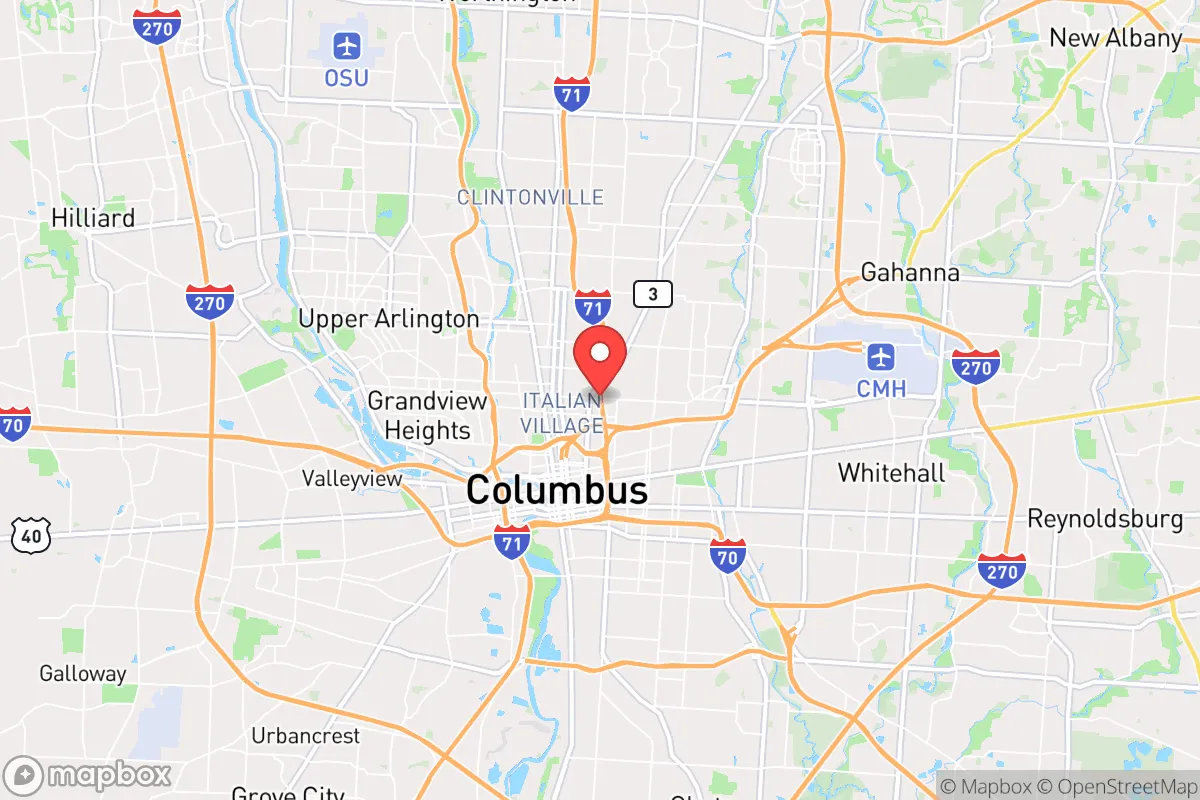
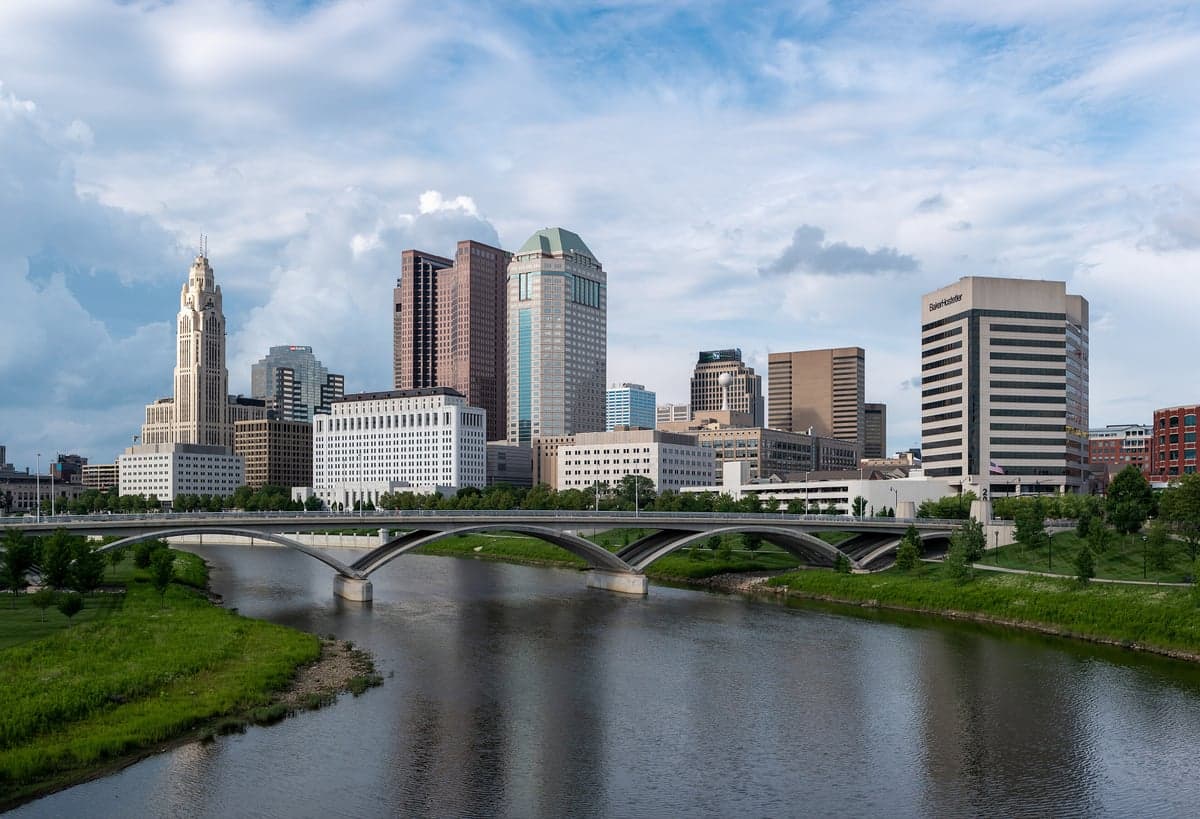
Photo: Wikipedia
Political ClimatePolitical Climate in Columbus, OH
District shown is the primary district for this city’s centroid. Cities may span multiple districts.
Local Political AnalysisPolitical Analysis of Columbus, OH
Look, I’ve lived in Columbus my whole life, and I’ve watched this city change in ways that would shock someone who left ten years ago. The political climate here is overwhelmingly progressive, with a Cook PVI of D+21, meaning the city votes about 21 points more Democratic than the national average. That’s not just a lean—it’s a supermajority. In the 2024 presidential election, Franklin County went for the Democratic candidate by roughly 60 points, while the surrounding counties—Delaware, Union, and Licking—voted Republican by 15 to 25 points. So if you’re looking for a place where your vote might actually balance things out, Columbus isn’t it. The trajectory has been steadily leftward since the early 2000s, driven by rapid growth in the urban core, a flood of out-of-state transplants, and a local government that seems eager to adopt every progressive policy that comes down the pike.
How it compares
If you drive 20 minutes north to Delaware or 30 minutes east to Granville, you’ll find communities that still feel like the Ohio I grew up in—lower taxes, fewer regulations, and a general sense that the government stays out of your business. But inside the 270 beltway, it’s a different world. Columbus city council is all Democrats, and they’ve been pushing things like a $15 minimum wage for city contractors, paid sick leave mandates, and a “welcoming city” ordinance that limits cooperation with federal immigration enforcement. Compare that to nearby Dublin or Powell, where local officials still talk about fiscal responsibility and property rights. The contrast is stark: you can live in a suburb that feels like 1995, or you can live in the city where every year brings a new ordinance that tells you how to run your business or what you can do with your property.
What this means for residents
For a long-time resident like me, the biggest concern is the slow creep of government overreach into everyday life. The city has been aggressive with zoning changes that make it harder to own a single-family home without jumping through hoops, and they’ve floated ideas like rent control and mandatory inclusionary zoning—policies that sound good on paper but usually end up raising costs for everyone. Property taxes in Franklin County have climbed about 15% since 2020, partly because the city keeps expanding services and programs that a lot of us never asked for. If you run a small business, you’ve probably dealt with new paid leave rules and a minimum wage hike that makes it tough to compete with the big chains. The schools are decent, but the curriculum has shifted noticeably toward social-emotional learning and diversity initiatives, which some parents see as a distraction from basics like math and reading.
On the cultural side, Columbus has become a hub for progressive activism—you’ll see pride flags on every other house in Clintonville, and the Short North is packed with murals and events that celebrate every identity except the one that says “I just want to be left alone.” The city’s response to the 2020 protests was a major turning point: they defunded the police by about $15 million, then quietly restored most of it after crime spiked, but the damage to trust was done. Looking ahead, I expect the political climate to keep shifting left as more people move in from places like California and New York, drawn by jobs at Ohio State or Nationwide. If you value personal freedom and limited government, you’ll want to live in one of the surrounding counties and just commute in for work. The city itself is a lost cause for conservatives, but the region still has pockets where common sense prevails.

State Political ClimatePolitical Climate in Ohio
State Political AnalysisPolitical Environment in the State
Ohio has long been the quintessential swing state, but over the past decade it has shifted decisively to the right, with Republicans now holding every statewide office and a supermajority in the legislature. The state voted for Donald Trump by 8 points in both 2020 and 2024, a dramatic shift from its bellwether status in 2012 when it went for Obama by 3 points. This isn’t a fluke — it’s the result of a decade-long realignment where working-class voters in the Mahoning Valley and Appalachian counties abandoned the Democratic Party, while the suburbs of Columbus and Cincinnati have become the new battlegrounds.
Urban vs. rural divide
The political map of Ohio is a study in contrasts. The three major metros — Cleveland, Columbus, and Cincinnati — are Democratic strongholds, but they’re surrounded by deep-red exurbs and rural counties that dominate the state’s electoral math. Cuyahoga County (Cleveland) gave Biden 68% in 2020, but that’s been offset by the explosion of Republican margins in counties like Mercer (80% Trump) and Holmes (78% Trump). The real story is the collapse of Democratic support in the Mahoning Valley: Mahoning County (Youngstown) went from Obama +26 in 2012 to Trump +4 in 2024, a 30-point swing. Meanwhile, Delaware County (north of Columbus) has become a GOP stronghold, voting 60% Trump despite rapid suburban growth. The I-71 corridor from Cincinnati to Cleveland is the political spine, with Hamilton County (Cincinnati) and Franklin County (Columbus) providing the bulk of Democratic votes, while the rural counties along the Appalachian foothills and the western farmland are solidly red. The suburbs of Columbus — like Dublin and Westerville — are trending purple, but the exurbs like Powell and Granville remain deeply conservative.
Policy environment
Ohio’s policy environment is a mixed bag for conservatives. On the plus side, the state has a flat income tax of 3.5% (down from 5% in 2019), no estate tax, and a right-to-work law that was repealed by referendum in 2011 but effectively replaced by a 2023 law banning local prevailing wage mandates. The legislature passed a 2023 law preempting local gun ordinances, ensuring uniform firearm laws statewide — a win for Second Amendment advocates. However, the state’s education policy is a flashpoint: Governor Mike DeWine signed a 2023 budget that expanded school vouchers to all families regardless of income, a major victory for school choice, but also pushed for universal pre-K, which some conservatives view as government overreach. Healthcare is a mixed bag — Ohio expanded Medicaid under Obamacare in 2014, and efforts to impose work requirements have stalled. Election laws have tightened: a 2023 law requires photo ID for voting, limits drop boxes, and shortens the absentee ballot window, which conservatives see as election integrity measures but progressives call suppression. The state also passed a 2024 law banning gender-affirming care for minors and restricting transgender athletes in school sports, aligning with conservative values on parental rights.
Trajectory & freedom
Ohio is becoming more free in some areas, less in others. The 2023 permitless carry law (HB 227) eliminated the requirement for a concealed carry license, a clear expansion of gun rights. The 2024 “Parents’ Bill of Rights” (HB 8) requires schools to notify parents of any medical or mental health services offered to students and bans instruction on sexual orientation in grades K-3 — a win for parental control. However, the state’s tax burden remains high compared to Sun Belt peers: combined state and local sales tax can exceed 8%, and property taxes in Cuyahoga County are among the highest in the Midwest. A 2024 ballot initiative to legalize recreational marijuana passed with 57% support, but the legislature immediately moved to tax it heavily and restrict home grow — a classic Ohio pattern of voters approving liberty, then lawmakers chipping away at it. The state also saw a 2023 law banning local governments from enacting “sanctuary city” policies for illegal immigrants, reinforcing rule of law. On medical freedom, Ohio’s 2023 ban on COVID-19 vaccine mandates for state employees was a positive step, but the state still has broad emergency powers that concern civil libertarians.
Civil unrest & political movements
Ohio has seen its share of political flashpoints. The 2020 protests in Columbus and Cincinnati over George Floyd’s death led to property damage and a lasting distrust of city leadership. The 2023 “Issue 1” election — a failed attempt to make constitutional amendments harder to pass — saw massive turnout from both sides, with the left successfully framing it as a power grab. The state has been a battleground over election integrity: the 2020 election saw Trump’s legal challenges in Ohio fail, but the 2024 law tightening voter ID was a direct response to lingering concerns. Immigration politics are muted compared to border states, but the 2023 law banning sanctuary cities was a clear statement. The most visible movement is the parental rights activism that erupted in school board meetings in suburbs like Mason and Hudson, where parents pushed back against critical race theory and LGBTQ curriculum. On the left, the Ohio Organizing Collaborative has been active in pushing for criminal justice reform and expanding voting access. The state has no serious secession or nullification movement, but there’s a growing rural-urban cultural divide that manifests in talk of splitting Ohio into two states — a fringe idea, but one that reflects real tensions.
Projection
Over the next 5-10 years, Ohio will likely become more reliably Republican at the state level, but the margin may shrink as Columbus and Cincinnati continue to grow and diversify. The in-migration pattern is key: Ohio is gaining population from California and Illinois, but these new arrivals tend to settle in the suburbs of Columbus and Cincinnati, which are trending purple. The rural counties that powered Trump’s margins are aging and losing population, while the urban cores are growing. This means the GOP will need to hold onto the exurbs and the Mahoning Valley to stay competitive. The 2026 governor’s race will be a bellwether: if a Trump-aligned candidate wins the primary, expect a hard-right turn on education and taxes. The biggest wildcard is the school voucher expansion: if it leads to a mass exodus from public schools, it could reshape the political landscape by weakening teachers’ unions, a key Democratic constituency. For a new resident, expect Ohio to remain a low-cost, moderately free state with a conservative tilt, but with pockets of progressive control in the cities that will continue to clash with the state government over local control issues.
For someone moving to Ohio, the bottom line is this: you’ll find a state that respects gun rights, parental authority, and low taxes, but you’ll need to navigate a patchwork of local policies — especially in the cities. If you’re looking for a place where your vote counts and your values are reflected in state law, Ohio is a solid bet. Just be prepared for the occasional fight over school curriculum and local ordinances, because the cultural war isn’t over — it’s just moved to the suburbs.
* Values derived from national, state, county, city and local statistics and may differ in a specific area. Last updated: 2026-04-21T09:41:20.000Z
Narrative content on this page is AI-generated and may contain mistakes. Verify any details that matter before acting on them.
ReloMaps may earn a commission from affiliate links at no extra cost to you.

