Find The Best Places To Live in Southeastern Connecticut Planning Region County
PRO TIP! You can paste a Zillow or Redfin link to get info on that property.
Best Places to Live in Southeastern Connecticut Planning Region County

Cities & Towns in Southeastern Connecticut Planning Region County
Cities in Southeastern Connecticut Planning Region County
What It's Like Living in Southeastern Connecticut Planning Region County, CT
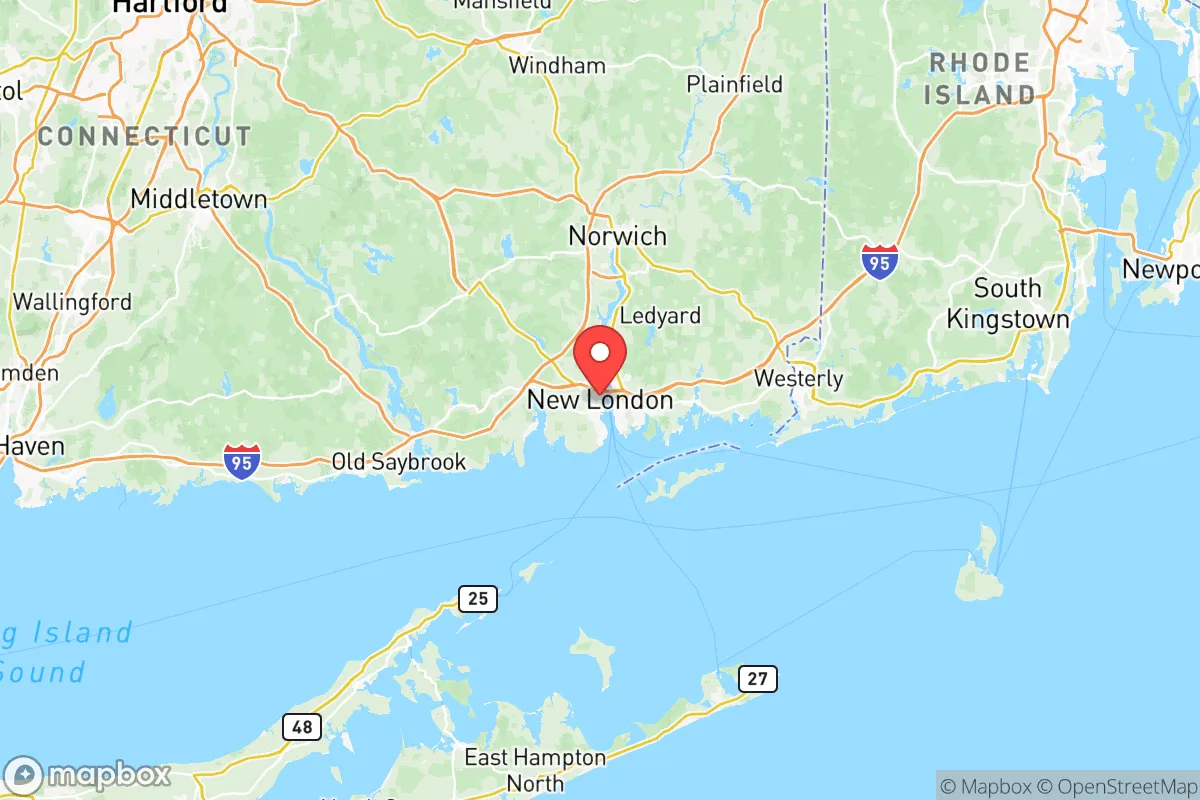
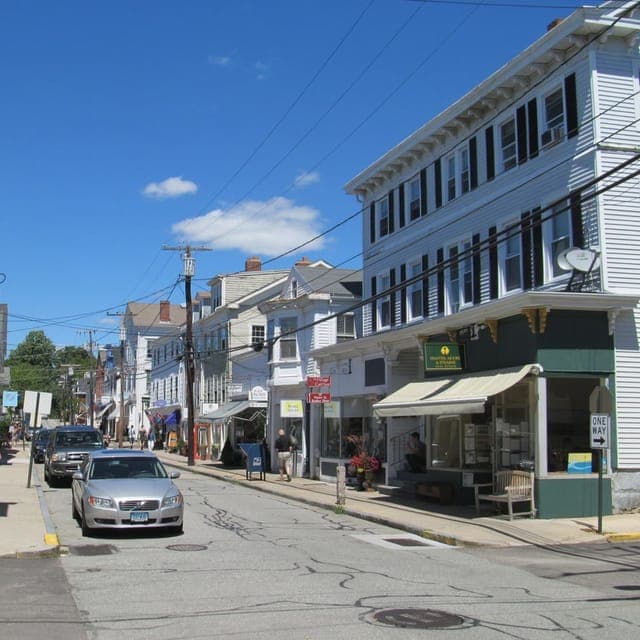
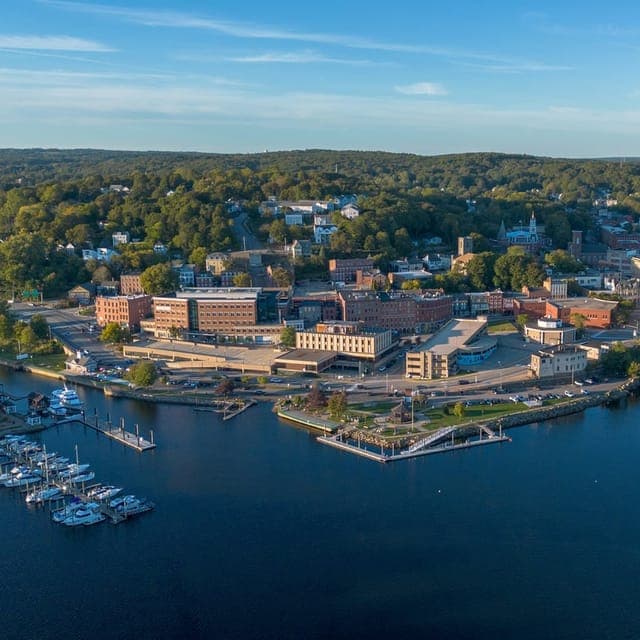
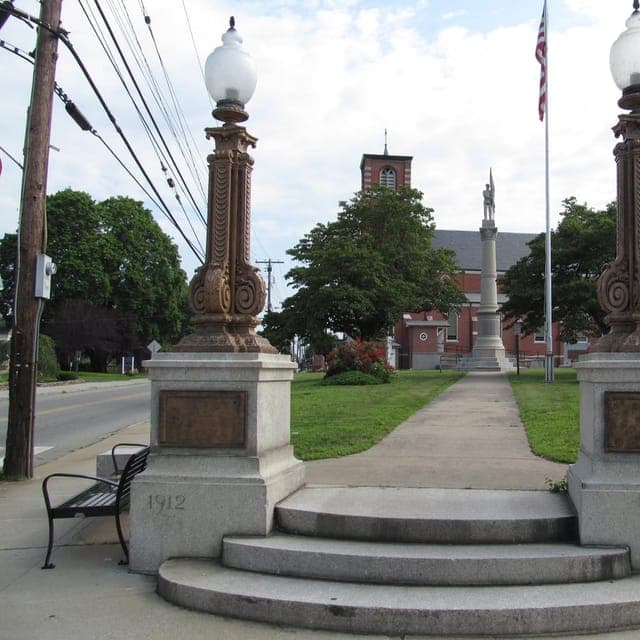
Living in Southeastern Connecticut Planning Region County feels like being part of a region that’s quietly confident—not flashy, but deeply rooted. It’s a place where the Atlantic coastline meets working-class towns, historic villages, and stretches of rural farmland, anchored by the cities of New London, Norwich, and Groton. The vibe here is less about hustle and more about routine: people commute to work at Electric Boat or Pfizer, grab coffee at a local diner in Mystic, and spend weekends at the beach or a high school football game. It’s a region that rewards those who value stability, community, and a slower pace—without being isolated.
Daily Rhythm: Work, Commute, and Weekend Life
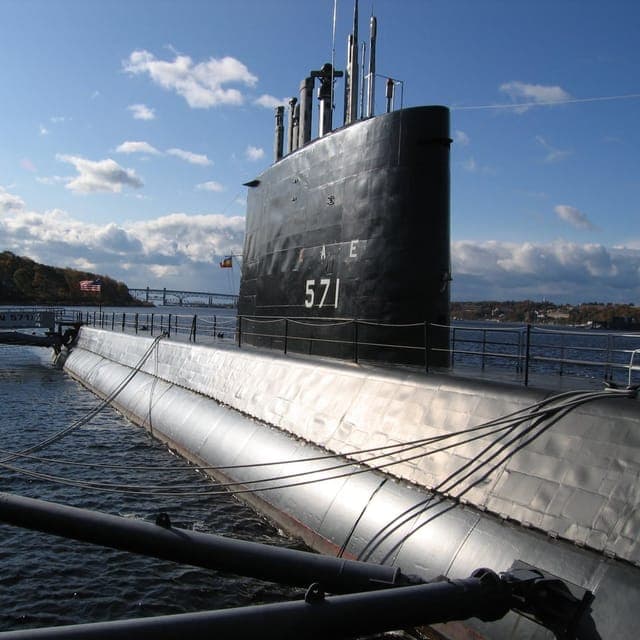
For most residents, the day starts early. The average commute is just over 24 minutes, which means you’re not spending hours in traffic like in Fairfield County. Many workers head to Groton, where Electric Boat employs thousands building submarines for the Navy, or to New London, home to the Coast Guard Academy and a growing healthcare sector. Others commute to Norwich, where the Mohegan Sun casino complex draws both tourists and local employees. After work, people tend to stick close to home. In Mystic, you’ll find families strolling the downtown drawbridge area, grabbing pizza at Mystic Pizza (yes, the one from the movie), or visiting the Mystic Aquarium. In Stonington, the weekend rhythm is about walking the historic village streets or fishing off the town dock. The median age here is 41, so you’re seeing a mix of young families and empty-nesters—fewer college students than in New Haven, more people who’ve settled in for the long haul.
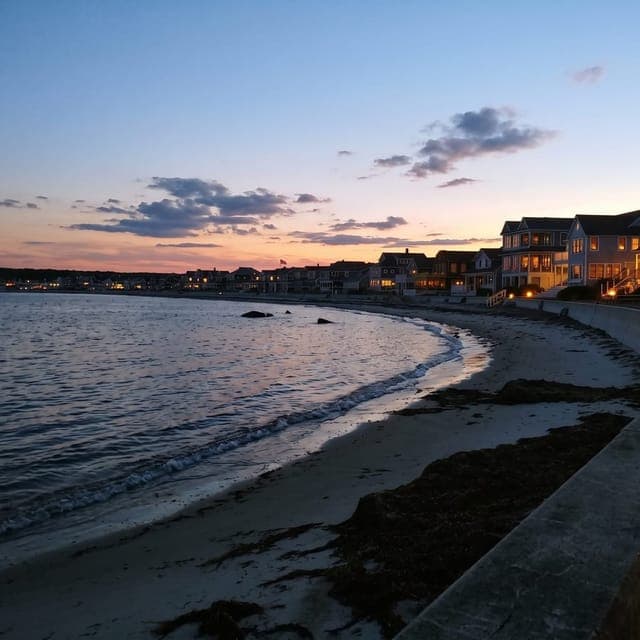
Weekends often revolve around outdoor activities. The region’s coastline offers beaches like Ocean Beach Park in New London and Harkness Memorial State Park in Waterford. Inland, the Pachaug State Forest in Voluntown provides hiking and ATV trails. The cost of living index sits at 110—slightly above the national average—but the median home value of $293,900 is a bargain compared to Hartford or Fairfield County. That said, property taxes in Connecticut are high, and that’s a common gripe among homeowners.
Sports, Community, and the Local Identity
Sports here are a big deal, but not in the pro-sports sense. There’s no NFL or MLB team in the county. Instead, the energy goes into high school football and basketball. On Friday nights in Norwich and New London, you’ll see bleachers packed for games between local rivals like Norwich Free Academy and New London High. The Connecticut Sun of the WNBA play at Mohegan Sun Arena in Uncasville, drawing a loyal fanbase that’s more family-oriented than the casino crowd. For college sports, the Coast Guard Academy in New London fields competitive Division III teams, and the UConn Huskies are a short drive away in Storrs. The region’s identity is tied to its maritime and military history—you’ll see Navy uniforms in Groton and Coast Guard cadets in New London, and the annual Norwich Rose Arts Festival and Mystic Seaport’s WoodenBoat Show celebrate that heritage.
Culturally, there’s a quiet pride in being “down-to-earth.” People here tend to be practical, not pretentious. You won’t find many high-end boutiques; instead, the shopping is at places like the Crystal Mall in Waterford or local farm stands. The median income of $84,185 supports a comfortable middle-class lifestyle, but the 34.6% college-educated rate means you’re not in a hyper-academic bubble like in Cambridge or New Haven. It’s a mix of skilled trades, military families, and professionals—people who value a good school system and a safe neighborhood.
What’s There to Do: Festivals, Food, and Outdoor Fun
Entertainment here leans seasonal and community-driven. Summer is peak season, with the Mystic Outdoor Art Festival drawing thousands in August and the New London Sailfest featuring live music and fireworks. The Eugene O’Neill Theater Center in Waterford is a national gem for new plays, though it’s more of a niche draw. For food, the region punches above its weight: Mystic has the famous Mystic Pizza and the Oyster Club for upscale seafood, while Norwich offers Portuguese and Polish eateries reflecting its immigrant history. In Groton, you’ll find casual spots like Paul’s Pasta Shop, a local institution. The Mohegan Sun casino complex in Uncasville is the biggest entertainment hub—concerts, comedy, and gambling—but it’s not everyone’s scene. For quieter nights, locals head to Harkness Park for sunset walks or to the Stonington Vineyards for wine tastings.
Outdoor enthusiasts have the Mianus River State Park and the Bluff Point State Park in Groton for hiking and birdwatching. The weather is classic New England: cold, snowy winters (expect nor’easters) and humid summers. Spring and fall are short but beautiful. The violent crime rate of 107.9 per 100,000 is lower than the national average, making most towns feel safe, though some parts of New London and Norwich have higher property crime—something to research block by block.
Pros and Cons of Living Here
What longtime residents love: The sense of community is real. Neighbors know each other, schools are involved in town life, and there’s a shared appreciation for the coastline and history. The cost of living, while above average, is manageable for a coastal state. The job market is stable thanks to defense and healthcare. And you’re close to Rhode Island and Massachusetts for weekend trips.
What frustrates them: Property taxes are a perennial complaint—Connecticut has some of the highest in the U.S. The economy outside of the submarine base and casinos can feel stagnant, with limited opportunities for young professionals in tech or finance. The weather can be dreary in winter, and the region lacks the cultural density of Hartford or New Haven. Some residents feel the area is “stuck in the past,” with slow development and aging infrastructure.
Overall, Southeastern Connecticut Planning Region County fits best for people who want a stable, family-oriented life near the water, with a strong sense of place and a slower rhythm. It’s not for those seeking nightlife or rapid career growth, but for those who value routine, community, and a reasonable commute, it’s a solid choice.

* Values derived from national, state, county, city and local statistics and may differ in a specific area. Last updated: 2026-05-11T23:02:15.000Z
Narrative content on this page is AI-generated and may contain mistakes. Verify any details that matter before acting on them.
ReloMaps may earn a commission from affiliate links at no extra cost to you.

