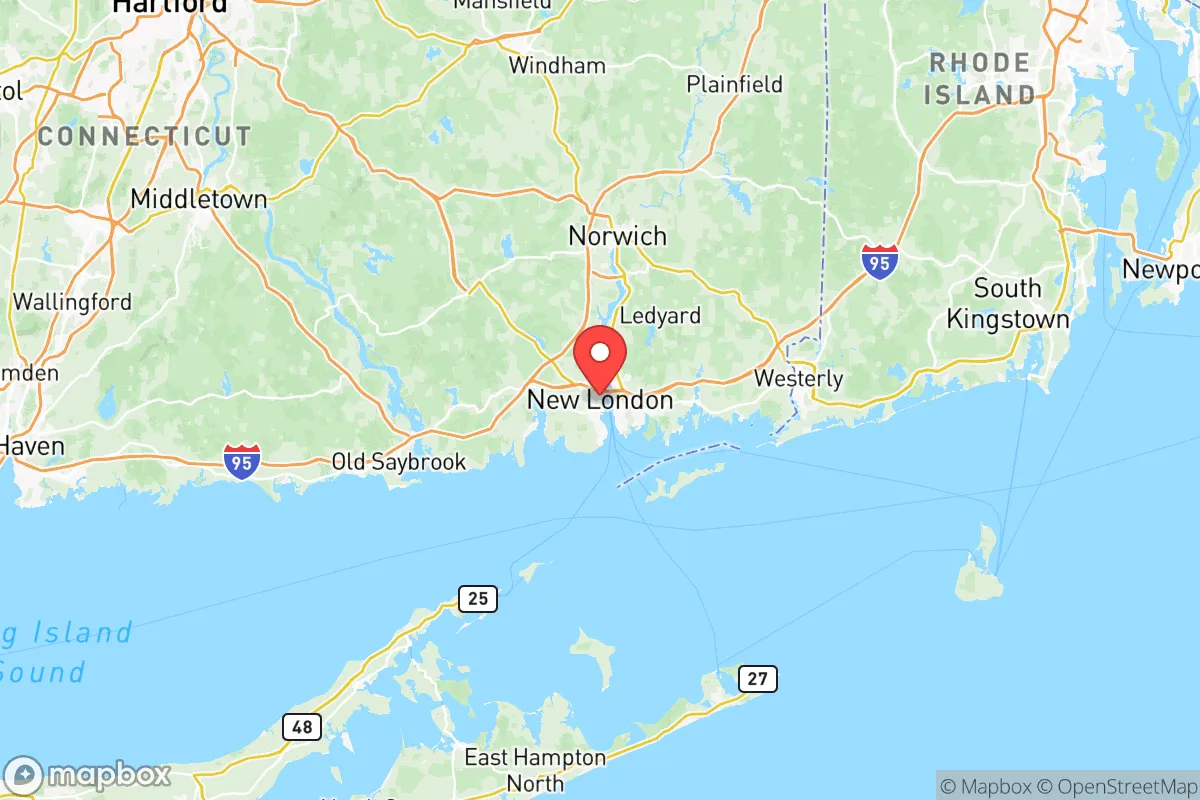
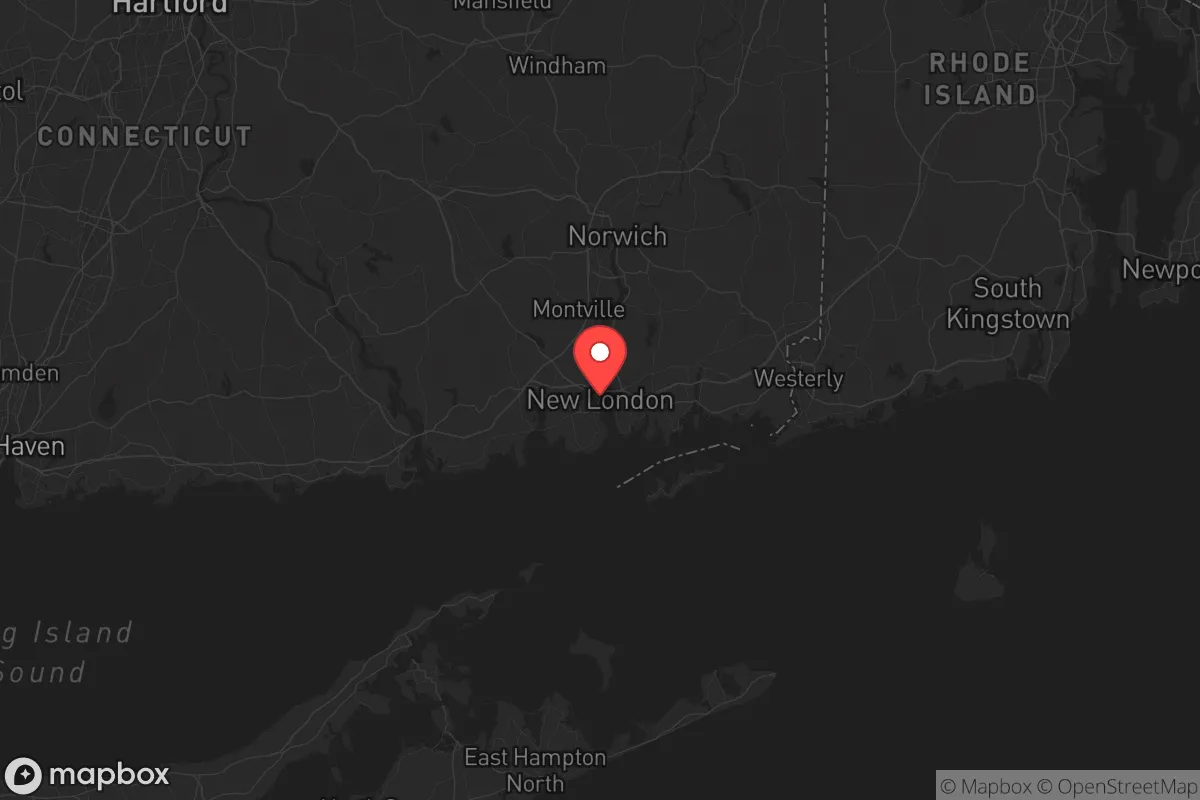
Personal Sovereignty in Southeastern Connecticut Planning Region County
Viable for self-reliance. Generally workable, though some barriers may limit total independence.
What does Personal Sovereignty tell us?
Personal Sovereignty measures your capacity for self-reliance and independence with minimal government friction. Higher scores mean fewer barriers between you and the way you want to live... but it assumes you have the space you need and good neighbors.
What does this tell us?
Personal Sovereignty measures your capacity for self-reliance and independence with minimal government friction. Higher scores mean fewer barriers between you and the way you want to live... but it assumes you have the space you need and good neighbors.
State Policy
Energy independence: Importer (5% of energy produced in-state)
Personal Liberty
Homesteading

Personal Liberty Analysis
Southeastern Connecticut Planning Region, often referred to as the Southeastern Connecticut Council of Governments (SCCOG) region, presents a complex and often contradictory environment for personal sovereignty. While the state of Connecticut as a whole is known for its heavy regulatory hand and progressive governance, this coastal and rural corner—encompassing towns like Groton, Norwich, Stonington, North Stonington, Ledyard, and Montville—offers pockets of relative autonomy, particularly for those willing to navigate the state’s dense legal framework. For the conservative-leaning individual or family prioritizing self-reliance, the region’s appeal lies not in a permissive state government, but in the quieter, more independent-minded communities that push back against Hartford’s overreach. The trade-off is stark: you gain access to lower-density living and a stronger sense of local control, but you must contend with some of the nation’s most restrictive gun laws, high property taxes, and a state bureaucracy that views personal freedom with suspicion.
Tax burden and regulatory posture: How the state’s fiscal grip affects your autonomy
Connecticut’s tax burden is among the highest in the nation, and Southeastern Connecticut is not exempt. The state’s income tax rate peaks at 6.99%, and property taxes in towns like Stonington and Groton can exceed 2.5% of assessed value annually—a heavy toll on anyone trying to build wealth or maintain a self-sufficient homestead. The regulatory posture is equally aggressive: the state mandates strict building codes, environmental reviews for even minor land alterations, and a complex permitting process for any structure beyond a simple shed. In towns like North Stonington and Ledyard, local zoning boards are often more pragmatic than their urban counterparts, but they still operate under state-imposed constraints like the Connecticut Environmental Policy Act (CEPA), which can delay or derail projects. For the prepper or survivalist, this means every acre you buy comes with strings attached—you cannot simply dig a well, build a root cellar, or erect a fence without navigating a maze of approvals. The silver lining is that towns like Montville and Norwich have more industrial and rural zoning districts where light manufacturing and agricultural uses are easier to establish, but the state’s overall posture remains one of distrust toward individual initiative.
Self-defense and gun law specifics: Navigating Connecticut’s restrictive framework
Connecticut’s gun laws are among the most restrictive in the country, and this region offers no legal refuge from them. The state requires a permit to purchase any firearm, a background check for every transfer, and a separate, difficult-to-obtain permit to carry a handgun openly or concealed. The 2013 legislation banned "assault weapons" and high-capacity magazines, and the 2023 update further tightened restrictions on private sales and storage. For the self-defense-minded individual, this means that even in rural North Stonington or Ledyard, you are subject to the same legal regime as someone in Hartford. However, the culture of gun ownership is markedly different here. In towns like Stonington and Groton, you will find active shooting ranges, hunting clubs, and a community that values the Second Amendment—even if they must operate within a hostile legal environment. The practical reality is that owning firearms for home defense is still possible, but carrying them outside the home requires a permit that is issued at the discretion of local authorities, and denial rates are high in more progressive towns. For the survivalist, this means stockpiling ammunition and training are still viable, but any scenario involving defensive use of a firearm will be scrutinized under a legal microscope that presumes guilt.
Self-reliance and homesteading viability: Lot sizes, zoning, and off-grid feasibility
The viability of a self-reliant lifestyle varies dramatically across the region. In North Stonington and Ledyard, you can find parcels of 2 to 10 acres with minimal subdivision restrictions, allowing for gardens, small livestock, and even a few chickens or goats. Zoning in these towns is generally more permissive for agricultural uses, and the local health departments are accustomed to approving private wells and septic systems. However, off-grid living is nearly impossible due to state building codes that mandate grid-tied electrical connections for new construction, and the Connecticut Department of Energy and Environmental Protection (DEEP) strictly regulates solar panel installations and rainwater collection. In Montville and Norwich, industrial zoning can allow for workshops and storage, but residential areas are tightly controlled. The most homestead-friendly towns are North Stonington and Ledyard, where you can realistically raise a portion of your own food and maintain a woodlot for heating, but you will still pay property taxes on the land and face annual inspections for any outbuildings. For the serious prepper, the region offers a compromise: you can achieve a degree of food and energy independence, but you will never be fully off the grid, and the state’s regulatory reach will always be present.
Personal liberties: Parental rights, medical autonomy, speech, and property
On parental rights, Connecticut is a mixed bag. The state mandates vaccination for school attendance, with only narrow medical exemptions, and the Department of Children and Families (DCF) has broad authority to investigate parental decisions, including homeschooling and medical choices. In towns like Stonington and Groton, homeschooling is legal but requires annual notification and portfolio review, and the local school districts can be intrusive. Medical autonomy is severely limited: the state has a strict certificate-of-need process for healthcare facilities, and alternative treatments are heavily regulated. Free speech is protected under the First Amendment, but local ordinances in more urban areas like Norwich can restrict public gatherings and signage. Property rights are the most contentious area: the state’s eminent domain powers are broad, and the DEEP can restrict land use for environmental reasons, particularly in coastal areas and along the Thames River. In Ledyard and North Stonington, property owners have more de facto control, but the legal framework always favors the state. For the conservative individual, this means you can speak your mind and raise your children as you see fit, but you must do so within a system that is actively hostile to traditional values and individual autonomy.
Overall, Southeastern Connecticut offers a lower level of personal sovereignty than most of the South or Midwest, but it is a relative haven within the Northeast. Compared to Fairfield County or the Hartford suburbs, towns like North Stonington and Ledyard provide more breathing room for the self-reliant individual. However, the state’s tax burden, gun laws, and regulatory overreach mean that true sovereignty is an aspiration, not a reality. For the survivalist or prepper, this region is best approached as a strategic compromise: you can build a resilient lifestyle, but you must always be prepared to navigate a government that views your independence as a threat to be managed, not a right to be protected.

* Values derived from national, state, county, city and local statistics and may differ in a specific area. Last updated: 2026-05-11T23:02:15.000Z
Narrative content on this page is AI-generated and may contain mistakes. Verify any details that matter before acting on them.
ReloMaps may earn a commission from affiliate links at no extra cost to you.

