
Quality of Life in Southeastern Connecticut Planning Region County
A livable area that tracks near national norms for affordability, walkability, and neighborhood health.
What does Quality of Life tell us?
Quality of Life measures an area by evaluating factors like cost of living, nearby amenities, country club access, airport proximity, socioeconomic signals and neighborhood character. For large states, this is a general average — quality of life can vary dramatically between metro areas, suburbs, and rural communities within the same state.
What does this tell us?
Quality of Life measures an area by evaluating factors like cost of living, nearby amenities, country club access, airport proximity, socioeconomic signals and neighborhood character. For large states, this is a general average — quality of life can vary dramatically between metro areas, suburbs, and rural communities within the same state.
Cost of Living
10% above national average
100%
The Real Cost of Living in Southeastern Connecticut Planning Region County for 2026
| Tier | Individual | Family (4) |
|---|---|---|
| Survival | $21k | $39k |
| Comfortable | $57k | $84k |
| Luxury | $142k+ | $220k+ |
| Elite (Top 5%) | $167k+ | $258k+ |
Quality-of-Life Analysis
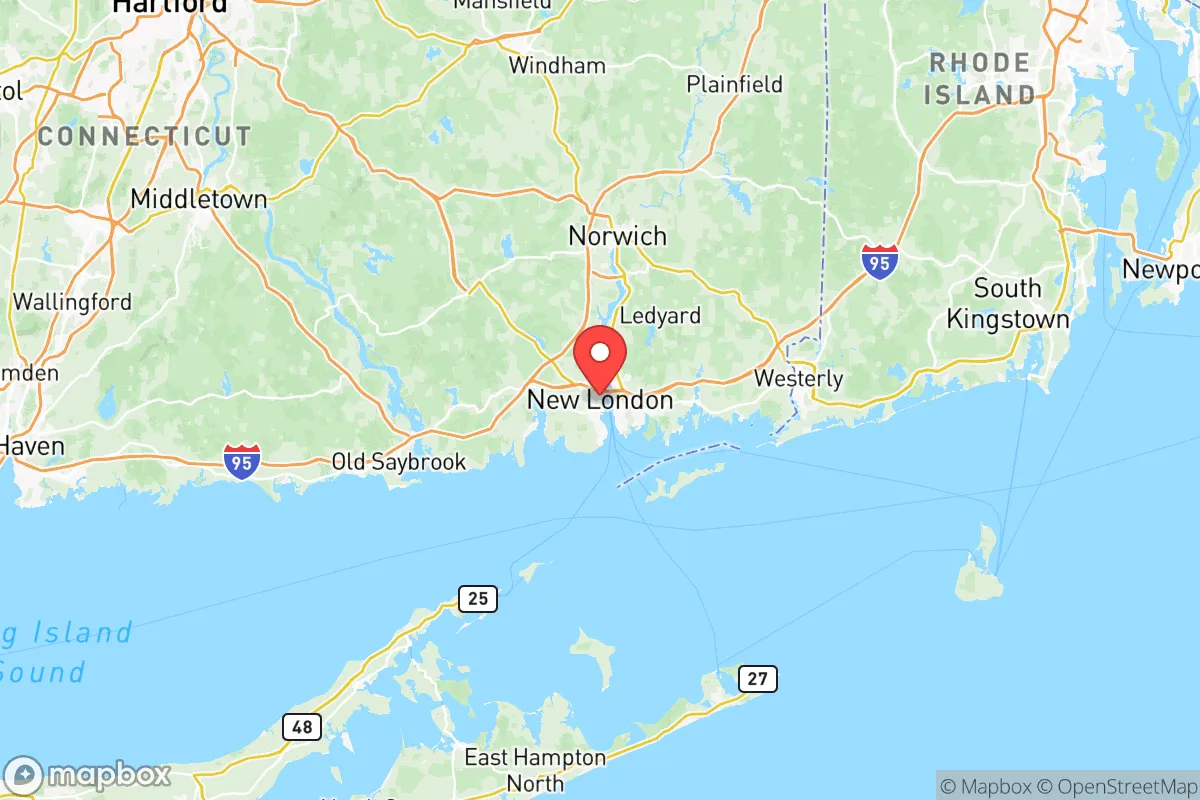
The Southeastern Connecticut Planning Region, often referred to as the region surrounding the Thames River and Long Island Sound, offers a quality-of-life spectrum that ranges from dense, historic coastal cities to quiet, wooded rural towns. With a cost of living index of 110 (10% above the national average), a median home value of $293,900, and a median rent of $1,316, the county attracts a mix of defense-industry professionals, maritime workers, retirees seeking coastal living, and families looking for affordable alternatives to Fairfield County. The character of daily life shifts dramatically between the urbanized New London-Groton corridor and the agricultural landscapes of towns like North Stonington and Preston.
Largest town(s) & population centers
The primary population centers are New London, Groton, and Norwich. New London, a small city on the Thames River, is the region's urban core, home to Connecticut College, the U.S. Coast Guard Academy, and the ferry to Long Island. Daily life here is walkable in the downtown core, with a growing arts scene and access to the waterfront, but the city also faces challenges with higher poverty rates and older housing stock. Groton, directly across the river, is dominated by the General Dynamics Electric Boat submarine shipyard, which employs thousands and gives the town a blue-collar, defense-focused rhythm. Norwich, further inland, is a historic mill city with a more suburban feel, anchored by the Mohegan Sun casino and a revitalizing downtown. The average commute across the region is a manageable 24.1 minutes, making these centers practical for workers at Electric Boat, Pfizer's Groton campus, or Lawrence + Memorial Hospital.
Smaller towns & rural pockets
Beyond the urban core, the county includes distinct smaller towns and rural areas. Stonington (including the borough of Stonington and the village of Mystic) offers a classic New England coastal village lifestyle, with Mystic's tourism-driven downtown, historic seaport, and high-end boutiques. North Stonington and Preston are largely rural, with working farms, horse properties, and large-lot subdivisions — a stark contrast to the density of New London. Ledyard and Montville are suburban-rural mixes, with Ledyard home to the Mashantucket Pequot Tribal Nation and Foxwoods Resort Casino, while Montville features the Mohegan reservation and more wooded, spread-out neighborhoods. Waterford, just west of New London, is a suburban town with excellent schools and a quieter coastal feel, often preferred by families seeking a middle ground between city and country.
Cost & lifestyle range
The cost of living and lifestyle vary significantly across the county. At the higher end, Stonington Borough and Mystic command premium prices, with median home values well above the county average of $293,900 — often exceeding $400,000 for waterfront or historic properties. These areas attract retirees, second-home buyers, and professionals willing to pay for walkable village life and coastal scenery. At the lower end, Norwich and parts of New London offer more affordable housing, with median home values in the low $200,000s and rents closer to the county median of $1,316. The rural towns of North Stonington and Preston offer lower property taxes and larger lots, but with fewer amenities — residents typically drive 15-25 minutes to Norwich or Mystic for groceries and services. The county's median rent of $1,316 is notably below the Connecticut state average, making it one of the more affordable coastal regions in the state for renters.
This county is best suited for people who value proximity to the water and a slower pace but need access to stable defense-sector employment. Families thrive in Waterford and Ledyard for their schools and safety; young professionals and artists find energy in New London's revitalizing downtown; retirees and second-home buyers gravitate to Stonington and Mystic for charm and walkability. The range of options — from urban waterfront to deep rural — means that most lifestyles can find a fit, provided the trade-offs in commute, amenities, and cost are understood.

Crime in Southeastern Connecticut Planning Region County
Generally safer than 72% of comparable U.S. locations.
Violent CrimeViolent Crime Analysis
Property CrimeProperty Crime Analysis
Crime Analysis
Southeastern Connecticut Planning Region, officially designated as the Southeastern Connecticut Council of Governments (SCCOG) region, presents a mixed safety profile that is notably safer than national averages but requires careful neighborhood-level scrutiny. The region’s violent crime rate stands at 107.9 incidents per 100,000 residents, while property crime occurs at a rate of 1,139.8 per 100,000. These figures place the area well below the national violent crime average of roughly 380 per 100,000, but property crime rates are closer to the national benchmark of approximately 2,000 per 100,000, indicating that theft and burglary are more pressing concerns than violent offenses.
Crime in context
When compared to statewide Connecticut averages, Southeastern Connecticut’s violent crime rate of 107.9 per 100,000 is significantly lower than the state’s overall rate of approximately 190 per 100,000. Property crime in the region, however, runs slightly above the Connecticut average of roughly 1,100 per 100,000, driven largely by incidents in more densely populated towns. The region’s largest city, Norwich, and the coastal hub of New London both report elevated property crime rates, particularly vehicle theft and larceny, which inflate the regional figure. In contrast, smaller towns like Stonington and Ledyard consistently post property crime rates below 800 per 100,000, pulling the regional average down. The presence of the U.S. Navy’s Submarine Base in Groton contributes a transient population that can affect crime statistics, though base-related incidents are typically handled by military authorities and are not reflected in local civilian data.
What residents experience
Residents of Southeastern Connecticut generally report feeling safe in their daily lives, but experiences vary sharply by municipality. In New London, a city with a progressive district attorney’s office and a history of liberal judicial appointments, property crime rates have remained stubbornly high—above 2,500 per 100,000 in recent years—and residents frequently cite concerns about theft from vehicles and package theft. The city’s justice system, which emphasizes diversion programs and reduced incarceration for nonviolent offenders, has been criticized by some residents for contributing to a perception of leniency that emboldens repeat property criminals. In Norwich, similar progressive policies in the local courts have coincided with a rise in burglaries, though violent crime remains rare. Conversely, in Groton Town (as distinct from Groton City), a more conservative municipal approach to policing and prosecution has kept property crime rates near 900 per 100,000, and residents report fewer incidents of theft and vandalism. The region’s rural towns, such as North Stonington and Voluntown, experience crime rates so low that many residents leave doors unlocked, though occasional drug-related arrests occur along the I-95 corridor.
Neighborhood-level variation
Neighborhood-level crime data reveals sharp divides within the region’s larger towns. In New London, the Ocean Beach and Bates Woods areas see higher rates of reported theft and occasional assaults, while the Fort Trumbull neighborhood—home to the U.S. Coast Guard Academy—is notably safer due to federal law enforcement presence. In Norwich, the Greeneville and Taftville sections report property crime rates roughly double those of the more affluent Norwichtown area. The region’s safest enclaves are found in the rural northern towns of Franklin and Sprague, where violent crime is virtually nonexistent and property crime hovers around 400 per 100,000. For prospective residents, the key takeaway is that Southeastern Connecticut offers genuine safety in its smaller towns and suburban pockets, but cities like New London and Norwich—where progressive judicial policies have been linked to higher recidivism for property crimes—require careful neighborhood selection and proactive security measures.
* Values derived from national, state, county, city and local statistics and may differ in a specific area. Last updated: 2026-05-11T23:02:15.000Z
Narrative content on this page is AI-generated and may contain mistakes. Verify any details that matter before acting on them.
ReloMaps may earn a commission from affiliate links at no extra cost to you.

