Political ClimatePolitical Climate in Southeastern Connecticut Planning Region County
Showing district-level results — no local-only data available.
Local Political AnalysisPolitical Analysis of Southeastern Connecticut Planning Region County
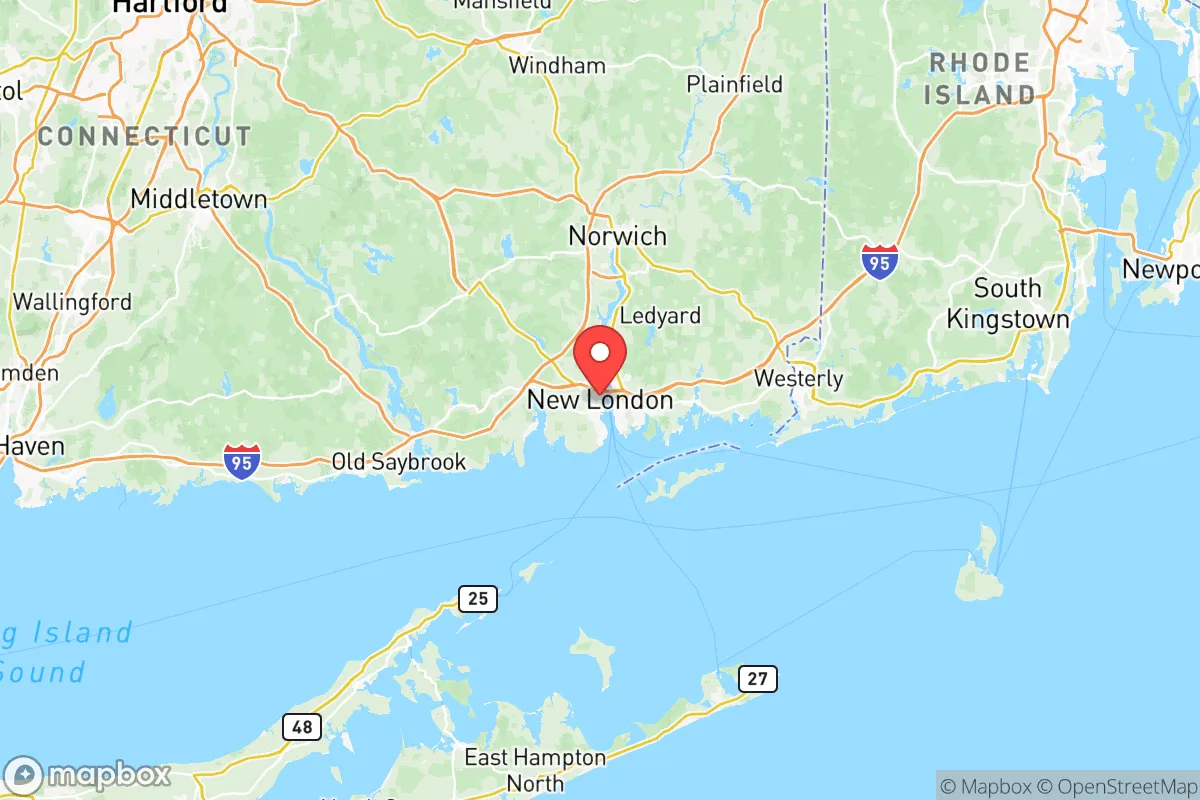
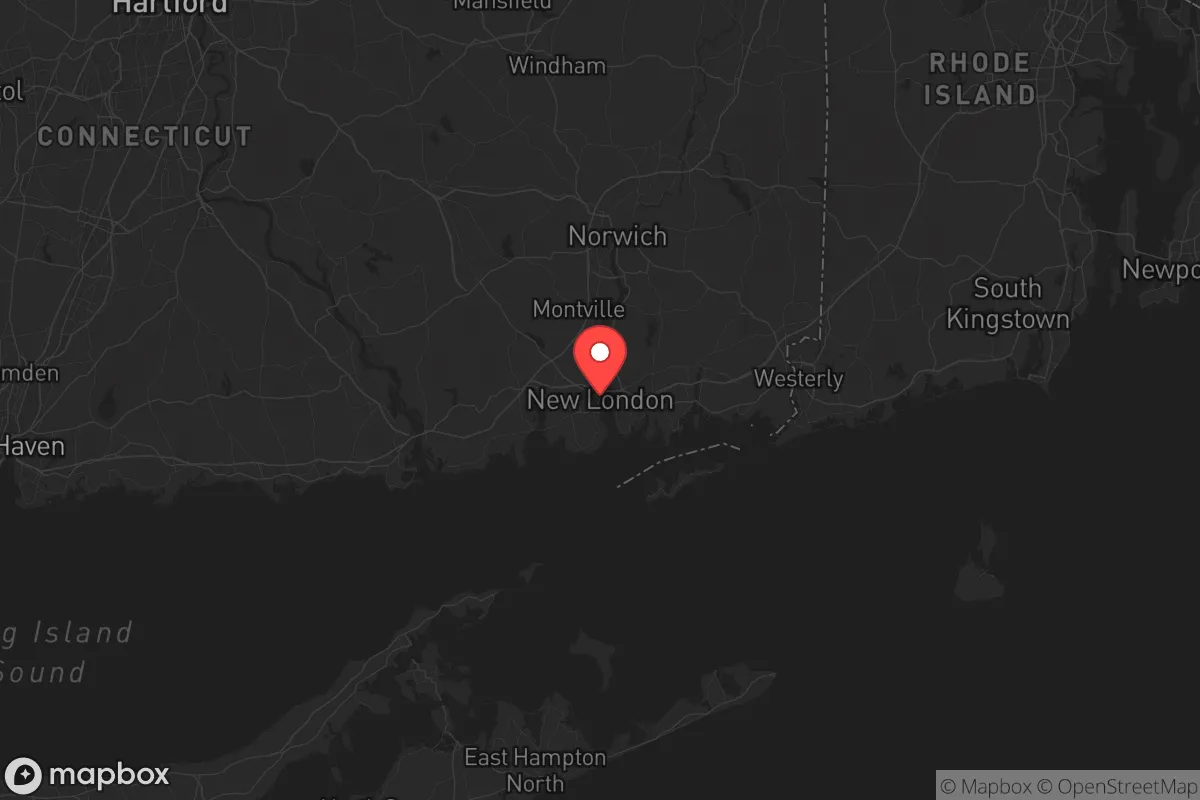
Look, I’ve lived in Southeastern Connecticut my whole life, and I’ve watched this area shift from a reliably blue-collar, independent-minded place to something that’s starting to feel a lot more like the rest of the state—and not in a good way. The Cook PVI here is D+4, which is noticeably less Democratic than Connecticut’s overall D+8, but that gap is closing. The old-school conservative Democrats and moderate Republicans who used to dominate local politics are being pushed out by a more progressive, activist brand of politics, especially in the bigger towns. It’s a slow drift, but it’s real, and it’s changing what it means to live here.
How it compares
Compared to the rest of Connecticut, Southeastern Connecticut is still a relative island of moderation—but that’s a shrinking island. The D+4 rating means we’re four points more Republican than the state average, but that’s down from a wider gap ten years ago. The real story is the internal split. Groton and New London are deep blue, with the naval base and the submarine industry pulling in a mix of federal workers and union families, but the city councils there are increasingly pushing progressive policies on housing and zoning that feel like they came straight out of Hartford. Stonington and Mystic are purple but trending blue, driven by wealthy second-home owners and tourism workers who lean left on social issues. Meanwhile, North Stonington, Preston, and parts of Ledyard are still reliably red, with working-class families and small farmers who just want to be left alone. The swing precincts are in places like Montville and Waterford, where you’ll find a mix of casino workers, retirees, and commuters—these are the folks who decide elections, and they’re getting squeezed by rising property taxes and new state mandates on everything from energy to education.
What this means for residents
For those of us who value personal freedom and local control, the trend is worrying. The state government in Hartford keeps passing laws that override local zoning, mandate electric vehicle infrastructure, and impose strict environmental regulations that hit small businesses and homeowners hardest. In Southeastern Connecticut, that means a farmer in North Stonington can’t expand his barn without a dozen state permits, and a family in Ledyard sees their tax bill climb every year to fund Hartford’s pet projects. The push for “regional equity” in school funding and housing is a polite way of saying the state wants to dictate how our towns develop, stripping away the independence that made places like Bozrah and Salem feel like real communities. The local school boards are also becoming battlegrounds, with progressive activists pushing curriculum changes and library policies that many parents find intrusive.
Culturally, the area still has a strong independent streak—you see it in the gun clubs, the volunteer fire departments, and the way people wave at each other on back roads. But the policy direction is unmistakable. The casino revenue from Foxwoods and Mohegan Sun used to give us a buffer against state overreach, but that money is drying up, and Hartford is filling the gap with new taxes and fees. If you’re thinking of moving here, know that the political climate is friendly if you keep your head down, but the long-term trajectory is toward more government involvement in your daily life. The old Southeastern Connecticut—where a person could build a shed without a permit and send their kids to a school that taught basics without ideology—is fading. It’s still a great place to live if you value quiet and community, but you’ll need to stay engaged to keep it from becoming just another suburb of New Haven.

State Political ClimatePolitical Climate in Connecticut
State Political AnalysisPolitical Environment in the State
Connecticut has a Cook PVI of D+8, making it one of the most reliably Democratic states in the Northeast, but that number hides a much more complicated reality. The state’s overall partisan lean is driven almost entirely by the affluent, densely populated corridor along the coast, while the rest of the state—especially the eastern and northwestern hills—has been trending redder for a decade. Over the last 20 years, the Democratic grip has tightened in the suburbs of New York City and Hartford, but the rural and exurban areas have swung hard in the opposite direction, creating a political map that looks like a coastal blue crescent wrapped around a growing inland red core.
Urban vs. rural divide
The political geography of Connecticut is stark. The Democratic strongholds are the cities and their immediate suburbs: Hartford, New Haven, Bridgeport, Stamford, and Waterbury all vote reliably blue, often by margins of 60-70% or more. These areas are home to the state’s major universities (Yale, UConn, Trinity), its largest employers (insurance giants like Aetna and The Hartford, plus hedge funds in Fairfield County), and a dense concentration of government workers and union members. The coastal suburbs of Fairfield County—places like Greenwich, Darien, and Westport—are among the wealthiest in the nation and vote Democratic largely on social issues and national security, even as they push back on some state-level tax hikes. In contrast, the rural towns of Litchfield County (e.g., Litchfield, Kent, Cornwall) and the Quiet Corner of eastern Connecticut (e.g., Pomfret, Woodstock, Killingly) have become increasingly Republican. In 2024, many of these towns voted +20 to +30 points for the GOP candidate, a shift that accelerated after 2020. The divide isn’t just about population density—it’s about economic reliance on state government versus private enterprise, and about cultural values around education, land use, and personal autonomy.
Policy environment
Connecticut’s policy environment is a mixed bag that leans heavily progressive on most fronts, but with some notable exceptions. The state has a progressive income tax with a top marginal rate of 6.99%, one of the highest in the nation, and property taxes are among the steepest in the country—often exceeding 2% of assessed value in towns like Hartford and Bridgeport. The sales tax is 6.35%, but it exempts most groceries and clothing, so it’s less painful than it sounds. On the regulatory side, Connecticut has some of the strictest environmental and land-use laws in the Northeast, which makes building anything—new homes, businesses, even solar farms—a slow, expensive process. Education policy is a flashpoint: the state spends more per pupil than almost any other, but outcomes are wildly uneven, with wealthy suburbs like Weston and New Canaan producing top-tier results while urban districts like New Haven and Waterbury struggle with chronic underperformance. School choice is limited; charter schools exist but face heavy opposition from teachers’ unions, and homeschooling is legal but requires more paperwork than in many red states. Election laws are among the most liberal in the country: no-excuse absentee voting, early voting (since 2023), and same-day voter registration are all in place. The state also has a sanctuary state law (TRUST Act, 2013) that limits cooperation between local police and federal immigration authorities, which has been a major point of contention in rural towns that voted heavily for Trump.
Trajectory & freedom
Over the last five years, Connecticut has moved decisively in the direction of expanded government control, particularly on issues of personal liberty. The most significant recent legislation is the 2023 gun control package (HB 6667), which banned the open carry of firearms, raised the purchasing age for long guns to 21, and expanded the state’s already strict assault weapons ban. This was passed despite heavy opposition from rural towns and gun-rights groups, and it has led to a noticeable exodus of gun owners to neighboring states like New Hampshire and Vermont. On the medical autonomy front, the state legalized recreational marijuana in 2021, but the rollout has been slow and heavily regulated, with only a handful of licensed dispensaries operating as of 2026. Parental rights have become a battleground: in 2024, the state legislature passed a law requiring school districts to adopt policies that affirm a student’s chosen gender identity without parental notification, which has sparked intense local fights in towns like Southington and Wallingford. Property rights are under pressure from a 2023 law that allows municipalities to impose rent control and eviction moratoriums, which has made landlords in cities like Bridgeport and New Haven nervous. On the positive side for conservatives, the state has a relatively low crime rate compared to its neighbors, and the 2024 repeal of the car tax (a property tax on vehicles) was a rare win for fiscal conservatives, though it was partially offset by increases in other fees.
Civil unrest & political movements
Connecticut has not seen the kind of large-scale civil unrest that has hit cities like Portland or Seattle, but there have been notable flashpoints. The 2020 Black Lives Matter protests in New Haven and Hartford were large but mostly peaceful, though they did lead to calls for defunding the police that were ultimately rejected by most municipal governments. The 2022-2023 school board wars over critical race theory and LGBTQ curriculum were particularly intense in suburban towns like Glastonbury and Simsbury, where parents packed meetings and successfully ousted several progressive board members. The sanctuary state law has been a persistent source of tension: in 2024, the town of Killingly passed a resolution declaring itself a “non-sanctuary” town, though the state attorney general threatened legal action. Election integrity has been a quieter issue here than in swing states, but the 2020 and 2022 elections saw a surge in Republican poll watchers and legal challenges in towns like Enfield and Vernon, where local GOP officials alleged irregularities in absentee ballot processing. The most visible political movement on the right is the Connecticut Citizens Defense League (CCDL), which has grown rapidly since the 2023 gun law and now holds regular rallies at the state capitol. On the left, the Working Families Party has gained influence in urban areas, pushing for rent control and public housing expansion.
Projection
Looking ahead five to ten years, Connecticut is likely to become more polarized, not less. The coastal blue crescent will continue to vote Democratic, driven by in-migration from New York City and a growing population of young professionals who work in finance and tech. But the rural and exurban areas will keep trending red, especially as more families flee high taxes and restrictive policies in the cities. The state’s population has been flat or slightly declining since 2020, with net out-migration to Florida, Texas, and the Carolinas, and that trend is likely to accelerate if the state continues to raise taxes and tighten gun laws. The biggest wild card is the state’s fiscal health: Connecticut has one of the highest debt burdens per capita in the nation, and the state pension system is underfunded by tens of billions. If a fiscal crisis hits, it could force either major tax increases (which would drive more people out) or serious spending cuts (which would anger the unions that dominate the Democratic coalition). For a conservative moving in now, the realistic expectation is that the state will remain blue at the statewide level for the foreseeable future, but that local control in rural towns will become increasingly important as a bulwark against progressive policies from Hartford.
Bottom line for a new resident: If you’re a conservative considering Connecticut, you’re not moving to a red state, but you’re also not moving to a uniformly blue one. You’ll find like-minded communities in the rural towns of Litchfield County and the Quiet Corner, where local politics are often Republican and where you can live with a fair amount of personal freedom—provided you’re willing to drive an hour or more to get to a decent job. The state’s high taxes and strict gun laws are real drawbacks, but the excellent schools in the wealthy suburbs and the proximity to New York City are genuine assets. Just know that the political winds are blowing against you at the state level, and that your best strategy is to pick a town where the local government reflects your values and to get involved in local politics to protect them.
* Values derived from national, state, county, city and local statistics and may differ in a specific area. Last updated: 2026-05-11T23:02:15.000Z
Narrative content on this page is AI-generated and may contain mistakes. Verify any details that matter before acting on them.
ReloMaps may earn a commission from affiliate links at no extra cost to you.

