Photo: Wikipedia
Personal Sovereignty in Cordova, AK
Viable for self-reliance. Generally workable, though some barriers may limit total independence.
What does Personal Sovereignty tell us?
Personal Sovereignty measures your capacity for self-reliance and independence with minimal government friction. Higher scores mean fewer barriers between you and the way you want to live... but it assumes you have the space you need and good neighbors.
What does this tell us?
Personal Sovereignty measures your capacity for self-reliance and independence with minimal government friction. Higher scores mean fewer barriers between you and the way you want to live... but it assumes you have the space you need and good neighbors.
State Policy
Energy independence: Net exporter (350% of energy produced in-state)
Personal Liberty
Homesteading

Personal Liberty Analysis
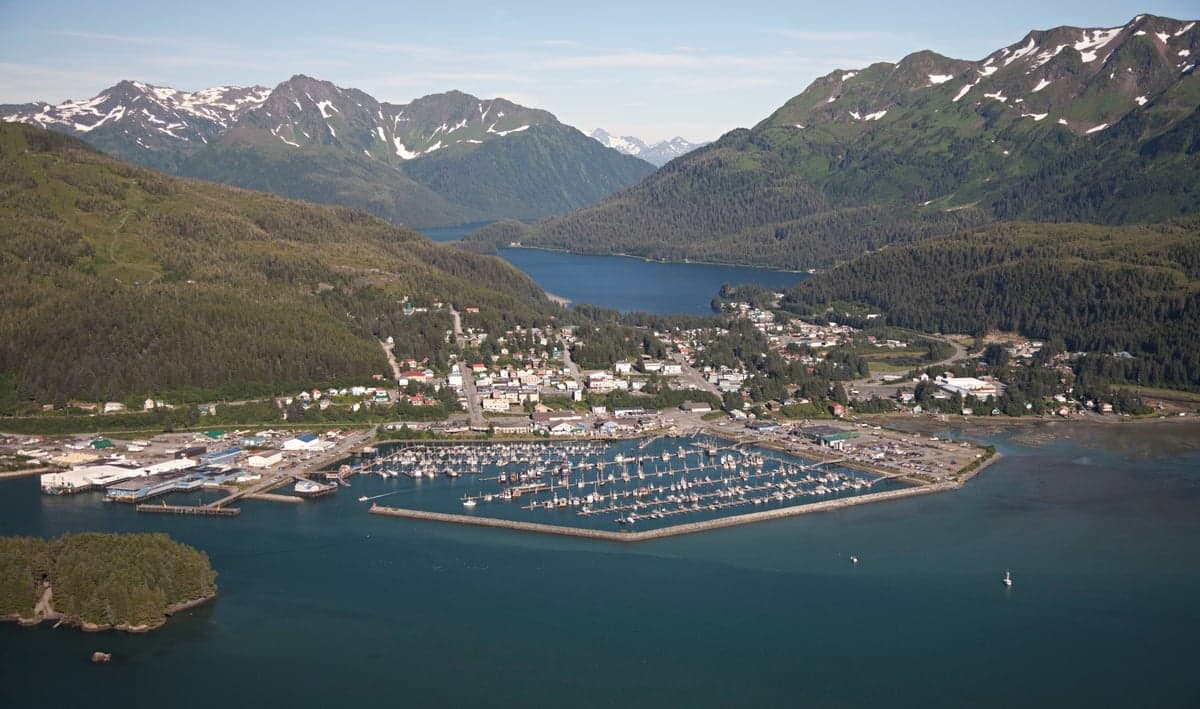
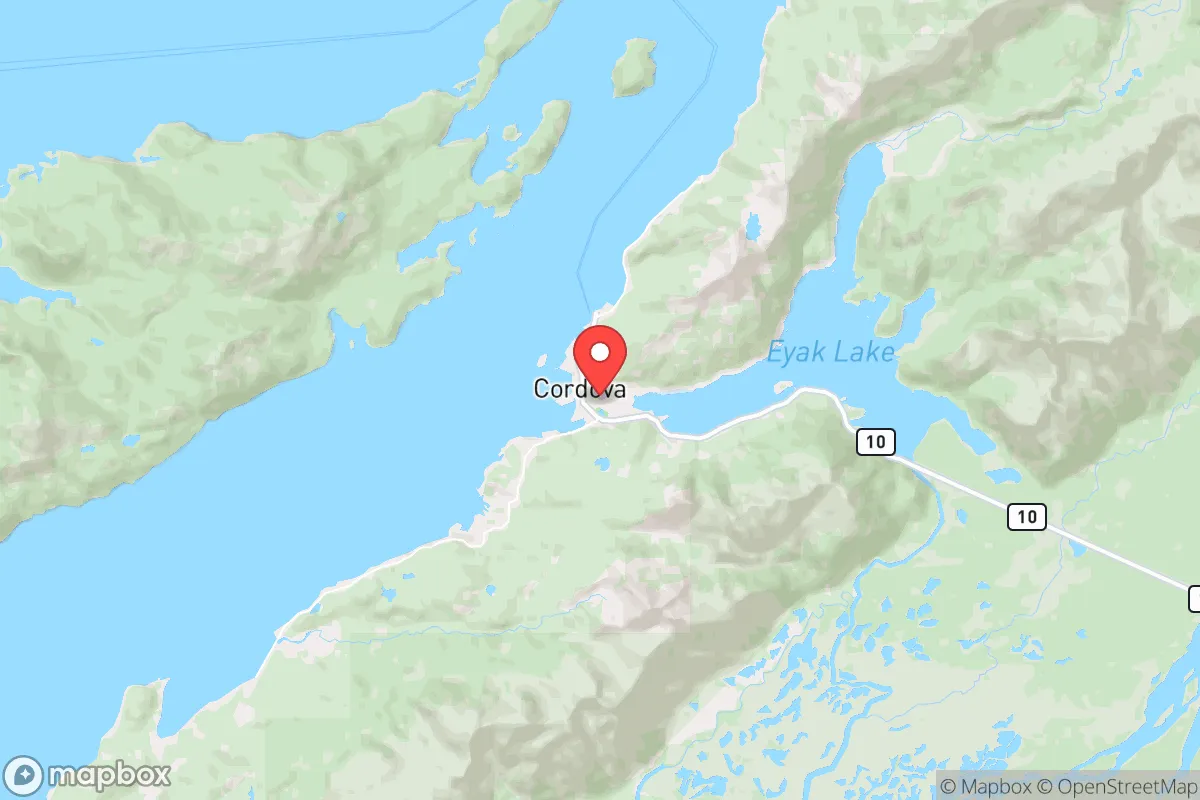
Cordova, Alaska, offers a rare environment for personal sovereignty that stands in stark contrast to the lower 48’s accelerating regulatory creep. This isolated fishing town, accessible only by air or sea, operates under a de facto autonomy that many preppers and liberty-minded individuals find increasingly attractive. The state’s constitutional protections for individual rights, combined with the practical necessity of self-reliance in a remote community, create a baseline of freedom that is difficult to replicate elsewhere. For those looking to escape the tightening grip of federal and state overreach, Cordova represents a strategic outpost where personal responsibility isn’t just encouraged—it’s required for survival.
Tax burden and regulatory posture: How Alaska’s structure protects your wallet and choices
Alaska’s tax environment is the single strongest pillar of personal sovereignty in Cordova. The state has no personal income tax and no statewide sales tax, a direct result of its constitutional dedication to limiting government expansion. Cordova itself imposes a modest 4% sales tax on most goods, but this is a local decision, not a state mandate. Property taxes are low by national standards, with the city’s mill rate hovering around 10.5 mills, meaning a $300,000 home carries an annual tax bill of roughly $3,150. Compare that to a similar property in a blue-state coastal city, where taxes can easily exceed $10,000 annually. The Permanent Fund Dividend, paid yearly to every resident, effectively offsets a portion of living costs and reinforces the idea that the state’s resources belong to the people, not the government. Regulatory posture in Cordova is equally light. The city’s small government structure means fewer zoning overlays, less permitting bureaucracy, and a general hands-off approach to business and property use. For a survivalist mindset, this translates into fewer opportunities for government to interfere with your daily life, your income, or your property decisions.
Self-defense and gun law specifics: What you can own and carry in Cordova
Alaska is one of the most firearm-friendly states in the union, and Cordova fully benefits from that legal framework. The state requires no permit to purchase a rifle, shotgun, or handgun, and there is no waiting period. Constitutional carry is the law: any law-abiding adult 21 or older can carry a concealed firearm without a license. Open carry is also fully legal without a permit. There are no magazine capacity restrictions, no assault weapon bans, and no red flag laws on the books as of 2026. This is a critical consideration for those who view self-defense as a non-negotiable right. In Cordova, the practical reality of bear country reinforces this legal freedom—most residents carry a firearm for protection against wildlife, not just people. The local sheriff’s office is small, and response times in remote areas can be measured in hours, not minutes. That makes personal armament not just a right but a survival necessity. For parents, this means you can teach your children firearm safety and responsibility without fear of state interference. The legal environment here respects the individual’s judgment over government mandates, which aligns directly with a prepper’s core values.
Self-reliance and homesteading viability: Lot sizes, zoning, and off-grid feasibility
Cordova’s geography and zoning code make it a prime location for those pursuing a self-reliant lifestyle. Residential lots in the city proper average around 7,500 to 10,000 square feet, but many parcels outside the urban core are significantly larger—often one to five acres or more. Zoning is minimal; the city does not impose the kind of restrictive land-use codes found in suburban America. You can keep chickens, goats, or even a small garden without needing a special permit. Off-grid living is not only feasible but common. Many homes rely on well water, septic systems, and alternative energy sources like solar or micro-hydro, given the area’s abundant rainfall and seasonal sunlight. The city’s power grid is reliable but expensive, so cutting the cord is a practical financial decision for many. Building codes are basic and focused on safety rather than aesthetics or environmental compliance. For a prepper, this means you can construct a workshop, a root cellar, or a greenhouse without navigating a labyrinth of permits. The local attitude is one of live-and-let-live, provided you’re not creating a nuisance. This is a place where your ability to provide for yourself is respected, not regulated into impossibility.
Personal liberties: Parental rights, medical autonomy, speech, and property
Alaska’s legal culture strongly favors individual liberty, and Cordova reflects that in daily life. Parental rights are robust: the state does not have a mandatory vaccine schedule for school attendance that overrides parental objection, and there is no statewide mask or lockdown mandate that can be enforced without local consent. Medical autonomy is similarly protected. Alaska has no state-level vaccine passport system, and the state’s health mandates are generally advisory rather than coercive. For those concerned about government overreach into medical decisions, Cordova offers a buffer. Free speech is protected under the state constitution, which explicitly guarantees the right to speak, assemble, and petition without prior restraint. Property rights are strong, with no statewide rent control, no forced inclusionary zoning, and a general presumption that landowners can use their property as they see fit, within basic safety and nuisance laws. The city’s small population—around 2,200—means that community norms often carry more weight than formal regulations. This can be a double-edged sword, but for those who value personal responsibility and mutual respect, it creates an environment where government stays out of your business as long as you stay out of trouble.
Overall, Cordova ranks among the most sovereignty-friendly locations in the United States for individuals and families with a survivalist or prepper mindset. The combination of no income tax, constitutional carry, minimal zoning, strong parental rights, and a culture of self-reliance creates a legal and practical environment where government overreach is the exception, not the rule. Compared to the regulatory-heavy environments of the Pacific Northwest or the Northeast, Cordova offers a genuine alternative for those who see the state’s growing appetite for control as a threat to personal freedom. It is not a perfect paradise—the isolation, high cost of goods, and harsh winters require serious preparation—but for those willing to adapt, it provides a level of personal sovereignty that is increasingly rare in modern America.

* Values derived from national, state, county, city and local statistics and may differ in a specific area. Last updated: 2026-04-19T19:16:19.000Z
Narrative content on this page is AI-generated and may contain mistakes. Verify any details that matter before acting on them.
ReloMaps may earn a commission from affiliate links at no extra cost to you.

