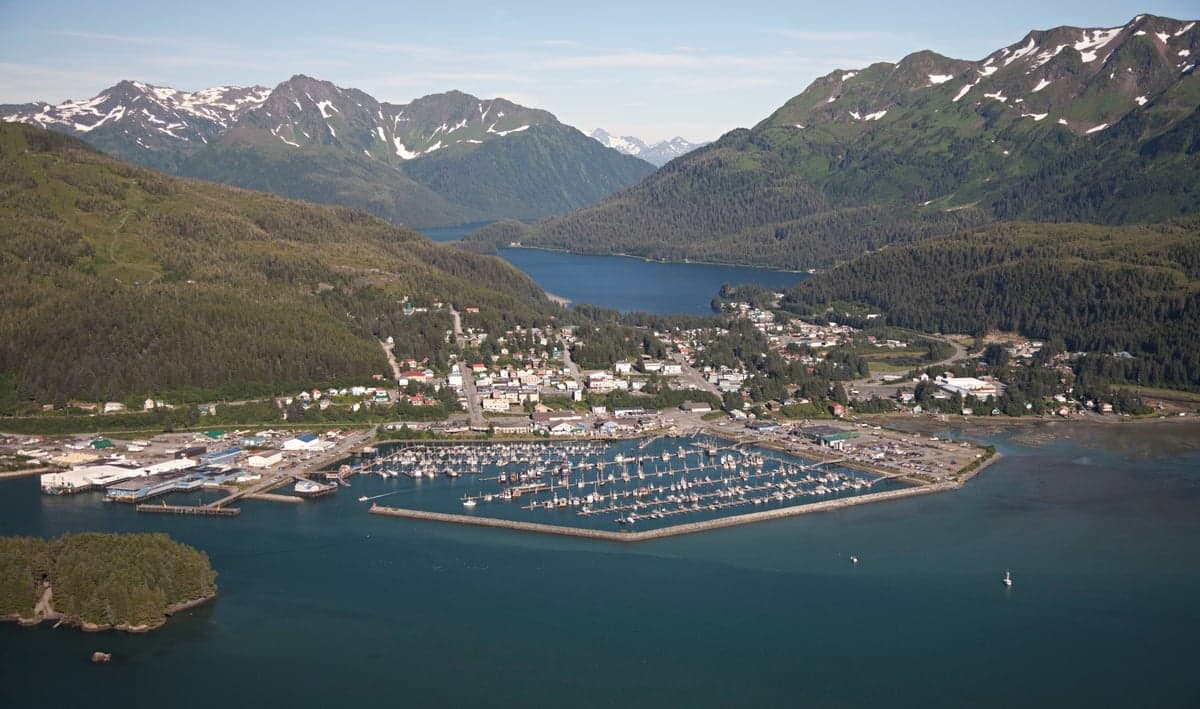
Photo: Wikipedia
Political ClimatePolitical Climate in Cordova, AK
District shown is the primary district for this city’s centroid. Cities may span multiple districts.
Inherited from parent state — no local data available.
Local Political AnalysisPolitical Analysis of Cordova, AK
Cordova, Alaska, has long been a place where folks value their independence and don’t take kindly to being told what to do, and that’s reflected in its political lean. The area carries a Cook PVI of R+6, meaning it’s a solid six points more Republican than the national average, and that’s been the baseline for as long as anyone can remember. But like a lot of small-town Alaska, you’re seeing a slow creep of outside influence—folks moving in from the Lower 48, bringing big-city ideas about how things ought to run. The trajectory here isn’t a sharp swing left, but more of a gentle erosion, and that’s got a lot of us watching closely.
How it compares
If you drive a few hours over to Anchorage, you’ll find a much more mixed bag—bluer than Cordova by a long shot, with a lot of the progressive energy that’s been reshaping bigger towns. Down the coast in Valdez, it’s a similar story to Cordova, maybe a touch more moderate, but still pretty red. The real contrast is with places like Juneau or Homer, where the politics lean noticeably left, and you see more government programs and regulations that feel like they’re chipping away at personal freedoms. Cordova, by comparison, still holds onto that old-school Alaskan attitude: you mind your own business, you don’t need a permit for everything, and you sure don’t want the state or feds poking their nose into how you live your life. That R+6 rating isn’t just a number—it’s a reflection of a community that’s wary of overreach and values local control over distant bureaucrats.
What this means for residents
For the folks who’ve been here a while, the political climate means you can still have a conversation without someone calling for a government solution to every little problem. It means the fishing regulations, while necessary, are kept in check by local voices who understand the industry, not by some desk jockey in Juneau. But there’s a growing concern: as more people move in, especially those who’ve never had to rely on their own wits to get through a winter, you see a push for things like stricter environmental rules, more oversight on development, and a general attitude that the government should be the answer. That’s a red flag for a lot of us. We’ve seen how that plays out in other towns—higher taxes, more red tape, and a slow loss of the freedom that makes this place worth living in. The near-term future probably stays conservative, but the long-term trend depends on whether the new arrivals adapt to Cordova’s way of life or try to change it.
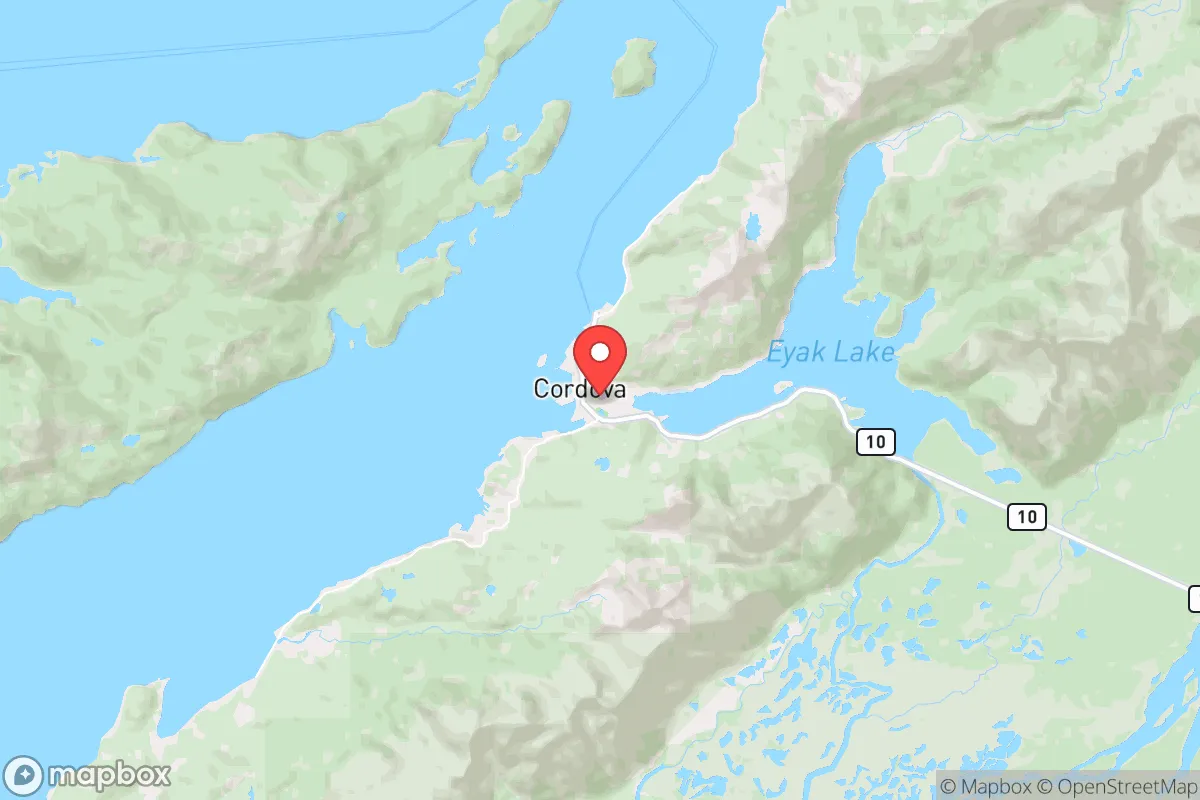
One thing that sets Cordova apart culturally is its fierce independence, even by Alaska standards. There’s no road connecting it to the rest of the state—you get here by plane or ferry—and that isolation breeds a self-reliance that’s hard to find elsewhere. Policy-wise, you see it in the local resistance to state mandates on everything from land use to education. The school board here, for instance, has pushed back against curriculum changes that feel like they’re pushing a political agenda, and the city council tends to favor low taxes and minimal interference. It’s not perfect—no place is—but for someone who values personal freedom and doesn’t want the government running their life, Cordova still feels like a refuge. Just keep an eye on who’s moving in next door.

State Political ClimatePolitical Climate in Alaska
State Political AnalysisPolitical Environment in the State
Alaska has long been a politically unique state, with a strong libertarian streak that leans conservative, but it’s not a deep red monolith. The state’s overall partisan lean is Republican, but it’s a softer shade of red than the Deep South, with a significant independent and moderate vote. Over the last 10-20 years, the trajectory has been a slow but noticeable shift toward polarization, mirroring the Lower 48, though the state’s fierce individualism and distrust of federal overreach keep it from swinging too far left. The dominant coalition is a mix of rural conservatives, resource-industry workers, and fiscally-minded independents, but the Anchorage and Juneau metro areas are increasingly pulling the state toward a more progressive, coastal-style politics.
Urban vs. rural divide
The political map of Alaska is a textbook study in geographic polarization. The urban core of Anchorage, which holds about 40% of the state’s population, is the primary battleground. The city itself has trended left in recent cycles, with its more liberal neighborhoods like Spenard and downtown delivering strong Democratic margins. However, the surrounding Mat-Su Borough, anchored by Wasilla and Palmer, is one of the most reliably conservative areas in the nation, often voting 70%+ Republican. Fairbanks, the interior hub, leans conservative but has a sizable military and university population that keeps it competitive. Juneau, the capital, is the state’s most liberal city, driven by state government workers and a strong environmentalist presence. The rural bush—places like Bethel, Nome, and Barrow (Utqiaġvik)—votes heavily Democratic due to Alaska Native corporation influence and federal dependency, but these areas have low turnout and are often overshadowed by the Anchorage bowl. The divide is stark: the road-connected areas (the Railbelt) are where elections are won and lost, and the rural villages are a reliable but small Democratic base.
Policy environment
Alaska’s policy environment is a mixed bag for a conservative. On the plus side, there is no state income tax and no statewide sales tax, a huge win for personal freedom and fiscal conservatism. The state’s regulatory posture on resource extraction—oil, gas, mining—is generally permissive, though federal land ownership (60% of the state) creates constant friction. Education policy is locally controlled, with no statewide school choice program, though homeschooling is popular and lightly regulated. Healthcare is a sore spot: the state expanded Medicaid under the ACA, and rural healthcare costs are astronomical. Election laws are relatively free, with no voter ID requirement at the polls (though you must register), and the state uses a top-four open primary system with ranked-choice voting for general elections—a system that many conservatives view as a progressive power grab. The Permanent Fund Dividend (PFD) is a unique policy lever; it’s a direct cash payment to residents from oil revenues, and any politician who threatens it faces immediate backlash. Gun rights are strong: Alaska has constitutional carry, no waiting periods, and no permit required to purchase, though local ordinances in Anchorage and Juneau have tried to restrict open carry in public buildings.
Trajectory & freedom
On the freedom front, Alaska is a tale of two trends. The state has expanded personal liberty in some areas: in 2024, the legislature passed a parental rights in education bill requiring schools to notify parents of curriculum changes and medical services, a win for family autonomy. Gun rights remain robust, with no red flag law on the books, despite repeated attempts by Anchorage Democrats to pass one. However, the trajectory is concerning in other areas. The ranked-choice voting system, passed by ballot initiative in 2020, has been a flashpoint, with conservatives arguing it dilutes the vote and empowers moderate-to-left candidates. There’s also been a push for carbon tax policies and stricter environmental regulations on oil drilling, particularly in the Arctic National Wildlife Refuge (ANWR), which threatens the state’s economic backbone. Medical autonomy is strong—no vaccine mandates at the state level—but local health mandates in Anchorage during COVID were heavy-handed. Property rights are generally respected, but federal land use restrictions in places like Kenai and Denali create constant tension. The overall trend is a slow erosion of the state’s traditional libertarian ethos, driven by in-migration from blue states and the growing influence of the Anchorage progressive machine.
Civil unrest & political movements
Alaska is not a hotbed of civil unrest, but there are visible flashpoints. The most organized movement on the right is the Alaska Independence Party, which still advocates for a state referendum on secession, though it’s more of a fringe group today. The left has a strong environmental activist presence, particularly in Juneau and Anchorage, with groups like Alaska Wilderness League and 350 Alaska organizing protests against oil drilling and mining projects. The Pebble Mine controversy in the Bristol Bay region has been a decade-long battle, with environmentalists and commercial fishermen clashing with pro-development conservatives. Immigration politics are muted—Alaska has a small foreign-born population—but sanctuary city policies have been debated in Anchorage, with the city council voting down a formal sanctuary designation in 2023. Election integrity controversies have centered on the ranked-choice voting system, with a 2024 ballot initiative to repeal it failing narrowly. The most visible flashpoint for a new resident would be the constant tension between resource development and environmental regulation, especially in the Cook Inlet region and the North Slope.
Projection
Over the next 5-10 years, Alaska is likely to become more polarized, not less. The Anchorage metro area will continue to drift left, driven by in-migration from Washington, Oregon, and California, while the Mat-Su Borough and Fairbanks will harden their conservative stance. The rural Native villages will remain Democratic but may see turnout increase as younger voters become more engaged. The biggest wildcard is the state’s economy: if oil prices stay high and the PFD remains robust, the conservative coalition holds. If a recession hits or federal green energy policies choke off drilling, the state could see a populist backlash that either strengthens the right or pushes voters toward a third-party libertarian option. The ranked-choice voting system is likely to stay, which means moderate Republicans and Democrats will continue to have an advantage over hardliners. For a conservative moving in now, expect a state where you can live freely—low taxes, strong gun rights, and local control—but where the political culture is increasingly contentious, especially in Anchorage and Juneau. The rural areas and the Mat-Su will remain your best bet for a like-minded community.
Bottom line for a new resident: Alaska offers a high degree of personal freedom compared to most states, but it’s not a conservative paradise. You’ll find a strong libertarian streak in the culture, but the political machinery in Anchorage and Juneau is trending left. If you’re looking for a place where you can own guns, keep your money, and be left alone, the Mat-Su Borough or Fairbanks are your best bets. Just be prepared for the fight over ranked-choice voting and environmental regulations to intensify. It’s still one of the freest states in the union, but the frontier spirit is under pressure.
* Values derived from national, state, county, city and local statistics and may differ in a specific area. Last updated: 2026-04-19T19:16:19.000Z
Narrative content on this page is AI-generated and may contain mistakes. Verify any details that matter before acting on them.
ReloMaps may earn a commission from affiliate links at no extra cost to you.

