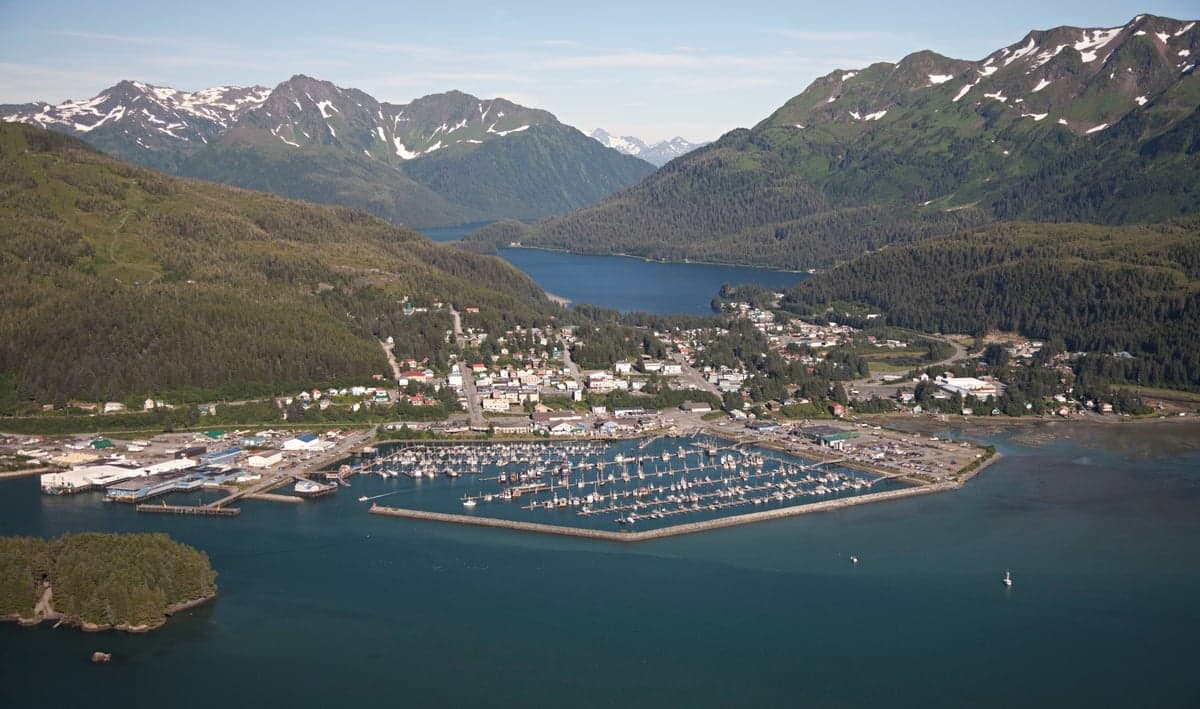
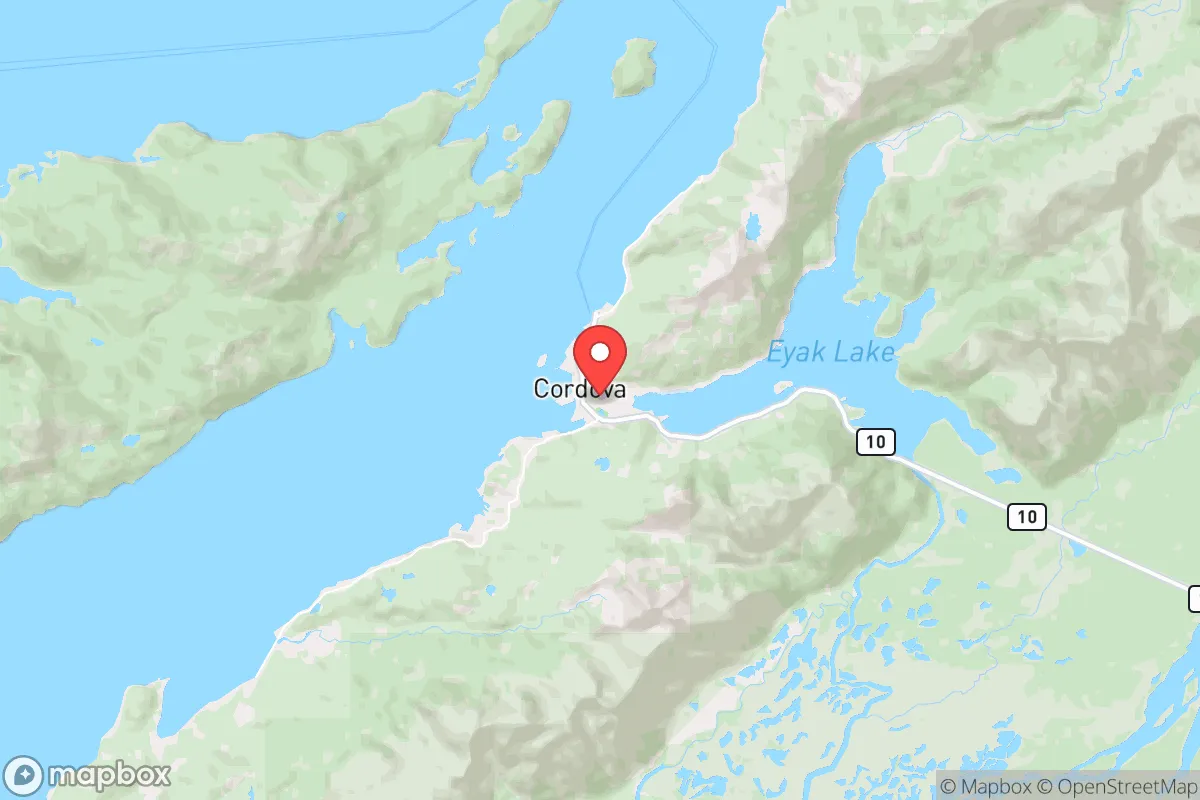
Photo: Wikipedia
Quality of Life in Cordova, AK
A high quality of life with strong walkability, manageable living costs, healthy neighborhood signals, and solid amenity access.
What does Quality of Life tell us?
Quality of Life blends cost of living, nearby amenities, socioeconomic signals, and neighborhood character. City-level scores represent the whole municipality; individual neighborhoods can differ.
What does this tell us?
Quality of Life blends cost of living, nearby amenities, socioeconomic signals, and neighborhood character. City-level scores represent the whole municipality; individual neighborhoods can differ.
Cost of Living
25% above national average
The Real Cost of Living in Cordova, AK for 2026
| Tier | Individual | Family (4) |
|---|---|---|
| Survival | $22k | $41k |
| Comfortable | $75k | $110k |
| Luxury | $116k+ | $180k+ |
| Elite (Top 5%) | $137k+ | $212k+ |
81%
The Area Signal
A metric tracking the socioeconomic signals of the area.


Hobbies
Explore the areaGroceries
2 within 10 miles
Gas
0 within 10 miles
Hospital
1 within 20 miles
Airport
Cordova Hospital Heliport
Post Office
USPS — Cordova, AK
Critical Amenities
Quality-of-Life Analysis
Cordova, Alaska, presents a distinctive quality-of-life profile shaped by its remote coastal location and tight-knit community. With a cost-of-living index of 125—25% above the national average—the area is not inexpensive, but it attracts a specific demographic: self-reliant professionals, commercial fishermen, and outdoor enthusiasts who prioritize natural beauty and community connection over urban convenience. The median home value of $384,500 and median rent of $1,359 reflect a housing market that is more affordable than Anchorage or Juneau but significantly pricier than mainland rural Alaska, creating a barrier for newcomers without established local income.
Cost of living, housing, and how Cordova compares to nearby towns
Cordova’s cost of living is driven by its island geography—everything from groceries to building supplies arrives by barge or plane, inflating prices across the board. The median home value of $384,500 is roughly 10% lower than Anchorage’s median but about 30% higher than in nearby Valdez, where road access lowers transport costs. Median rent at $1,359 is comparable to that of Homer, though Cordova’s rental inventory is smaller and less varied, with few apartments and a predominance of single-family homes and seasonal worker housing. The average commute of just over 19 minutes is notably short—far below the national average of 26 minutes—reflecting the town’s compact layout where most residents live within a few miles of the harbor and downtown core. For buyers, the lack of a road connection to the mainland means that home prices are less volatile than in road-accessible towns, but resale can be slower due to the limited buyer pool.
What daily life is like: amenities, schools, and community rhythm
Daily life in Cordova revolves around the harbor, the Copper River Delta, and a small but functional set of local services. The Cordova School District serves roughly 300 students across one elementary, one middle, and one high school, with a student-to-teacher ratio of about 12:1—smaller than the state average—allowing for personalized instruction. Grocery shopping is limited to two main stores, with prices 20–30% higher than in Anchorage; many residents supplement with subsistence fishing and hunting. Healthcare is provided by the Cordova Community Medical Center, a critical-access facility with a small emergency room and basic outpatient services; serious cases require medevac to Anchorage. The town’s social rhythm is tied to the fishing seasons—spring Copper River salmon openers bring a surge of activity, while winter months are quieter, with community events like the Iceworm Festival in February. Internet access is available via fiber and fixed wireless, but speeds and reliability lag behind urban Alaska, making remote work challenging for data-heavy roles.
Cordova is best suited for individuals and families who value deep community ties, outdoor subsistence lifestyles, and a slower pace of life, and who can absorb the higher costs of remote living. It is less ideal for those seeking career diversity, frequent travel, or extensive shopping and dining options. The town’s isolation fosters resilience and neighborly interdependence, but the high cost of housing and goods means that financial stability—often tied to fishing, guiding, or remote work—is a prerequisite for thriving here. For the right person, Cordova offers a quality of life defined by wild surroundings and genuine community, rather than by material abundance.

Crime in Cordova, AK
Lower crime rates than 93% of comparable U.S. locations.
Violent CrimeViolent Crime Analysis
Property CrimeProperty Crime Analysis
Crime Analysis
Cordova, Alaska, presents a notably safe environment compared to national averages, with violent and property crime rates significantly below the U.S. median. The town's violent crime rate of 46 incidents per 100,000 residents is roughly one-sixth of the national average, while property crime at 460.2 per 100,000 is also substantially lower. This isolated Prince William Sound community benefits from its small population and tight-knit social fabric, factors that typically correlate with lower crime statistics.
Crime in context
Cordova's crime data places it among the safest communities in Alaska, a state that often reports higher-than-average crime rates. The violent crime rate of 46 per 100,000 is dramatically lower than the Alaska state average of roughly 800 per 100,000 and the U.S. average of about 380 per 100,000. Property crime in Cordova, at 460.2 per 100,000, is also well below the national figure of approximately 1,950 per 100,000. These figures reflect a community where serious offenses are rare, and the primary law enforcement presence is the Cordova Police Department, supplemented by Alaska State Troopers for major incidents. Unlike larger metropolitan areas that may contend with progressive prosecutorial policies that can lead to higher recidivism, Cordova's justice system operates within a traditional framework focused on community accountability.
What residents experience
Daily life in Cordova is characterized by a high degree of personal safety. The most common property crimes are typically thefts from unlocked vehicles or outbuildings, rather than violent confrontations. Alcohol-related incidents, including disorderly conduct and minor assaults, account for a notable portion of police calls, reflecting a pattern seen in many remote Alaskan communities. Residents generally feel comfortable walking at night and leaving doors unlocked, a stark contrast to urban environments. The community's reliance on commercial fishing and tourism means that seasonal population fluctuations can bring minor increases in petty theft or public intoxication, but these rarely escalate into violent crime. The absence of a large, transient population and the strong social bonds among residents act as natural deterrents to serious criminal activity.
Neighborhood-level crime variation in Cordova is minimal due to the town's compact size and homogeneous layout. The downtown core and the waterfront area near the small boat harbor see slightly higher foot traffic and occasional minor incidents, while residential streets in areas like the "Hill" or near the airport remain exceptionally quiet. There are no statistically significant "high-crime" districts within town limits. For those considering relocation, Cordova offers a level of security that is rare even by small-town standards, with the primary safety considerations being environmental—such as bear encounters and winter weather—rather than human-caused crime.
* Values derived from national, state, county, city and local statistics and may differ in a specific area. Last updated: 2026-04-19T19:16:19.000Z
Narrative content on this page is AI-generated and may contain mistakes. Verify any details that matter before acting on them.
ReloMaps may earn a commission from affiliate links at no extra cost to you.

